The Problem Nobody Talks About: Rate Analysis Gone Wrong
Rate analysis isn't just a spreadsheet exercise. It's the backbone of your project's profitability. Yet, too many civil contractors rely on outdated rate schedules or skip detailed breakdowns altogether. What's the result? Margins quietly erode, and projects that seemed profitable on paper turn into financial nightmares.
A Real Example: The ₹12.6 Lakh Miss
Take this case: A mid-size contractor in Pune bid aggressively for a ₹4 crore residential building project. They used last year's rate schedules without accounting for a 13% hike in steel prices and a 9% increase in labor costs. By the time procurement started, they realized their BOQ (Bill of Quantities) costs were underestimated by ₹12.6 lakh. That was their profit margin—gone.
This problem is not unique to Pune or residential projects. Across India, contractors frequently underestimate costs because they fail to account for dynamic market conditions. For example, the COVID-19 pandemic caused unprecedented price hikes in materials like cement, bricks, and aggregates. A 2021 report by CRISIL found that construction material prices surged by 25% in just six months. Without regular rate updates, such changes can obliterate profitability.
Why BOQ Rate Analysis Matters
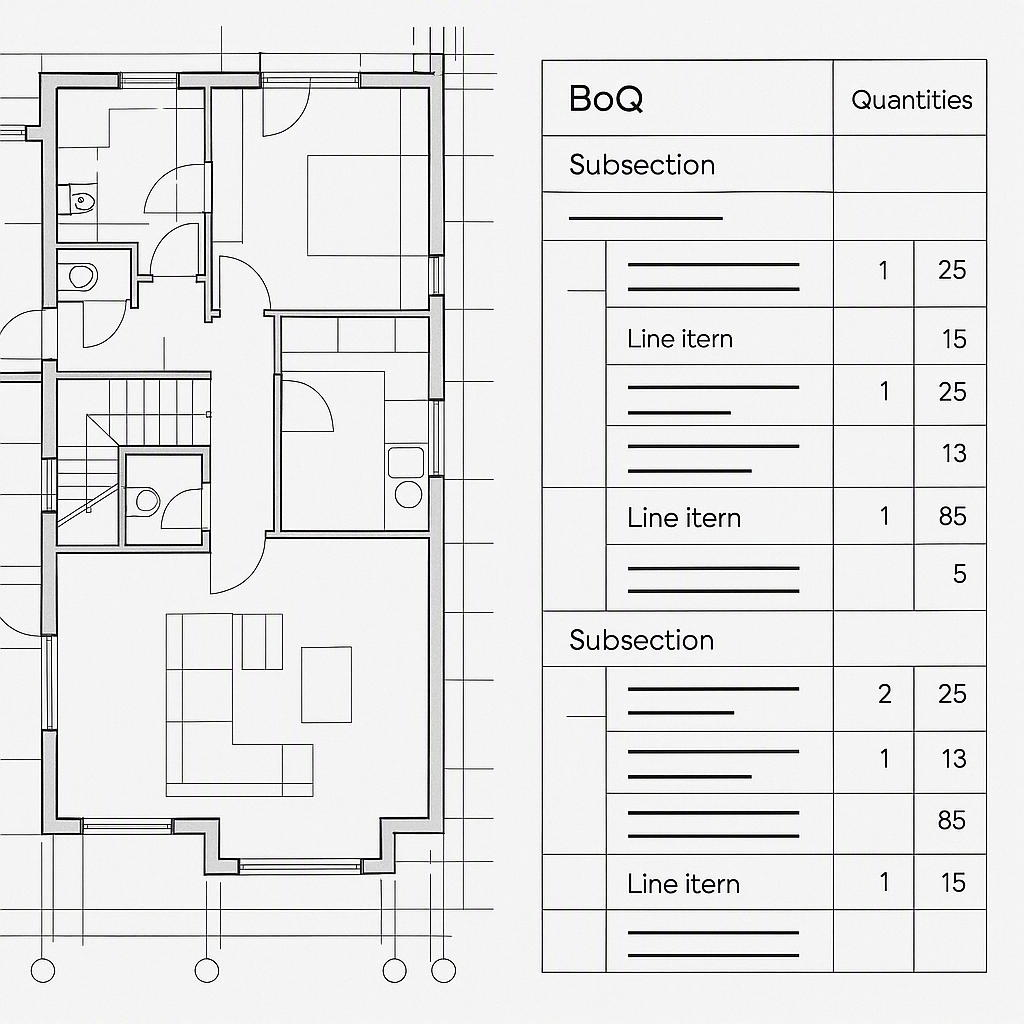
Let’s break it down. BOQ cost is calculated as:
BOQ Cost = Scheduled Rate per UOM × BOQ Quantity
If your scheduled rates don’t reflect current market conditions, your BOQ cost is wrong. And if your BOQ cost is wrong, your margins are doomed.
Concrete Example:
Suppose your BOQ specifies 100 MT (Metric Tons) of steel at ₹55,000 per MT. If the steel price has increased to ₹62,150 per MT, your project incurs an extra ₹7,15,000 in costs. Multiply this across other materials and quantities, and small misses quickly snowball into massive overruns.
Real-World Case Study: Bengaluru Commercial High-Rise Project
A contractor working on a ₹20 crore high-rise in Bengaluru failed to factor in market volatility for cement and sand. While cement prices rose by 18% within six months, sand prices fluctuated due to local transportation bans. The project ended up losing ₹2.4 crore—over 12% of its original bid value—resulting in layoffs and delayed payments to vendors.
How JobNext Fixes This
JobNext’s Rate Schedules page lets you manage rates at the Work Breakdown Structure (WBS) level. Here’s what sets it apart:
Features of JobNext:
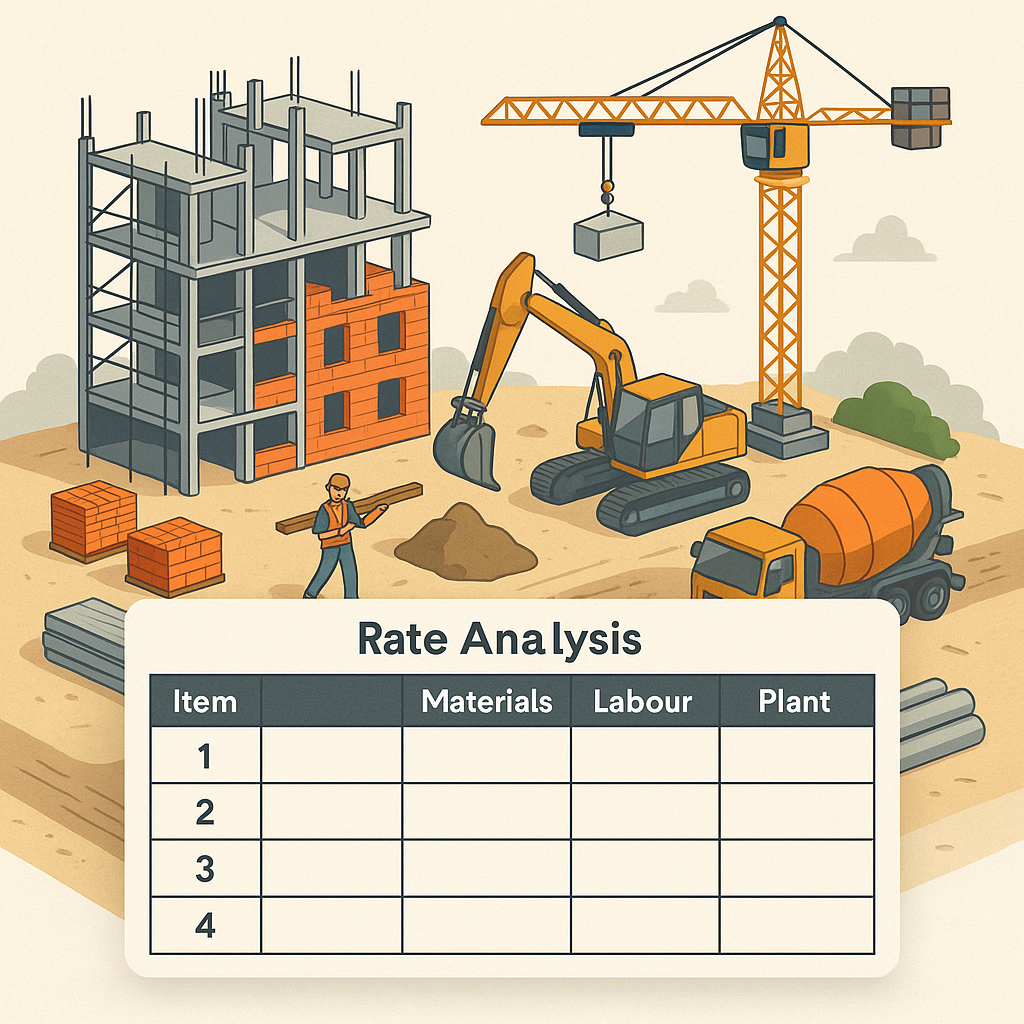
- Automatic Rate Analysis: Breaks down costs into material, labor, and plant components. No manual guesswork.
- Market Updates: Review and update scheduled rates monthly to match real-world prices. This includes both local and national market trends.
- Variance Tracking: Compare budgeted rates vs. actual costs mid-project to catch overruns early.
Success Stories:
A contractor in Hyderabad used JobNext to track steel price spikes during a ₹10 crore sports complex build. Monthly rate updates prevented losses, and the project closed with a 6% higher-than-expected profit margin. Another contractor in Delhi reported saving ₹45 lakh on a metro station project due to JobNext’s automated rate validation.
Practical Methods for Better Rate Analysis
If you’re not ready for software, here are some hands-on methods:
1. Audit Rate Schedules Quarterly
Key materials like cement, steel, and aggregates often see price changes every few months. Regularly auditing your rate schedule ensures your estimates stay relevant.
Example: Use government price indices or platforms like SteelMint for steel trends and CementInfo for cement pricing. For instance, if the Wholesale Price Index (WPI) shows a 5% increase, update your schedule accordingly.
2. Use Vendor RFQs for Validation
Before finalizing your BOQ, cross-check rates with your top suppliers. Request RFQs (Request for Quotations) to ensure your estimates align with current pricing.
Actionable Tip: Create a vendor database and track their pricing history. This builds negotiation leverage and helps you identify cost-saving opportunities.
3. Benchmark Labor Costs
Labor rates are notorious for variation. Use government wage surveys or local hiring data to keep your labor costs realistic.
Example: The Ministry of Labour and Employment provides annual wage surveys for various job roles. Compare this data with local contractor rates for accuracy.
4. Calculate Plant Depreciation
Machinery sitting idle eats margins. Factor in production costs and usage hours to ensure accurate plant rate calculations.
Actionable Tip: Use tools like Tally or QuickBooks to track depreciation schedules for heavy machinery.
The Obvious Objection: Time
You might be thinking, "This sounds great, but I don’t have time to audit rates every quarter." That’s fair. Manual methods are time-consuming. But tools like JobNext automate this process, saving hours every week. EstimateNext.ai explains how AI-powered rate matching cuts manual effort by 90%—worth a read if you’re exploring automation.
Decision Framework: Manual vs. Automated Rate Analysis
| Feature | Manual Methods | JobNext Automation |
|---|---|---|
| Accuracy | Prone to errors due to human oversight | Highly accurate with real-time updates |
| Time Investment | High (hours per audit) | Low (minutes per update) |
| Scalability | Difficult for large projects | Easily scales to multi-project workflows |
| Cost | Minimal upfront cost | Subscription fees apply |
| Real-Time Tracking | Not available | Available |
FAQ Section
1. Why is rate analysis critical for smaller projects?
Smaller projects often operate on tighter margins, so even minor cost overruns can wipe out profits. Accurate rate analysis ensures you’re not underbidding or losing money during execution.
2. What tools can I use if I can’t afford JobNext?
Free tools like Excel templates for BOQ calculations or government price indices for material rates can help. However, they require manual updates and validations.
3. How often should I update my rate schedules?
Ideally, update rate schedules quarterly or whenever market conditions change significantly. For volatile materials like steel or cement, monthly updates are better.
4. What’s the biggest risk of using outdated rates?
The biggest risk is bidding too low, leading to projects that lose money. You also risk vendor disputes and delays when actual costs exceed your budgeted amounts.
5. Can AI tools really replace manual rate analysis?
AI tools like JobNext or EstimateNext.ai reduce manual effort by analyzing market trends and updating rates automatically. They improve accuracy but should be complemented by human oversight.
The Bottom Line
Bad rate analysis is a silent killer. It eats into project margins, ruins bids, and creates chaos when procurement starts. Whether you use software like JobNext or manual audits, accurate rate analysis is non-negotiable.
Call to Action
If you’re tired of losing margins to outdated rates, JobNext can help. Get started today and take control of your project profitability.
Learn more at EstimateNext