The Hidden Margin Killer: Poor Cost Visibility
Construction is a tough business. Margins hover between 2-7%, and unexpected cost overruns can wipe them out overnight. If you’re running multiple projects, losing track of daily costs isn’t just a mistake — it’s a recipe for disaster. Real-time cost visibility isn’t optional anymore. It’s the difference between profitable projects and red ink.
Why Is Cost Visibility So Hard?
Here’s the problem: most contractors juggle spreadsheets, disconnected tools, and manual workflows. A typical scenario? Procurement doesn’t sync with project budgets. Field teams order extra materials, finance doesn’t catch it until the month-end reconciliation, and by then, it’s too late. Sound familiar?
According to a McKinsey report, 80% of construction projects run over budget. Why? Lack of integration between systems and delayed cost tracking. When your data is siloed, you don’t know where your money is going until the damage is done.
Real-Time Cost Tracking: A Game Changer
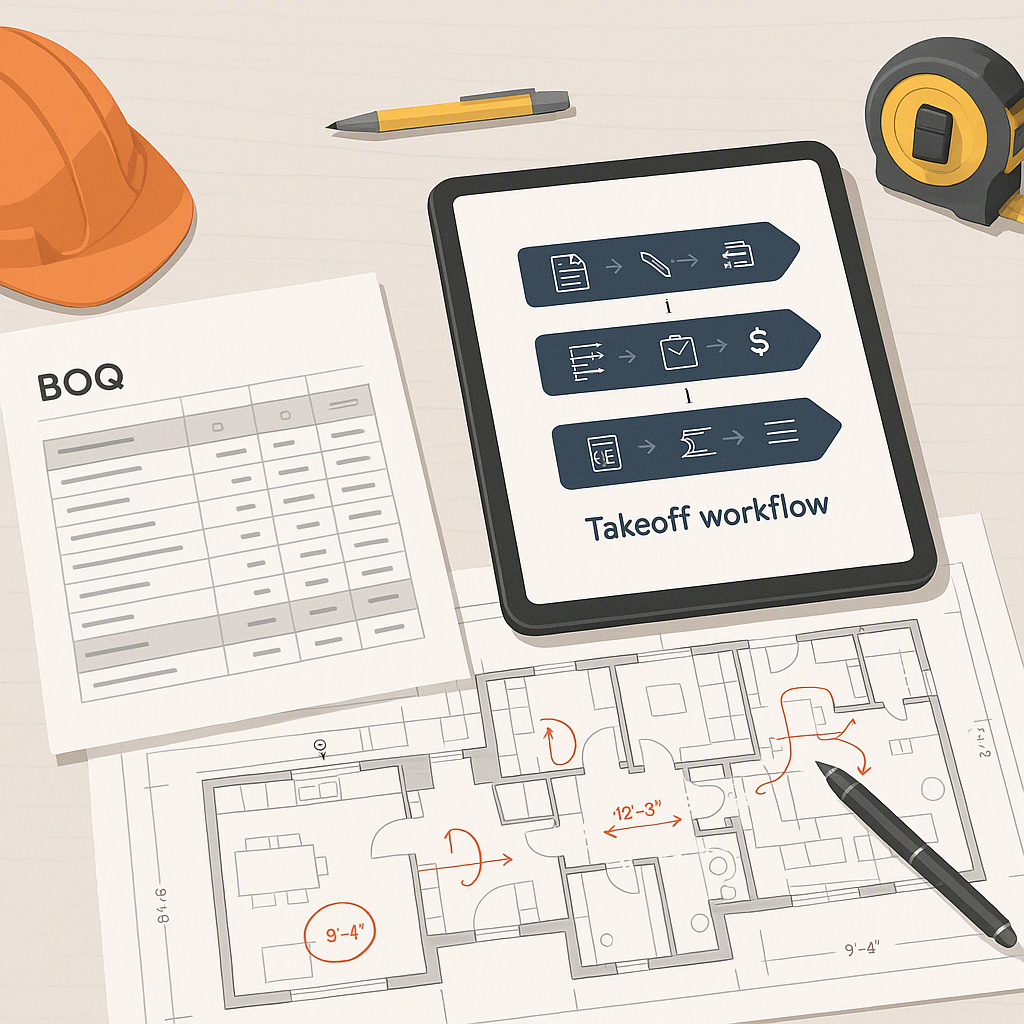
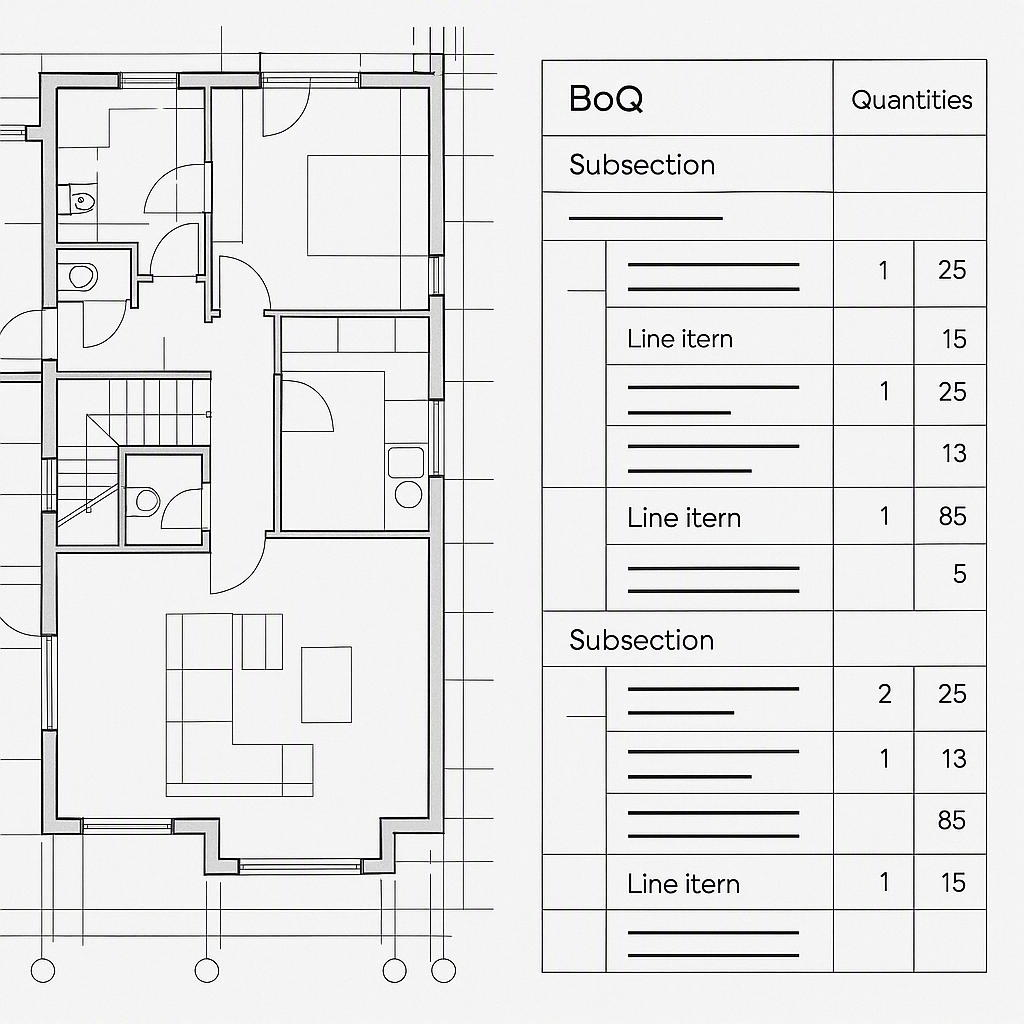
Now, imagine this: you’re managing a 200-person HVAC contracting company. You’ve got six ongoing projects, each with its own BOQ (Bill of Quantities), subcontractor agreements, and procurement schedules. Without a unified system, you’re relying on gut instinct and fragmented reports to guess your profitability. That’s risky.
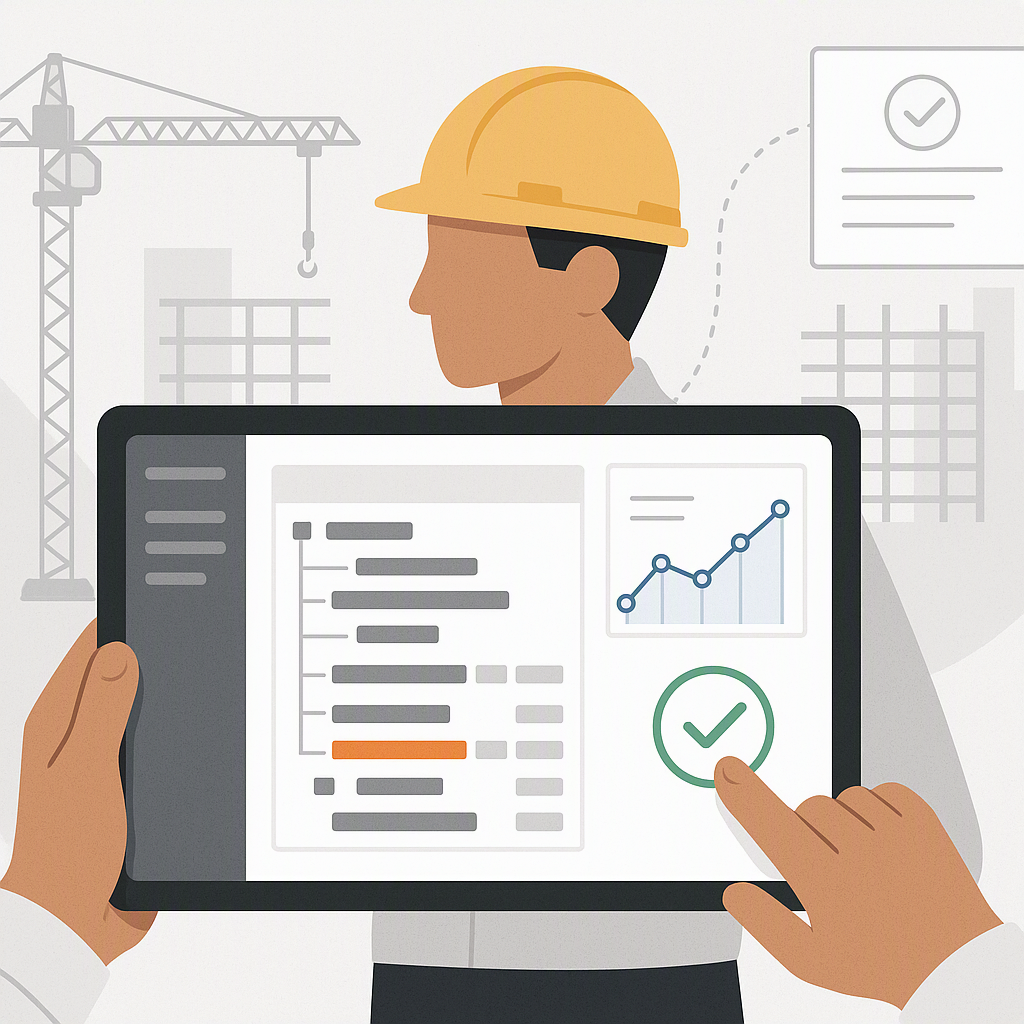
This is where structured workflows like MR → RFQ → Vendor Offers → PO come into play. A platform like JobNext offers real-time cost tracking tied directly to project scopes and estimates. When you raise a material request (MR), it’s linked to the BOQ. Every RFQ, vendor quote, and PO is tracked against the budget. No surprises.
According to our article on ERP implementation, the key to success is not just digitizing your processes but structuring them. JobNext’s procurement workflow ensures every purchase aligns with project budgets. You approve costs upfront, not after they’ve already hit your books.
What Happens Without It?
Let’s get real. Without visibility, you’re flying blind. Subcontractors submit inflated invoices. Materials get over-ordered and underutilized. And when finance finally reconciles the numbers, you realize you’re 15% over budget. Too late to fix.
In one case we analyzed, a contractor lost ₹18 lakh on a single project because they didn’t catch discrepancies in subcontractor progress payments. The culprit? Manual tracking. The fix? A measurement-based progress tracking system tied to payments, like the one JobNext offers. Invoice only for what’s measured and approved.
The Role of Reporting and Dashboards
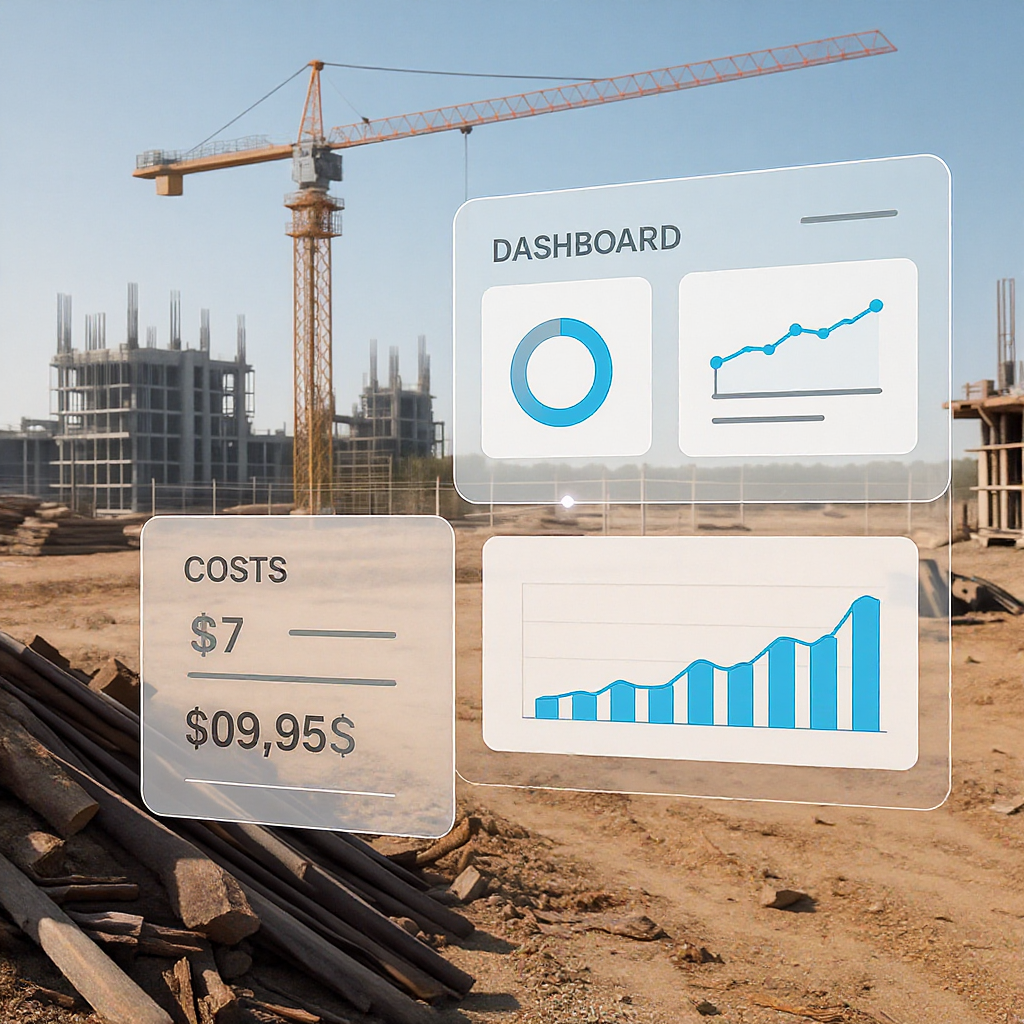
Cost visibility isn’t just about tracking expenses. It’s about understanding profitability in real-time. With tools like JobNext’s 150+ pre-built reports, you can monitor project costs, labor utilization, and revenue leakage at a glance.
Let’s say you’re running a landscaping firm with projects across Oman and the UAE. Labor rates differ, material costs fluctuate, and compliance requirements vary. A dashboard that consolidates this data isn’t just useful — it’s essential. As we discussed here, GCC projects demand compliance and cost rigor. Without it, you’re out of the game.
Practical Takeaways
You might be thinking, “Sure, visibility sounds great, but how do I implement it?” Start with these steps:
- Audit your current processes — Where are the gaps? Is procurement disconnected from project budgets?
- Invest in a unified platform — Replace spreadsheets and fragmented tools. A system like JobNext ties everything together.
- Leverage structured workflows — Use MR → RFQ → PO chains to control spending.
- Monitor in real-time — Don’t wait for month-end reports. Dashboards should tell you today if a project is bleeding money.
The Bottom Line
Cost visibility isn’t just about saving money — it’s about staying in business. With margins as tight as they are, you can’t afford to guess. The contractors who succeed understand their costs in real-time and act on them immediately. Tools like JobNext don’t just make this easier; they make it possible.
Want to know more about implementing cost visibility? Read this guide on digital transformation for contractors. It’s packed with practical steps to modernize your operations without overwhelming your team.
Ready to see JobNext in action?
Multi-tenant SaaS ERP for construction, facilities management, and contracting — covering preconstruction, project execution, procurement, HR & payroll, equipment, finance, and 150+ analytics reports.
Get Started Free →Learn more at EstimateNext