What We Thought
For years, we believed accurate construction estimation came down to one thing: precision. If you nailed the quantities and rates, you’d have a bulletproof estimate. That’s what we told ourselves and our clients. Every error, every margin erosion, we blamed on bad math or sloppy entry.
What Changed
Over time, it became clear that many contractors weren’t struggling with the math—they were struggling with the workflow. One estimator mentioned, "We spend so much time fixing BOQ errors, we don’t even get to the markup until the last minute." Another ops manager admitted their team spent hours reconciling mismatched line items between takeoffs and execution plans.
This realization shifted the focus from precision to process. It wasn’t just about getting the math right—it was about ensuring the workflow supported accurate and efficient estimation.
Why the Old Belief Survived
Honestly? It’s easier to focus on numbers. Estimators and project managers feel in control when they can point to a formula or a spreadsheet cell. Digging into workflow inefficiencies is harder—it requires questioning habits, tools, and approvals. And it’s uncomfortable to admit that a sloppy takeoff process might be the real reason your margins keep disappearing.
What We Do Differently Now
We’ve shifted the focus from "getting the math right" to "getting the process right." Here’s an example of how a structured workflow can help:
Practical Takeoff Workflow Example
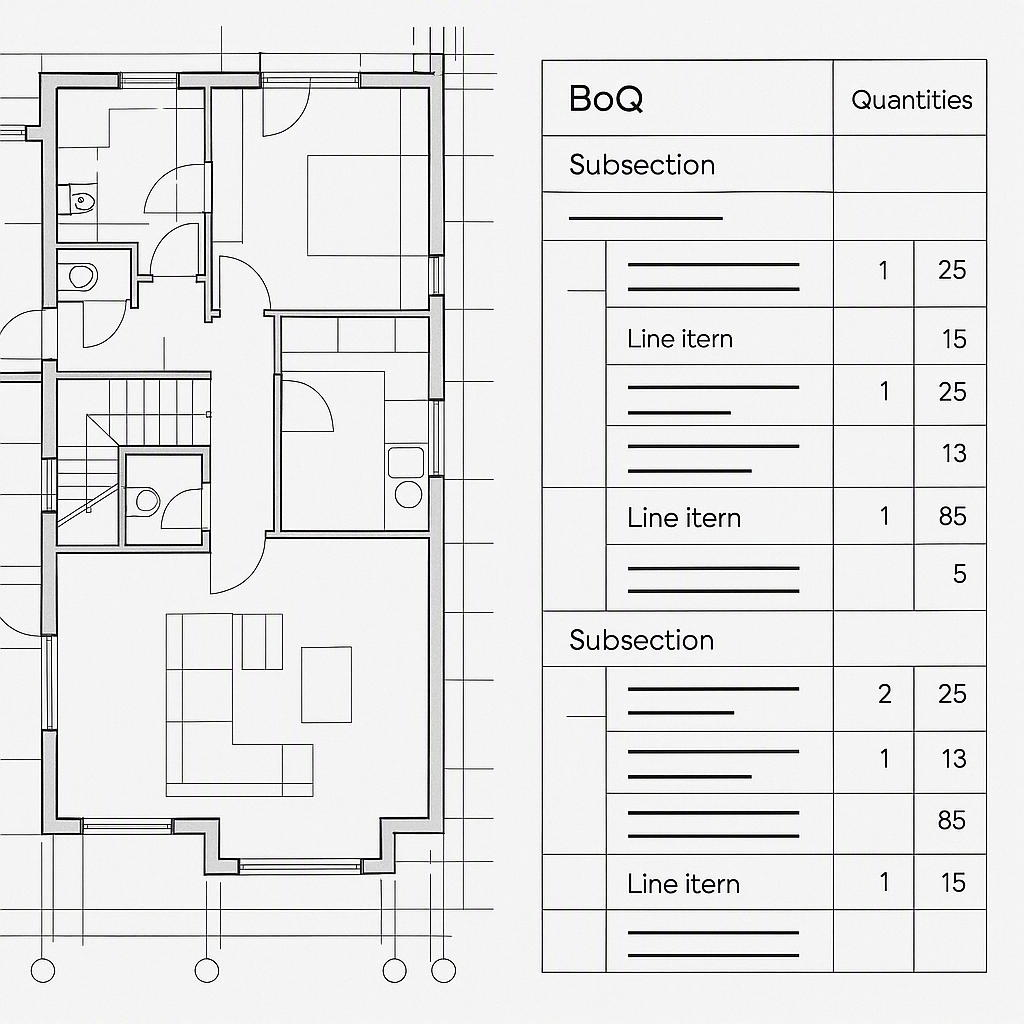
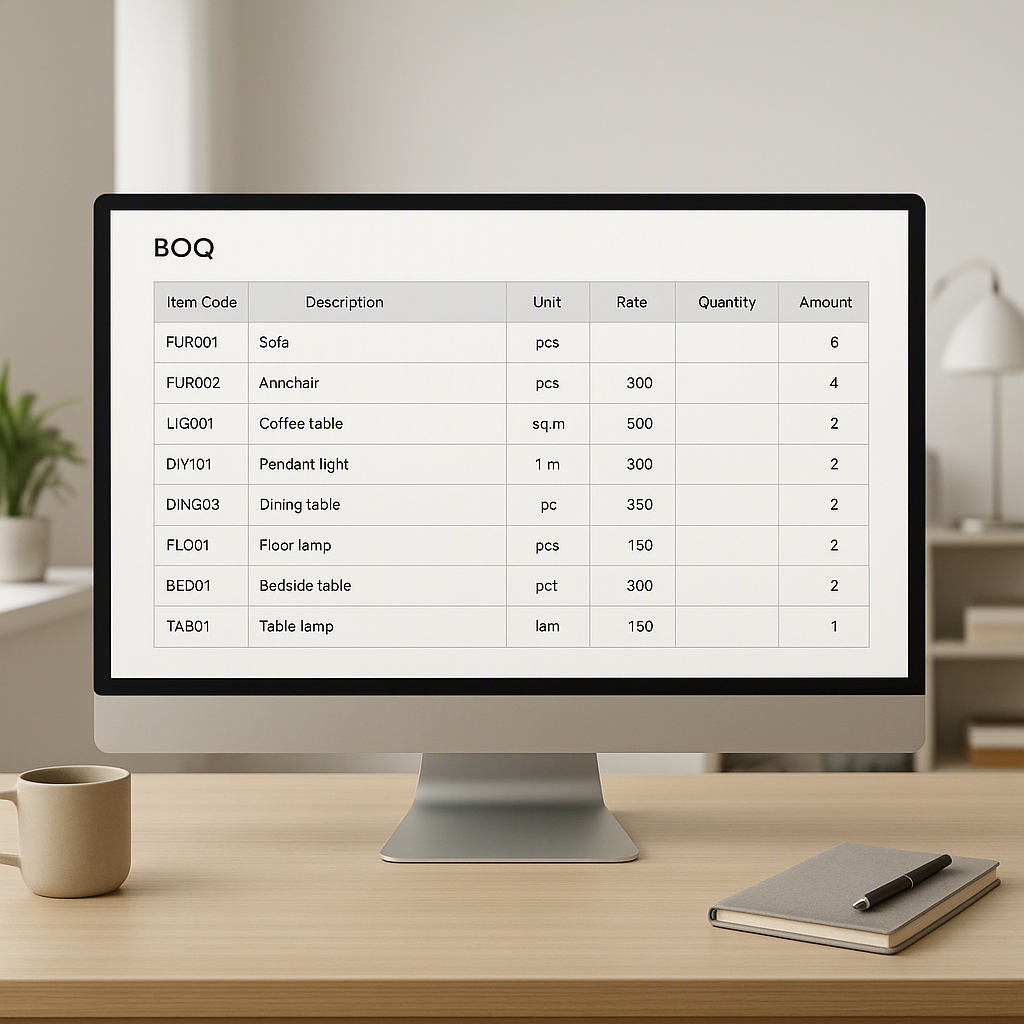
- BOQ Setup: Start by building BOQ lines against scopes. Ensure every line item is linked to the job and flagged for validation errors immediately.
- Non-Budget Estimate Creation: Create a detailed estimate using the Estimate-based Quote method. This method breaks costs into labor, material, plant, subcontract, and overhead. Each resource line includes waste percentages to account for real-life inefficiencies.
- Approval Workflow: Before marking "Ready for Quote," the estimate must pass validation checks. This eliminates mismatched resources, quantities, or rates.
- Markup Addition: Once approved, the system auto-populates the quote with the estimated costs. Add markup percentages and taxes directly.
- Export and Submit: Generate the customer PDF with terms and conditions baked in.
Illustrative example — This two-phase approach (estimate first, quote second) fixes the common disconnect between takeoff and execution. Separating cost estimation from markup is critical for transparency and accuracy.
What We’re Still Not Sure About
Have we solved everything? Absolutely not. Some teams still struggle with wasted effort in manual takeoffs despite better workflows. Others resist adopting tools because their legacy spreadsheets feel "good enough." And, frankly, some margin erosion comes from external factors—materials pricing, subcontractor delays—that no software can fix.
Call to Action
If your takeoff workflow is causing margin leaks, explore tools and methods that focus on process efficiency. Take control of your estimation process today.
Learn more at EstimateNext