The Myth of 'Quick' Quantity Takeoff
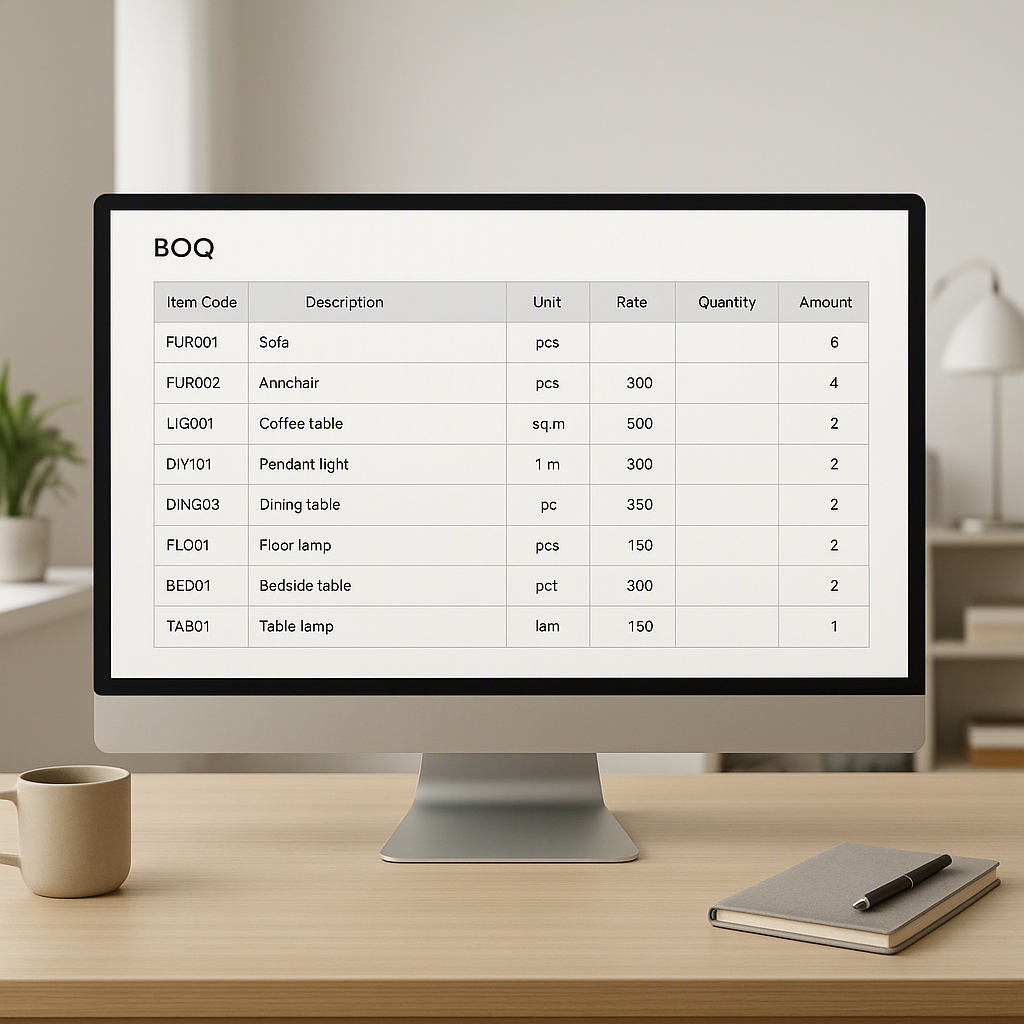
Quantity takeoff might seem like a straightforward process: pull up the BOQ, list the items, and plug in the rates. The faster you could churn out the numbers, the more bids you could submit. It made sense on paper. But in practice, errors, omissions, and scope mismatches often creep in during rushed jobs. By the time issues are caught—if they are caught at all—projects can face significant challenges.
A 2023 McKinsey report noted that a large portion of cost overruns in construction projects result from poor scope definition and tracking—problems that often originate with the BOQ.
What Changed My Thinking
After analyzing feedback from contractors, a common thread emerged: without a structured BOQ hierarchy, even the best estimators struggle to maintain accuracy. Issues like mismatched units of measure (UOM) and unclear cost breakdowns frequently lead to inefficiencies and disputes.
Here’s what we learned:
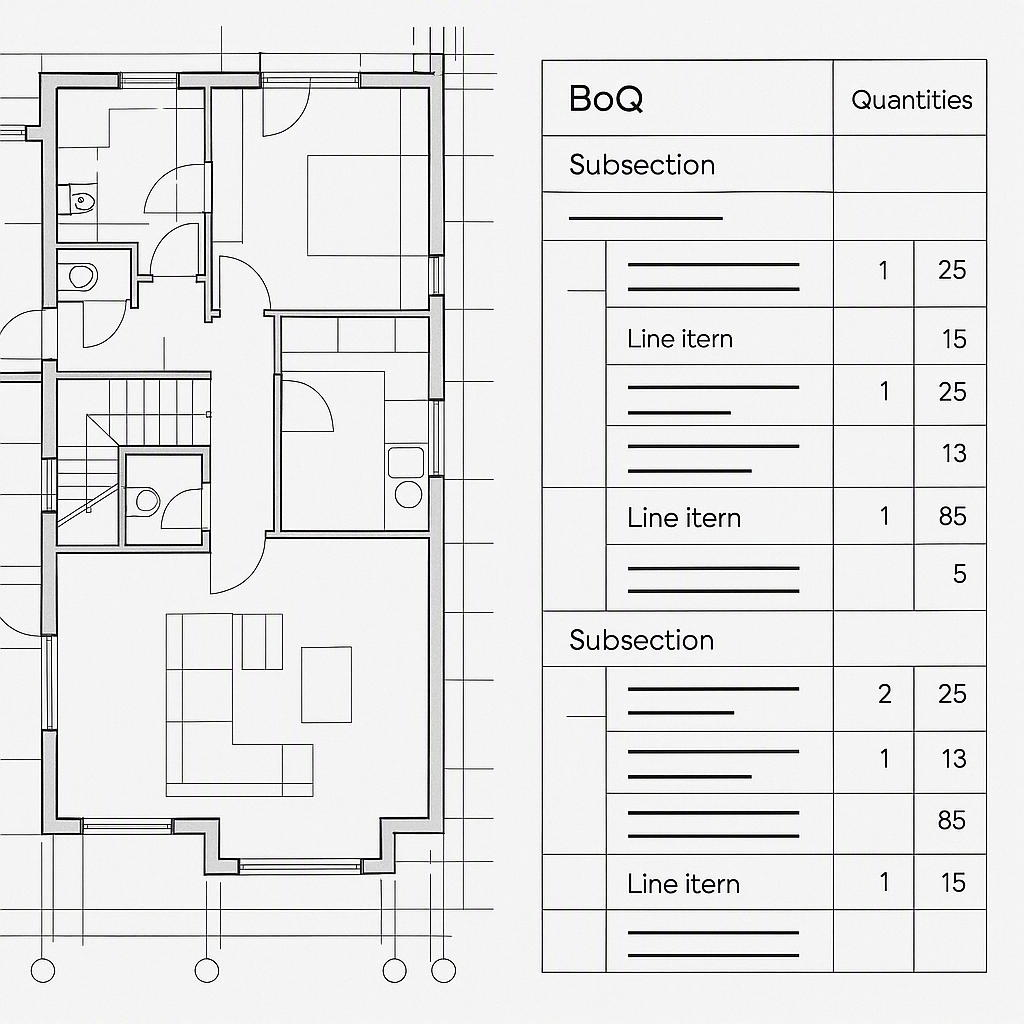
- BOQ Hierarchy Matters: A well-structured BOQ groups items logically—by sections, subsections, and individual line items. For example, 'Civil Works' might break into 'Foundation' and 'Superstructure,' with each subsection listing specific tasks like excavation or concrete pouring.
- Stage-Wise Splits Avoid Surprises: By assigning percentages of work to stages, you can track progress against specific milestones. This makes it easier to spot when a subcontractor is falling behind or overbilling.
- Excel Is Not Enough: Many contractors still rely on spreadsheets. But as projects scale, spreadsheets become a liability. There’s no version control, and it’s too easy for formulas or data to get corrupted.
How JobNext Simplifies Quantity Takeoff
One feature in JobNext that stands out is its BOQ management tool. You can create a BOQ with two methods: manual entry or bulk Excel upload. Once uploaded, the BOQ transitions through two states: 'Created' (where edits are allowed) and 'Contracted' (locked, requiring variation orders for changes). This ensures that everyone works off a single source of truth.
The software also supports a group-to-item hierarchy for BOQ items. For instance:
| Section | Sub-section | Item | UOM | Quantity | Rate | Value |
|---|---|---|---|---|---|---|
| Civil Works | Foundation | RCC M25 for foundation | m³ | 500 | 4,500 | 2,250,000 |
| Civil Works | Foundation | Excavation | m³ | 200 | 1,200 | 240,000 |
| Civil Works | Superstructure | RCC M30 for columns | m³ | 300 | 5,000 | 1,500,000 |
Illustrative example—values are for demonstration only.
This structure not only makes it easier to estimate costs but also simplifies progress tracking and billing. For example, once work is completed on 'Foundation,' you can generate a partial bill for that section without affecting the rest of the project.
Common Mistakes in Quantity Takeoff
- Skipping the Hierarchy: Treating the BOQ as a flat list of items might save time upfront, but it creates chaos later. Always organize items into a clear hierarchy.
- Ignoring UOM Standards: Mixing units (e.g., kg and tonnes) within the same BOQ item is a recipe for disaster. Standardize your UOMs from the start.
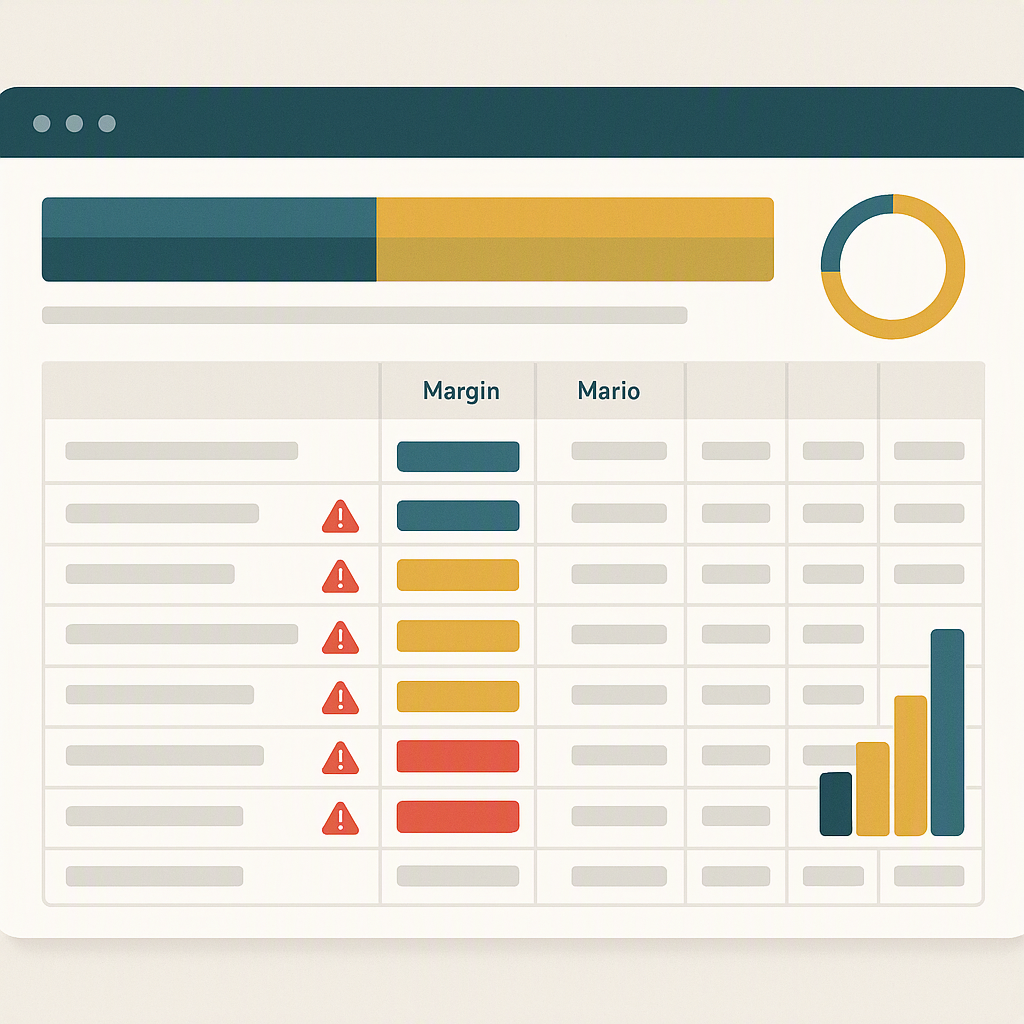
- Relying on Outdated Data: Using old rate schedules or missing updated material costs can harm your margins. JobNext’s rate analysis tools ensure pricing stays consistent.
- Skipping Variation Orders: Any change to a 'Contracted' BOQ should go through a formal variation order. Informal adjustments lead to disputes.
The Cost of Getting It Wrong
Not fixing your quantity takeoff workflow has consequences. Errors in BOQs can compound over time, leading to disputes, delays, and financial losses. Streamlining your workflow with structured BOQs and modern tools can help avoid these pitfalls and improve project outcomes.
If you're dealing with similar challenges, JobNext can help simplify your BOQ workflows and avoid costly mistakes. Get started free →
Learn more at EstimateNext