Are Hidden Costs Killing Your Margins?
Most contractors lose money before breaking ground. Why? Because their estimates aren’t just wrong—they’re incomplete. A 2023 McKinsey report found that 80% of construction projects face cost overruns, with errors in the Bill of Quantities (BOQ) being a leading culprit. If you’re still manually estimating project costs, you’re not just slow—you’re exposed.
The Problem with Manual Estimation
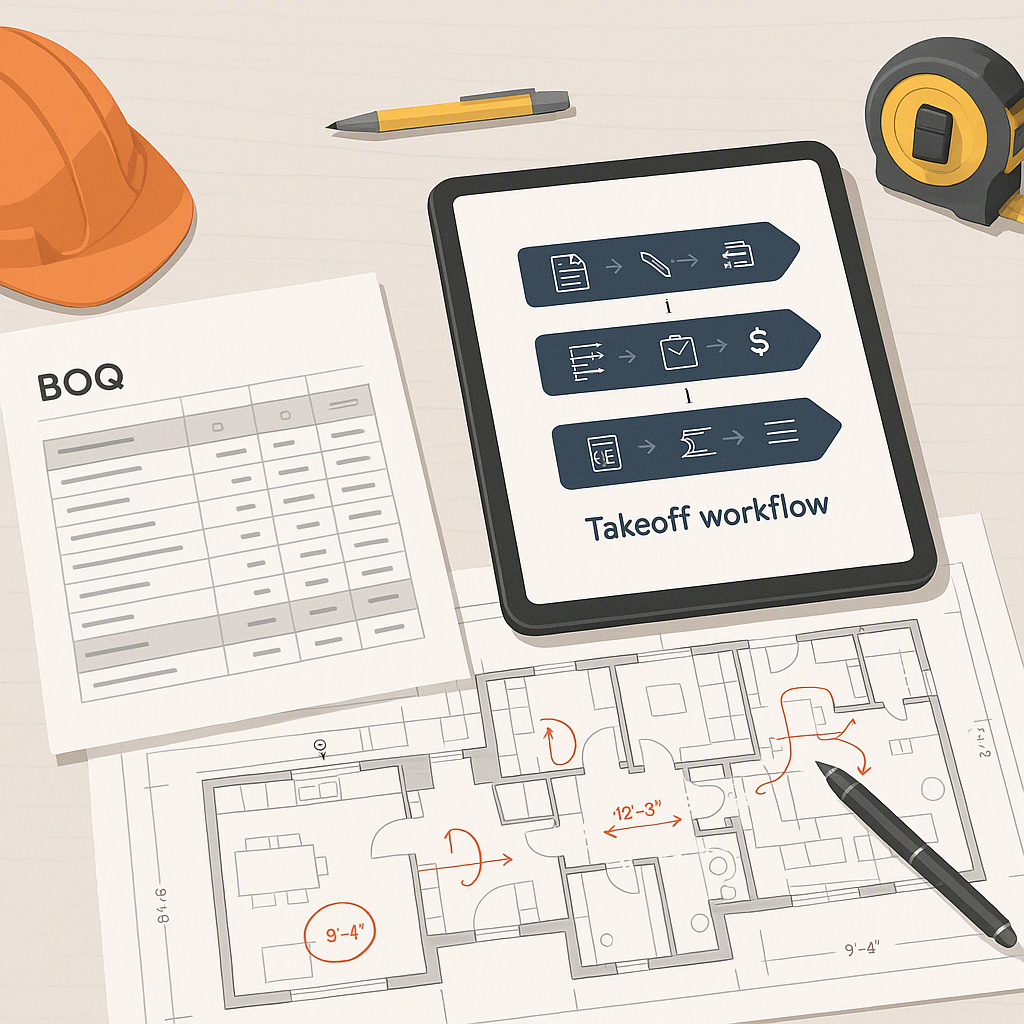
Let’s be blunt: manual estimation is a nightmare. A junior estimator spends hours flipping through rate books, matching 1,000+ BOQ items to CPWD schedules. One missed item? There goes your margin. And even if you get it right, you’re burning valuable time.
A blog on EstimateNext notes that AI-powered rate matching can process 78,000 rates in seconds—something no human can replicate. But speed isn’t the only issue. Manual processes are error-prone. Rates are misapplied, quantities are miscalculated, and overheads are often underestimated. By the time the inaccuracies surface (usually mid-project), it’s too late to recover.
Real-World Example: The ₹2 Crore Mistake
Consider a mid-size contractor who manually estimated a ₹100 crore infrastructure project. The estimator missed accounting for the rising costs of steel, which increased by 15% mid-project. This oversight resulted in ₹2 crore in unforeseen expenses, wiping out the project’s profitability. These types of mistakes are common when estimators rely on outdated processes.
How AI Estimation Software Fixes This
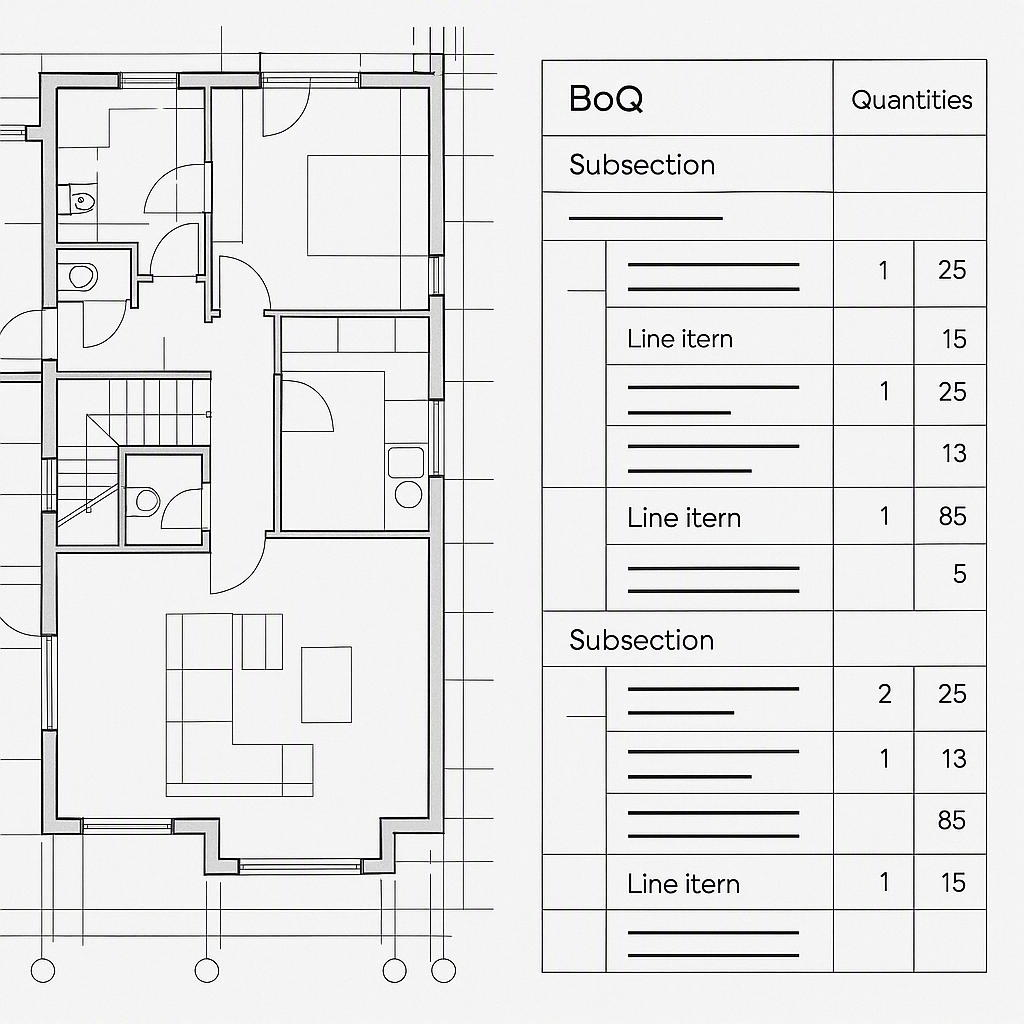
AI estimation tools don’t just guess—they calculate. Platforms like JobNext use bottom-up costing methods, breaking down every BOQ line into labor, material, plant, and subcontract costs. This ensures cost precision with transparent markup percentages.
Key Features That Make AI Estimation Effective
- Data-Driven Accuracy: AI tools pull from centralized rate schedules or historical project data to auto-populate BOQ items. No flipping through books, no guesswork. For example, JobNext uses government-approved CPWD schedules, ensuring estimates align with official rates.
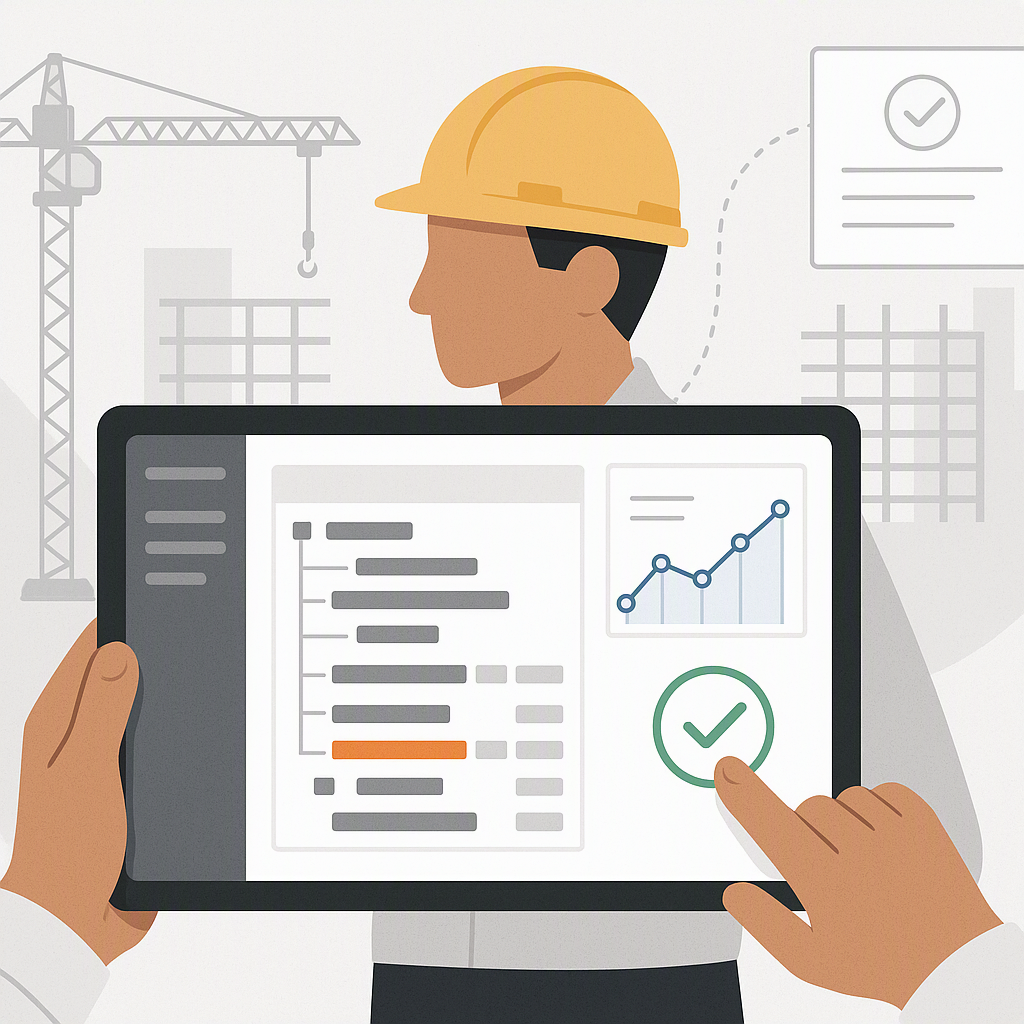
- Real-Time Adjustments: As project scopes change (and they always do), AI tools re-calculate estimates instantly. This prevents surprises that derail your budget mid-project.
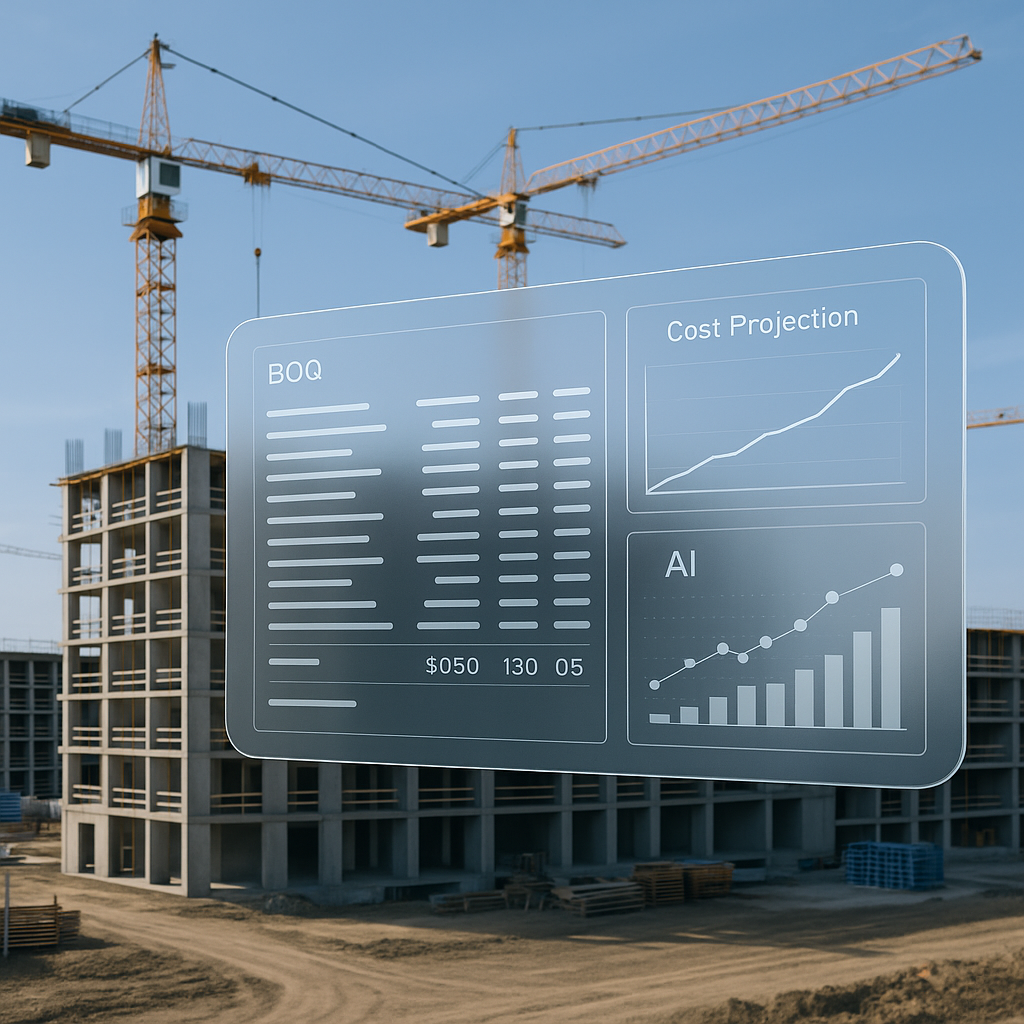
- Variance Analysis: JobNext’s BOQ Rate Analysis compares quoted rates, billing rates, and actual costs to flag discrepancies early. This feature saved a UAE-based contractor ₹25L by catching variances in subcontractor pricing before the bid was finalized.
Practical Steps to Implement AI Estimation
- Centralize Rate Schedules: Ensure your AI tool integrates with standardized rate schedules like CPWD or GCC government-approved lists.
- Train Your Team: AI tools are user-friendly, but proper onboarding ensures your estimators leverage all features.
- Audit Historical Projects: Use the AI tool to analyze past projects and identify recurring errors. By learning from past mistakes, you can prevent future overruns.
ROI: Time Saved is Money Earned
Here’s the math. On average, estimators spend 40 hours preparing a single bid using traditional methods. AI-powered tools can slash that to 10 minutes. For a contractor submitting 20 bids per month, that’s 800 hours saved. Translate that into labor costs, and you’re looking at ₹6,00,000+ saved annually—just on estimation.
Case Study: ₹15L Saved in Two Hours
An HVAC contractor in Oman switched to JobNext after struggling with manual estimates. One project involved a 2,500-item BOQ. Using JobNext’s Estimate-Based Quote method, they completed the bid in under two hours. The system flagged discrepancies in subcontractor rates, saving them a potential ₹15L in cost overruns. The result? A 12% increase in project margins.
Avoiding Cost Overruns
The bigger win? Avoiding cost overruns. A single missed BOQ line item can eat 10-15% of your profit margin. By automating estimates and catching errors upfront, AI tools like JobNext protect your bottom line.
Choosing the Right Tool: What to Look For
With dozens of options on the market, how do you pick the right AI estimation software? Here’s a checklist:
| Feature | Why It Matters | Example Use Case |
|---|---|---|
| BOQ Automation | Saves time; reduces human error. | Matching 78,000 rates in seconds. |
| Integration with Project Tools | Ensures seamless execution. | Syncing estimates with Primavera P6. |
| Rate Analysis | Flags cost overruns early. | Catching ₹25L in subcontractor errors. |
| Real-Time Updates | Adapts to scope changes instantly. | Re-calculating costs in live projects. |
| User-Friendly Interface | Reduces training time. | Intuitive dashboards for faster adoption. |
According to EstimateNext’s blog, tools that combine AI takeoffs with rate matching provide the best ROI. They’re not just fast; they’re accurate.
Practical Example: JobNext in Action
A mid-size HVAC contractor in Oman switched to JobNext after struggling with manual estimates. One project involved a 2,500-item BOQ. Using JobNext’s Estimate-Based Quote method, they completed the bid in under two hours. The system flagged discrepancies in subcontractor rates, saving them a potential ₹15L in cost overruns. The result? A 12% increase in project margins.
This isn’t an isolated case. JobNext’s variance analysis tools have helped contractors across GCC countries avoid millions in revenue leakage.
The Bottom Line
AI estimation tools are no longer optional—they’re essential. If you’re still relying on spreadsheets and gut instincts, you’re leaving money on the table. Tools like JobNext aren’t just faster; they’re smarter. They protect your margins, catch hidden costs, and give you a competitive edge.
FAQ
Q: How accurate are AI estimation tools?
A: Extremely accurate when fed high-quality data. They use historical rates, project data, and centralized schedules to eliminate guesswork.
Q: What’s the ROI on switching to AI tools?
A: For most contractors, the ROI is immediate. Savings from reduced labor hours and avoided cost overruns often cover the software cost within months.
Q: Can AI handle complex BOQs?
A: Yes. Tools like JobNext excel at multi-line BOQs with multiple resource types.
Q: What happens if the scope of the project changes mid-way?
A: AI tools re-calculate estimates in real-time, ensuring you stay on budget even as the scope evolves.
Q: Are AI tools difficult to learn?
A: Most tools, including JobNext, are designed to be user-friendly with intuitive interfaces. Training can be completed in under a week.
If you’re ready to stop bleeding margins, JobNext can help. Get started today →
Learn more at EstimateNext