What is the Best AI for Construction Estimating? A Practical Guide
If you're running multiple construction projects, you already know the pain points: missed quantities, outdated rate schedules, and scopes that bleed margin before execution starts. For contractors across trades—MEP, HVAC, interiors—the right AI estimating software isn't just a luxury. It's a valuable tool for efficiency and accuracy.
But let’s be honest. Most AI tools overpromise. They look great in demos but can struggle in the messy real world of concurrent projects, unpredictable labor markets, and vendor price swings. The question isn’t "What’s the best AI for estimating?" It’s "What’s the best AI for my trade and my problems?"
Here’s a practical breakdown to help you decide.
How AI Fits Into Construction Estimating
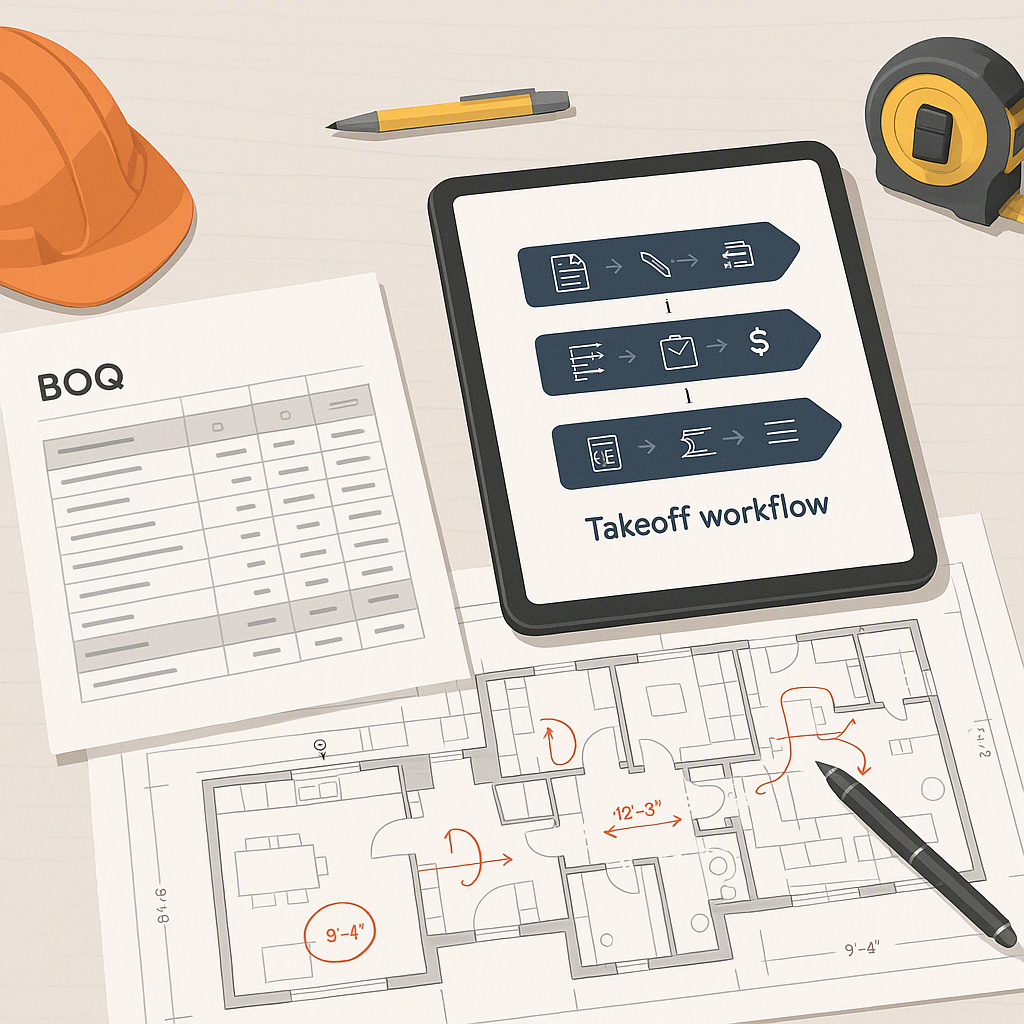
AI isn't magic. It automates repetitive, error-prone tasks like takeoffs, rate matching, and scope validation. But the value depends on how granular the tool gets—for example, splitting rates into labor, materials, and plant costs instead of lumping them into one sell rate.
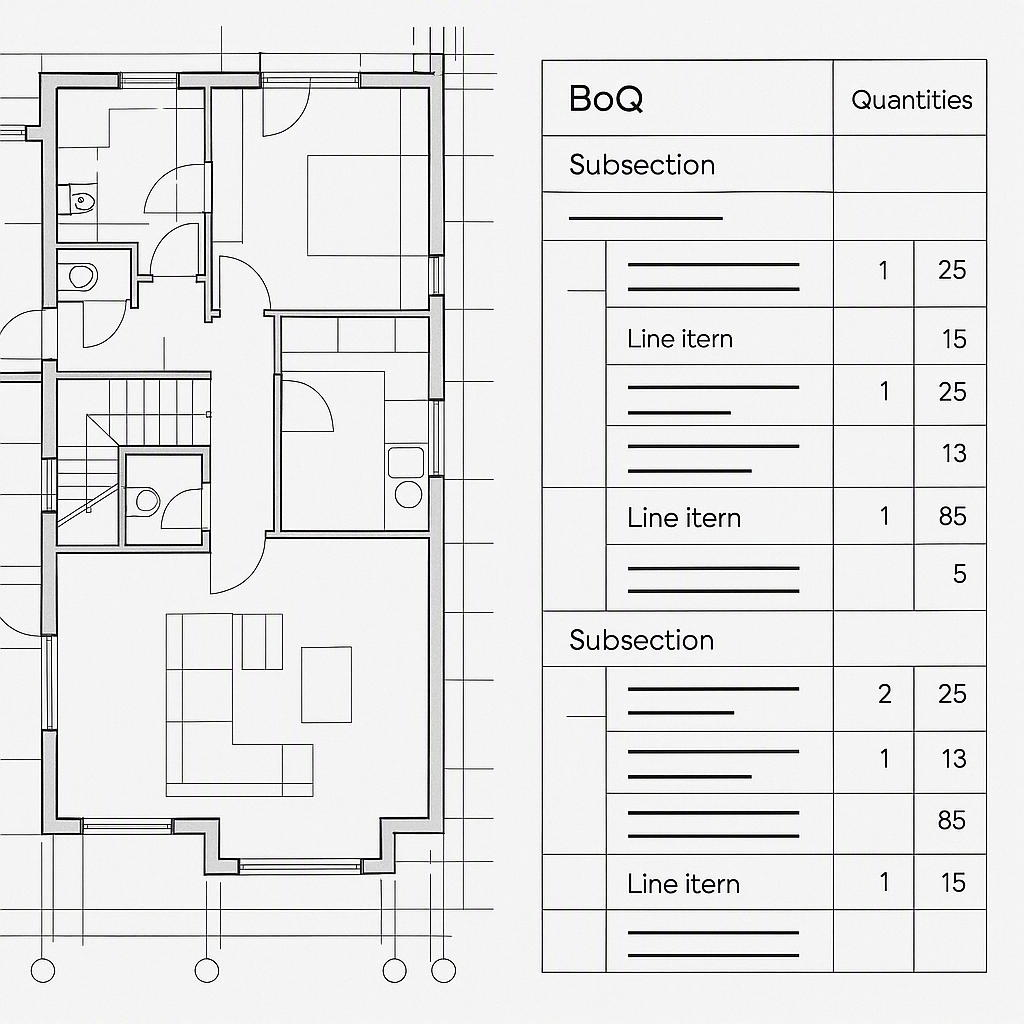
AI tools can help build bottom-up estimates by breaking down BOQs into factors like labor, material, plant, subcontract, and overhead. This level of detail ensures your estimates reflect real-world costs, not guesses. And because estimates feed directly into budgets and procurement workflows, you can avoid "phantom profits"—those that vanish when actual costs hit.
Trade-Specific Challenges (And How AI Solves Them)
No two trades estimate the same way. Let’s look at a few examples:
1. MEP Contractors: The Labor Cost Trap
Labor is everything in MEP. A small error in crew sizing or hourly rate assumptions can blow your margins. AI tools that integrate historical productivity data (like how long it took to install a specific quantity of ducting on a previous job) are invaluable. They help you estimate realistic crew sizes and durations.
What to Look For:
- Resource-based breakdowns (labor hours per task)
- Validation checks for unrealistic productivity assumptions
2. HVAC Installers: Equipment Dependencies
HVAC projects live and die by equipment costs. Missing a price update on a major unit—like a ducted split system—can turn a profitable job into a loss. AI tools with rate-matching features ensure your estimates always pull the latest vendor prices.
What to Look For:
- Real-time vendor integration
- Automated alerts for price changes on key equipment
3. Interior Fit-Out: Scope Creep Nightmares
Interior projects often suffer from scope creep—extra work demanded by clients without formal change orders. AI tools that track BOQs against executed work can flag when you're delivering more than was agreed.
What to Look For:
- Scope validation against BOQs
- Automated invoicing tied to progress measurements
Common AI Estimating Features (And What Actually Matters)
Every AI tool on the market claims to "improve accuracy" and "save time"—but those promises mean nothing without practical implementation. Here are the features that actually matter:
| Feature | Why It Matters |
|---|---|
| BOQ-Based Estimation | Ensures your costs are grounded in project-specific quantities, not generic rates. |
| Rate Schedules | Centralized rate management avoids inconsistent pricing across projects. |
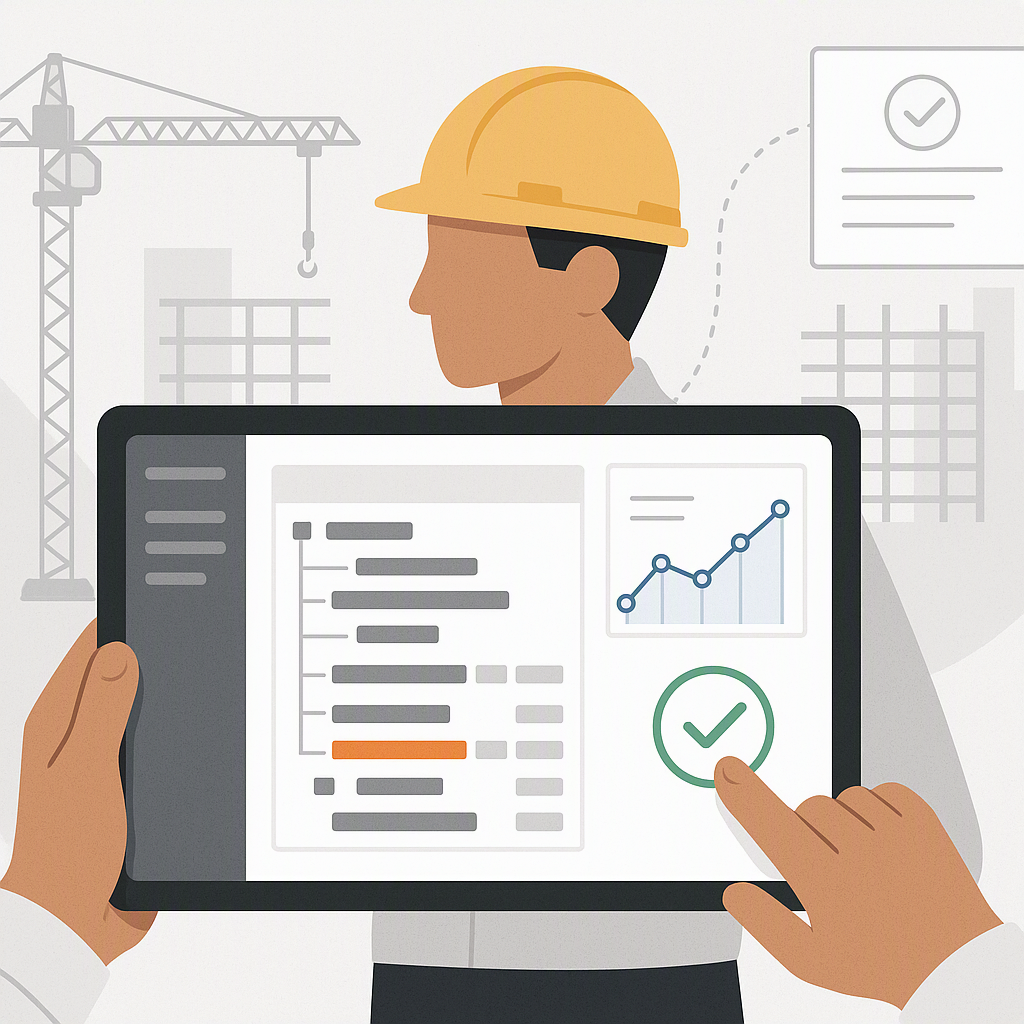
| Real-Time Dashboards | Lets you monitor estimate-to-budget variance before it’s too late. |
| Vendor Integration | Pulls live material/equipment prices, preventing outdated assumptions. |
| Approval Workflows | Enforces disciplined review processes, reducing errors from rushed estimates. |
Evaluating AI Tools: Practical Steps
-
Run a Test Estimate Take a small, real-world project and run it through the AI tool. Compare the output with your in-house estimates. Are the results usable? Or does the tool require extensive manual correction?
-
Check the Learning Curve Fancy features are useless if your team can’t figure them out. Look for tools designed with contractors in mind, featuring intuitive workflows like "Estimate → Approve → Ready for Quote."
-
Evaluate Integration Does the tool play well with your existing systems (e.g., Tally, SAP)? If it doesn’t, expect data silos and rework.
FAQ
Q: Can AI replace estimators?
A: No. AI is a tool, not a replacement. It speeds up calculations and reduces errors but still needs human oversight for judgment calls.
Q: How much do AI estimating tools cost?
A: Costs vary widely depending on features and user count. Many operate on a subscription model.
Q: Are free tools any good?
A: Free tools often lack trade-specific depth or integrations, making them risky for anything beyond simple jobs.
Conclusion
AI is reshaping construction estimating, but the "best" tool depends on your trade, project complexity, and internal workflows. Tools that offer granular BOQ-based estimation and integration with downstream processes like procurement and billing can provide significant value.
Need help improving your estimating process? Explore AI tools that align with your specific needs and challenges.
Learn more at EstimateNext