Understanding Accuracy in Construction Estimation
If you’ve spent any time in construction estimation, you’ve likely encountered discussions about accuracy percentages. But what does accuracy truly mean in this context? Let’s break it down. A margin of error in estimation refers to how close your predicted costs are to the actual project costs. For example, a smaller margin of error indicates a more precise estimate, which can help in better financial planning and decision-making.
Why Accuracy Matters (and Its Limitations)
Accurate estimates are critical for bidding and project execution. If your estimate is precise, you’re less likely to underbid and incur losses or overbid and lose the project. However, achieving high accuracy consistently is challenging due to factors like fluctuating material prices, labor inefficiencies, and unexpected delays.
Instead of chasing perfect accuracy, focus on consistency and reliability. Structured workflows and robust processes can help create estimates that are dependable, even if they aren’t perfectly precise.
The Structured Estimation Workflow
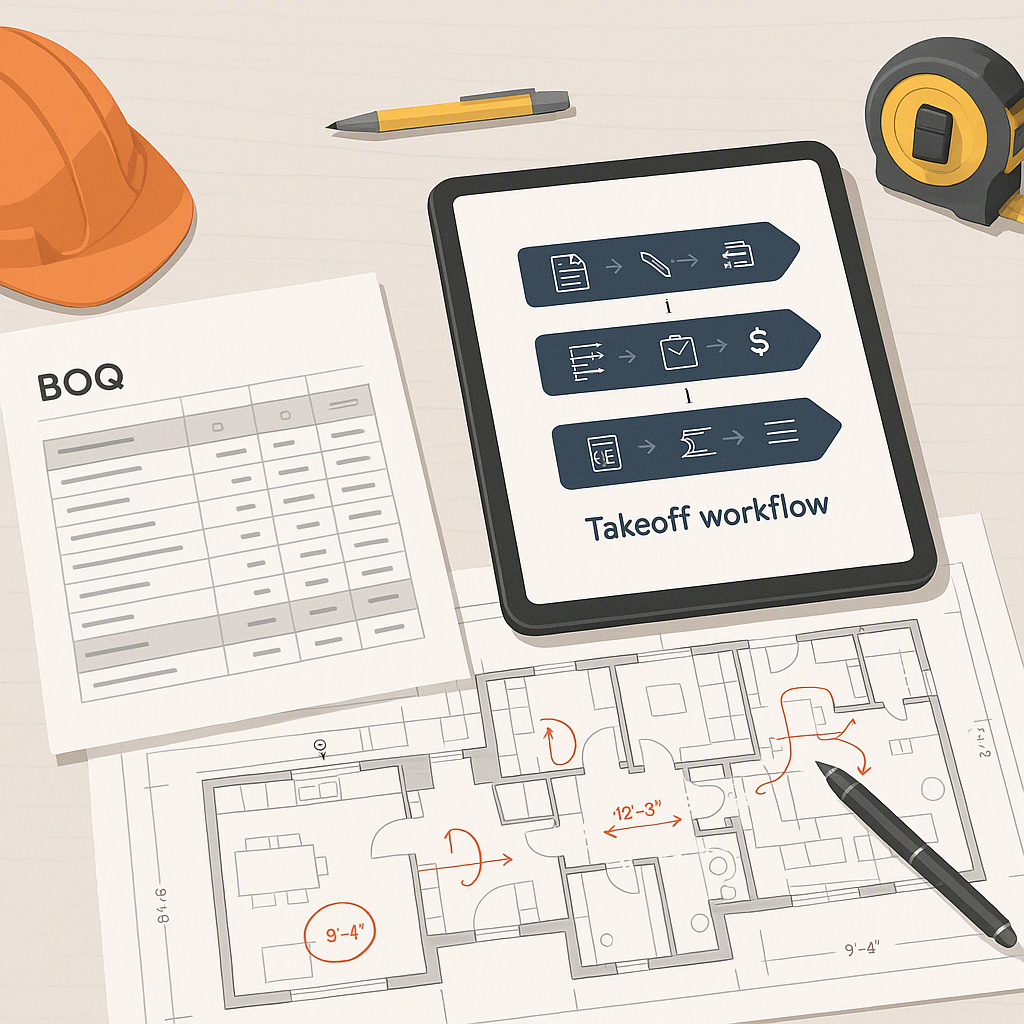
A structured workflow can significantly improve the reliability of your estimates. Here’s a general approach:
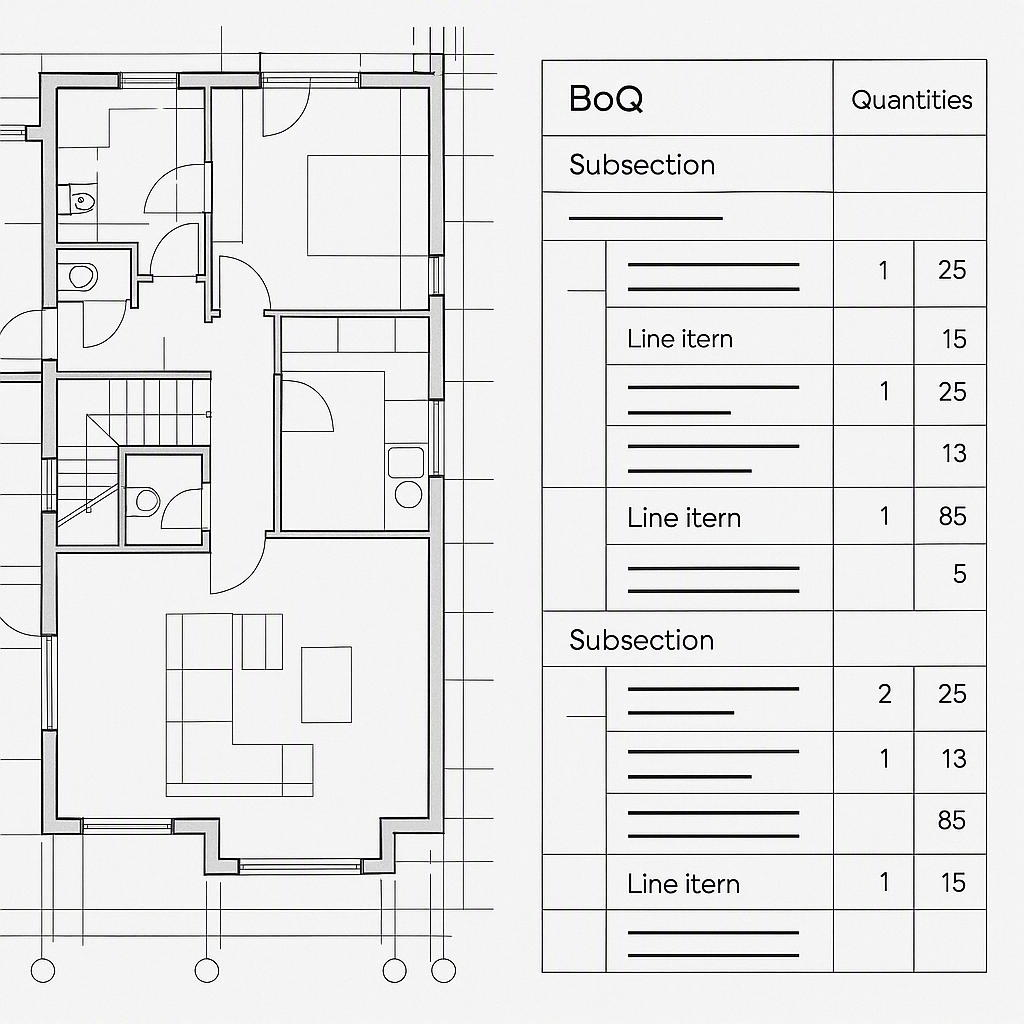
- Create: Start with a detailed Bill of Quantities (BOQ). Break down every item into components such as labor, materials, equipment, and subcontractor costs.
- Review: Cross-check quantities and rates. Use scheduled rates for recurring items to minimize manual errors.
- Approve: Submit the estimate through a multi-level approval process to catch potential errors.
- Monitor: Track actual costs against the estimate during project execution to identify variances early.
This workflow ensures that your estimates are not only accurate but also resilient to unexpected changes.
Common Mistakes That Affect Accuracy
Here are some common pitfalls that can undermine the accuracy of your estimates:
- Outdated rate schedules: Regularly update material and labor rates to reflect current market conditions.
- Ignoring wastage: Account for material wastage to avoid underestimating costs.
- Skipping site surveys: Ensure that your quantities align with actual site conditions.
- Rushing approvals: A thorough review process can catch errors before they impact your project.
Why Precision Matters More Than Perfection
No estimate can be 100% accurate. The goal is to create estimates that are precise enough to guide decision-making and adaptable to changes. Structured workflows, reliable rate schedules, and real-time monitoring are more effective than striving for arbitrary accuracy percentages.
FAQ
Q: Can I achieve consistent accuracy in estimates?
A: Consistent accuracy is achievable with structured workflows. However, market fluctuations and unforeseen events make perfect accuracy unrealistic.
Q: Are automated tools worth the investment?
A: Yes, especially for managing multiple projects. Automation reduces manual errors and provides better data visibility.
Q: What’s the best way to validate an estimate?
A: Use a multi-level approval process. Have site engineers verify quantities and procurement teams review rates.
Q: How do I prevent margin erosion after the bid?
A: Monitor actual costs against estimates regularly. Early detection of variances can help mitigate risks.
Q: Should I include contingencies in my estimate?
A: Yes, including a contingency buffer can protect against unexpected costs without inflating your bid.
Final Thoughts
Accuracy in construction estimation is important, but it’s not the only factor. Structured workflows, consistent processes, and real-time monitoring are key to creating reliable estimates. By focusing on these elements, you can improve your project outcomes and protect your margins.
Learn more at EstimateNext