Top Challenges Facing Indian FM Companies—and How ERP Fixes Them
Facilities management (FM) in India isn’t easy. It’s a high-pressure balancing act between cost control, compliance, and client satisfaction. Add multi-site operations and disconnected systems to the mix, and it’s no surprise that margins often disappear into thin air. In this article, we’ll break down the biggest challenges FM companies face and explore how ERP tools can tackle them—without the fluff.
1. Margin Erosion from Poor Cost Tracking
If you’re running FM operations, you already know how quickly costs spiral out of control. A missed vendor invoice here, an unapproved purchase there—it adds up. Most FM companies rely on spreadsheets or basic accounting software that doesn’t connect costs to budgets in real time. That’s the first mistake.
Why Poor Cost Tracking Is a Silent Margin Killer
Margins in FM are razor-thin. When costs aren’t tracked properly, overspending becomes inevitable. For example:
- Untracked vendor invoices: Without a system to match invoices to purchase orders, payments can exceed actual budgets.
- Unapproved purchases: Employees often bypass approval workflows, leaving managers unaware until budgets are exceeded.
- Hidden indirect costs: Things like equipment downtime or inefficient subcontractor management often go unnoticed.
How ERP Fixes It
ERP systems like JobNext enforce budget discipline. Here’s how:
- Real-time cost tracking: Every purchase request, subcontractor payment, and equipment hire is validated against approved budgets. No approval? No transaction.
- Budget alerts: JobNext offers real-time notifications for margin erosion. Managers can see cost overruns before they spiral out of control.
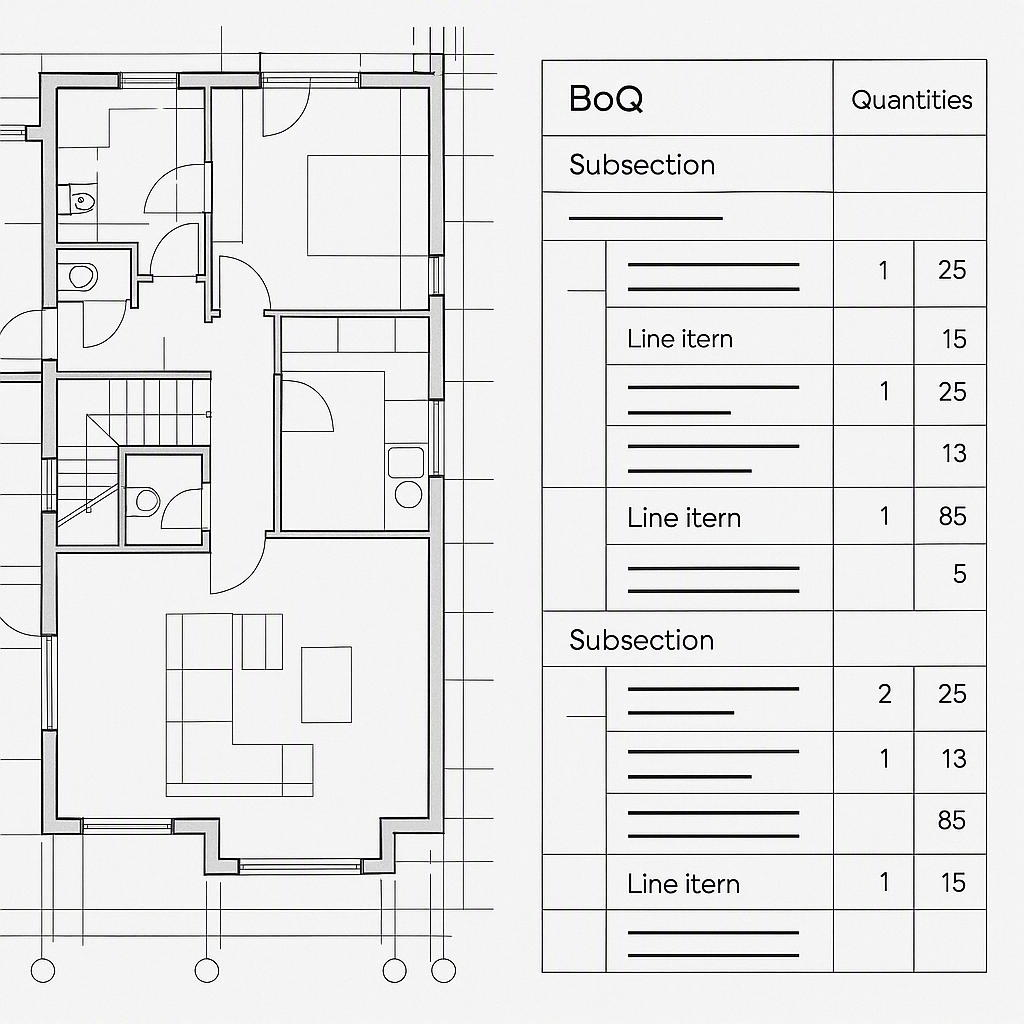
- Granular visibility: Track costs at the BOQ (Bill of Quantities), scope, and project estimate levels.
Actionable Steps:
- Centralize cost tracking: Eliminate spreadsheets and use an ERP to track all expenses in one system.
- Set approval workflows: Ensure that every expense requires a manager’s sign-off.
- Use alerts: Set up automated notifications to catch margin erosion early.
2. Disconnected Systems Create Chaos
Many FM companies juggle half a dozen tools—one for billing, another for payroll, yet another for procurement. The result? Lost information, manual re-entry, and a headache for everyone involved.
Why Disconnected Systems Are Problematic
Disconnected systems lead to inefficiencies such as:
- Missed deadlines: When billing doesn’t sync with project progress, invoices are delayed.
- Data errors: Manual re-entry between systems increases the risk of mistakes.
- Compliance risks: Payroll and tax filings often slip through the cracks.
How ERP Fixes It
A unified ERP like JobNext replaces 6–8 tools with one platform. Key features include:
- Centralized data: Tendering, procurement, HR, billing, and equipment tracking are all integrated.
- Role-based access control: Everyone sees only the data they need, reducing clutter.
- Automated workflows: Information flows seamlessly from one module to another, eliminating manual re-entry.
Actionable Steps:
- Audit your systems: Identify how many tools you’re using and where data silos exist.
- Choose an ERP with modular functionality: Ensure it covers procurement, HR, billing, compliance, and project tracking.
- Train your team: Help employees understand the benefits of centralized workflows.
3. Compliance Gaps (GST/TDS, Statutory Deductions)
Indian FM companies face a mountain of compliance requirements: GST filings, TDS deductions, statutory payroll compliance (PF, ESI), and more. Forgetting even one deadline can lead to penalties—or worse, legal trouble.
Why Compliance Is So Complex
Indian laws are stringent, with frequent changes in tax rules and labor regulations. Common challenges include:
- GST errors: Incorrect tax computations can lead to audits.
- TDS mistakes: Failure to deduct proper amounts triggers penalties.
- Payroll compliance: Missing PF/ESI filings not only costs money but damages employee relations.
How ERP Fixes It
ERP systems automate compliance. JobNext handles:
- GST/TDS auto-computation: Tax calculations are error-free.
- Statutory reporting integration: Sync with Tally for real-time statutory reporting.
- Bank guarantee tracking: Never miss important deadlines.
Actionable Steps:
- Automate tax compliance: Use ERP tools to compute GST/TDS automatically.
- Track filing deadlines: Set up reminders for PF, ESI, and other statutory requirements.
- Integrate systems: Use ERP modules that sync with statutory reporting tools.
4. Multi-Site Workforce Complexity
Managing staff across multiple sites and camps is like herding cats. Attendance tracking doesn’t sync with payroll, leave policies vary by client, and allocating staff efficiently feels impossible.
Why Multi-Site Management Is Challenging
- Attendance tracking: Manual methods are prone to fraud.
- Payroll mismatches: Disconnected systems lead to errors.
- Staff allocation: Without real-time visibility, resource planning suffers.
How ERP Fixes It
JobNext simplifies multi-site workforce management:
- Centralized tracking: Attendance, payroll, leave, and staff allocation are unified.
- Geo-location attendance: Their AttendanceNext app tracks workers’ locations in real time.
- Cross-site visibility: Managers can instantly see where staff are located and what they’re working on.
Actionable Steps:
- Adopt geo-attendance tools: Use apps for real-time workforce tracking.
- Standardize leave policies: Centralize rules to reduce discrepancies.
- Plan allocations: Use ERP dashboards to optimize staffing across sites.
Practical Example: Revenue Leakage in Billing
Billing errors are another silent killer of FM margins. From missed RA bills to incorrect stage-wise invoices, it’s easy to lose track of what’s owed. Many FM companies don’t even realize they’re underbilling until the client disputes an invoice.
How ERP Fixes It
ERP tools prevent revenue leakage by structuring billing workflows. JobNext supports six billing methods, including stage-wise, monthly, supply BOQ, and combined billing. No piece of completed work falls through the cracks.
Actionable Steps:
- Standardize billing workflows: Use ERP features to structure invoices.
- Automate reminders: Set up alerts for due bills.
- Track progress: Match completed work to billing milestones.
FAQ: Common Questions About ERP in FM
Q: Is ERP overkill for small FM companies? A: No. Small companies benefit the most from automation because they don’t have dedicated staff for every function. ERP systems scale to your needs.
Q: What’s the ROI of implementing ERP? A: The ROI depends on your current inefficiencies. For FM companies losing margins to billing errors and compliance risks, the savings can be significant.
Q: How long does ERP implementation take? A: Implementation varies, but JobNext’s documentation shows that most modules can go live in under three months.
Q: Can ERP handle GCC VAT alongside Indian GST? A: Yes. JobNext supports dual GST for Indian operations and GCC VAT, making it ideal for FM companies operating across borders.
Q: Do we need to replace all our tools? A: Not necessarily. Many ERP systems integrate with existing tools, so you can keep essential software while centralizing operations.
Comparison Table: Standalone Tools vs ERP
| Feature | Standalone Tools | ERP Systems |
|---|---|---|
| Cost Tracking | Fragmented spreadsheets | Real-time centralized |
| Workforce Management | Manual | Geo-attendance enabled |
| Compliance Automation | Limited | Fully automated |
| Multi-Site Visibility | Disconnected | Unified dashboard |
| Billing Workflows | Error-prone | Structured and automated |
Key Takeaway
Indian FM companies face unique challenges—margin erosion, disconnected systems, compliance gaps, and workforce complexity. ERP tools like JobNext offer practical solutions to these problems, from real-time cost tracking to automated compliance. It’s not magic, but it’s close.
If you’re struggling with these challenges, JobNext can help. Get started today.
Learn more at EstimateNext