The Problem: Why Contractors Bleed Margins on Bid Markups
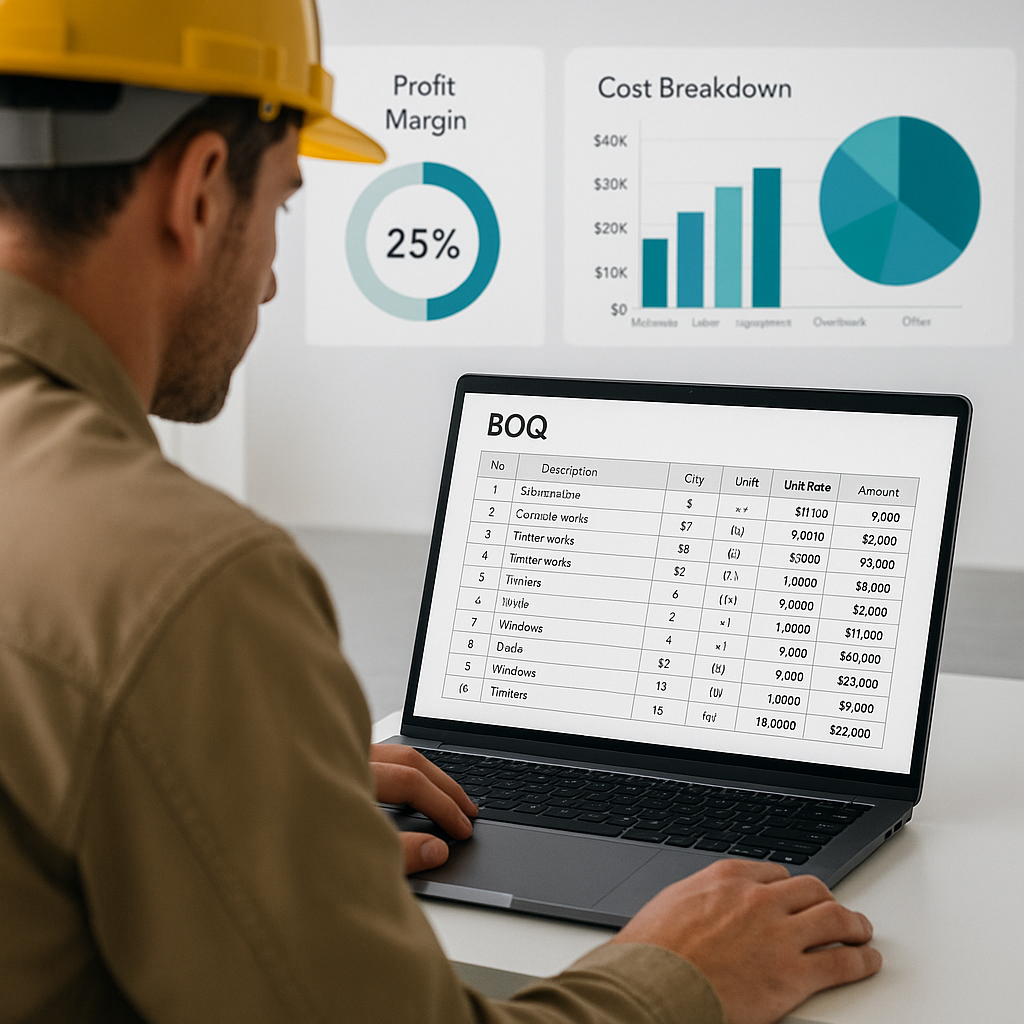
Markup isn’t profit, but too many contractors treat it like it is. You might think, “I’ll add 10%, and we’re good.” But that 10% often vanishes under labor overruns, material price hikes, or underestimated overheads. The result? Your project looks profitable on paper, but your actual margins are razor-thin—or worse, negative.
In my experience, the biggest culprits are:
- Guesswork in markup percentages: Not tying markup to actual cost breakdowns.
- Ignoring variable costs: Labor hours, material wastage, and equipment downtime add up fast.
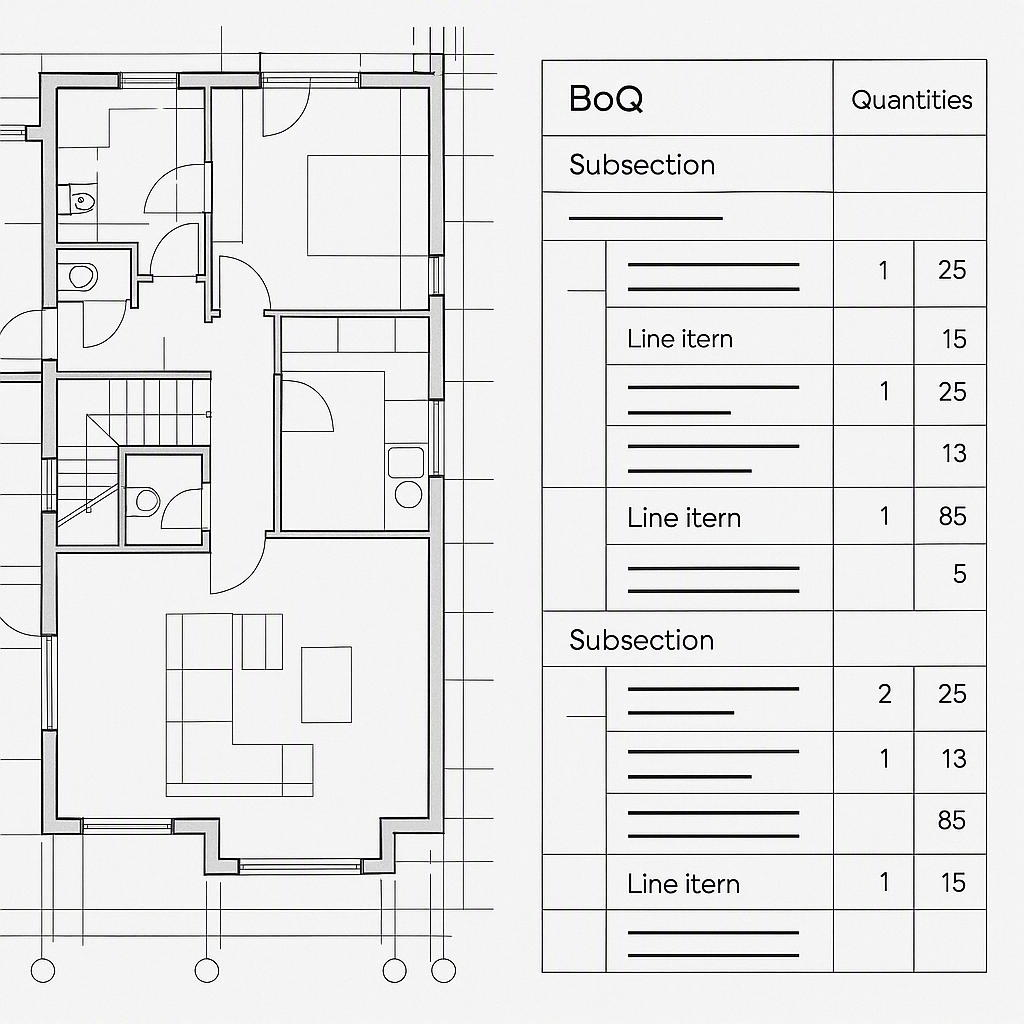
- Skipping detailed BOQ analysis: Many contractors don’t track profitability at the line-item level.
So how do you fix it? You need a formula. And you need a system to stick to it.
Step 1: Start with Your True Costs
Let’s be clear: you can’t calculate markup if you don’t know your true costs. This means breaking down every resource in your Bill of Quantities (BOQ):
Actionable Steps to Find True Costs:
-
Labor Costs:
- Calculate the real hourly wages for workers, including overtime, benefits, and payroll taxes.
- Factor in productivity losses (e.g., delays due to weather or mismanagement).
- Example: A ₹500/hour worker costs ₹650/hour when you include benefits and potential idle time.
-
Material Costs:
- Account for wastage percentages (e.g., 5%-10% for concrete).
- Include delivery fees, handling costs, and potential price escalations.
- Example: Steel prices rose by 12% in 2022 (source). If you didn’t account for this, your margins would shrink.
-
Equipment Costs:
- Include depreciation and rental costs for machinery.
- Factor in idle days—equipment sitting on-site without being used still costs you.
-
Subcontractor Costs:
- Ensure subcontractor quotes are fixed and detailed.
- Example: If a subcontractor’s scope changes mid-project, their fees can rise by 15%-20%. Build buffer costs into your markup.
-
Overheads:
- Include indirect costs like insurance, compliance, site offices, utilities, and management salaries.
- Example: A ₹5 crore project might have ₹50 lakh in overheads.
Case Study: ₹2 Crore Residential Project
On a residential construction project:
- Labor: ₹60 lakh
- Materials: ₹1 crore (factoring in wastage)
- Equipment: ₹10 lakh
- Subcontractors: ₹20 lakh
- Overheads: ₹10 lakh
Total true cost: ₹2 crore. Without this breakdown, you risk underbidding and bleeding margins.
Step 2: Calculate the Right Markup Percentage
Here’s the formula most contractors overlook:
Markup % = (Desired Profit + Overheads) ÷ (Total Direct Costs)
Example Calculation:
Let’s say:
- Desired profit: ₹10,00,000
- Total overheads: ₹2,00,000
- Total direct costs (labor, materials, etc.): ₹20,00,000
Your markup percentage would be: (₹10,00,000 + ₹2,00,000) ÷ ₹20,00,000 = 60%
This isn’t guesswork—it’s a calculated percentage tied to your actual costs.
Actionable Tip:
Adjust your profit margins based on project complexity. High-risk projects (e.g., tight deadlines, volatile materials) might need a higher profit buffer.
Comparison Table: Flat Markup vs. Calculated Markup
| Flat Markup | Calculated Markup |
|---|---|
| Based on intuition or guess | Tied to actual costs |
| Ignores risk profiles | Adjusts for complexity |
| Leads to inconsistent margins | Protects profitability |
Step 3: Apply Markup at the BOQ Level
Applying a flat markup across all BOQ items might seem simple, but it’s a recipe for disaster. Different items carry different risks, and your markup needs to reflect that.
Example: ₹5 Crore Interior Fit-Out Project
Let’s say you’re bidding on an interior fit-out project:
BOQ Breakdown:
- Labor-intensive items (e.g., masonry): 35% markup
- Supply-only items (e.g., steel): 20% markup
- High-risk items (e.g., custom fixtures): 40% markup
Why Variable Markups Matter:
Labor-intensive items have higher risks due to delays, so they need higher markups. Supply-only items often have fixed vendor quotes, making them lower risk.
Tools to Help:
Platforms like JobNext let you:
- Apply variable markups.
- Flag BOQ items with negative margins during execution.
Step 4: Validate Your Markup with Market Rates
Even the best markup formula won’t save you if your bid is wildly out of sync with market rates. Benchmarking is critical.
Actionable Steps:
-
Competitor Analysis:
- Research competitor bids on similar projects.
- Example: If competitors bid at ₹5 crore for a project, your ₹6 crore bid might price you out.
-
Historical Data:
- Compare your bid to past projects of similar scope.
-
Industry Rate Schedules:
- Use government or industry-standard schedules (e.g., CPWD rates in India).
Example Tool:
EstimateNext scans 78,000+ rate matches in seconds, ensuring your rates are competitive.
Step 5: Monitor Margins During Execution
Even with a perfect bid, execution can kill your margins. Scope changes, vendor delays, or labor inefficiencies can erode profits if you’re not tracking costs in real time.
Weekly BOQ Margin Reviews:
Tools like JobNext make it easy to:
- Compare contracted values against actual costs.
- Flag negative-margin BOQ items for early intervention.
Real-World Example:
On a ₹5 crore project, weekly reviews flagged a ₹10 lakh labor overrun, allowing the contractor to adjust subcontractor schedules and avoid further delays.
FAQ Section
Q1: How do I adjust markup for high-risk projects? A: Increase profit margins for items prone to delays, price hikes, or scope changes. Build buffers into your markup.
Q2: How do I handle subcontractor cost escalations? A: Negotiate fixed quotes upfront and include escalation clauses in contracts. If scope changes, adjust your markup immediately.
Q3: Should I always use variable markups? A: Yes. Flat markups ignore item-specific risks. High-risk items need higher markups to protect your margins.
Q4: What’s the best way to validate my bid against the market? A: Use benchmarking tools like EstimateNext to compare rates across competitors and industry standards.
Q5: How often should I review BOQ margins during execution? A: Weekly reviews are ideal. This ensures you catch overruns early before they spiral out of control.
Conclusion: Stop Guessing, Start Calculating
Markup isn’t magic—it’s math. By breaking down true costs, applying calculated markups, and monitoring margins during execution, you can bid smarter and stop bleeding profits. Tools like JobNext and EstimateNext simplify the process, giving you real-time insights into costs and competitive rates.
If you’re tired of losing money on bids, give JobNext a try. It’s designed to help contractors like you calculate costs, apply precise markups, and monitor margins in real time. Get started free →
Learn more at EstimateNext