Why Markup Isn’t Margin (And Why It Matters)
Let’s start with an uncomfortable truth: most contractors get markup wrong. They think a 20% markup means a 20% profit margin. It doesn’t. That misconception is slowly eroding your project margins—job after job, bid after bid.
Misunderstanding the difference between markup and margin isn’t just a math problem. It’s a profitability problem. If you consistently miscalculate your markup, you could be eating into your profits without even realizing it.
In this expanded guide, we’ll break down the critical differences between markup and margin, show you how to apply the right calculations, and help you avoid common pitfalls that threaten your profitability. We’ll also provide actionable steps, real-world examples, and a FAQ section to address common contractor concerns.
The Brutal Math of Miscalculated Markup
Here’s the brutal math. Imagine you estimate a project will cost ₹10 lakh. You add a 20% markup, assuming ₹2 lakh will be your profit. But that’s not how it works. A 20% markup on ₹10 lakh leads to a total bid price of ₹12 lakh. Your actual profit margin? Just 16.7%. That’s because profit margin is calculated as profit divided by revenue, not cost.
To illustrate, here’s the calculation step-by-step:
- Project Cost: ₹10 lakh
- Markup (20%): ₹2 lakh
- Total Bid Price: ₹12 lakh (₹10 lakh + ₹2 lakh)
- Profit Margin: (Profit ÷ Revenue) x 100 = (₹2 lakh ÷ ₹12 lakh) x 100 = 16.7%
This miscalculation may not seem like a big deal on one project, but if you’re consistently applying the wrong markup percentage, the cumulative losses could be devastating.
Real-World Example: A Contractor’s Markup Misstep
Take a medium-sized contractor bidding on a ₹1 crore project. They apply a 15% markup, expecting a ₹15 lakh profit. Their total bid price is ₹1.15 crore. However, their actual profit margin is just 13.04%, not 15%.
Over the course of 10 similar projects in a year, this contractor could lose ₹20 lakh in expected profits. That’s the cost of miscalculating markup.
The Formula You Need
To calculate markup correctly without losing margins, here’s the formula:
Markup (%) = (Profit Margin ÷ (1 - Profit Margin)) x 100
Let’s say you want a 20% profit margin:
Markup = (0.20 ÷ (1 - 0.20)) x 100 = 25%
So, you should be adding a 25% markup, not 20%. If your project costs ₹10 lakh, your bid price should be ₹12.5 lakh, ensuring your actual profit margin is 20%.
Actionable Steps to Apply the Formula
- Define Your Target Margin: Decide on your desired profit margin (e.g., 20%).
- Use the Formula: Use the formula above to calculate the correct markup percentage.
- Double-Check Your Bid Price: Apply the markup to your project cost and verify that the resulting profit margin matches your target.
- Automate Calculations: Use tools like Excel or specialized construction software to ensure accuracy.
Comparison Table: Markup vs. Margin at Different Levels
| Target Profit Margin | Required Markup Percentage |
|---|---|
| 10% | 11.1% |
| 15% | 17.6% |
| 20% | 25% |
| 25% | 33.3% |
| 30% | 42.9% |
How BOQ Errors Destroy Margins
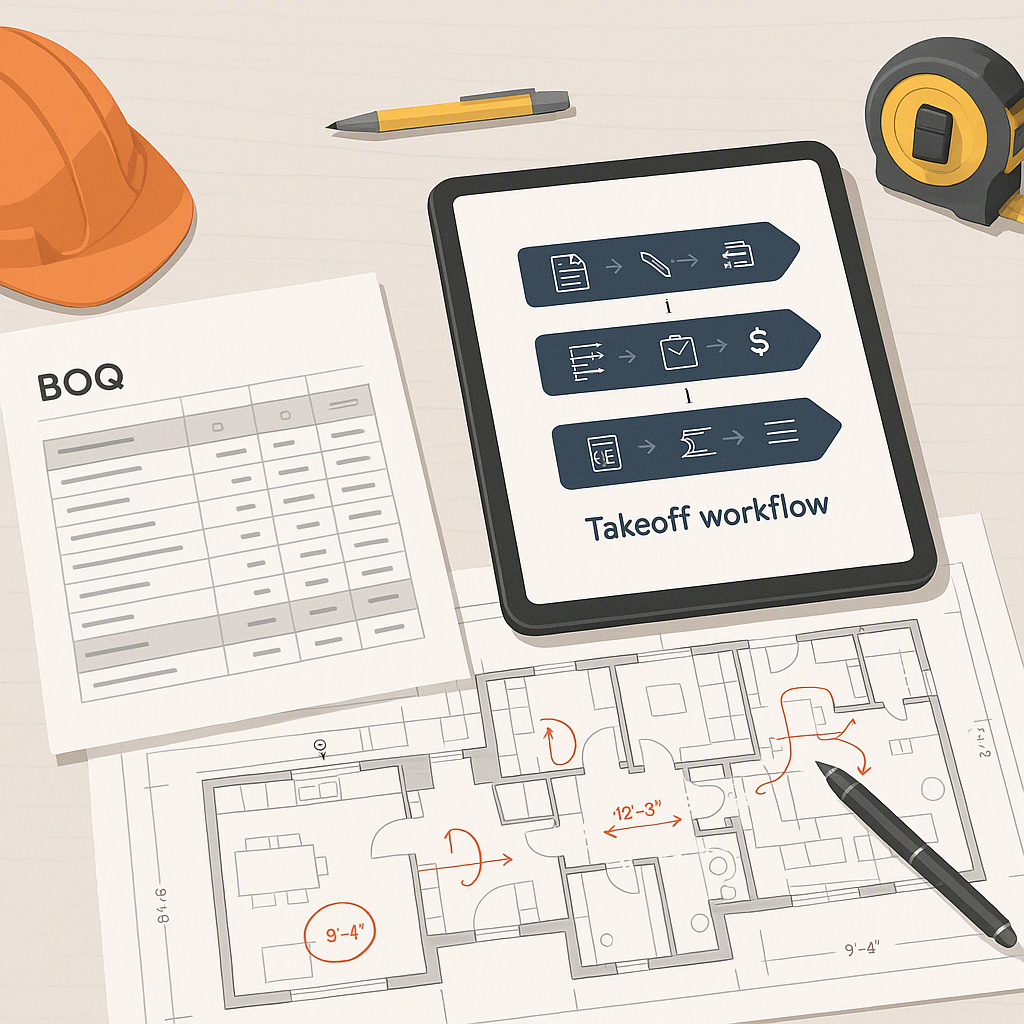
Even if you calculate markup correctly, bad Bill of Quantities (BOQ) estimates can wreck your margins before the project starts. If your BOQ underestimates material costs or labor hours, the project will overrun—and you’ll eat the difference.
What Is a BOQ, and Why Does It Matter?
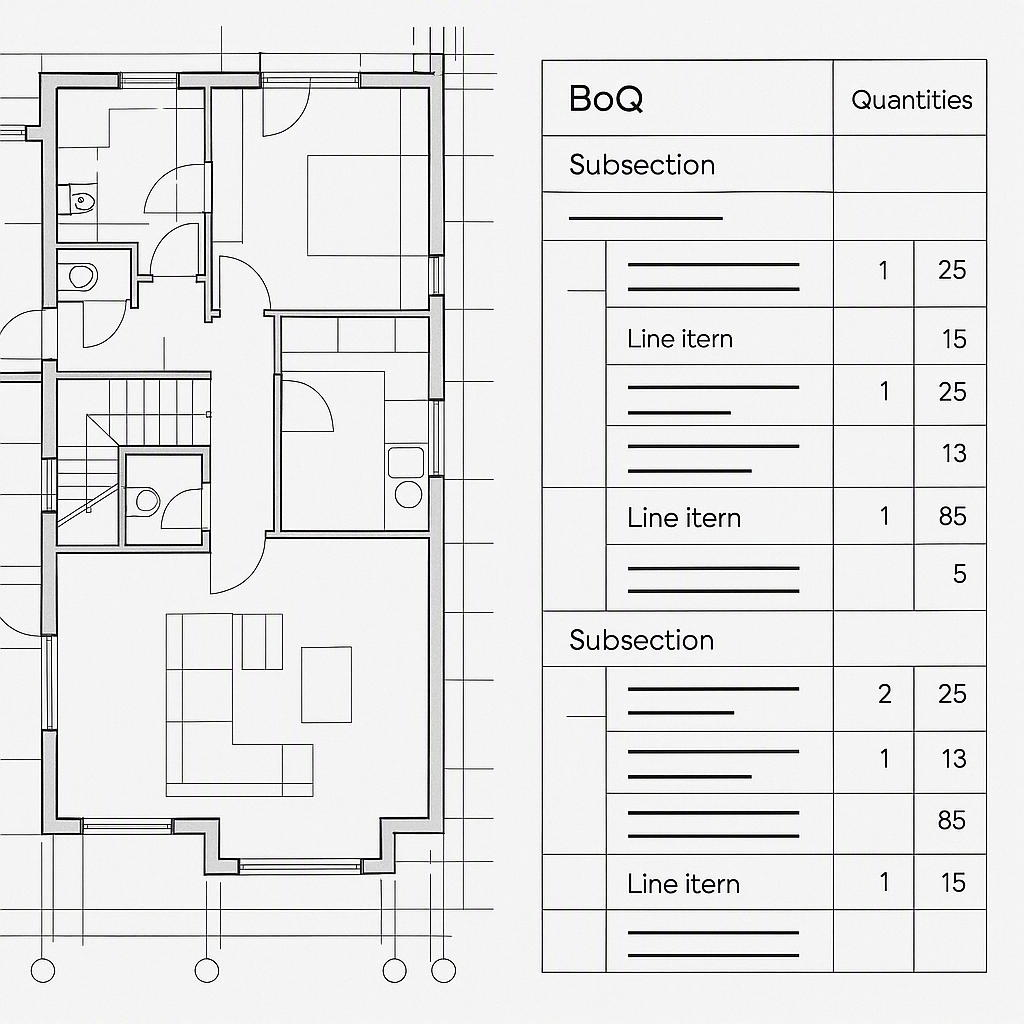
A BOQ is a detailed list of all the materials, labor, and other resources required for a construction project. It’s the foundation of your cost estimate and bid price. If your BOQ is inaccurate, your entire bid is flawed.
Data Point: Margin Erosion Due to BOQ Errors
A 2023 McKinsey report found that 80% of construction margin erosion starts with inaccurate preconstruction estimates. Common errors include:
- Incorrect material quantities
- Unrealistic labor hour estimates
- Overlooked overhead costs
Solution: Use AI-Powered Tools for BOQ Preparation
Tools like EstimateNext’s AI-powered rate matching can make a huge difference. Their software slashes manual BOQ preparation from 40 hours to 10 minutes, ensuring estimates are precise and consistent. Learn more here →
How JobNext’s Estimate-Based Quote Protects Margins
If you’re managing large, complex projects, JobNext’s Estimate-based Quote method is a game-changer. Unlike simple markup tools, this method breaks down costs into five resource factors:
- Labor
- Materials
- Machines
- Subcontractors
- Overhead
Each factor is linked to BOQ items, ensuring every line item is accounted for.
Why This Matters
- Precision in Cost Build-Up: You’re not just guessing at a markup percentage. You’re calculating it based on real costs.
- Scope Association: Because estimates are tied directly to BOQ scopes, you can catch discrepancies early—before they eat into your margins.
- Transparency for Clients: Clients can see a detailed breakdown of costs, making your bid more competitive and professional.
Case Study: JobNext in Action
A regional contractor using JobNext reduced margin erosion by 15% on average across 12 projects in 2022. By linking BOQ items to labor and material costs, they identified scope mismatches early and renegotiated with clients before costs spiraled.
Why Monitoring BOQ Margins Weekly Is Non-Negotiable
Even the best estimates can’t predict every scope change or procurement cost overrun. That’s why you need to monitor BOQ margins weekly—at minimum.
How to Monitor BOQ Margins
- Use Weekly Reports: Tools like JobNext’s BOQ Margin report can help. This report compares contracted BOQ values against actual costs for labor, materials, machines, subcontractors, and overhead.
- Identify Red Flags Early: If any BOQ item shows a negative margin, investigate immediately.
- Adjust Estimates: Use insights from your margin reports to improve future estimates and bids.
Real-World Example: Weekly BOQ Monitoring
A contractor noticed negative margins on a ₹50 lakh project during their weekly review. The issue? Material costs had spiked 15% due to a supply chain disruption. By flagging the problem early, they renegotiated the scope with the client, recovering ₹7 lakh in additional costs.
FAQs
1. What’s the difference between markup and margin?
Markup is the percentage added to your costs to determine your selling price. Margin is your profit expressed as a percentage of revenue. They’re not the same—and mixing them up can cost you.
2. How do I handle scope changes during a project?
Use tools like JobNext’s BOQ Margin report to flag discrepancies early. Renegotiate the scope with the client before margins erode further.
3. Can AI tools really improve BOQ accuracy?
Yes. AI-powered systems like EstimateNext automate rate matching and BOQ preparation, reducing manual errors and saving hours. Learn more here →
4. What if my markup seems too high?
If your markup feels excessive, revisit your cost build-up. Tools like JobNext’s Estimate-based Quote can help you justify every cost line item, making your bid more competitive.
5. How often should I review project margins?
Weekly at minimum. Regular reviews help you identify and address issues before they escalate, protecting your profits.
Final Thoughts
Stop bleeding margins because of bad math or sloppy estimates. Tools like JobNext and EstimateNext are designed to help contractors calculate markup correctly, monitor margins, and avoid costly errors. If you’re serious about protecting your profits, it’s time to upgrade your process.
Get started with JobNext today →
Learn more at EstimateNext