Why Estimation Accuracy Matters
Bad estimates can significantly impact project outcomes. Underestimating a project's cost can erode profits, while overestimating can make bids uncompetitive. Accuracy in estimation is critical for maintaining profitability and competitiveness.
But how do you measure accuracy? And more importantly, how do you improve it?
The Formula: Accuracy Percentage
The formula for calculating estimation accuracy is straightforward:
Accuracy (%) = [(Estimated Value - Actual Value) / Actual Value] × 100
This formula helps you measure how close your estimate was to the actual cost. A positive percentage means you overestimated, while a negative percentage means you underestimated. Ideally, you want this number as close to zero as possible.
Factors That Wreck Accuracy
1. Poor Resource Breakdown
Most estimates fail because they don’t break down resources properly. Adding a lump sum for "materials" or "labor" can lead to inaccuracies. At the very least, split costs into:
- Labor: Designation, time, and rate.
- Material: Type, quantity, and rate.
- Equipment: Usage time and rate.
- Subcontractors: Defined work packages with rates.
Breaking down resources ensures clarity and reduces the risk of missing key cost components.
2. Ignoring Waste Percentages
Materials waste happens. Whether it’s cutting losses or handling mistakes, it’s real. Adding a waste percentage to your material costs keeps your estimate grounded in reality.
3. Unrealistic Productivity Rates
A common issue: estimating labor productivity based on ideal conditions. Rain, delays, or even a lack of tools can derail those assumptions. Always validate productivity rates against historical data from similar jobs.
Improving Accuracy with Real-World Tools
Structured Workflows
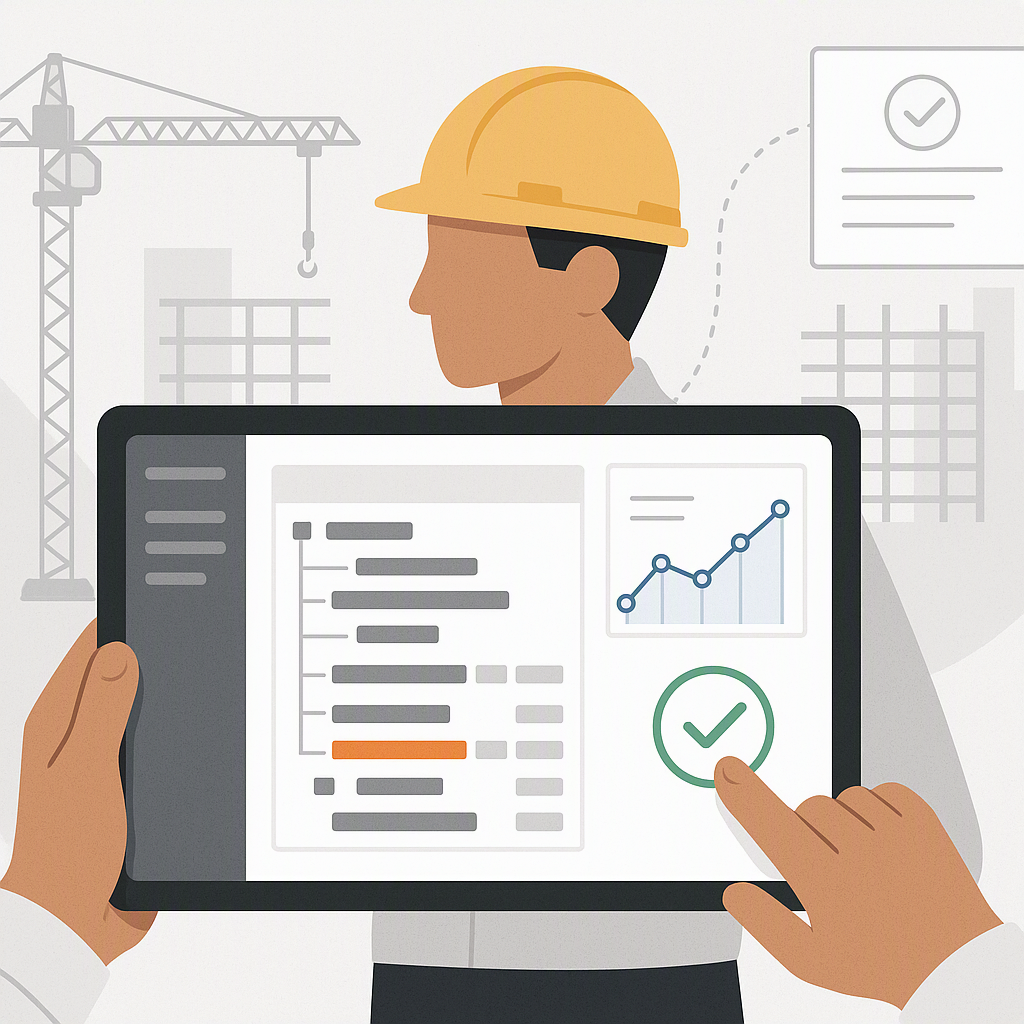
A structured estimation process can significantly improve accuracy. For example:
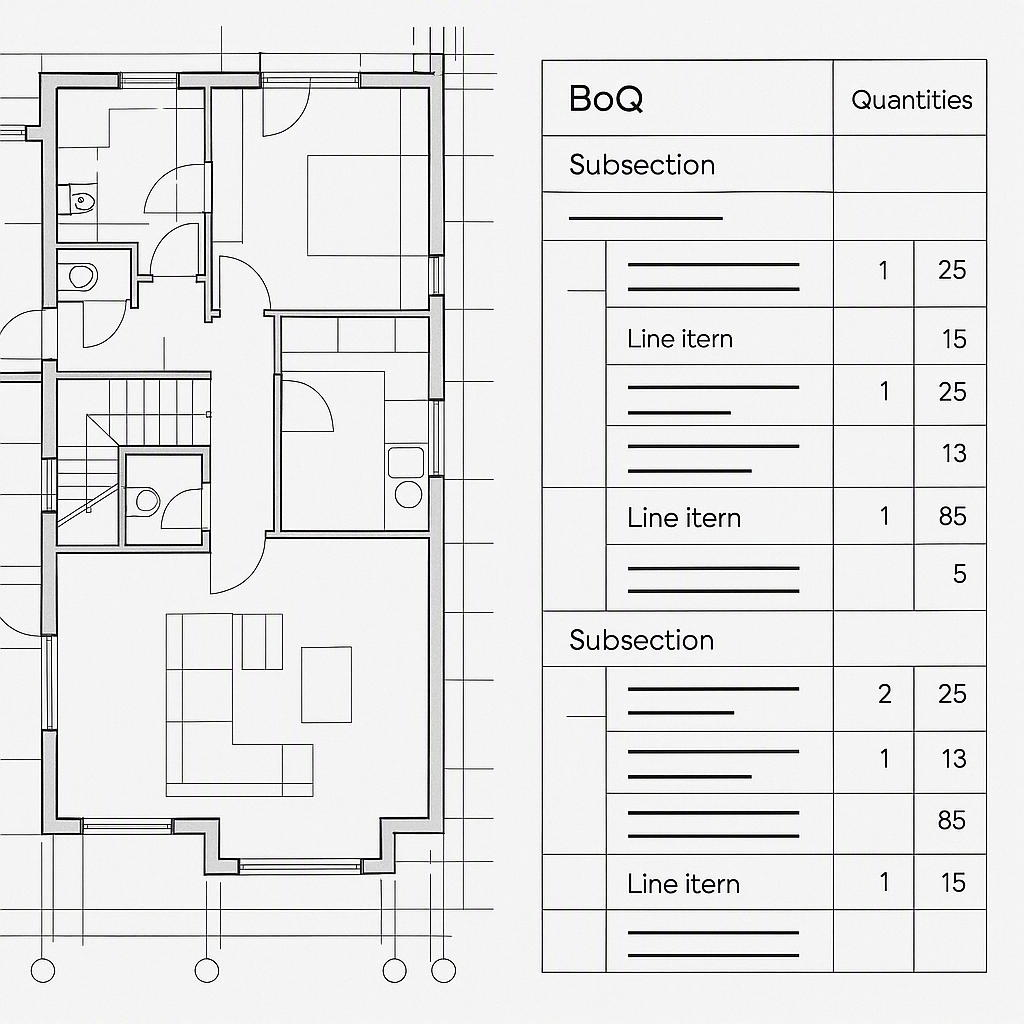
- Create the Estimate: Add BOQ lines, resource breakdowns, and waste percentages.
- Review for Errors: Catch mismatched quantities and unrealistic rates.
- Submit for Approval: Ensure an authorized reviewer signs off.
- Monitor Actual vs. Estimate: During execution, track spending against the estimate to refine future forecasts.
This structure ensures no single person’s oversight leads to costly errors.
Measurement-Based Adjustments
Subcontractor overruns often stem from poor progress tracking. Comparing completed work against approved work orders ensures you don’t pay more than agreed quantities, keeping estimates honest.
Integration with Historical Data
Historical data is invaluable for improving accuracy. Analyzing past project costs by scope helps you benchmark future estimates. Instead of guessing, you’re forecasting based on real trends.
Common Mistakes (And Fixes)
Mistake 1: Skipping Approvals
Problem: Estimates become budgets without proper review.
Fix: Always submit estimates for approval. A review process can flag errors before they escalate.
Mistake 2: Using Static Rates
Problem: Stale rate cards ignore market fluctuations.
Fix: Regularly update your rates based on vendor quotes or indices like CPWD.
Mistake 3: Misaligned Scope
Problem: Estimates don’t match the actual scope of work.
Fix: Attach detailed scope documents to every estimate. Review the scope across multiple teams before finalizing.
FAQ
How often should I review my rate cards?
At least quarterly. Market conditions change fast, especially for commodities like steel or cement.
What’s a good accuracy percentage to aim for?
A small margin of error, such as within ±5%, is considered acceptable in most industries, though tighter margins are better.
Can software guarantee 100% accuracy?
No. It’s a tool, not a crystal ball. But tools and structured processes reduce human error and improve consistency.
Learn more at EstimateNext