The Real Cost of Bad Estimation
Margins are thin in construction. A small error in your estimate can snowball into a massive loss. Overestimate, and you lose the bid. Underestimate, and you’ll bleed money during execution. Either way, you’re stuck. The problem? Most contractors are still using fragmented systems—spreadsheets, manual takeoffs, guesswork. It’s not just inefficient. It’s risky.
Errors in estimation often stem from outdated rate schedules, ignoring waste percentages, or failing to account for fluctuating material and labor costs. These issues can lead to significant financial strain during project execution. Could this be avoided? Absolutely.
The Software Advantage: Precision and Control
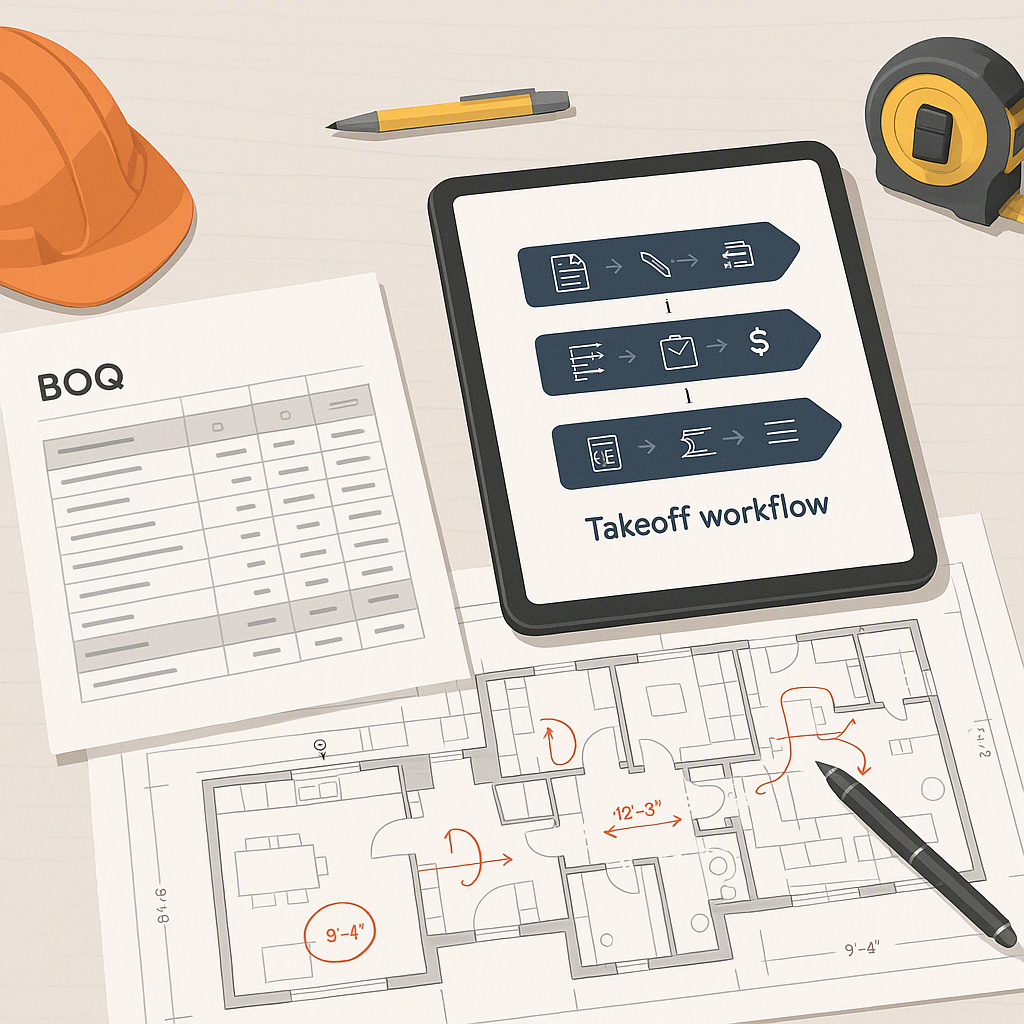
This is where cost estimation software steps in. Unlike spreadsheets, tools like these enforce discipline. They tie every BOQ (Bill of Quantities) line item to real rates, quantities, and waste factors. You’re not just guessing; you’re building estimates on solid data.
Here’s how it works in practice:
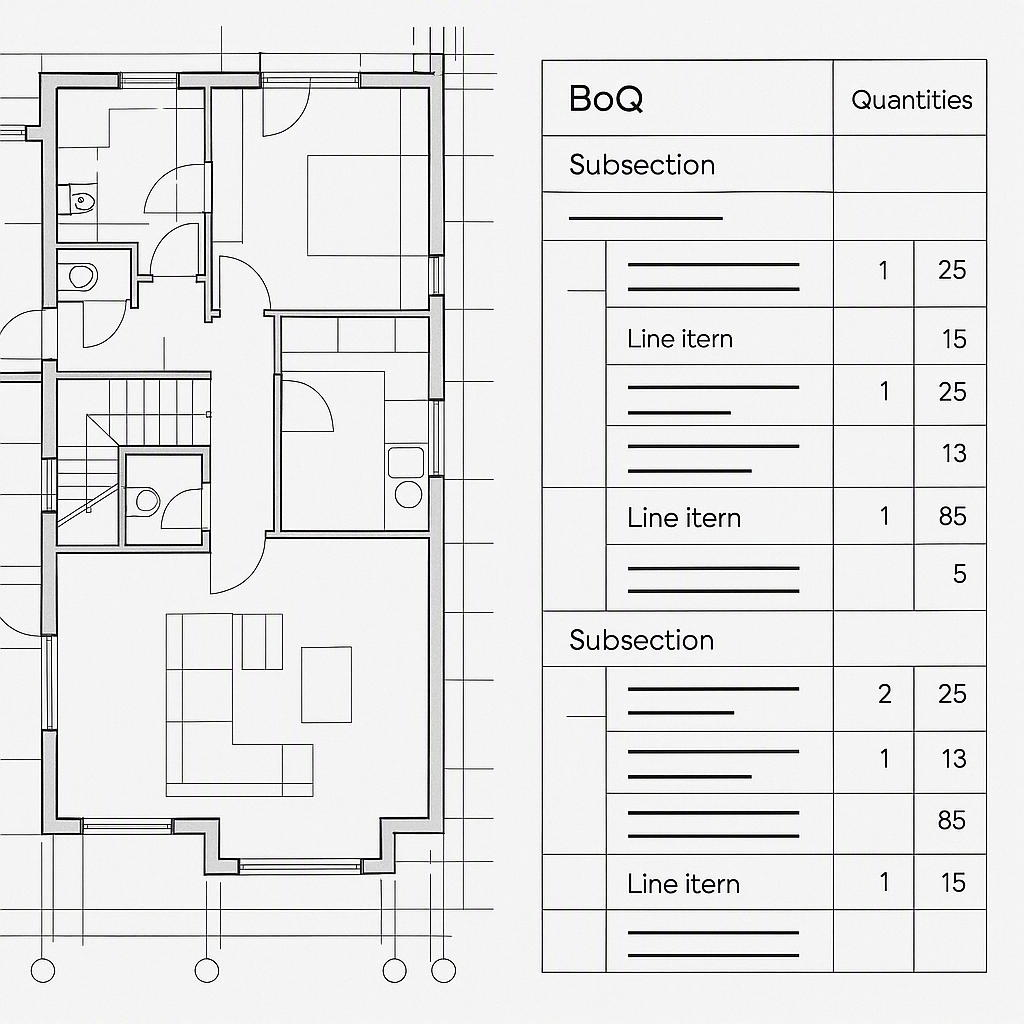
- Start with a BOQ (Bill of Quantities): Every item in the BOQ gets broken down into five resource categories—labor, material, equipment, subcontractor, and overhead.
- Add Real Rates: Pull rates directly from a centrally managed schedule. No more flipping through old rate sheets.
- Account for Waste: Add realistic waste percentages (e.g., 3-10% for materials is common). Ignoring this is a rookie mistake.
- Approval Workflow: Submit the estimate for review. Once approved, it becomes the official budget, setting the financial boundaries for the project.
Cost estimation software emphasizes this lifecycle. From creating the estimate to tracking actual costs against it, the software ensures every rupee is accounted for. No surprises.
Real-Time Monitoring: Where You Win or Lose
But estimating isn’t just about planning. The real magic happens during execution. Cost estimation software links estimates to procurement budgets, material requisitions, and subcontractor payments. If your actual costs start creeping above the estimate, you get an alert—early enough to fix the issue.
For example, a BOQ Rate Analysis report can compare key rates per item: quoted, billing, scheduled, budgeted, and actual costs. If the actuals are exceeding the budget, you’ll know exactly where to look. Is it a material overrun? A subcontractor delay? The data makes it clear.
Why Most Contractors Get It Wrong
In many cases, contractors fail at two critical points:
- Rate Inconsistency: Quoting one rate but buying at another. Without a consistent rate schedule, this is inevitable.
- Scope Creep: Adding extras to the job without adjusting the estimate. Before you know it, you’re over budget.
Software solves both problems. Rate schedules ensure consistency, and scope changes trigger a re-estimate. It’s not just about control—it’s about visibility.
Common Questions About Software Cost Estimation
Q: Can’t I just use spreadsheets for estimates?
A: You can, but it’s a risk. Spreadsheets are prone to human error and lack integration. They don’t alert you when actual costs exceed budgets or automatically update when rates change. Software does.
Q: How does software handle waste percentages?
A: Tools let you set waste percentages for each resource. For example, you might add 5% waste for steel and 8% for concrete. These numbers flow into your budget, so you’re not caught off guard later.
Q: What’s the ROI on estimation software?
A: It depends on your project size, but the savings on reduced errors and better rate control often justify the investment. Avoiding even one major estimation error can make a significant difference.
Final Thoughts
Accurate cost estimation isn’t optional. It’s the foundation of profitability. Whether you’re running a small project or a large one, the principles are the same: get the numbers right, monitor them in real-time, and adapt as needed.
If margins are slipping through your fingers, it’s time to rethink your process. Cost estimation software can help.
Learn more at EstimateNext