The Margin Problem No One Talks About
Contractors love to focus on winning bids and landing new projects. But what happens after the ink dries? Margins shrink. Fast.
In construction, margin erosion isn’t always about obvious things like misquoted rates or material price jumps. It’s the hidden costs — inefficiencies in your processes, uncontrolled subcontractor expenses, and poor tracking of actual spending against budgets — that quietly kill your profitability.
For example, let’s talk subcontractor cost overruns. Most contractors underestimate how much these can spiral. A poorly scoped subcontractor budget can blow up your entire project P&L. And fixing it mid-project? Good luck. Subcontractors don’t renegotiate easily once work is underway.
So, how do you stop margin erosion before it’s too late? That’s where cost engineering companies step in. They help contractors set up the right controls and systems to keep costs from running wild. Let’s break it down in detail.
Subcontractor Budgets: The First Line of Defense
One of the biggest culprits of margin erosion is subcontractor spending. Why? Because most contractors don’t enforce strict budget controls on subcontractor work items. They approve work requisitions (WRs) and work orders (WOs) without ensuring they align with the original budgeted costs. This is a recipe for disaster.
Actionable Steps to Manage Subcontractor Budgets Effectively:
-
Tie Subcontractor Budgets to Initial Estimates:
Every subcontractor work item should have a pre-approved budget, tied directly to the project’s overall estimate. For instance:- If your project estimate allocates ₹20 lakh for electrical work, then every work requisition for the electrician must stay under that amount unless explicitly revised.
- Break down this budget into smaller work packages, so you’re not dealing with a lump sum that’s harder to track.
-
Enforce Workflow-Based Budget Controls:
Using systems like JobNext, you can implement workflow-based budget controls. Here’s how it works:- During the work requisition stage, the system automatically checks if the requested costs align with the approved budget.
- No manual calculations are required, and any deviation is flagged for review.
- Ensure that no work order is issued without proper budgetary clearance.
-
Track Variances in Real-Time:
Real-time variance analysis is critical. Systems like JobNext provide tools to:- Compare estimated subcontractor costs with actual commitments.
- Highlight overruns immediately, so contractors can act before things spiral out of control.
- For example, if a subcontractor requests an additional ₹2 lakh for materials, you can quickly evaluate whether this is a justified expense or due to inefficiencies.
Why This Matters:
Subcontractor overruns don’t just kill profitability — they also disrupt project timelines. When subcontractors run out of allocated funds midway through a project, they might delay work, creating a domino effect across other trades. By establishing firm budget controls upfront, you can avoid these interruptions and maintain smooth project progress.
Why Subcontractor Controls Matter
Let’s make this concrete. Suppose you’re building an ₹80 crore commercial complex. You’ve allocated ₹15 crore for subcontractor work. By the halfway mark, you realize the subcontractors have already billed ₹10 crore, but only 40% of the work is complete. That’s a massive red flag.
Without proactive controls, here’s what could happen:
- You’ll either blow your budget, eating into your profit margins.
- Or you’ll end up in disputes with subcontractors who claim they’ve done more work than they actually have.
Steps to Prevent Subcontractor Overruns:
- Set Up Milestone-Based Payments: Pay subcontractors based on completed work milestones rather than upfront or on a time basis.
- Demand Detailed Invoices: Subcontractors should provide line-item invoices that clearly show how funds are spent. This transparency reduces disputes.
- Audit Subcontractor Performance Regularly: Conduct bi-weekly site inspections to ensure reported progress aligns with actual work completed.
In my view, this isn’t optional anymore. With razor-thin margins, contractors who don’t control subcontractor costs are rolling the dice on every project.
Real-Time Monitoring Saves Margins
Another common margin killer? Contractors wait too long to analyze project profitability. By the time they realize a project is losing money, it’s too late to fix.
Why Timing is Everything:
- Traditional methods, like end-of-month reports, don’t give you the agility to react.
- Real-time monitoring tools flag issues as they happen, so you can course-correct immediately.
How to Implement Real-Time Monitoring:
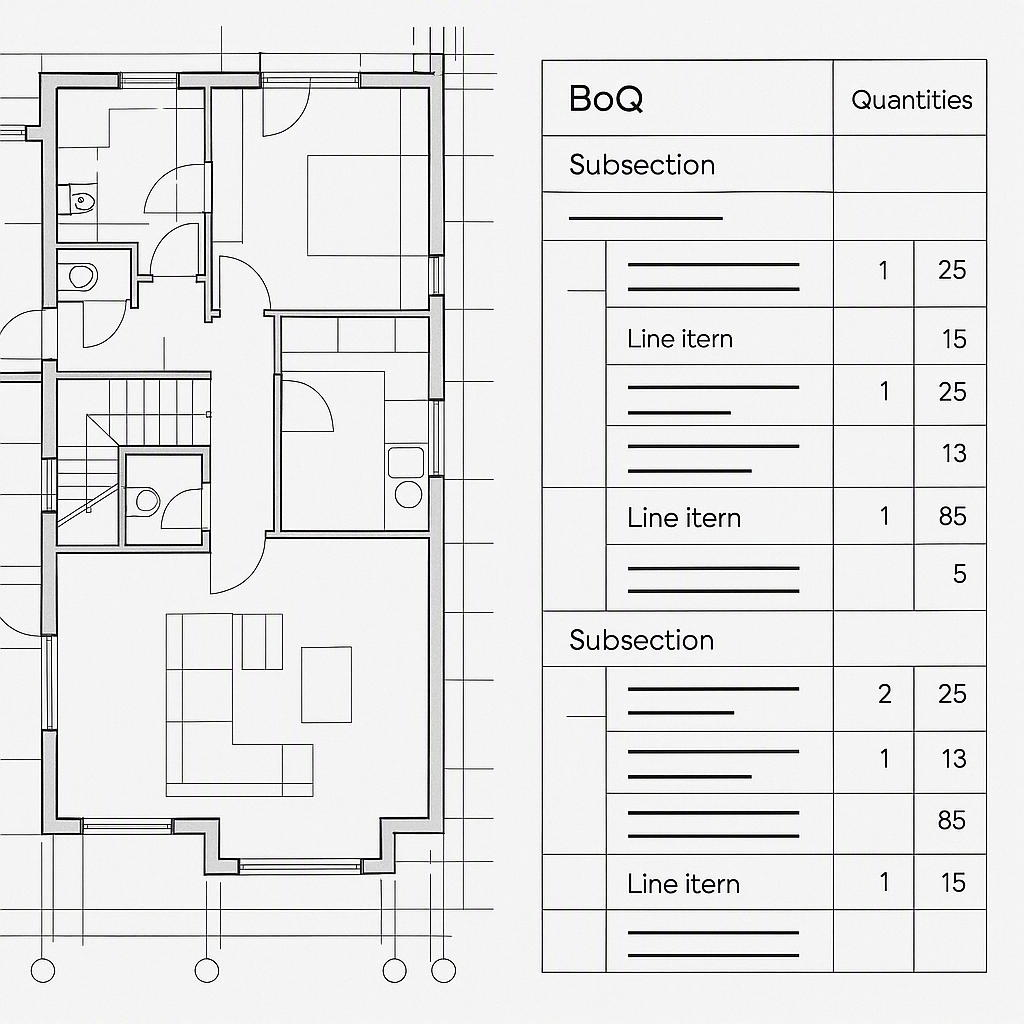
- Use Margin Reports: Tools like the BOQ (Bill of Quantities) Margin Report in JobNext let contractors track profitability line-by-line.
- Negative margins on individual BOQ items are flagged early.
- For example, if the cost of concrete for a foundation exceeds the budgeted rate by 15%, you’ll catch it immediately.
- Investigate Variances: When you spot a cost overrun, dig into the root cause:
- Did the supplier increase rates?
- Was there material wastage on-site?
- Did labor take longer than expected?
- Take Immediate Corrective Action: Address the issue before it snowballs:
- Renegotiate with suppliers.
- Adjust future material orders.
- Tighten on-site controls to reduce waste.
The Role of Technology in Cost Control
Let’s not sugarcoat it: manual cost control doesn’t work anymore. Spreadsheets and legacy systems can’t keep up with the complexity of modern construction projects. That’s why cost engineering companies partner with technology providers like JobNext.
Key Features of Modern Cost Control Tools:
- Approval Workflows: Multi-level approval chains ensure no budget is exceeded without proper sign-off.
- Integrated Subcontractor Management: From work requisitions to work orders, every step is tied to the approved budget.
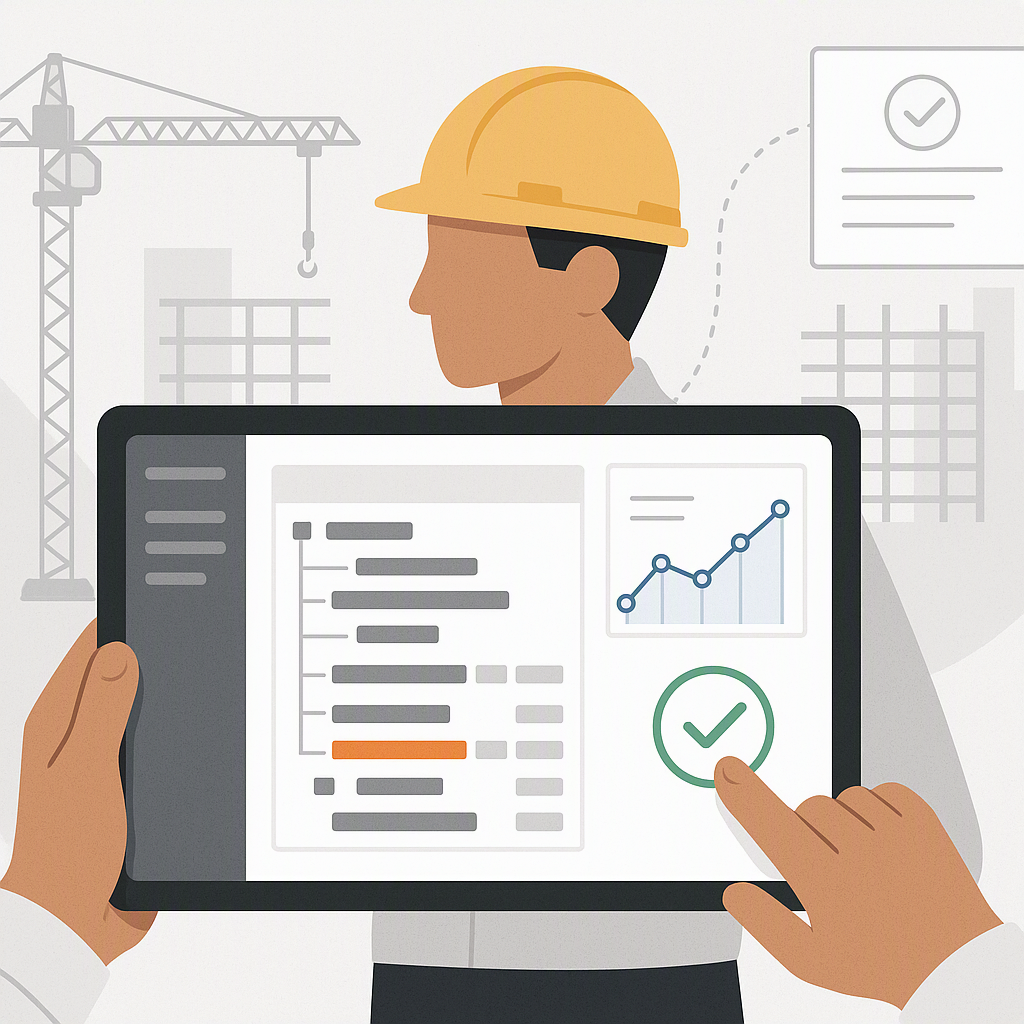
- Variance Dashboards: Real-time dashboards highlight cost overruns the moment they happen.
- Detailed Reporting: Systems like JobNext offer over 150+ reports, covering everything from BOQ margins to working capital consumption.
Benefits of Technology Adoption:
- Faster Decision-Making: Automated alerts ensure you don’t miss critical issues.
- Improved Collaboration: Centralized systems make it easier for project managers, accountants, and site supervisors to stay aligned.
- Scalability: As your business grows, these tools can handle increasing complexity without breaking down.
Common Mistakes Contractors Make
Despite the availability of tools and systems, many contractors still fall into avoidable traps. Here are the most common mistakes — and how to avoid them.
-
Skipping Budget Reviews: Many contractors approve subcontractor work orders without checking if they align with the estimate. Don’t do this. Always review budgets first.
-
Underestimating Subcontractor Costs: If you’re not using historical data to set subcontractor budgets, you’re probably underestimating. Use past project data to inform your estimates.
-
Ignoring Variance Reports: Reports like the BOQ Margin Report exist for a reason. If you’re not reviewing them weekly, you’re missing early warning signs of margin erosion.
FAQ
Q: How often should I review subcontractor budgets?
A: Weekly at minimum. If you’re running multiple projects, daily reviews might be necessary for high-risk items.
Q: Can subcontractor controls slow down projects?
A: Not if you use automated systems like JobNext. These tools streamline approvals and flag issues without adding manual effort.
Q: What’s the ROI on cost engineering systems?
A: It varies, but avoiding even one major cost overrun can justify the investment. Think about how much a ₹1 crore overrun on a ₹10 crore project would impact your bottom line.
Q: Can technology replace project managers?
A: No, but it enhances their efficiency. Systems like JobNext eliminate repetitive tasks, allowing managers to focus on higher-value activities.
Q: What’s the first step to fixing margin erosion?
A: Start by identifying where your biggest overruns occur — whether it’s subcontractor costs, material wastage, or labor inefficiencies. Then implement controls in those areas first.
Conclusion
Margin erosion doesn’t happen overnight. It’s a death by a thousand cuts — subcontractor overruns, unchecked variances, and missed warning signs. Cost engineering companies and tools like JobNext give contractors the visibility and control they need to protect their margins.
If you’re dealing with subcontractor overruns or struggling to track project profitability, JobNext can help. Get started free →
Learn more at EstimateNext