Why Construction Margins Keep Shrinking (And Why It’s Fixable)
Margins in construction are under siege. Rising material costs, supply chain disruptions, and inefficient processes eat away at profitability. But here’s the kicker: most contractors don’t even know where they’re bleeding money.
According to Technavio, raw material price volatility alone is a major contributor to cost overruns. Add manual billing errors, poorly tracked equipment utilization, and delayed invoices, and you’ve got a recipe for disaster.
But it doesn’t have to be this way. Contractors who track their costs in real time—and we mean every BOQ line item—can actually reclaim those lost margins. Let’s break it down.
The Hidden Costs Killing Your Margins
Most contractors focus on direct costs like materials and labor. But indirect costs—idle machinery, missed GST filings, or subcontractor overruns—are the silent killers. Take equipment underutilization. Imagine a crane sitting idle on-site for 40% of its lifecycle. You’re paying for it, but it’s not delivering ROI.
JobNext points out that contractors lose up to 20% of their margins due to poor cost tracking across BOQs and scopes. And it’s not just about tracking costs—it’s about catching waste in real time.
A Practical Fix: Real-Time Cost Tracking
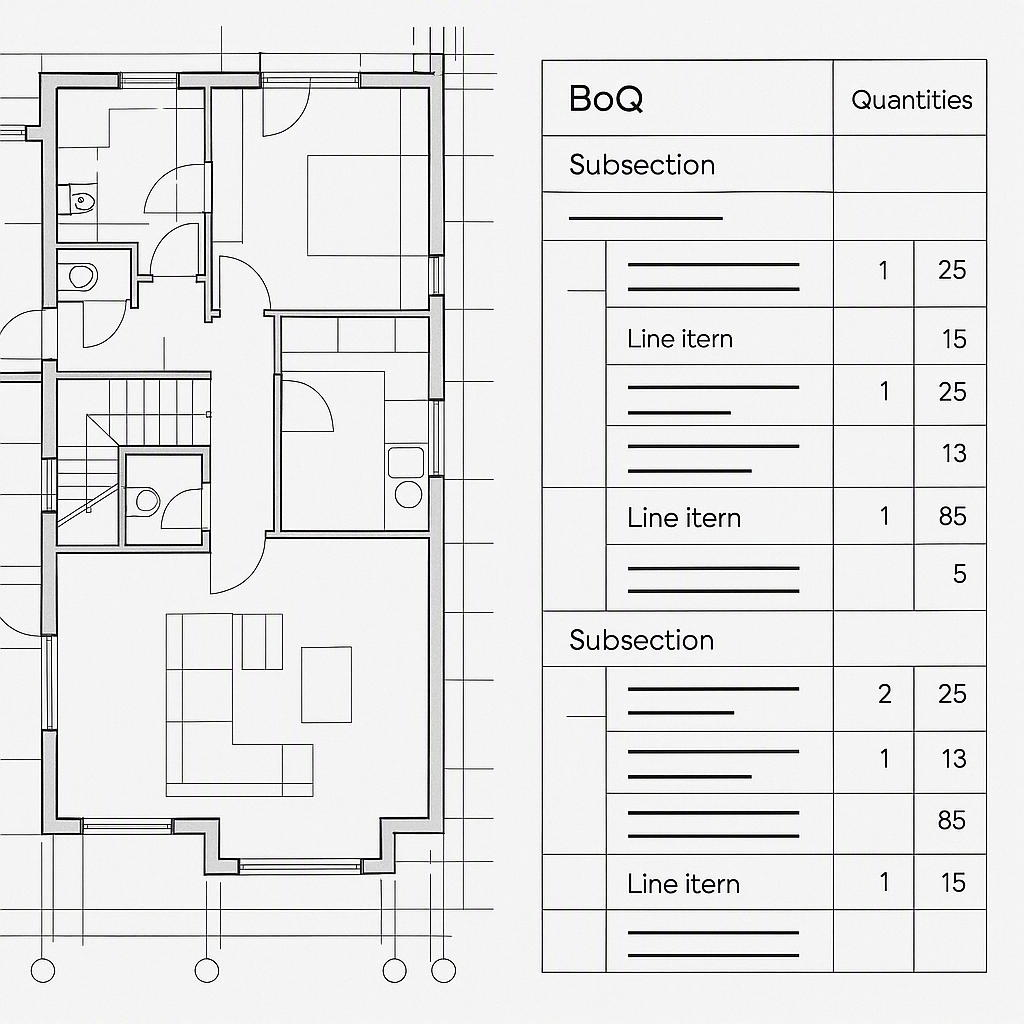
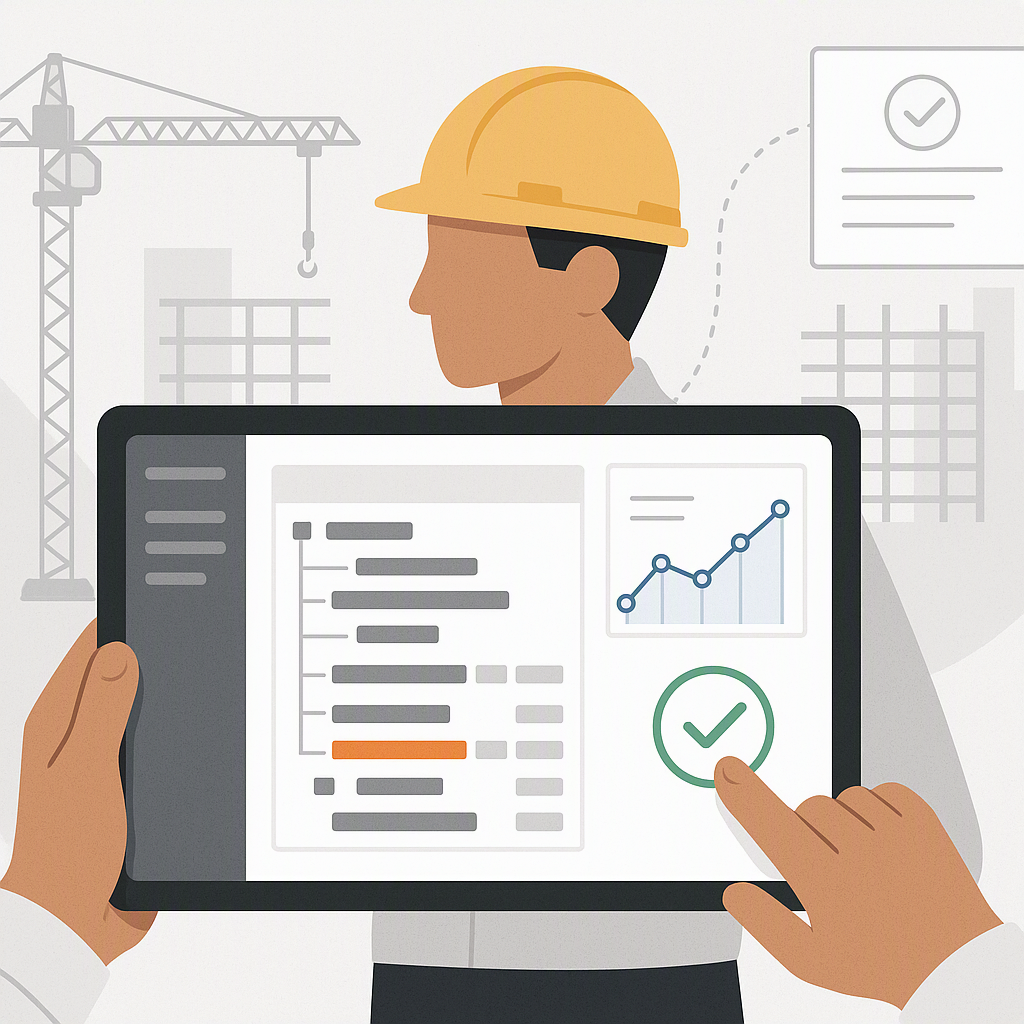
Here’s how you fix it: stop guessing and start monitoring. Tools like JobNext give you real-time visibility into project profitability. For example, say you’re working on a multi-site EPC project. With JobNext’s BOQ/WBS/Scope hierarchy, you can track every cost down to the last line item.
How does it work? You set up the project in JobNext, break it into BOQ sub-components, and track resources (materials, labor, equipment) against actual progress. If a subcontractor overbills or your equipment utilization drops below target, the system flags it immediately.
Contrast this with manual tracking. You might spend days reconciling spreadsheets, only to discover the problem too late. JobNext eliminates that lag.
The Numbers: Why Real-Time Tracking Matters
Let’s talk numbers. Contractors using cloud ERP systems like JobNext report up to 15% margin improvement within six months. Why? Because they stop revenue leaks before they snowball.
Take billing errors, for instance. One missed RA bill can delay cash flow by weeks. JobNext automates billing across six methods (RA, stage-wise, monthly, BOQ supply, combined, one-time), ensuring nothing falls through.
Or consider equipment management. With tools like JobNext’s asset lifecycle module, you can track machinery from procurement to disposal. Idle equipment? Flagged. Over-budget maintenance? Fixed.
Real Example: Fixing Subcontractor Cost Overruns
Here’s a real-world scenario. A landscaping contractor in Oman was losing money on subcontractor payments. Progress measurements weren’t matching the work billed. Using JobNext’s measurement-based progress tracking, they aligned payments with actual site progress. The result? A 12% cost reduction on subcontractor payments within three months.
How To Get Started
If you’re serious about improving project profitability, here’s what you need to do:
- Audit your current cost tracking: Identify weak spots like manual billing or untracked equipment.
- Implement real-time tracking tools: Switch to a cloud ERP like JobNext for detailed BOQ-level monitoring.
- Train your team: Make sure your site and finance teams know how to use the platform effectively.
- Review weekly: Set up dashboards to monitor profitability across projects.
For more actionable strategies, check out Why Contractors Need Cloud ERP to Stop Profit Leaks.
Final Thoughts
Margins in construction don’t disappear overnight—they erode slowly, one missed invoice or idle machine at a time. But with real-time cost tracking, you can stop the bleeding. You might be thinking, “This sounds complicated.” It’s not. Tools like JobNext make it simple to track, flag, and fix problems before they eat your profits.
It’s worth trying. Because every percentage point matters.
Learn more at EstimateNext