Why CPWD Guidelines Matter for Contractors
The Central Public Works Department (CPWD) plays a crucial role in regulating construction practices for public projects in India. Its tender guidelines are more than bureaucratic formalities; they are designed to ensure fair competition, compliance, and quality execution. Contractors who neglect these regulations risk disqualification, disputes, and financial losses that can derail even the most promising projects.
However, the CPWD Works Manual is notoriously dense. For contractors, deciphering the specifics—especially on subcontractor selection—can feel overwhelming. This expanded article provides actionable insights and practical steps to help contractors comply with CPWD guidelines and improve their subcontractor selection process.
The Problem: Cost Overruns from Poor Subcontractor Selection
Cost overruns are a chronic problem in public works projects. One of the most common culprits is poor subcontractor selection. Imagine this scenario: your tender submission is flawless—competitive pricing, detailed Bill of Quantities (BOQs), and timely submission of your Earnest Money Deposit (EMD). But then, subcontractors fail to deliver quality work or miss deadlines, putting your project at risk.
Without a structured approach to subcontractor evaluation, contractors face:
- Uncompetitive pricing: Selecting the lowest bid without assessing quality often leads to rework and increased costs.
- Compliance gaps: CPWD guidelines demand documented rationale for subcontractor selection. Failing to comply can result in audit flags or penalties.
- Audit issues: CPWD audits require a traceable chain from the Work Requisition (WR) to the Work Order (WO).
By following CPWD guidelines, contractors not only ensure compliance but also protect their profitability and project timelines.
Practical Steps: Building a CPWD-Compliant Subcontractor Selection Process
1. Start with Detailed Work Requisitions
A Work Requisition (WR) is the foundation of a structured subcontractor selection process. CPWD guidelines emphasize the importance of documenting the scope of work in detail. An incomplete or vague WR leads to inconsistent pricing and disputes.
Key elements of a detailed WR:
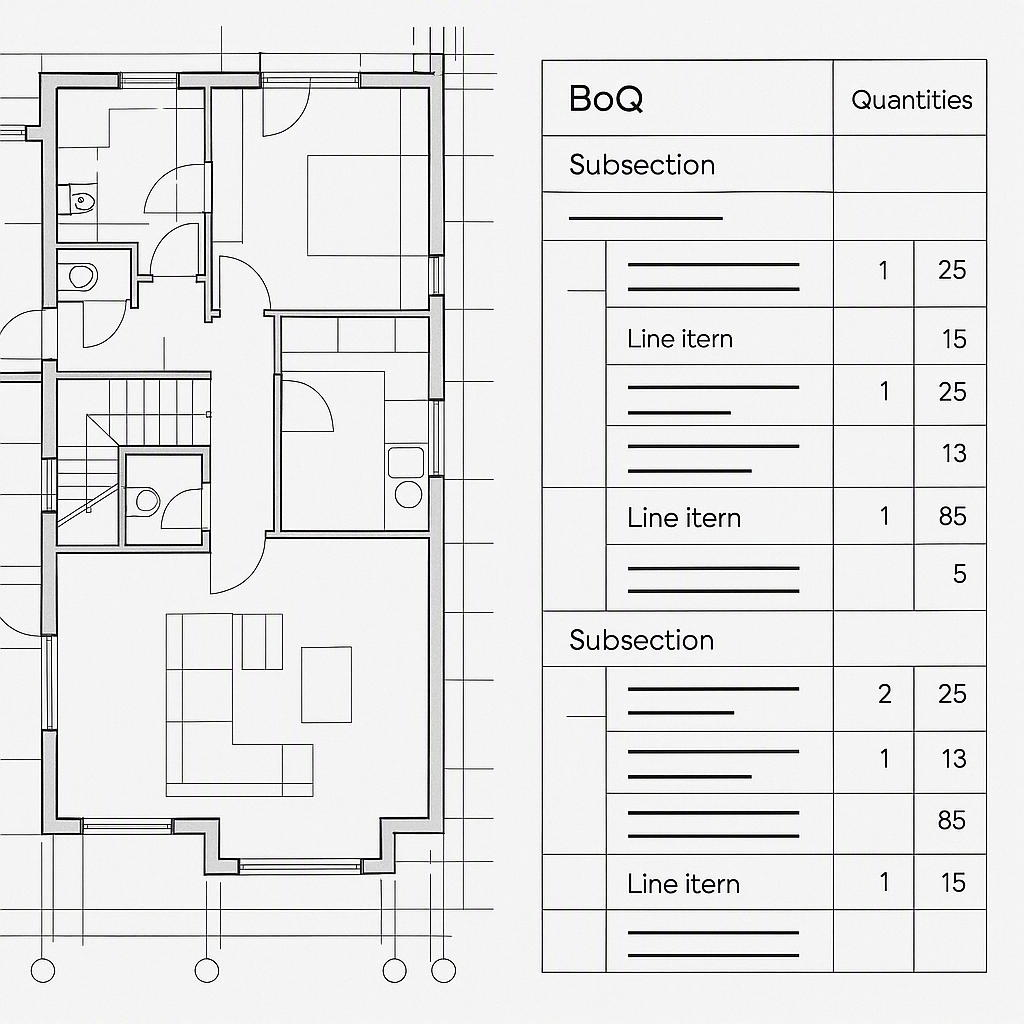
- Breakdown of BOQs: Include precise quantities and units.
- Technical drawings: Attach approved designs for clarity.
- Site plans and specifications: Share geotechnical details, material requirements, and environmental considerations.
Actionable Tip: Use construction management software like JobNext to create WRs that directly align with tender scopes. This ensures accuracy and reduces errors.
2. Circulate RFPs to Multiple Subcontractors
CPWD mandates competitive bidding, which requires soliciting proposals from at least three subcontractors. This ensures fair pricing without compromising quality.
Steps to circulate RFPs effectively:
- Prepare comprehensive RFP documents: Include the WR, tender specifications, and evaluation criteria.
- Set a clear deadline: CPWD guidelines recommend closing the offer window before evaluating submissions.
- Verify receipt of bids: Ensure all subcontractors submit their bids within the deadline.
Best Practice: Attach detailed scope documents to RFPs. This ensures that subcontractors provide comparable bids, reducing ambiguity during evaluations.
3. Evaluate Beyond Price
CPWD guidelines caution against awarding work solely to the lowest bidder (L1). While competitive pricing is important, other factors must be considered:
Evaluation criteria:
- Technical capability: Does the subcontractor have expertise in the required tasks?
- Safety records: Review their compliance with safety standards.
- Financial stability: Check bank guarantees or balance sheets.
- Past performance: Assess previous projects using client references and project outcomes.
Actionable Tip: Use tools like JobNext to generate Comparative Statements. These rank bids based on both qualitative and quantitative criteria.
4. Maintain an Audit Trail
CPWD audits often involve reviewing document linkages between WRs, RFPs, and WOs. A robust audit trail minimizes compliance risks and saves time during inspections.
Steps to maintain an audit trail:
- Link RFPs to WRs: Ensure every RFP references its corresponding WR.
- Document bid evaluations: Create Comparative Statements and save them for future audits.
- Track Work Orders: Use software to automate linkages from WRs to WOs.
Best Practice: Automate these processes with construction management tools to reduce manual errors.
Comparison: Manual vs Automated Subcontractor Selection
| Aspect | Manual Process | Automated Process (e.g., JobNext) |
|---|---|---|
| Scope Documentation | Prone to errors; time-consuming | Accurate, linked to tender scopes |
| RFP Circulation | Requires manual follow-ups | Automated notifications to subcontractors |
| Bid Evaluation | Prone to bias; lacks transparency | Objective ranking using weighted criteria |
| Audit Trail Creation | Difficult to track; high error risk | Automatic linkage between documents |
| Time Efficiency | Slow; delays are common | Faster, streamlined workflows |
Automated systems like JobNext clearly outperform manual processes by ensuring compliance and reducing errors.
Common Mistakes to Avoid
Contractors often fall into traps that jeopardize CPWD compliance:
- Skipping Scope Details: Vague WRs and RFPs lead to disputes and audit flags.
- Awarding to L1 Without Rationale: CPWD guidelines require documented justification, especially for higher-cost bids.
- Ignoring Document Linkages: Failure to maintain traceable chains between WRs, RFPs, and WOs risks audit penalties.
- Missing Deadlines: Late submissions for RFPs or tenders are grounds for disqualification.
- Overlooking Safety Compliance: CPWD emphasizes safety records during evaluations. Neglecting this can result in delays or penalties.
FAQ
1. How can I access the CPWD Works Manual?
The CPWD Works Manual is available on the official CPWD website under the publications section. It can be downloaded as a PDF.
2. What happens if I fail to comply with CPWD tender guidelines?
Non-compliance can lead to disqualification from bids, audit penalties, and even blacklisting from future CPWD projects.
3. Are subcontractors bound by CPWD guidelines?
Yes, subcontractors must adhere to the same compliance standards as contractors. Their work is subject to audits and inspections.
4. How can I justify awarding work to a higher-cost bidder?
Document the rationale clearly in your Comparative Statement. Highlight factors like technical expertise, safety records, and past performance.
5. Can software ensure CPWD compliance?
Yes. Tools like JobNext automate scope validation, comparative evaluations, and audit trail creation, significantly reducing compliance risks.
Call to Action
Navigating CPWD guidelines doesn’t have to be a headache. Tools like JobNext streamline subcontractor selection, automate RFP workflows, and ensure compliance with audit requirements. Protect your margins while delivering quality projects. Learn more →
Learn more at EstimateNext