CPWD DSR 2026: Practical Insights for Contractors
The CPWD Delhi Schedule of Rates (DSR) 2026 update is here, and with it comes a list of new rates and specifications that contractors working on government projects must adhere to. If you're serving clients in India or the GCC, understanding and implementing these changes is critical—not just for compliance, but for protecting your already thin project margins.
While the DSR provides an essential benchmark for pricing and rate analysis, it doesn't account for the real-world complexities of subcontractor management. The DSR might standardize the price of materials and labor, but it doesn’t help you manage subcontractors, prevent scope creep, or track material usage on-site.
In this post, we’re diving into how better subcontractor management—specifically using a systemized Work Order (WO) process—can help you align with CPWD DSR 2026 while minimizing cost overruns.
The Importance of a Robust Work Order Process Under CPWD DSR
The CPWD DSR is essentially a guideline—it tells you the market norms but doesn’t enforce how you manage your subcontractor costs. That’s your job. And if you don’t stay on top of it, you’re leaving money on the table.
Subcontractor costs often spiral out of control due to poor tracking. Work starts before proper approvals. Measurements are delayed, leading to disputes. Material reconciliation is a mess. And before you know it, your margins are gone.
The CPWD DSR Lens
Let’s focus on a practical example. Suppose you are estimating costs for a project based on the CPWD DSR rates. You might think, "Great, I’ll just use those rates in my estimate." But what about the subcontractor you hire to execute the work? Do you have a system to ensure their rate aligns with the DSR? Are you recording their measurements promptly to verify quantities against your BOQ? Do those measurements tie back to your approved work scope?
If the answer to any of these is "no," you’re setting yourself up for trouble.
A Smarter Way: Structured Subcontractor Management
Here’s where a structured workflow can save you. It ensures every subcontractor engagement follows a systematic process: Work Requisition (WR) → Request for Proposal (RFP) → Comparative Evaluation → Work Order (WO).
Why This Matters
-
Prevent Scope Creep: By linking every work item to your BOQ or scope, you ensure subcontractors don’t overbill you for work outside the agreed scope. This is a common issue when contractors rely on informal agreements instead of formalized WOs.
-
Competitive Pricing: Circulating RFPs to multiple subcontractors for every major package ensures you get the best rates. Comparative evaluation of bids helps you identify the most cost-effective option.
-
Measurement-Based Payments: Require measurements to be recorded promptly via Measurement Sheets before any running bills are processed. This ensures you’re only paying for work actually completed, not for estimates or verbal assurances.
-
Budget Control: Regularly track how much of the allocated budget has been spent to avoid over-committing funds.
Practical Steps to Align with CPWD DSR 2026
Here’s how you can apply CPWD DSR 2026 rates while avoiding cost overruns:
1. Understand the Updated Rates
The first step is obvious but often overlooked: read and understand the new DSR. Focus on the items most relevant to your trade. For instance, if you’re an MEP contractor, scrutinize rates for ducting, wiring, and HVAC installations.
2. Standardize Your BOQ
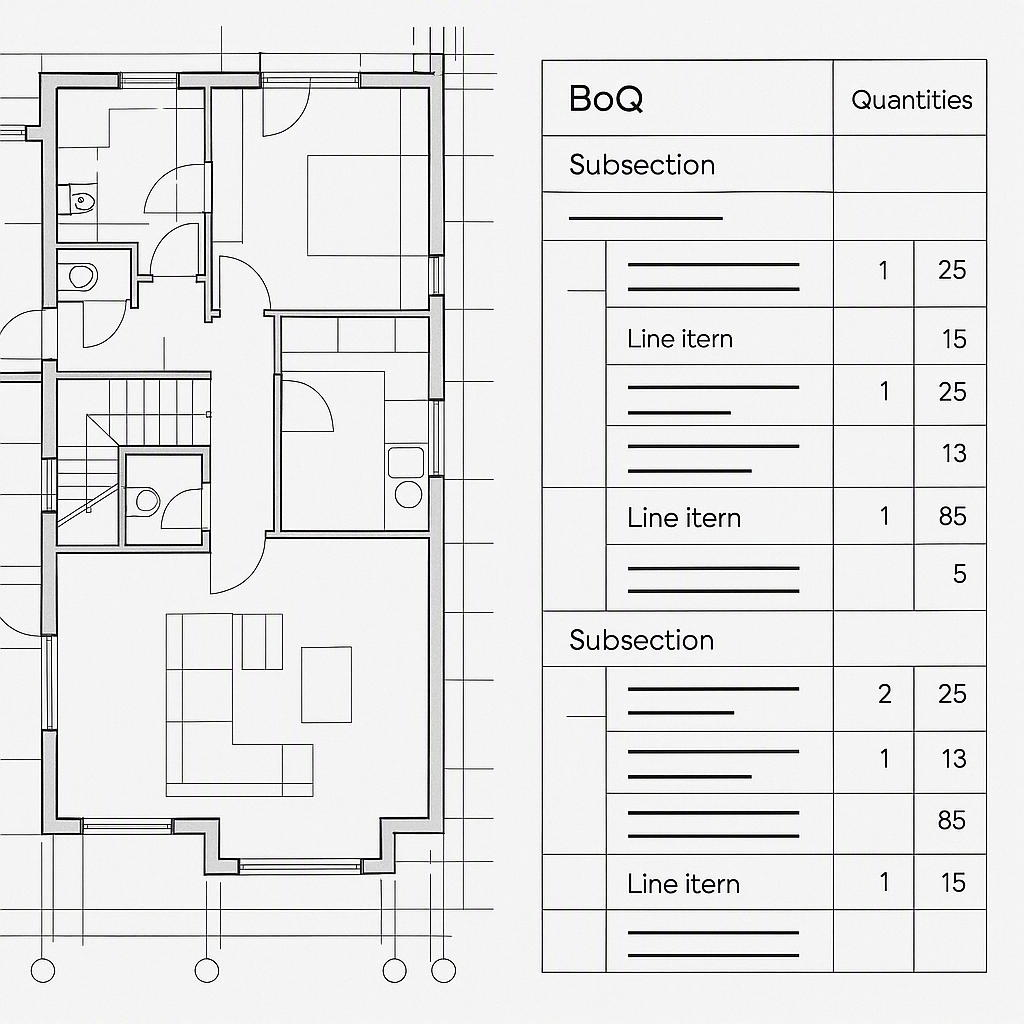
Your BOQ (Bill of Quantities) should mirror CPWD DSR item descriptions and units. This makes it easier to benchmark your costs against the standard rates. A clear and standardized BOQ also reduces confusion during subcontractor negotiations.
3. Use an RFP Process for Subcontractors
The CPWD DSR might define rates, but it’s your job to ensure subcontractors stick to them. Always start with an approved WR. Circulate RFPs to multiple subcontractors, attaching detailed scope documents. This minimizes confusion and ensures you get comparable, accurate bids.
4. Track Material and Work Progress in Real Time
Material reconciliation is a sticking point for many contractors. Regular reconciliation prevents waste and ensures compliance with the DSR. Track material issued to subcontractors against provisioned quantities to avoid discrepancies.
Common Mistakes to Avoid
-
Skipping Approvals: Never start work without an approved Work Order. It’s not just about compliance—it’s about protecting your margins.
-
Ignoring Material Reconciliation: Untracked material leads to waste and disputes. Don’t assume your team will remember to reconcile later.
-
Choosing the Lowest Bid Blindly: The cheapest subcontractor isn’t always the best. Consider technical capability, past performance, and financial stability alongside price.
-
Not Documenting Changes: Always use amendments for changes to a Work Order. This preserves the audit trail and prevents disputes.
FAQ
1. What is the CPWD DSR 2026 update?
The CPWD DSR 2026 is the latest version of the Delhi Schedule of Rates, providing standardized rates for construction materials and labor in government projects.
2. How do I ensure my subcontractor rates align with the DSR?
Use a structured RFP process to solicit bids and compare them against DSR rates. A systematic approach ensures transparency and alignment.
3. Why is material reconciliation important?
It prevents waste, ensures compliance, and protects your margins. Reconcile materials issued to subcontractors regularly against provisioned quantities.
4. What if my subcontractor’s rates are higher than the DSR?
Document the rationale for selecting a higher bid. Factors like technical capability and timeline compliance can justify a higher cost.
Final Thoughts
CPWD DSR 2026 isn’t just a compliance requirement—it’s a tool for smarter cost management if you approach it the right way. But without robust subcontractor management, even the best DSR alignment won’t save your margins.
By implementing structured workflows and focusing on real-time tracking, you can ensure compliance and protect your project profitability.
Learn more at EstimateNext