The Hidden Problem in Construction Cost Tracking
Most contractors think they know their costs. They’ve got their BOQs, rate analyses, and project budgets locked in. But here's the truth: indirect costs often slip through the cracks. Missed equipment depreciation, ghost worker payrolls, and untracked subcontractor overruns can destroy up to 78% of your margins.
And once you realize it, it’s too late.
Retrieval-Augmented Generation (RAG) from NVIDIA AI Blueprints offers a practical fix for this. Combining real-time data retrieval with generative AI, RAG doesn’t just analyze; it connects the dots between your scattered systems—procurement, HR, equipment, billing—to uncover blind spots before they become disasters.
Why Cost Tracking Fails (And How AI Can Help)
Construction cost tracking often fails due to three major issues:
1. Disconnected Systems
Contractors juggle separate tools for billing, procurement, HR, and accounting. Data gets lost in the shuffle, leading to costly blind spots.
Example: Subcontractor Overruns
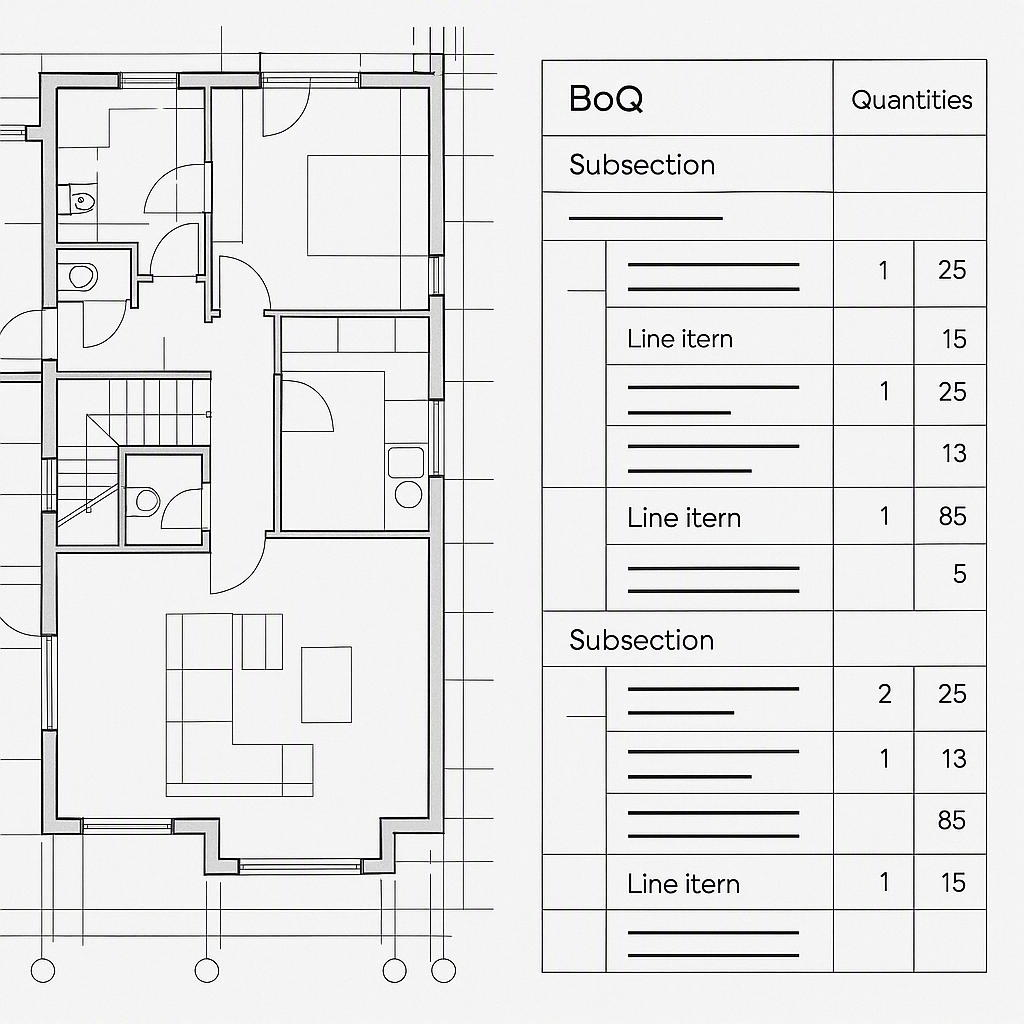
A subcontractor invoice gets approved without verifying its alignment with the project’s BOQ (Bill of Quantities). This happens because the procurement system doesn’t sync with the project management software, leaving a gap that’s only noticed during project audits—far too late to recover costs.
Actionable Step: Centralize Your Data
Use AI-powered integrations, like NVIDIA RAG, to unify your systems. RAG can retrieve live data from different software platforms and provide a consolidated view, ensuring no invoice slips through unchecked.
2. Manual Errors
Even the best teams make mistakes. Missed deductions, double entries, and outdated rate schedules are common in manual workflows.
Data Point: Human Error in Accounting
According to a study by PwC, manual accounting processes have an average error rate of 1-5%. For a ₹50 crore project, even a 1% error can mean ₹50 lakhs in lost margins.
Actionable Step: Automate Validation
Implement AI tools that automate cross-system validation. For example, RAG can flag mismatches between subcontractor invoices and BOQs or detect duplicate payroll entries before they’re processed.
3. Delayed Reporting
By the time you generate profitability reports, your margins are already eroded. Traditional reporting tools rely on backward-looking data, making them reactive instead of proactive.
Example: Equipment Downtime
Imagine a project where equipment downtime eats into your budget. The issue is only flagged during monthly reviews, leaving weeks of unaddressed cost overruns.
Actionable Step: Real-Time Insights
With NVIDIA RAG, you can ask, “What’s the cost impact of idle equipment on Project X?” and get a detailed answer instantly. This allows you to take corrective action in real-time.
How NVIDIA RAG Works in Construction
What is Retrieval-Augmented Generation (RAG)?
RAG combines two AI capabilities:
- Data Retrieval: It pulls live data from your systems—ERP, procurement, HR, and more.
- Generative Insights: It uses AI to interpret the data and provide actionable answers.
This combination offers a powerful edge for construction contractors.
Practical Applications of RAG in Construction
1. Real-Time Equipment Utilization Tracking
JobNext’s Equipment Analytics module already tracks utilization, maintenance, and costs. NVIDIA RAG overlays this data with live project budgets, instantly flagging underutilized assets.
Case Study: Reducing Idle Costs
A contractor running a ₹20 crore highway project noticed a 12% increase in equipment rental costs. With RAG, they discovered that 40% of their rented equipment was idle due to scheduling inefficiencies. By reallocating these assets to another project, they saved ₹2.4 lakhs in just one month.
2. Subcontractor Progress Validation
Manual measurement-based progress tracking is prone to errors. RAG cross-checks subcontractor invoices against BOQs, ensuring you only pay for completed work.
Example: Catching Overbilling
In a residential project, a subcontractor billed for 80% completion despite only completing 65%. RAG flagged the discrepancy by comparing invoice data with site progress reports, saving ₹7.5 lakhs.
3. Payroll Fraud Detection
Multi-site HR operations often miss ghost workers or duplicate payroll entries. RAG analyzes attendance data from JobNext’s HR module and flags anomalies.
Data Point: Ghost Workers
The World Bank estimates that payroll fraud costs construction projects 1-2% of their total budgets. For a ₹50 crore project, this means ₹50 lakhs at risk.
A Real-World Application: Equipment Cost Overruns
Let’s say you’re running a civil works project. You notice your equipment costs are 15% over budget, but you can’t pinpoint the issue. Is it fuel consumption? Idle hours? Maintenance overruns?
With NVIDIA RAG integrated into JobNext, you’d ask: “Why are equipment costs exceeding estimates on Project Y?” The system retrieves utilization data, depreciation logs, and project allocations, then generates a clear answer:
“40% of equipment downtime was due to unplanned maintenance, costing ₹3.2 lakhs. Allocate idle hours to Project Z for cost recovery.”
No manual digging. Just actionable insights.
What This Means for Contractors
Contractors who adopt RAG-powered systems like JobNext can:
- Stop Margin Erosion: Catch cost overruns before they spiral.
- Eliminate Manual Errors: Automate cross-system validation.
- Get Instant Answers: No more waiting weeks for reports.
According to a 2023 McKinsey report, AI adoption in construction could boost productivity by 50%. With tools like NVIDIA NeMo and JobNext, this isn’t theoretical—it’s happening now.
Decision Framework: Is NVIDIA RAG Right for You?
| Question | If Yes, Consider RAG | If No, Alternatives |
|---|---|---|
| Do you manage large-scale construction projects? | RAG can integrate with ERP and project management tools for real-time tracking. | Use standalone tools like Excel or QuickBooks. |
| Are indirect costs eating into your margins? | RAG identifies hidden costs like ghost workers and idle equipment. | Focus on manual audits. |
| Do you use multiple software platforms? | RAG unifies data from HR, procurement, and billing. | Stick to a single unified ERP system. |
FAQ
Q: How does RAG handle outdated data?
A: RAG pulls live data, minimizing the risk of outdated information. It’s like having continuous updates baked into your analytics.
Q: Is this compatible with existing ERP systems?
A: NVIDIA NeMo’s RAG pipeline can integrate with most modern platforms, including JobNext. Custom APIs or middleware may be required for legacy systems.
Q: What’s the ROI for small contractors?
A: Contractors typically recover 3-5% of margins by catching indirect cost leaks early. For a ₹50 crore project, that’s ₹1.5 crore saved.
Q: Does RAG require specialized training?
A: No. RAG interfaces are designed to be user-friendly, often requiring less training than traditional ERP systems.
Q: Can RAG handle compliance requirements?
A: Yes. RAG can be tailored to flag compliance issues, such as unverified subcontractor licenses or statutory labor requirements.
If you're dealing with cost tracking headaches, JobNext paired with NVIDIA RAG can help. Get started free →
Learn more at EstimateNext