Why Poor Cost Tracking Eats 5% of Your Project Margins (And How to Fix It)
Margins in construction are paper-thin. If you’re running multiple projects at once, you already know this. A 5% margin leak can mean the difference between hitting your targets or watching profits evaporate. So where does that 5% go? Overbilled invoices, misaligned project budgets, untracked subcontractor costs — the list isn’t short.
But the real problem? Most contractors don’t even know where to start. Let’s break this down.
The Hidden Cost Blackholes
You might think you’re tracking costs well enough. After all, you’re approving budgets, reviewing bills, and checking site reports. But here’s the catch: real-time visibility is where most contractors fail. By the time you dig into costs at the end of the month, it’s too late to fix anything.
Here are three major culprits we’ve seen:
- Unbilled Scope Creep: A contractor we worked with in Dubai didn’t realize their team added additional scope items mid-project without properly billing the client. Result? A ₹15 lakh loss on a single project.
- Idle Equipment: Your excavator sitting idle for 20 days on-site isn’t just wasted time — it’s lost money. Idle equipment bleeds depreciation and eats into ROI.
- Subcontractor Overruns: Subcontractors invoicing for 85% completion when the work is only 70% done? More common than you’d think.
These examples aren’t hypothetical. They’re real-world issues we’ve seen over and over again.
A Practical Framework for Better Cost Management
If you’re serious about improving project profitability, you need to get surgical with your cost tracking. Here’s a simple, actionable framework:
| Step | What It Involves |
|---|---|
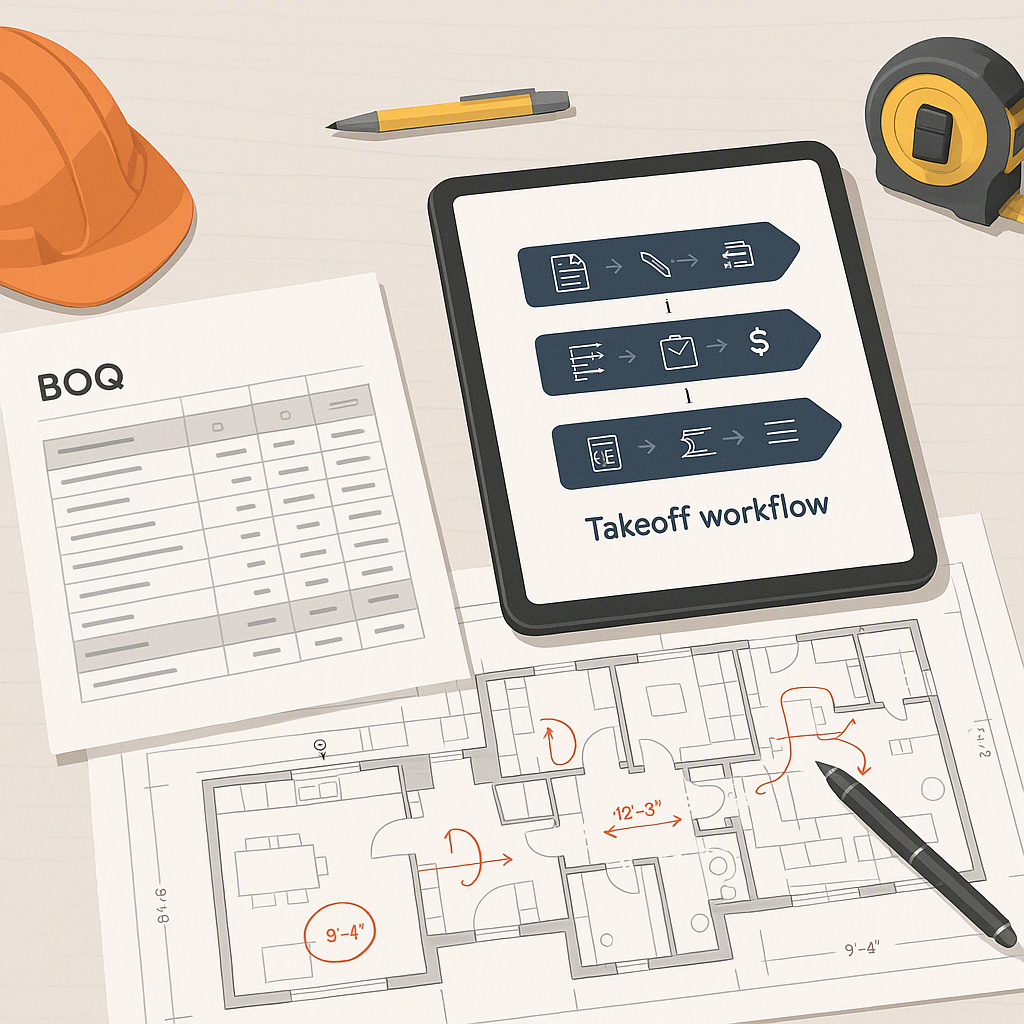
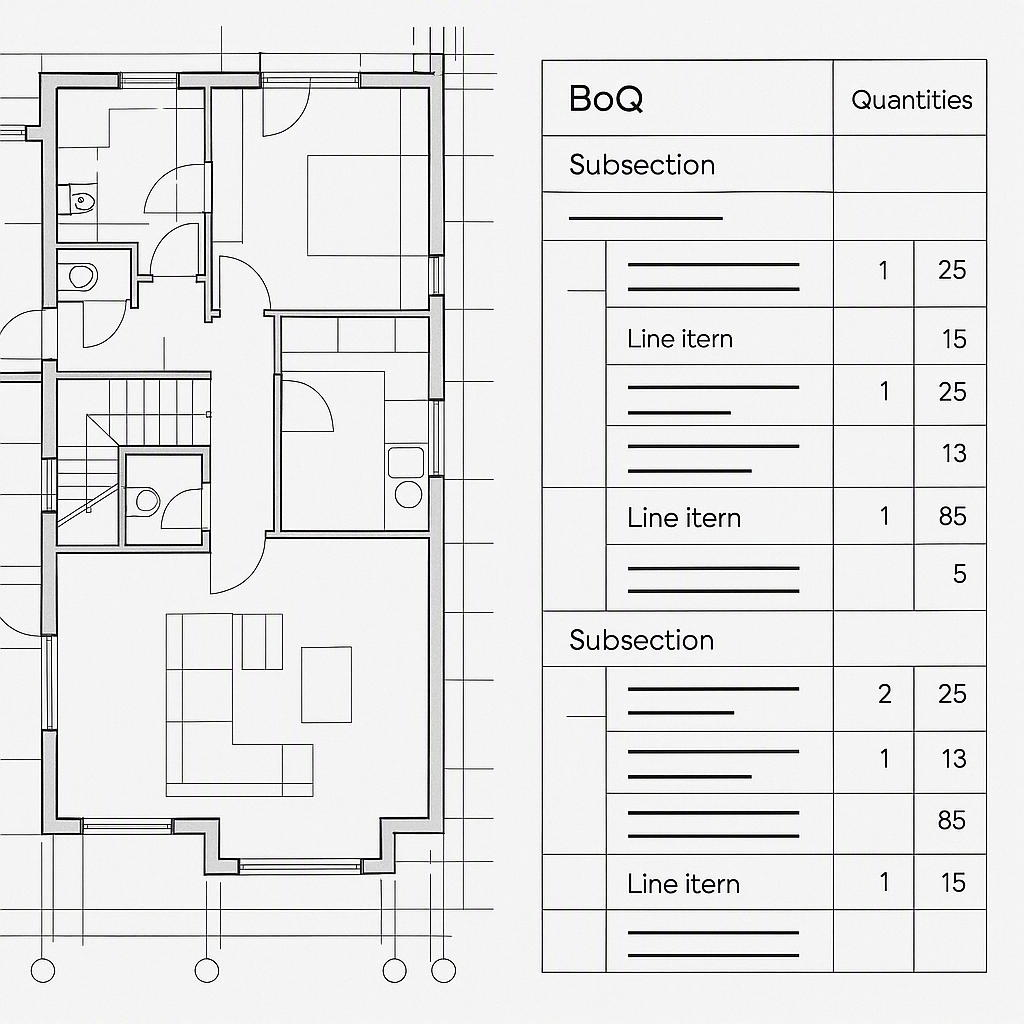
| Define BOQs Clearly | Break down every project into granular Bill of Quantities (BOQs) with specific cost estimates. |
| Real-Time Monitoring | Use tools that allow live tracking of costs and progress — across labor, materials, equipment, and more. |
| Automate Approvals | Implement approval workflows for material requests, POs, and subcontractor payments. |
| Audit Vendor Invoices | Cross-check vendor invoices against approved purchase orders before releasing payments. |
| Review Variances | Set up weekly variance reviews to compare actuals vs. estimates and catch deviations before they grow. |
Why Cloud ERP is Non-Negotiable
You might be thinking, “Can’t I just use a spreadsheet?” Sure, if you’re okay with spending hours reconciling data and still missing key numbers. But if you’re managing multiple projects and teams, manual methods simply don’t scale.
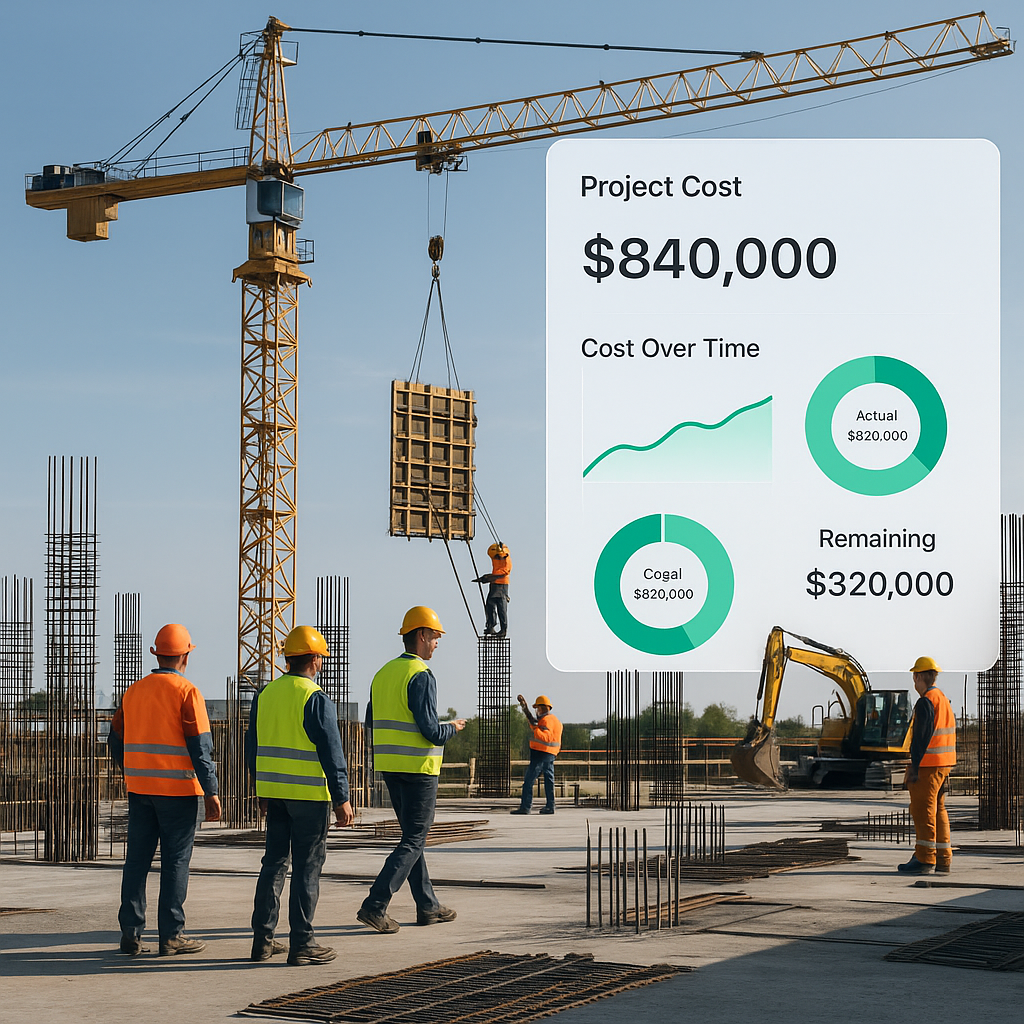
That’s where tools like JobNext Cloud ERP come in. Here’s an example: JobNext lets you track project profitability in real-time. You can monitor costs against BOQs, scopes, and estimates. And it’s not just about tracking — it automates workflows, like material requisitions (MR → RFQ → PO), subcontractor payments, and even GST compliance.
A contractor in Oman we worked with cut their margin leakage from 7% to under 2% just by switching to JobNext. No fluff, just better tools.
Real Numbers, Not Gut Feel
Let’s talk numbers. According to Smartsheet, construction companies that implement structured cost management practices see up to 20% higher profitability. That’s not magic — it’s math.
And if you’re still skeptical about cloud tools, here’s a stat: Contractors using cloud ERPs reported a 40% reduction in billing errors, per JobNext’s blog on margin erosion. That’s money you can bank.
Takeaway: Stop Flying Blind
If your margins are slipping away, you can’t afford to ignore the root cause. Real-time cost tracking isn’t a luxury — it’s a necessity. Whether it’s unbilled scope creep, subcontractor overruns, or idle equipment, the first step is visibility. Tools like JobNext aren’t just software — they’re the difference between surviving and thriving in this industry.
Want to learn more? Check out Why Contractors Lose Margins Without Cloud ERP for a deeper dive into how cloud ERP fixes these issues.
Ready to see JobNext in action?
Multi-tenant SaaS ERP for construction, facilities management, and contracting — covering preconstruction, project execution, procurement, HR & payroll, equipment, finance, and 150+ analytics reports.
Get Started Free →Learn more at EstimateNext