5 Hidden Costs That Are Destroying Your Construction Margins (And How to Fix Them)
Margins in construction are razor-thin. You might think you’ve accounted for everything—materials, labor, subcontractors—but hidden costs are like termites. They work silently, and by the time you notice, it’s too late. Let’s break down the five biggest culprits killing your margins and how to address them.
1. Idle Equipment Doesn’t Work for Free
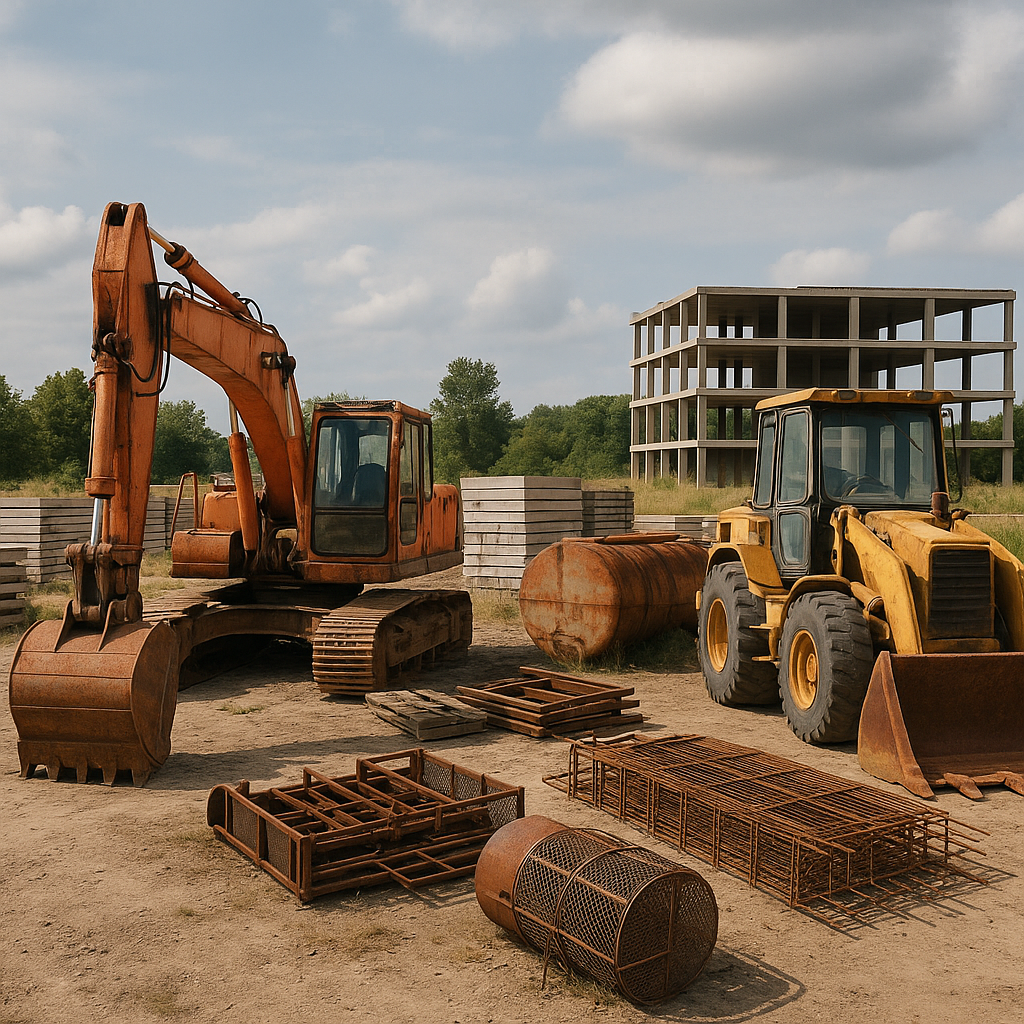
Construction equipment is expensive, but what’s worse is when it just sits there. A backhoe on-site but unused for weeks? That’s a cost you’re eating. The average piece of equipment sits idle for 40% of its lifecycle. Surprised? You shouldn’t be.
Here’s a simple fix: track utilization rates. Tools like JobNext’s Equipment Lifecycle Management module let you monitor every machine—from procurement to disposal. It flags underutilized assets, so you can decide whether to redeploy, rent out, or sell. One contractor we worked with cut idle time by 30% and saved ₹12 lakhs in one quarter.
Pro Tip: Don’t just track hours; look at production output vs. project schedules. If a crane is booked but not lifting, that’s wasted capital.
2. Missed RA Bills = Immediate Revenue Loss
Ever miss an RA (Running Account) bill submission? It’s painful. That’s cash flow you’re delaying. Many contractors forget that delayed billing often means delayed payments—and sometimes, penalties.
Cloud ERPs like JobNext automate the billing process. You can set up alerts for RA bills, stage-wise milestones, or monthly invoicing. This article on JobNext highlights how one contractor recovered ₹18 lakhs just by plugging billing gaps.
Takeaway: Missing just one RA bill on a ₹2 crore project with 12% margins can wipe out a month’s profit. Don’t let it happen.
3. Overbilled Vendor Invoices Are Sneaky
Vendors aren’t always saints. Overbilled invoices—whether intentional or accidental—can cost you lakhs. For example, a supplier charging you for 20 tons of steel when only 18 were delivered? That’s a hidden 10% cost increase.
The fix? Structured MR → RFQ → Vendor Offer → PO workflows. Systems like JobNext enforce this sequence, ensuring every invoice matches the original PO and delivery notes. If it doesn’t, you catch it before paying.
4. Subcontractor Scope Creep
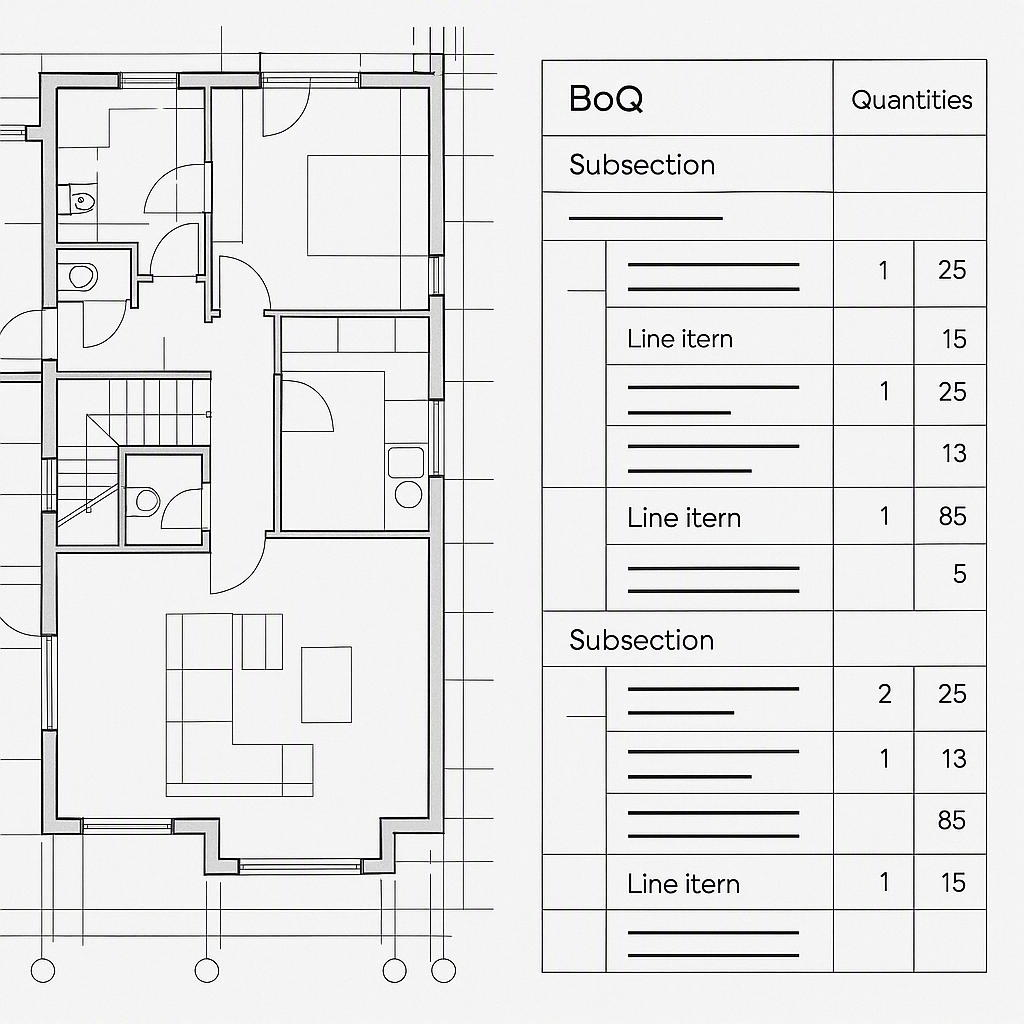
Subcontractors are critical, but without proper measurement tracking, their costs can spiral. One contractor we worked with realized their carpentry subcontractor billed them for 15% extra work that wasn’t part of the BOQ. They’d signed off blindly.
Measurement-based progress tracking solves this. JobNext’s Work Order (WO) and Measurement modules link every subcontractor’s payment to verified progress. No measurements? No payment. Simple.
5. Poor Real-Time Cost Tracking
This is the big one. If you’re still managing costs on Excel sheets or disconnected systems, you’re flying blind. You might find out you’re over-budget weeks after it’s too late to fix.
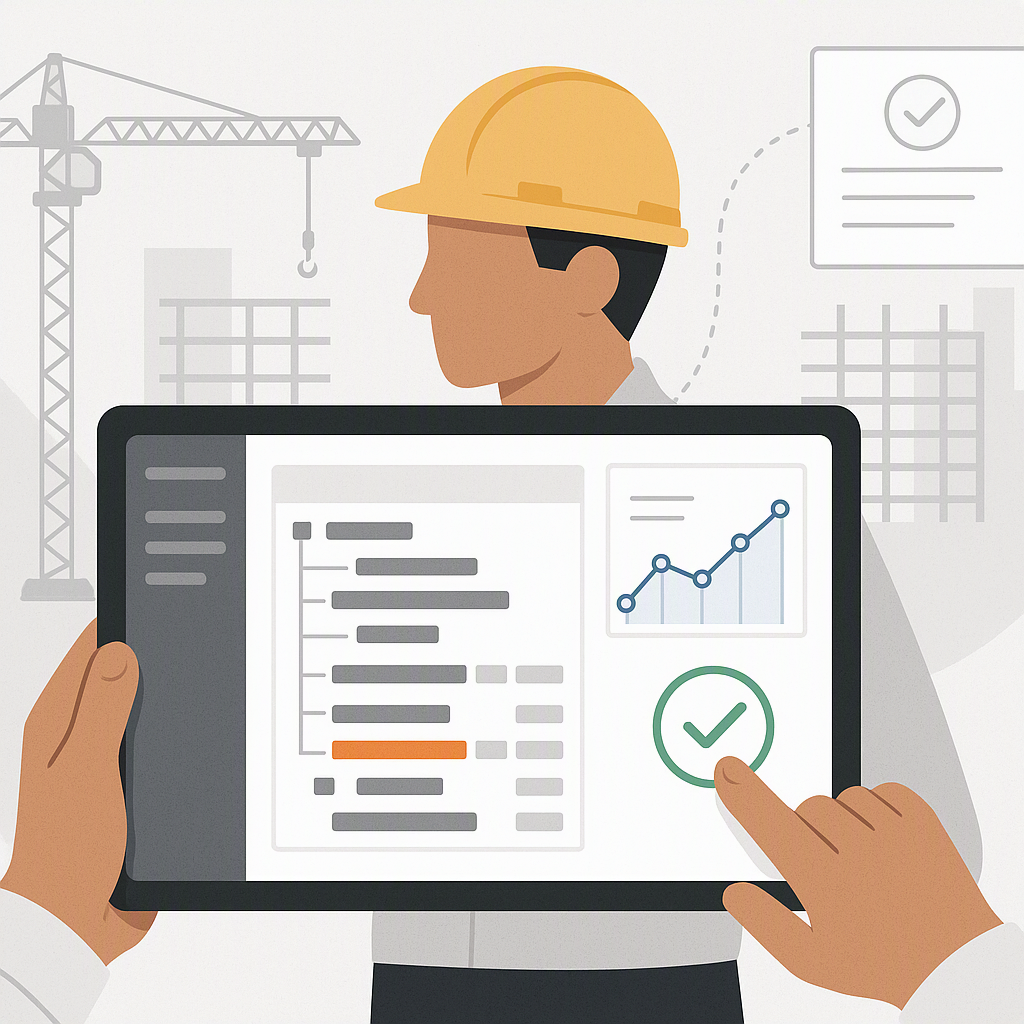
Cloud ERPs like JobNext give you real-time profitability tracking. You see costs as they happen—across BOQs, scopes, and estimates. It’s the difference between steering a ship with radar vs. guessing based on last week’s weather report. This JobNext blog explains why real-time tracking is non-negotiable for contractors today.
Final Thoughts
Hidden costs are everywhere in construction, but they’re not invisible if you know where to look. Start by tracking equipment utilization, automating billing, enforcing PO workflows, verifying subcontractor progress, and adopting real-time cost tracking.
If you’re serious about fixing these leaks, tools like JobNext can help. Don’t wait for the next project to bleed margins—start plugging the gaps now.
Want to see how JobNext can help you track these hidden costs? Explore JobNext’s features here.
Ready to see JobNext in action?
Multi-tenant SaaS ERP for construction, facilities management, and contracting — covering preconstruction, project execution, procurement, HR & payroll, equipment, finance, and 150+ analytics reports.
Get Started Free →Learn more at EstimateNext