The Silent Margin Killer: Poor Cost Management
If you’re a contractor running multiple projects, you’ve probably faced this: your project looks profitable on paper, but by the time you close the books, the margins are razor-thin—or worse, negative. Why? It’s not always about low bidding. It’s about cost management mistakes that creep in and quietly eat your profits.
Here are seven common mistakes we’ve seen (and fixed) for contractors like you:
1. Not Tracking Costs in Real-Time
Let’s be blunt: if you’re waiting until month-end to review costs, you’re already too late. Construction project costs are like a leaky bucket. Labor overruns, material price spikes, and equipment downtime add up quickly.
Example: A mid-sized EPC contractor we worked with had material wastage on-site that wasn’t flagged until 45 days later. By then, they’d already issued 80% of the RA bill, leaving no room to adjust pricing. They lost ₹12 lakh on that project.
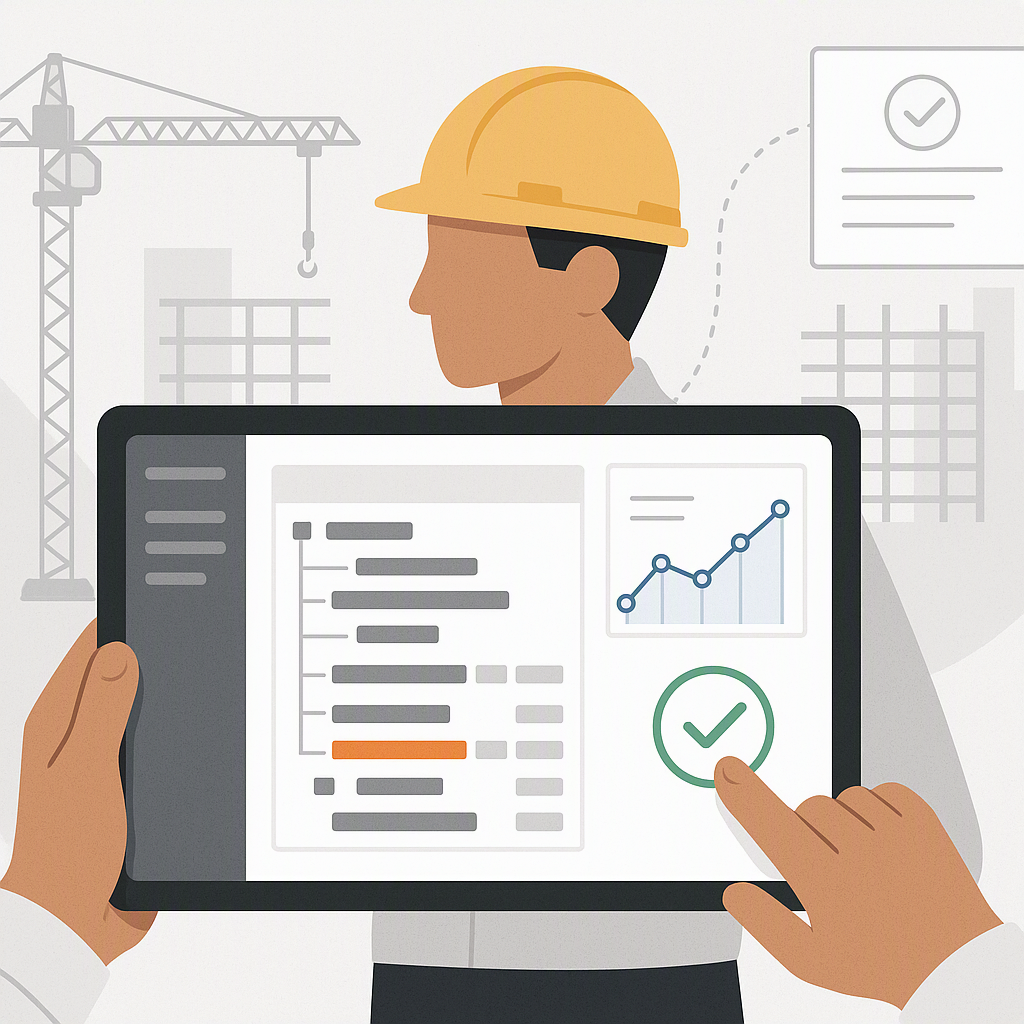
Solution: Use a system like JobNext that gives you real-time project profitability tracking. You’ll get visibility down to BOQ line items, so you can course-correct before it’s too late.
2. Manual Procurement Chaos
Procurement is where most projects go off the rails—especially if you’re still using WhatsApp and phone calls to manage material requests, vendor quotes, and POs.
The Problem: Without a structured workflow, you end up over-ordering or under-ordering materials. Both are costly. Over-ordering ties up cash. Under-ordering delays work.
Fix: Implement a structured workflow like MR → RFQ → Vendor Offers → PO with built-in approval chains. JobNext’s procurement module automates this and ensures you don’t miss vendor negotiations or approvals.
3. Missing Revenue in Billing
Missed or delayed bills are margin killers. A common example? Forgetting to bill for extra work outside the original scope. It happens more often than you think.
Case in Point: A contractor in Saudi Arabia we worked with missed billing ₹20 lakh worth of extra foundation work because the site team didn’t flag it in time.
How to Fix It: Automate your billing workflows. JobNext supports six billing methods (RA Bills, stage-wise, monthly, supply BOQ, combined, one-time) to ensure nothing falls through the cracks. Here’s a deeper dive.
4. Ignoring Subcontractor Progress Tracking
Subcontractors are notorious for inflating progress reports. If you don’t have measurement-based tracking, you’re probably overpaying them.
Example: One contractor we worked with in Dubai found that subcontractor invoices exaggerated progress by 12% on average. Over a year, that added up to ₹50 lakh in unnecessary payouts.
Solution: Use a tool that ties payments to actual measurements. JobNext’s subcontractor module handles this seamlessly with WR → RFP → WO → Measurements workflows.
5. Equipment Sitting Idle
Equipment underutilization is a hidden cost. If your machinery is sitting idle for 40% of its lifecycle, you’re bleeding money on depreciation and maintenance without generating revenue.
The Fix: Track equipment utilization rates. JobNext’s asset lifecycle management module shows you which machines are earning their keep and which ones need to be reassigned or disposed of.
6. Poor HR Coordination on Multi-Site Projects
Managing labor across multiple sites is tricky. Missed attendance records or misallocated manpower leads to either overpaying or underpaying workers—and both hurt morale and profits.
Solution: Use digital attendance tracking. JobNext integrates site attendance, leave, and payroll, ensuring accurate payouts every time. This is especially useful for contractors operating in the GCC, where compliance is strict.
7. Underestimating Compliance Costs
Ignore compliance at your own risk. GST, TDS, PF, ESI, and bank guarantees aren’t just administrative headaches; they’re financial risks if handled poorly.
Example: A contractor in India faced a ₹25 lakh penalty for late GST filings across multiple projects.
Fix: Automate compliance tracking. JobNext integrates GST/TDS compliance, Tally, and statutory deductions so you don’t miss deadlines.
Final Thought: Cost Management Isn’t Optional
You might think, “We’ve been running projects without all this tech for years.” But margins are tighter now than ever. Real-time cost management isn’t just a nice-to-have—it’s the difference between profit and loss.
If you’re ready to stop the bleeding, start with tools that solve these problems at the root. JobNext is one of them.
References
- Why Contractors Lose Margins (And How Cloud ERP Fixes It)
- 5 Ways Cloud ERP Solves Revenue Leakage for Construction Contractors
- Construction Cost Management: Best Practices & Starter Kit
- Effective Cost Management Strategies in Construction for Contractors
- A Complete Guide to Construction Cost Management and Planning
Ready to see JobNext in action?
Multi-tenant SaaS ERP for construction, facilities management, and contracting — covering preconstruction, project execution, procurement, HR & payroll, equipment, finance, and 150+ analytics reports.
Get Started Free →Learn more at EstimateNext