The Hidden Margin Killers in Construction
Think your project’s profitable because you’re staying under budget? Think again. Most contractors lose money not on what they know they’re spending but on what they don’t track properly. A 2025 report by Technavio found that cost overruns in the EMEA construction industry were primarily driven by poor visibility into indirect costs and inefficiencies in procurement workflows. Sound familiar?
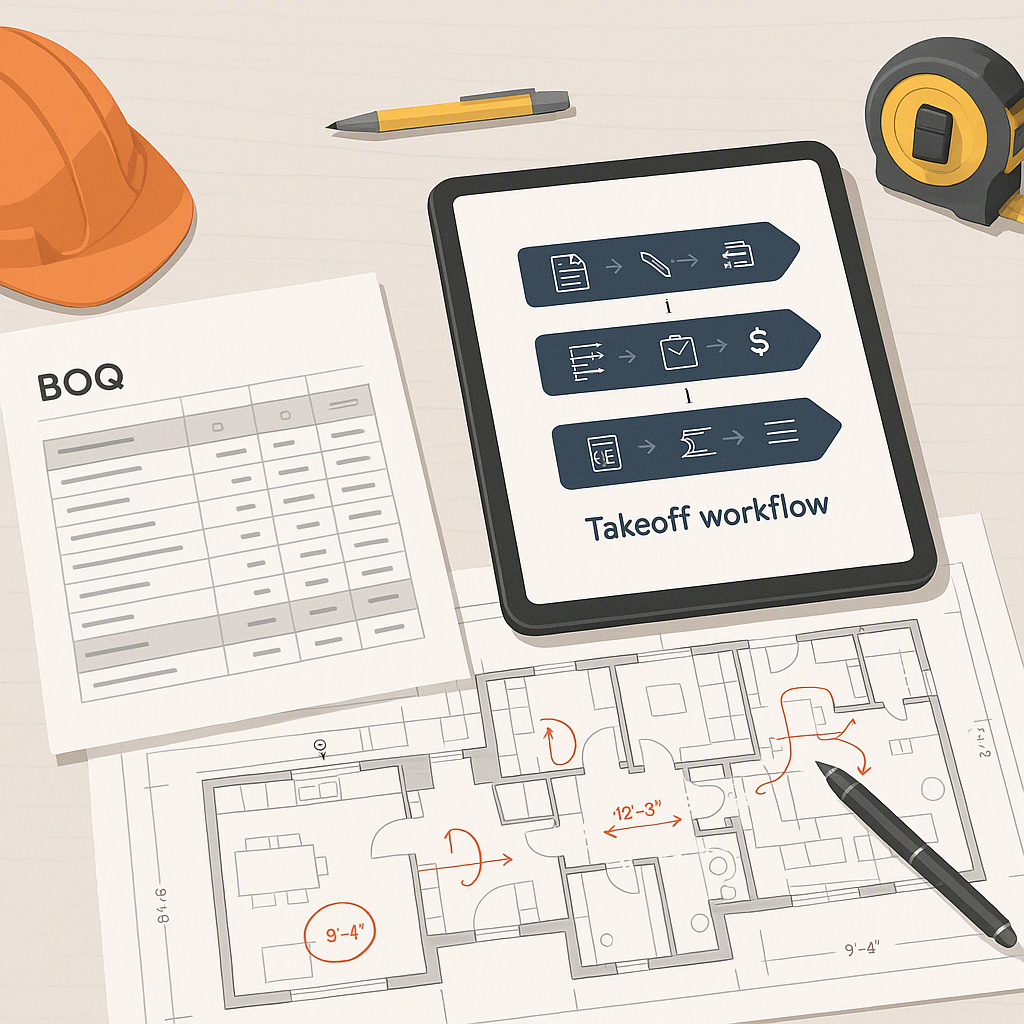
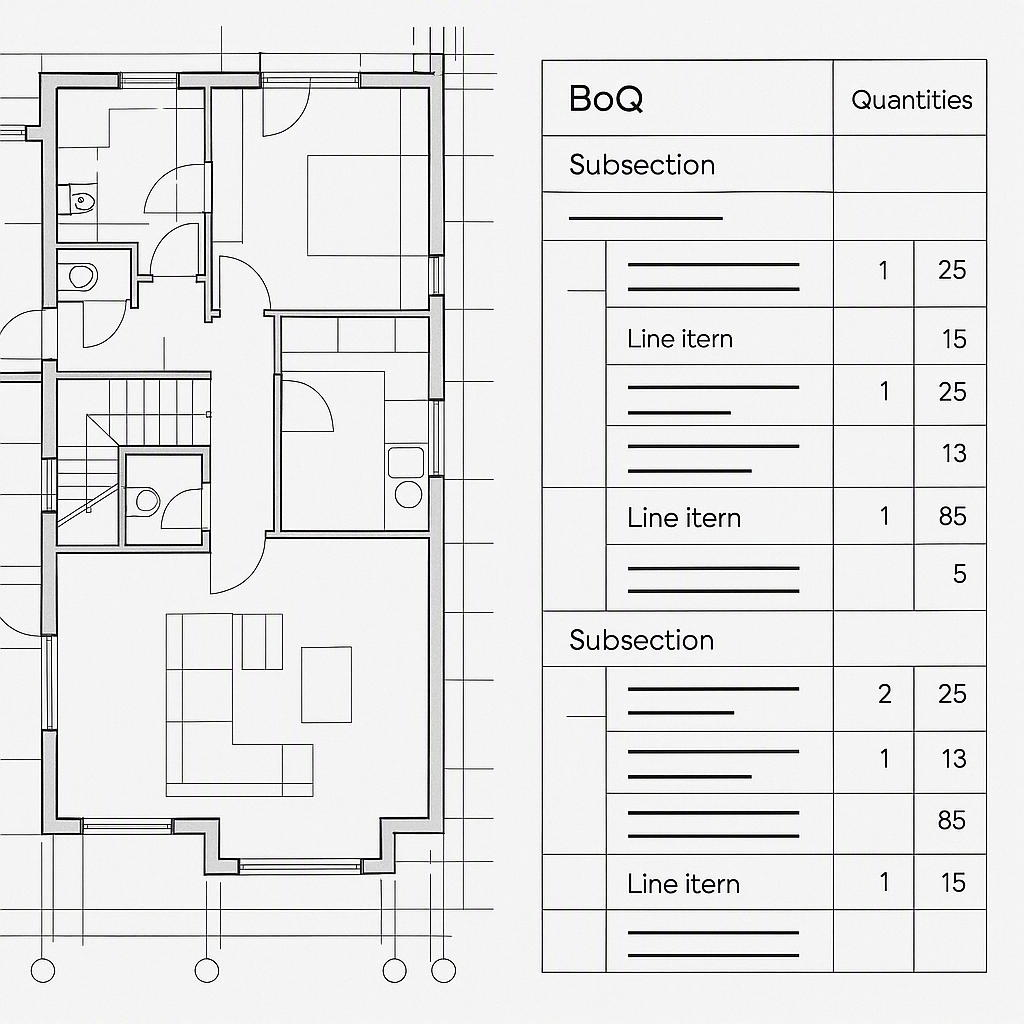
Let’s break this down. Direct costs—materials, labor, subcontractor payments—are the easy part. You account for them in your BOQ (Bill of Quantities). But indirect costs? Those are the silent killers. Think equipment that sits idle for 30% of the month. Or the RA bill you forgot to send on time. Or worse, vendor invoices you’ve already paid but forgot to reconcile in your books. Each of these eats into your margins, and by the time you realize it, the damage is done.
Where Contractors Typically Bleed Money
Here’s where we see the most revenue leaks:
- Unbilled Work: Missed RA bills or delayed stage-wise invoices. Every delay in billing is free credit to your client.
- Idle Equipment: Machines purchased or rented but underutilized. A 2026 study in ACM Digital Library highlights how a lack of real-time tracking leads to 40% underutilization of assets in mid-sized projects.
- Procurement Chaos: Manual RFQ and PO processes often result in multiple vendors for the same item, higher costs, and missed discounts.
- Poor Subcontractor Oversight: Overpayment due to inaccurate progress measurements.
The Real Cost of Missing Data
Let’s look at numbers. Say you run a mid-sized HVAC contracting firm managing 10 concurrent projects. Without proper cost tracking, it’s easy to miss 2-3 RA bills a month. If each bill is worth ₹15 lakh, that’s ₹30-45 lakh in delayed revenue every month.
What about idle equipment? A single excavator costs ₹3,000 per day to rent. If it’s sitting idle 25% of the time, that’s ₹22,500 wasted every month—per unit. Multiply that across 10 machines, and you’re burning ₹2.25 lakh monthly without even realizing it.
Now, add procurement inefficiencies. A project needing 1,000 bags of cement might see vendors delivering in irregular batches, causing delays or overstocking. The resulting cost overruns? Easily 5-10% of project value.
Fixing the Problem: Real-Time Cost Tracking
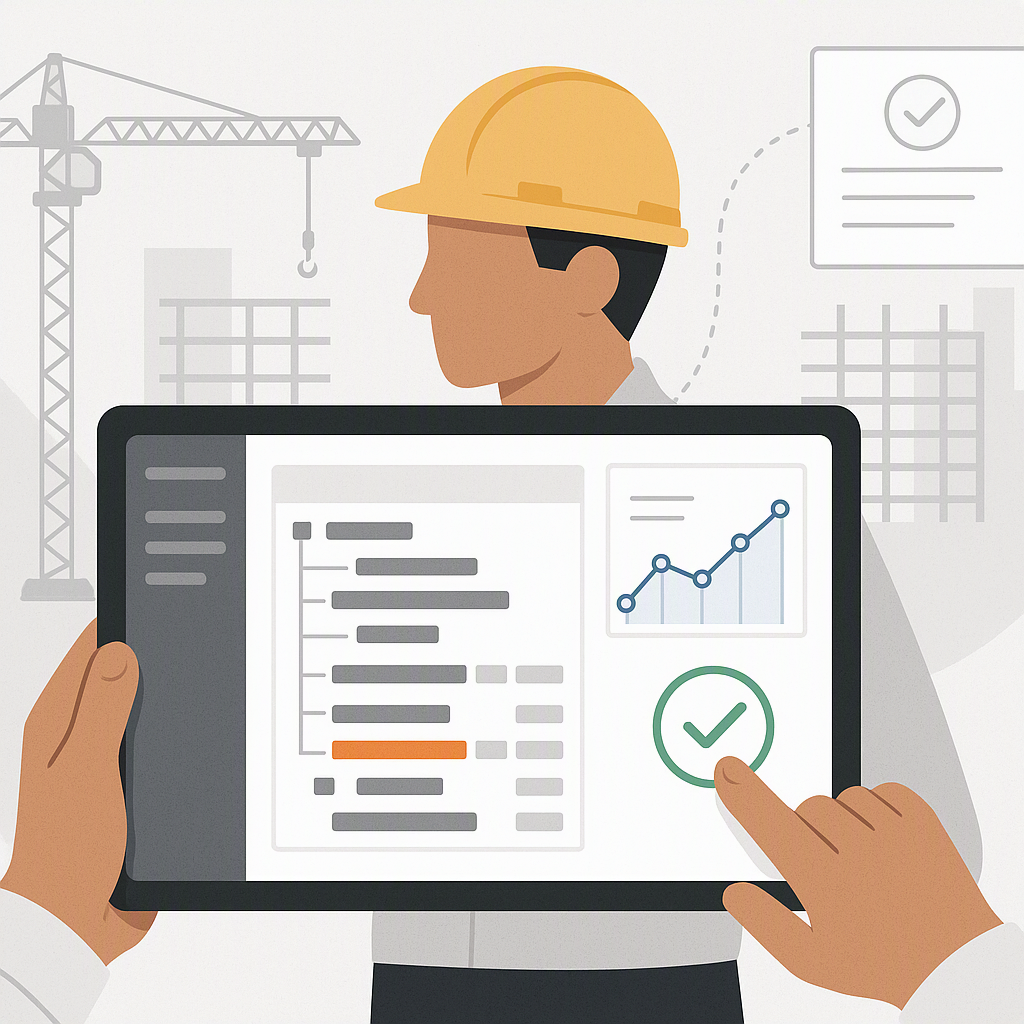
The solution isn’t just better planning; it’s better systems. Real-time project profitability monitoring can save contractors from these margin killers. Tools like JobNext integrate every aspect of project execution—BOQs, billing, procurement, and equipment lifecycle—into one platform. This isn’t just convenience; it’s margin protection.
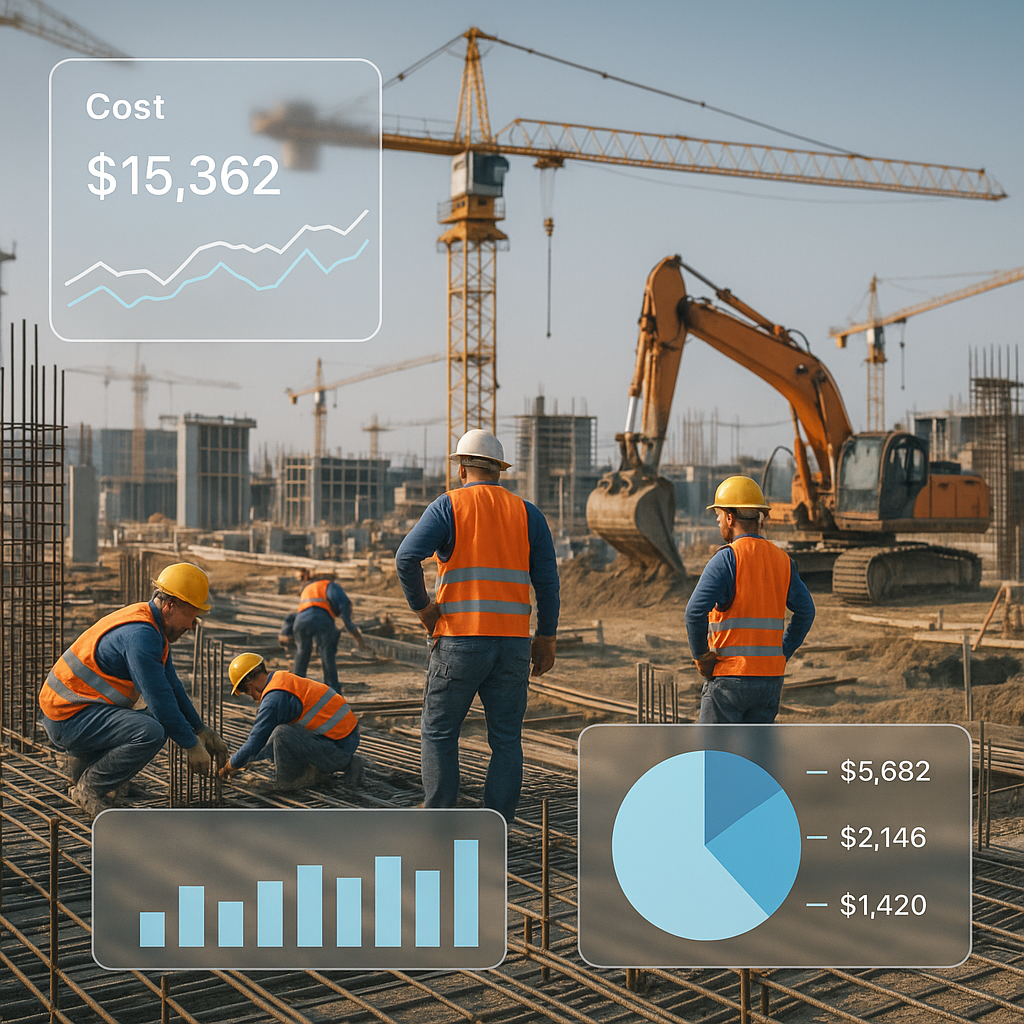
For example, JobNext’s 5-factor resource estimation links your BOQ to actual usage data. If 1,000 bags of cement are allocated to a project, the system tracks every issued bag, preventing overuse or theft. And its real-time dashboards give you profitability updates on every project down to the last line item. No more surprises at the end of the month.
Practical Steps to Improve Cost Tracking
Here’s how to get started:
- Centralize Your Data: Use a unified platform like JobNext to consolidate BOQs, RFQs, POs, and invoices.
- Automate Billing: Map all six billing methods—RA, stage-wise, monthly, supply BOQ, combined, and one-time—so nothing falls through the cracks. Here’s a deeper dive.
- Monitor Equipment Utilization: Implement asset tracking to ensure machines are either producing or scheduled for maintenance. Idle time should be zero.
- Control Subcontractor Costs: Track progress-based measurements to validate payments. No progress, no payout.
- Set Alerts for Procurement: Automate reorder points and approval workflows to avoid last-minute purchases.
Skeptical? Here’s What the Data Says
According to Smartsheet, contractors who adopt integrated cost management systems see a 20-30% reduction in indirect costs within 12 months. And while the upfront investment might seem steep, the ROI is undeniable. For a contractor managing ₹100 crore in annual projects, a 5% margin improvement means ₹5 crore in recovered profits.
Final Thoughts
Construction cost management isn’t just about cutting expenses. It’s about visibility—knowing where every rupee is going, when it’s being spent, and whether it’s driving value. The tools you use can make or break your margins. If you’re still relying on spreadsheets and disjointed systems, you’re setting yourself up to fail.
As we’ve seen, solutions like JobNext don’t just help you track costs. They help you control them. And in an industry where margins are razor-thin, that control can be the difference between growth and going under.
So, what’s next? If you’re serious about improving profitability, start by plugging the leaks. Track everything—every BOQ line, every machine hour, every invoice. The results will speak for themselves.
Want to learn more about how JobNext can help? Check out this article: Why Contractors Lose Margins Without a Cloud ERP (And How to Fix It).
Learn more at EstimateNext