The Hidden Cost of Manual Takeoffs
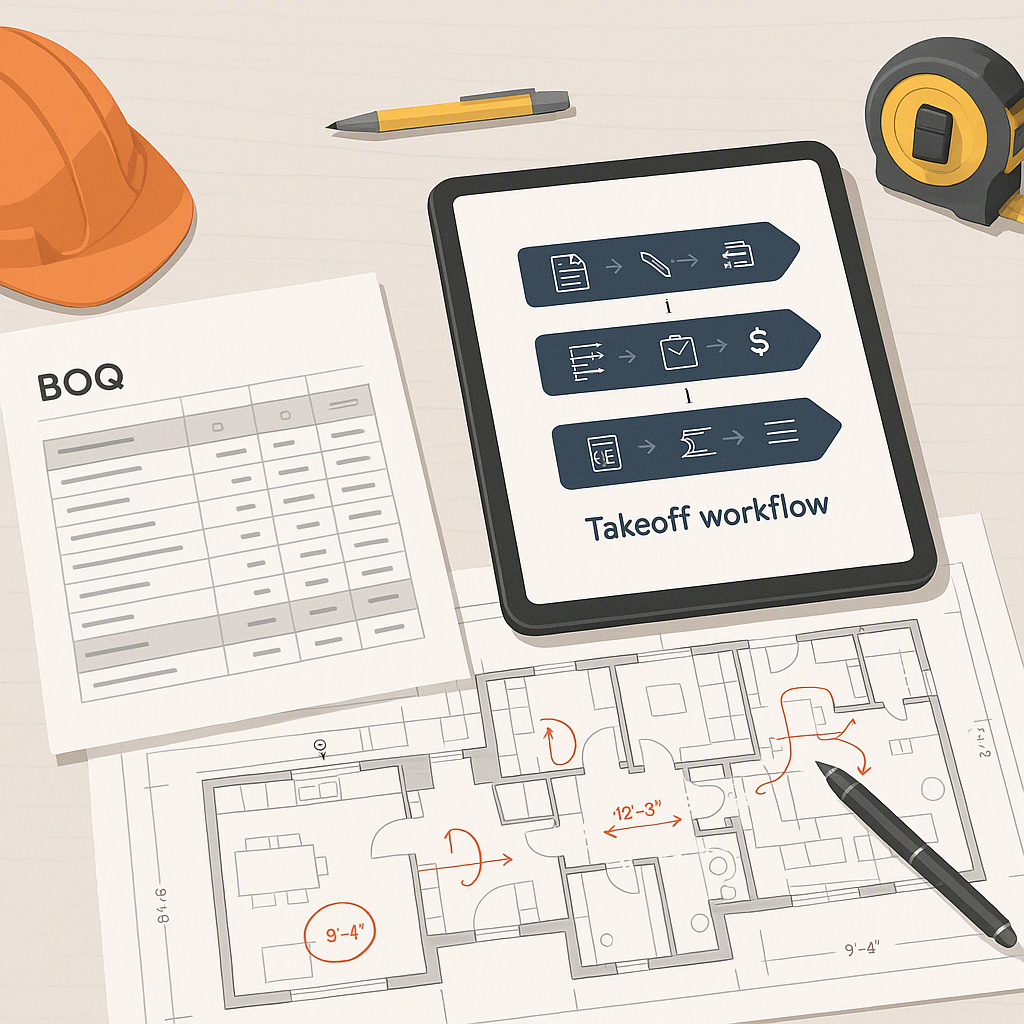
If you've ever stayed up past midnight manually measuring blueprints, you know the grind. It's not just time-consuming; it's error-prone. A single mistake in material quantities or labor hours can cost you thousands, either in overbidding (and losing contracts) or underbidding (and draining your margins). In today's competitive construction market, those margins are already razor-thin, so every misstep hurts.
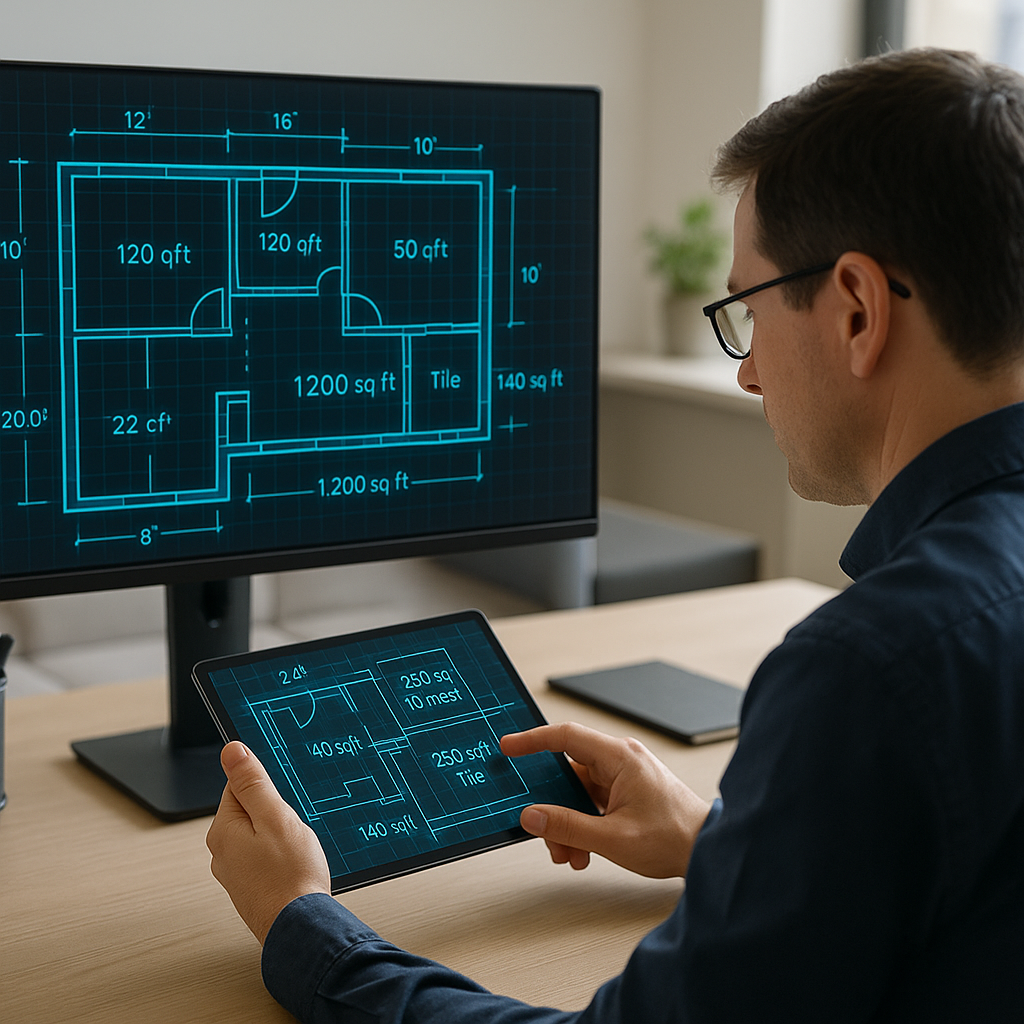
In 2024, AI takeoff software is flipping this script for contractors. AI can now process digital blueprints in minutes, identify every wall, beam, and floor, and spit out quantities with over 98% accuracy (source). That’s not just a convenience—it’s a game-changer for anyone still stuck in Excel or outdated CAD tools.
Why Manual Takeoffs Are Costly Beyond Just Time
Manual takeoffs are more than just labor-intensive—they carry hidden costs that can significantly impact your profitability. Let’s break this down further:
1. Time-Intensive Labor
According to EstimateNext, manual takeoffs take an average of 40 hours per project. If your team bids just 50 jobs a year, that’s 2,000 hours gone. At ₹1,500/hour (a conservative estimator rate), you’re spending ₹30L annually on labor alone. That’s a significant chunk of your operating budget that could be better utilized elsewhere.
2. Human Error Risks
Humans are fallible, especially when working under tight deadlines. A single error in calculating materials or labor hours can lead to:
- Overbidding: You lose the job because your quote is too high.
- Underbidding: You win the job, but your profit margins are destroyed—or worse, you operate at a loss.
For example, consider a mid-size project that requires 10,000 sq. ft. of flooring. A miscalculation of just 5% means you’re either overestimating by ₹50,000 or underestimating by the same amount. Multiply such mistakes across multiple projects, and the losses quickly add up.
3. Opportunity Costs
Every hour spent on manual takeoffs is an hour you’re not spending on higher-value tasks, like client acquisition, project oversight, or team training. Contractors often find that switching to AI frees up their senior estimators to focus on strategic growth initiatives instead of being bogged down by repetitive tasks.
How AI Takeoff Software Changes the Game
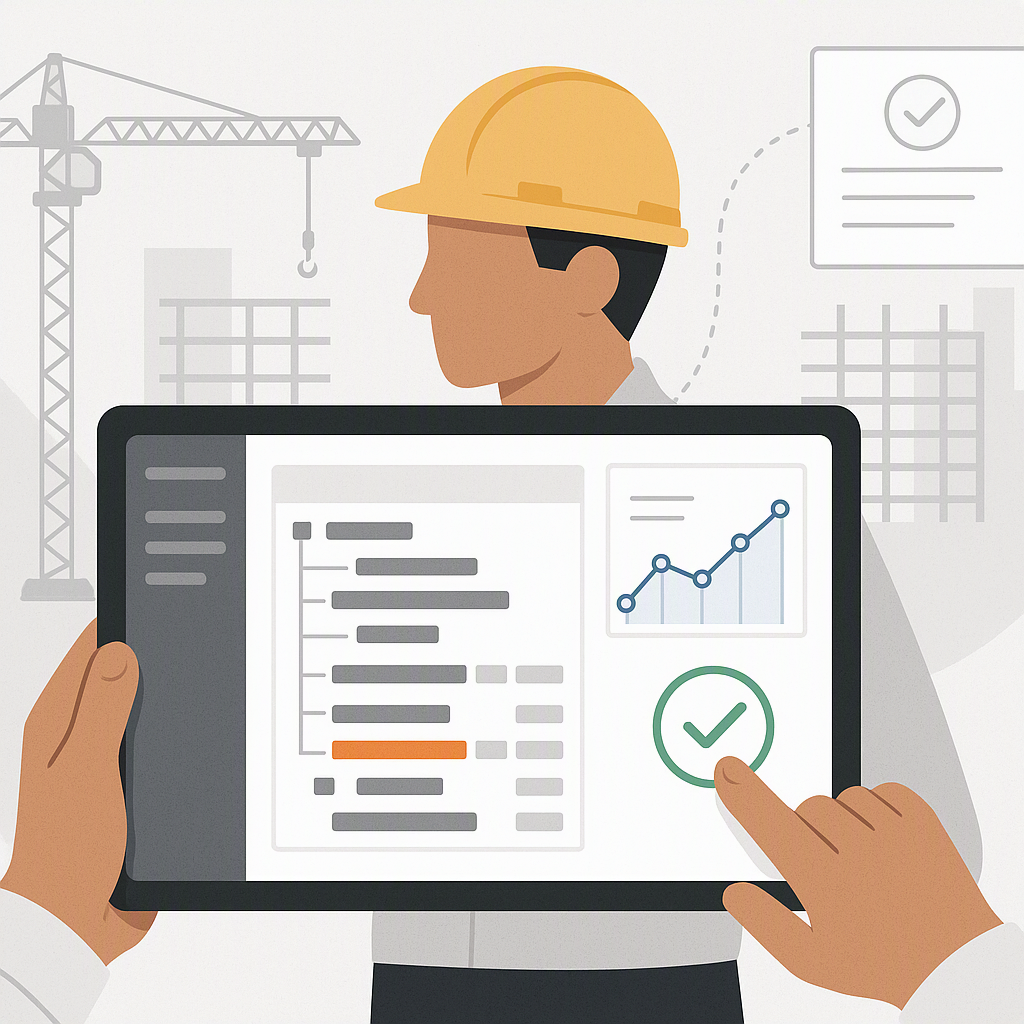
AI takeoff software isn’t just about speed; it’s about transforming the entire estimation process into a streamlined, error-resistant workflow. Let’s dive into the specific benefits:
1. Speed and Scalability
AI tools can process digital blueprints in minutes, not hours. For instance, a 40-hour manual takeoff can often be completed in under an hour with AI. This means you can bid on more projects without needing to hire additional staff.
2. Unmatched Accuracy
Modern AI tools boast over 98% accuracy. They don’t just measure—they cross-check quantities against historical project data and industry benchmarks. For example:
- Case Study: A contractor using JobNext’s AI-powered takeoff tool found that their steel quantity estimates improved by 15%. On a ₹1Cr structural project, that accuracy prevented a ₹15L budgeting error.
3. Built-In Intelligence
AI tools like JobNext include features like:
- Automatic detection of walls, beams, and floors.
- Suggestions for optimal material usage based on past jobs.
- Waste factor calculations, ensuring you don’t overorder materials.
Practical Example: Flooring Takeoff
To better understand how AI can revolutionize your workflow, let’s examine a real-world scenario:
Scenario: Commercial Flooring Project
You’re bidding on a commercial project requiring 10,000 sq. ft. of flooring. Here’s how the process differs between manual and AI takeoffs:
| Task | Manual Takeoff | AI Takeoff |
|---|---|---|
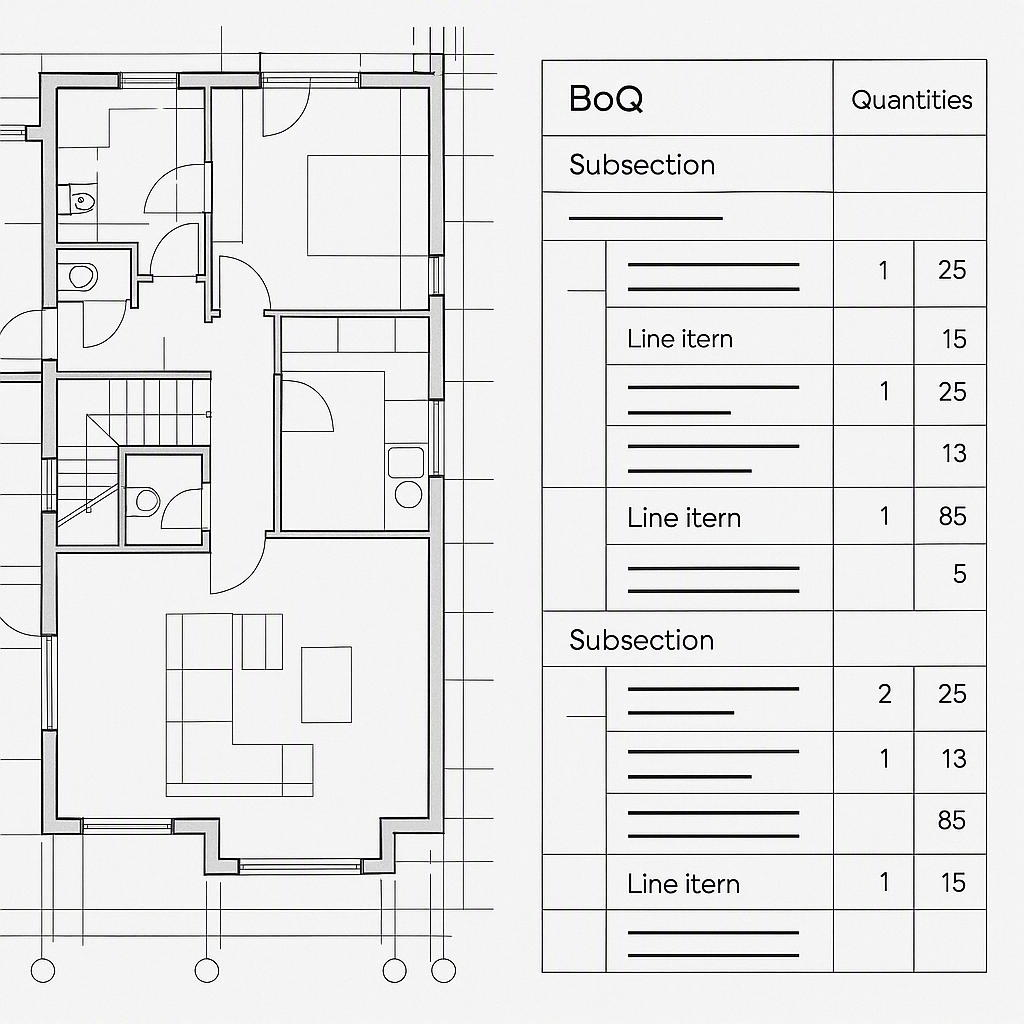
| Measurement | Measure each room manually, record data in Excel. | AI scans blueprint and auto-calculates dimensions. |
| Wastage Calculation | Manually estimate wastage (e.g., 10%). | AI includes wastage based on past projects. |
| Material Optimization | Requires manual cross-referencing with supplier catalogs. | AI suggests optimal materials and quantities. |
| Time Spent | ~20-40 hours | <1 hour |
Results
- Manual Overordering: Contractors typically order 10-15% more material than needed to account for errors.
- AI Optimization: One contractor using AI reduced overordering by 12%. On a ₹25L flooring job, that’s ₹3L saved directly on materials.
Integration with Full-Stack ERPs
AI takeoff tools don’t operate in isolation. The best systems integrate seamlessly with ERP (Enterprise Resource Planning) platforms, creating a fully interconnected workflow.
How Integration Works
Here’s an example workflow with JobNext:
- Takeoff: AI generates material and labor quantities.
- Estimate Approval: Quantities are reviewed and converted into a formal estimate.
- Material Requisition (MR): Approved estimates auto-populate procurement workflows.
- Vendor RFQ: Requests for quotes are sent to vendors.
- Purchase Order (PO): Final orders are placed, ensuring every transaction aligns with the approved budget.
Benefits
- Budget Discipline: Every purchase matches the approved BOQ (Bill of Quantities).
- Reduced Errors: Human intervention is minimized, lowering the risk of costly mistakes.
- Time Savings: Procurement teams save hours by avoiding redundant data entry.
Why Some Contractors Still Resist
Despite the clear benefits, some contractors hesitate to adopt AI takeoff tools. Common reasons include:
1. Fear of the Learning Curve
Many contractors worry that AI tools will be too complex to use. However, modern platforms are designed with user-friendly interfaces. For instance, EstimateNext’s dashboard allows even junior estimators to complete a full takeoff after just one training session.
2. Initial Cost Concerns
While AI tools require an upfront investment (usually ₹5,000–₹20,000 per month), the ROI is undeniable. Contractors frequently report savings of ₹3L or more annually, even after accounting for software costs.
3. Resistance to Change
Some teams are simply used to their old processes. However, this mindset often leads to stagnation. Contractors who embrace technology tend to outbid and outperform their competitors, especially in fast-moving markets.
FAQ
Q: Can AI takeoff tools handle complex projects like MEP or HVAC?
A: Yes. Modern tools are trained on diverse construction datasets, making them capable of parsing complex blueprints for trades like MEP, HVAC, and more. For example, they can identify ductwork layouts, piping systems, and electrical schematics with high accuracy.
Q: What happens if the AI makes a mistake?
A: While AI is highly accurate, human review is still recommended for high-stakes projects. The key is that AI reduces the manual workload so you can focus on verification rather than grunt work.
Q: How much does AI takeoff software cost?
A: Pricing varies, but most tools range from ₹5,000 to ₹20,000 per month. Compared to labor costs, the ROI is significant. For example, replacing 2,000 hours of manual takeoffs with AI can save ₹30L annually in labor costs.
Q: Is AI only for large contractors?
A: Not at all. Small to mid-size contractors benefit the most because they often lack the manpower for manual takeoffs. AI levels the playing field, allowing smaller firms to compete with larger players.
Q: How secure is my data with AI tools?
A: Reputable platforms like EstimateNext use advanced encryption and data protection protocols to ensure your project information is secure.
The Bottom Line
AI takeoff software isn’t just a luxury anymore—it’s a necessity for contractors who want to stay competitive in 2024. The combination of speed, accuracy, and integration with ERP systems like JobNext ensures that you’re not just bidding faster but bidding smarter.
Want to see how this works in action? EstimateNext’s case studies highlight contractors who’ve slashed bid times by 90% while boosting win rates. It’s not just hype—it’s happening now.
If you’re tired of losing bids or bleeding margins, JobNext can help. Get started free →
Learn more at EstimateNext