Top 5 Challenges in Multi-Project Cost Tracking for Indian Contractors—and How ERP Can Solve Them
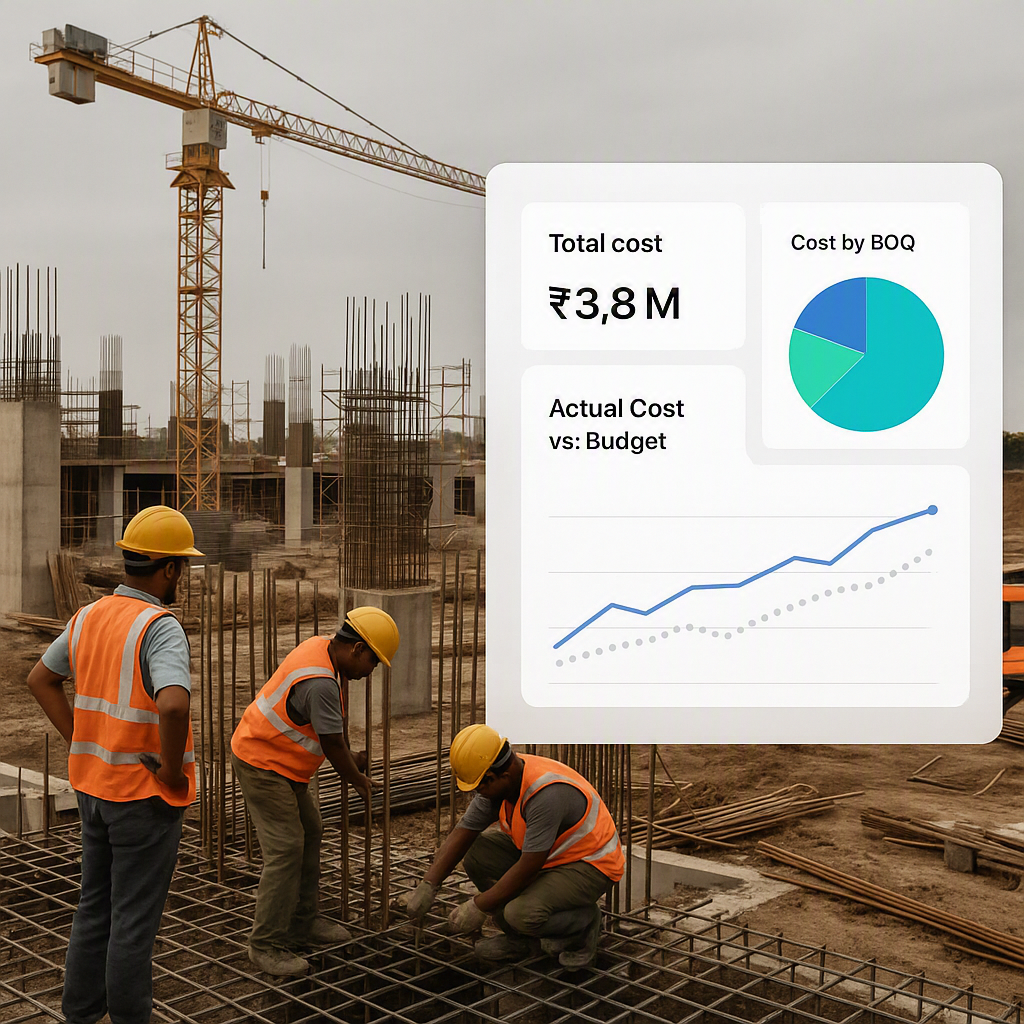
Margins in Indian contracting are thin. If you're running multiple projects, the math gets brutal. Every missed cost, delayed entry, or bloated invoice eats into your profit. What's worse? Most contractors don't even see it happening until the final reconciliation.
We’re breaking down five specific cost tracking challenges and how ERP systems can tackle them head-on. No fluff, just practical solutions.
1. Budget Overruns from Material Purchases
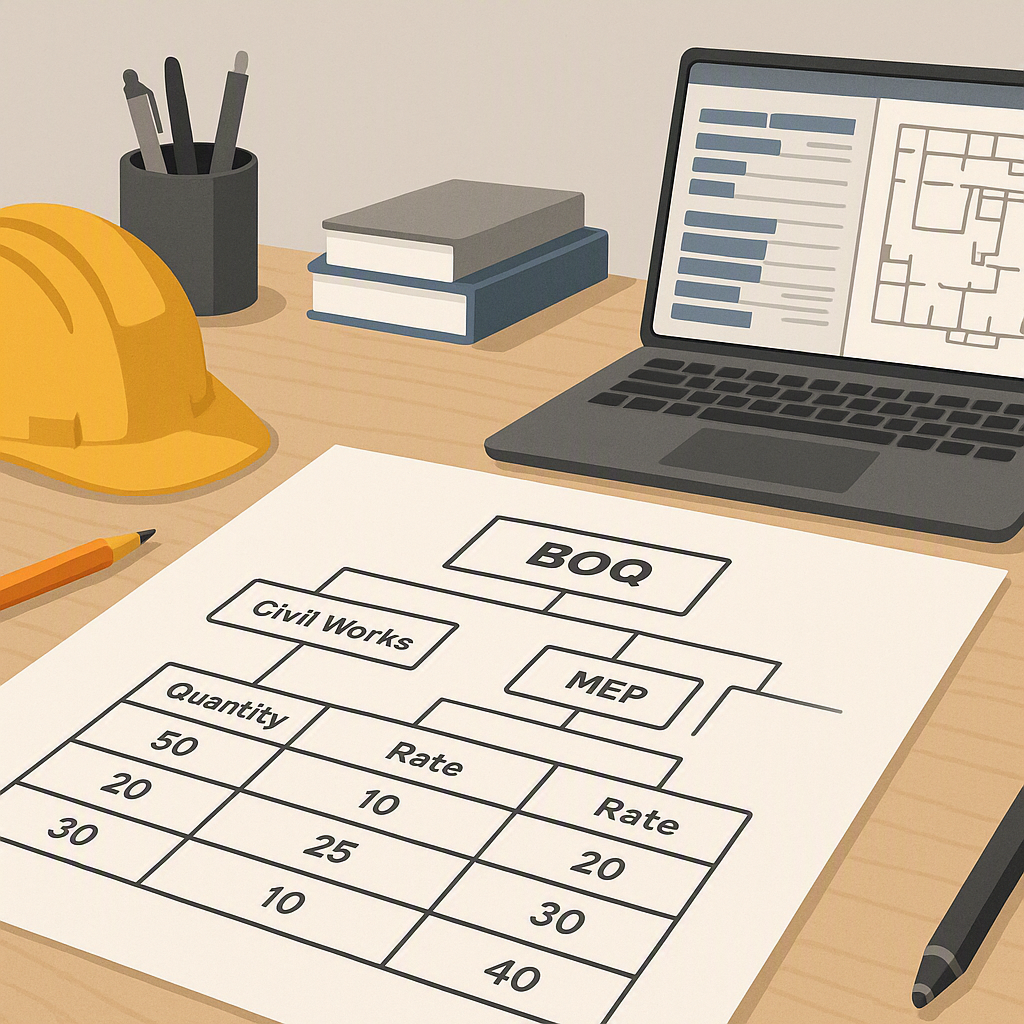
Every contractor has faced this: a project starts strong, but somewhere along the way, material costs balloon. Why? Poor tracking and approvals. When material requisitions aren’t linked to the BOQ or budget, it’s easy to overspend.
How ERP Helps
ERP systems enforce budget validation on every material requisition (MR). Procurement modules in ERP systems check every MR against the approved budget before it moves forward. If a site manager requests materials exceeding the budget, the system flags it. Managers get alerts before money leaves the account.
What to watch for: Don’t ignore alerts or skip the approval process. If you override the budget checks, the ERP can’t save you.
2. Revenue Leakage From Unbilled Work
Ever had a subcontractor finish work but forget to bill it? Or worse, your team completes a milestone but the RA bill doesn’t reflect it? These gaps can significantly impact cash flow.
How ERP Helps
ERP billing modules solve this with multiple billing methods, including RA Bills, stage-wise, and supply BOQ. Work completed at any site triggers automated billing workflows. Once measurements are approved, invoices flow into accounts receivables.
What to watch for: Measurement approvals are the linchpin. If site engineers don’t update progress, billing workflows stall.
3. Duplicate Vendor Payments
Managing vendors across multiple sites is chaotic. Without centralized systems, duplicate payments can occur—especially for recurring materials like cement or aggregates.
How ERP Helps
ERP systems eliminate duplicates by collating MRs from all sites and recommending bulk orders based on existing stock levels and rate contracts. The system automatically flags duplicate purchase orders or payments.
What to watch for: Rate contracts must be updated regularly. Old rates can lead to overpayment.
4. Ghost Workers on Payroll
Large projects with temporary labor are prime targets for payroll fraud. Ghost workers—nonexistent staff added to payroll—are a common issue. Every fake entry is money out of your pocket.
How ERP Helps
ERP HR modules tie payroll directly to attendance and site allocation. Staff must clock in via geo-tagged attendance apps. If no worksite is assigned, payroll doesn’t process payments.
What to watch for: Geo-tagging requires consistent connectivity. Rural sites with poor network coverage can disrupt tracking.
5. Untracked Equipment Utilization
Idle machinery drains money faster than bad estimates. Contractors often lose track of which equipment is sitting idle, leading to unnecessary rentals or purchases.
How ERP Helps
ERP systems track the full lifecycle of equipment—procurement, utilization, production, and disposal. Utilization reports show which machines are underused. For example, if an excavator’s utilization rate drops significantly, the system flags it for reallocation or rental suspension.
What to watch for: Reports are only as good as the data entered. Make sure every equipment movement is logged.
Common Mistakes in Cost Tracking
- Skipping reconciliations: Monthly reconciliations catch errors early. Don’t delay them.
- Ignoring alerts: ERP systems flag issues for a reason. Address them immediately.
- Under-training staff: If your team doesn’t understand the ERP, errors will multiply.
FAQ
Q1: How do I get my team to adopt ERP systems?
Start small. Focus on one module—like procurement—before expanding to others. Build confidence in the system.
Q2: Can ERP prevent all cost overruns?
No, but it drastically reduces the chances. Human error still plays a role.
Q3: How long does ERP implementation take?
For mid-size contractors, setup usually takes a few months. Customizations may extend this.
Q4: What’s the ROI on ERP for contractors?
ERP systems can help reduce waste and improve margins, leading to significant cost savings over time.
Q5: How does ERP handle compliance?
Systems automate GST/TDS computation and integrate directly with platforms like Tally for reporting.
Final Thoughts
Cost tracking across multiple projects isn’t optional—it’s survival. The challenges are real, but so are the solutions. ERP systems don’t just simplify workflows; they save margins.
If you're dealing with cost tracking challenges, ERP can help.
Learn more at EstimateNext