Top 5 Challenges Faced by Indian FM Companies and How ERP Can Solve Them
Facility management (FM) is not just about maintaining buildings anymore. With clients demanding more transparency, efficiency, and compliance, FM companies in India are juggling multiple challenges. From managing multi-site operations to ensuring compliance with evolving regulations, the stakes are high—and so are the risks of revenue leakage.
Here’s a breakdown of the top five challenges and how a well-implemented ERP system can make a real difference.
1. Multi-Project Cost Tracking is a Mess
Imagine this: You're running multiple projects across different sites. Materials are being requisitioned, labor is being allocated, and billing is happening—yet you have no real-time visibility into which projects are profitable and which are bleeding cash. Sound familiar?
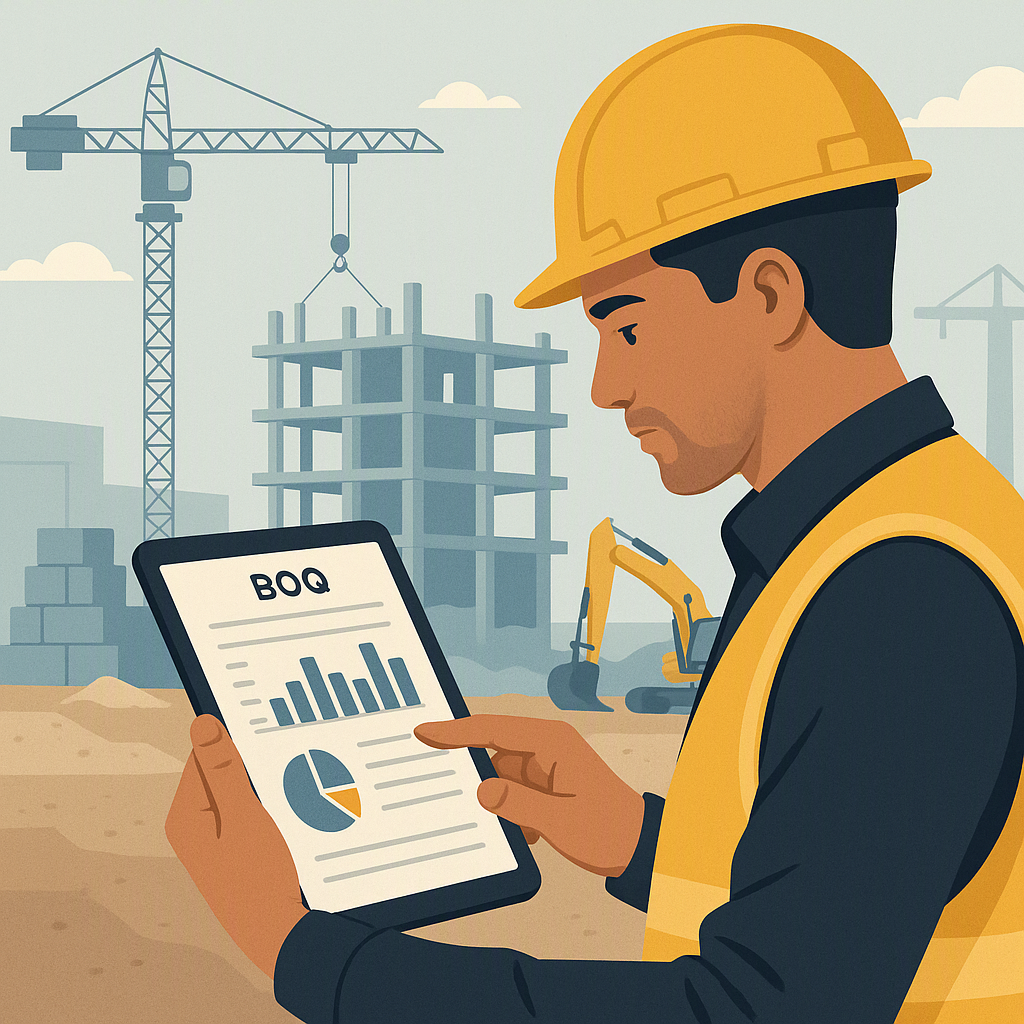
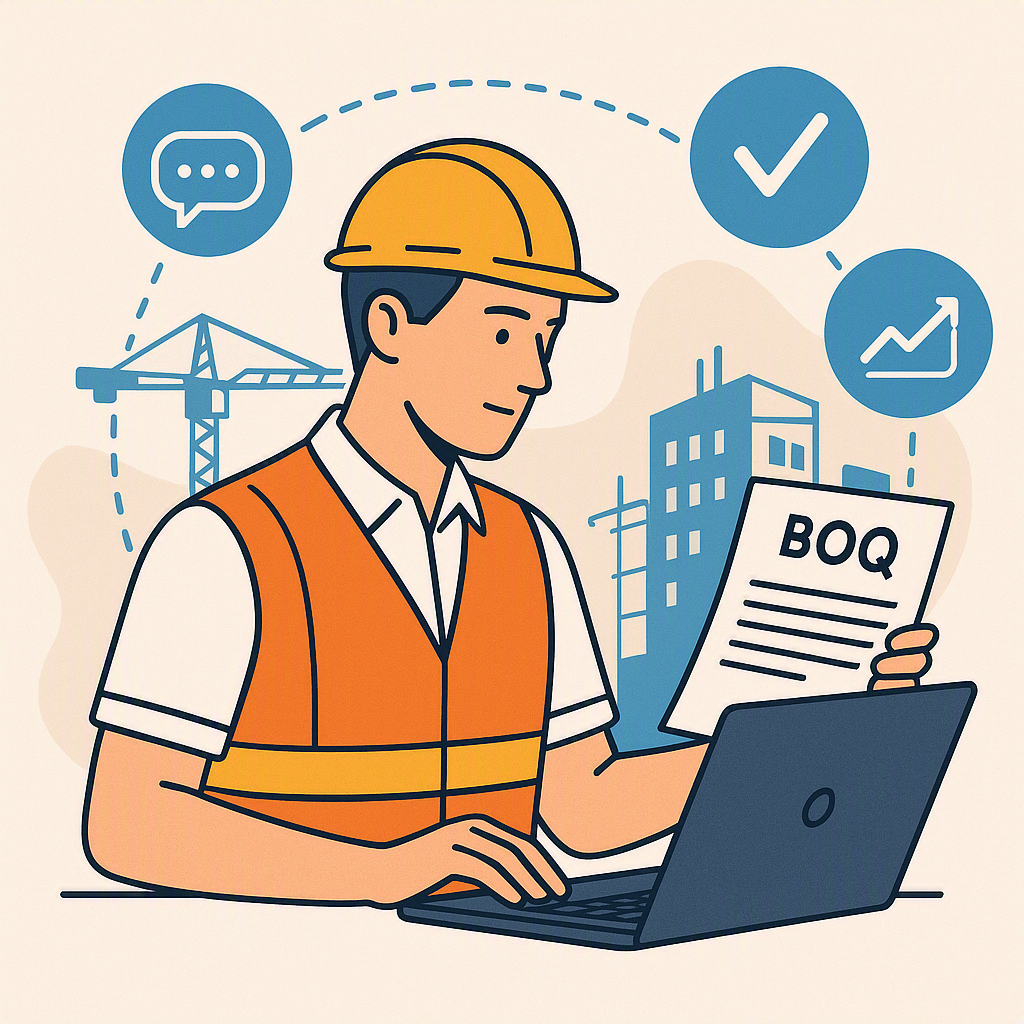
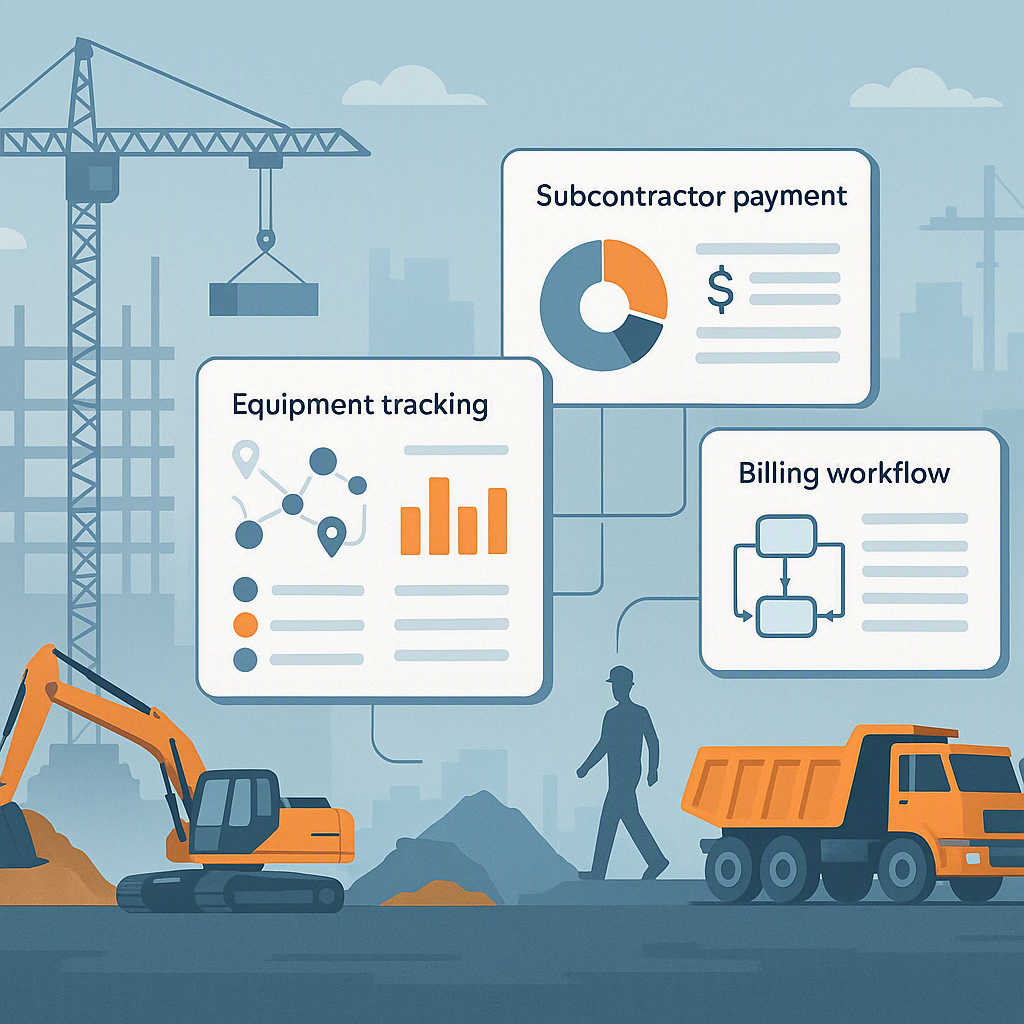
Without a centralized system, tracking BOQ (Bill of Quantities) costs, scope budgets, and actual expenses becomes a nightmare. ERP tools solve this by offering real-time project profitability monitoring. You can track costs against BOQs, scopes, and estimates, flagging overruns before they spiral out of control. For example, if a subcontractor’s RA bill exceeds the approved budget, the system halts the payment and triggers an alert.
Why it matters: Poor cost tracking can lead to significant financial losses. A centralized ERP system helps prevent such issues by providing real-time insights.
2. Compliance is a Moving Target
Regulatory compliance in India is no joke. From GST and TDS to PF and ESI, staying compliant across multiple states can feel like a full-time job. And when compliance slips, penalties can hit hard.
A well-designed ERP automates compliance at every step. For instance, it integrates GST and TDS auto-computation directly into workflows. Whether you're issuing POs or processing payroll, the system ensures statutory deductions are calculated and recorded accurately. Plus, with accounting software integration, you can export financial data seamlessly for audits.
Example: Missing a GST filing for inter-state material transfers can result in significant fines. An ERP with built-in compliance checks would flag such issues in advance.
3. Manual Procurement Chaos
Procurement is often where FM companies lose money—not because of fraud, but because of inefficiency. Without a structured workflow, material requisitions (MRs) get delayed, vendor offers are poorly compared, and POs are issued without proper approvals.
ERP systems simplify this with a structured MR → RFQ → Vendor Offers → PO workflow. Every step is tied to budget approvals, and vendor comparisons are documented for an audit trail. This ensures you’re not overpaying or buying materials you don’t need.
Anecdotally: Duplicate POs or delayed approvals can lead to unnecessary costs. An ERP system helps eliminate such inefficiencies.
4. Workforce Management Across Multiple Sites
Multi-site operations come with unique HR challenges—tracking attendance, managing payroll, and allocating staff to the right sites. When these processes are manual, errors are inevitable. Ghost workers, incorrect payroll deductions, and poor resource allocation are common issues.
ERP systems with HR modules simplify this. They offer real-time attendance tracking with geo-location and multi-site payroll management. Staff can even log attendance via mobile apps, reducing dependency on physical registers.
Why it’s critical: Payroll errors and ghost workers can lead to significant financial losses. An ERP system ensures accurate tracking and allocation of resources.
5. Equipment Underutilization
FM companies often own expensive equipment—boom lifts, HVAC tools, generators—that sit idle for months. Without proper tracking, you don’t know which assets are being utilized and which are just eating up depreciation costs.
ERP tools include equipment lifecycle management. From procurement to utilization to disposal, you can track every asset’s productivity. Need to know how often a generator is used? The data’s available in seconds.
Illustrative example: Let’s say you own multiple gensets spread across various sites. An ERP can show which gensets are overworked and which are rarely used, helping you optimize allocations or decide if renting is a better option for specific projects.
FAQ: Common Questions from FM Professionals
Q1: Isn’t ERP too expensive for mid-size FM companies?
ERP used to be a luxury, but SaaS platforms make it affordable. You pay per user, and there’s no need for heavy IT infrastructure.
Q2: How long does it take to implement an ERP?
Implementation timelines vary, but starting with critical workflows like procurement and payroll can help you go live faster. Scaling can happen gradually.
Q3: What if my team isn’t tech-savvy?
Modern ERP systems come with intuitive interfaces and mobile apps. Plus, vendors often offer training and support to ensure adoption.
Q4: Can an ERP handle multi-currency transactions?
Yes. For FM companies operating in GCC, multi-currency support is a must. Many ERP systems support dual GST for Indian operations and GCC VAT compliance.
Q5: How do I measure ROI on an ERP?
Track metrics like cost overruns, compliance penalties, procurement cycle times, and equipment uptime. These indicators will help you evaluate the system’s impact over time.
What’s Next?
If you’re tackling these challenges, an ERP could transform your operations. Explore ERP solutions that offer tools to regain control over costs, compliance, and efficiency.
Learn more at EstimateNext