Stop Trusting Free AI Blueprint Tools: The Hidden Costs Nobody Talks About
AI blueprint tools sound great on paper. Upload a drawing or input some text, and voilà—instant blueprints without the manual grind. What's not to love? Plenty, actually. If you're a contractor who's tried these free tools, you've probably run into issues like missing scope details, vague measurements, or generic outputs that don’t align with your project needs. In my experience, these tools can be risky for anyone running tight margins.
The Problem No One Mentions: Garbage In, Garbage Out
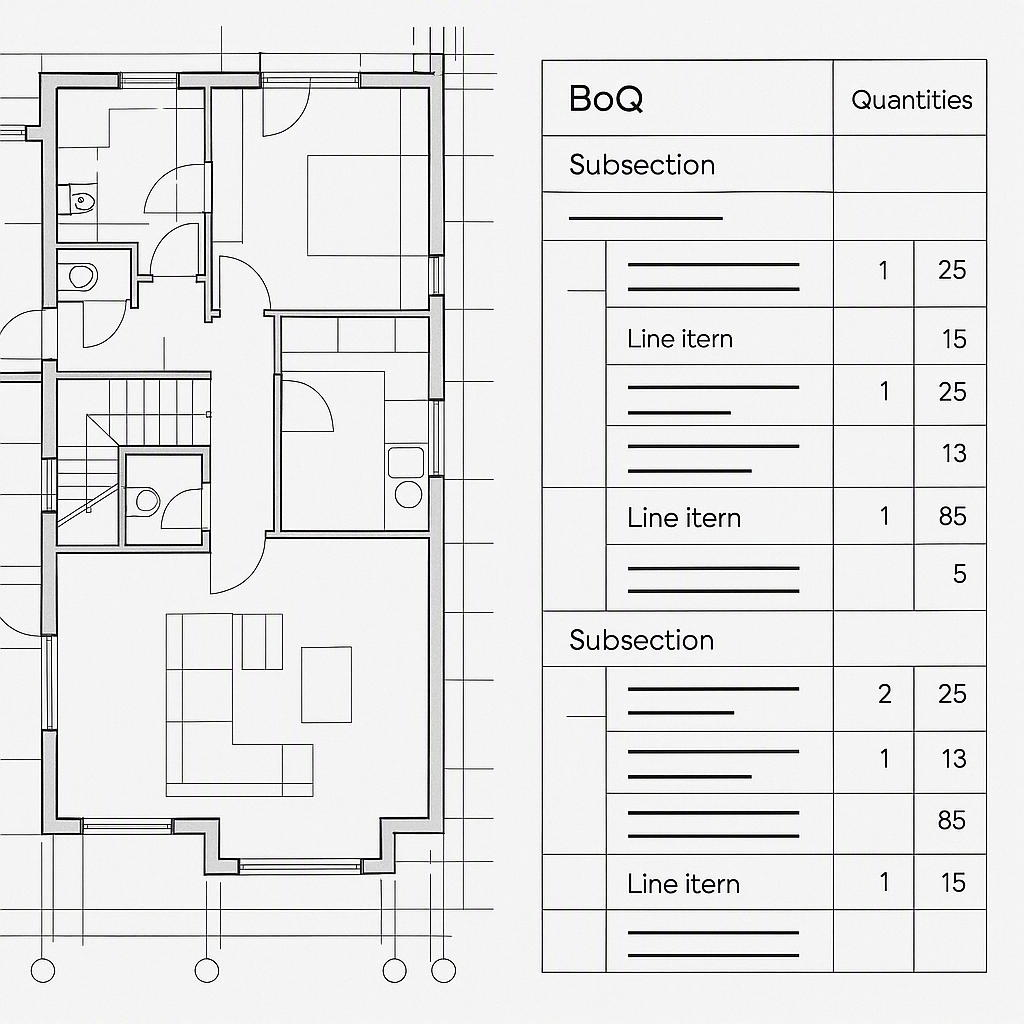
Free AI blueprint generators rely on the inputs you give them. If your starting data is messy—say, unclear BOQs (Bill of Quantities) or incomplete site surveys—the AI-generated blueprint will be just as flawed. And those flaws? They cost you money. The old adage "garbage in, garbage out" applies here more than ever.
Common Failures in Free AI Blueprint Tools
-
Missing Scope Items: Free tools often ignore nuanced project details like specific QHSE (Quality, Health, Safety, Environment) constraints. For example, if your project requires specific safety barriers or environmental protections, free tools rarely account for these automatically. This leads to gaps in execution, and those gaps cost money.
-
Generic Outputs: Many free generators can't handle complex WBS (Work Breakdown Structure) hierarchies, which are essential for accurate resource planning. A tool that doesn’t understand your work breakdown structure might lump unrelated tasks together, creating chaos in execution.
-
Limited Customization: Need multiple quoting methods or BOQ-linked resource estimation? Most free tools fall flat. For instance, estimating costs for both subcontractor labor and internal crews often requires detailed breakdowns that free tools simply don’t provide.
Actionable Steps to Avoid "Garbage In"
- Verify Input Data: Before using any AI tool, ensure your BOQs are complete and site surveys include all necessary constraints.
- Test Outputs Against Past Projects: Use free tools to generate blueprints for a completed project, then compare the AI output to your original plans. This will help you spot weaknesses in the tool.
- Use Supplemental Tools: Combine free blueprint generators with manual reviews or paid validation services to catch errors early.
Real-World Example: Site Surveys Gone Wrong
Let’s talk site surveys. Free blueprint tools typically don’t integrate site-specific constraints properly. For instance, consider a survey that includes QHSE risks like limited access for heavy equipment or specific safety protocols. If your blueprint tool skips these details, your estimates will be way off—and you’ll end up overpaying for labor and machinery on-site.
Case Study: The $50,000 Mistake
A subcontractor in Houston used a free AI blueprint tool to estimate a warehouse renovation. The site survey included critical constraints: the roof height limited crane access, and the area’s soil composition required specialized foundation work. The free tool ignored these entirely, producing a generic blueprint that underestimated costs by $50,000.
How Paid Tools Can Fix This
Paid tools like JobNext’s CRM module ensure scope data from surveys is validated before being used in blueprints. Their system allows contractors to attach photos, QHSE notes, and other relevant data directly to each survey (source). This ensures that nothing important gets lost in translation.
Why Margins Die in Manual Takeoffs
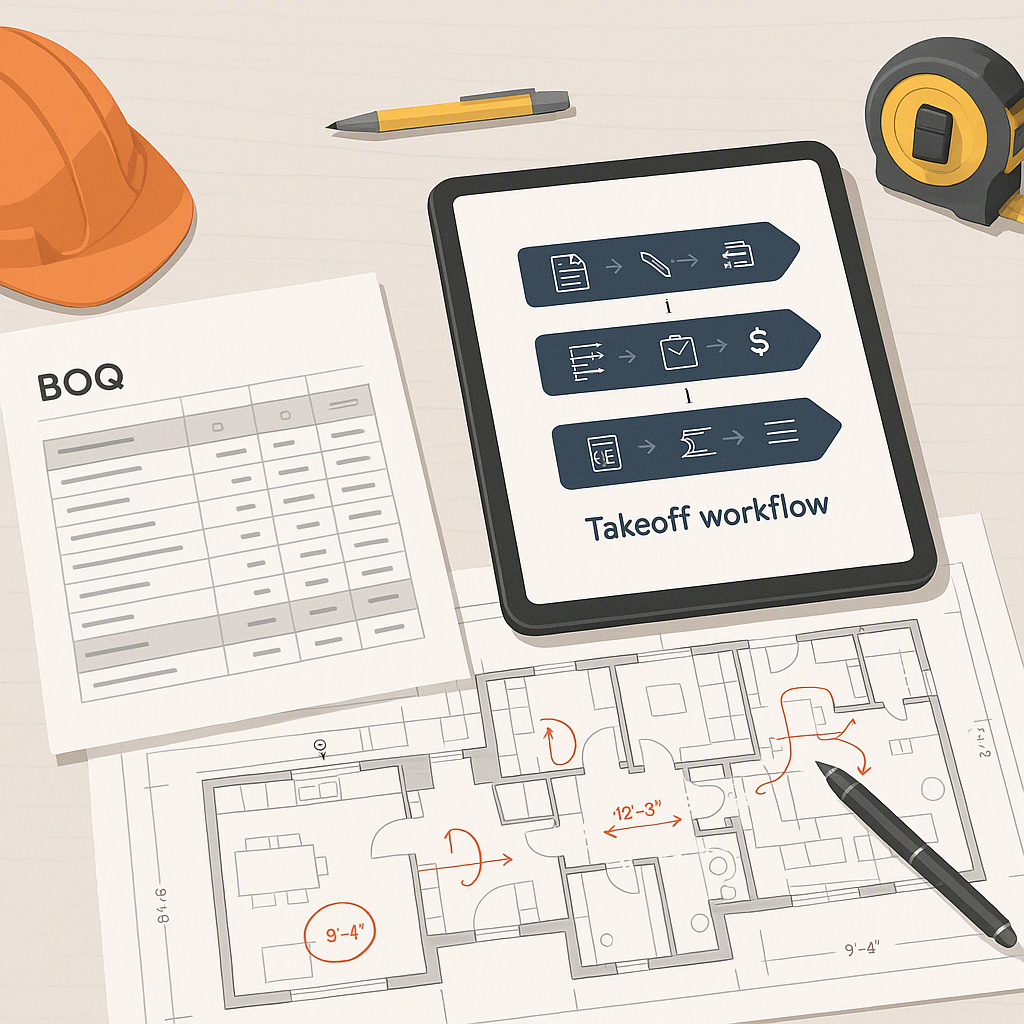
Manual takeoffs are another pain point. Contractors waste 40 hours per estimate manually measuring drawings, often with errors creeping in. Free AI tools promise to cut this down but rarely deliver reliable precision. An estimate with bad takeoff data can snowball into an execution disaster—wrong quantities, under-budgeted materials, and frustrated subcontractors.
The Hidden Costs of Error-Prone Takeoffs
- Material Waste: Incorrect measurements lead to overordering or underordering, both of which eat into your margins.
- Labor Inefficiencies: Crews may waste time waiting for missing materials or working with inadequate resources.
- Delayed Schedules: Errors often cause cascading delays, increasing overhead costs.
Example: Manual vs. AI-Powered Takeoffs
A study by EstimateNext found that contractors using AI-powered takeoffs reduced estimation time from 40 hours to just 10 minutes. More importantly, these tools maintained a 95% accuracy rate, significantly reducing costly errors in execution.
The Procurement Chaos Nobody Warns About
Here’s a scenario I see too often: contractors use free AI tools for blueprint generation, but the outputs don’t integrate seamlessly with procurement workflows. This leads to chaos when converting MRs (Material Requisitions) to RFQs (Requests for Quotes) and POs (Purchase Orders).
Why Free Tools Fail in Procurement
Most free AI blueprint tools focus solely on creating drawings or basic estimates. They don’t account for downstream processes like procurement, where errors can multiply. For example:
- Manual Data Re-Entry: Free tools often require contractors to manually input blueprint data into procurement software, increasing the risk of mistakes.
- Approval Delays: Misaligned blueprint and procurement workflows lead to bottlenecks in approvals, delaying material deliveries.
The Solution: Integrated Platforms
A structured workflow, like the one in JobNext, eliminates this mess. Their system lets you convert blueprint data into procurement steps without manual re-entry, cutting down errors and approval delays. For instance, JobNext’s platform allows contractors to auto-generate RFQs and POs directly from BOQs, ensuring consistency and speed.
The Fix: Choose Tools That Do More Than Blueprints
Free AI blueprint tools aren’t useless, but they’re far from reliable for complex projects. If you're serious about maintaining margins, look for solutions that integrate blueprint generation with execution workflows. For example, JobNext doesn’t just generate blueprints—it links BOQs, WBS templates, and resource estimates directly to execution scopes (source).
Features Worth Paying For
| Feature | Free Tools | Paid Tools |
|---|---|---|
| BOQ Validation | Limited or non-existent | Comprehensive validation |
| Integrated Procurement | Not supported | Seamless RFQ and PO creation |
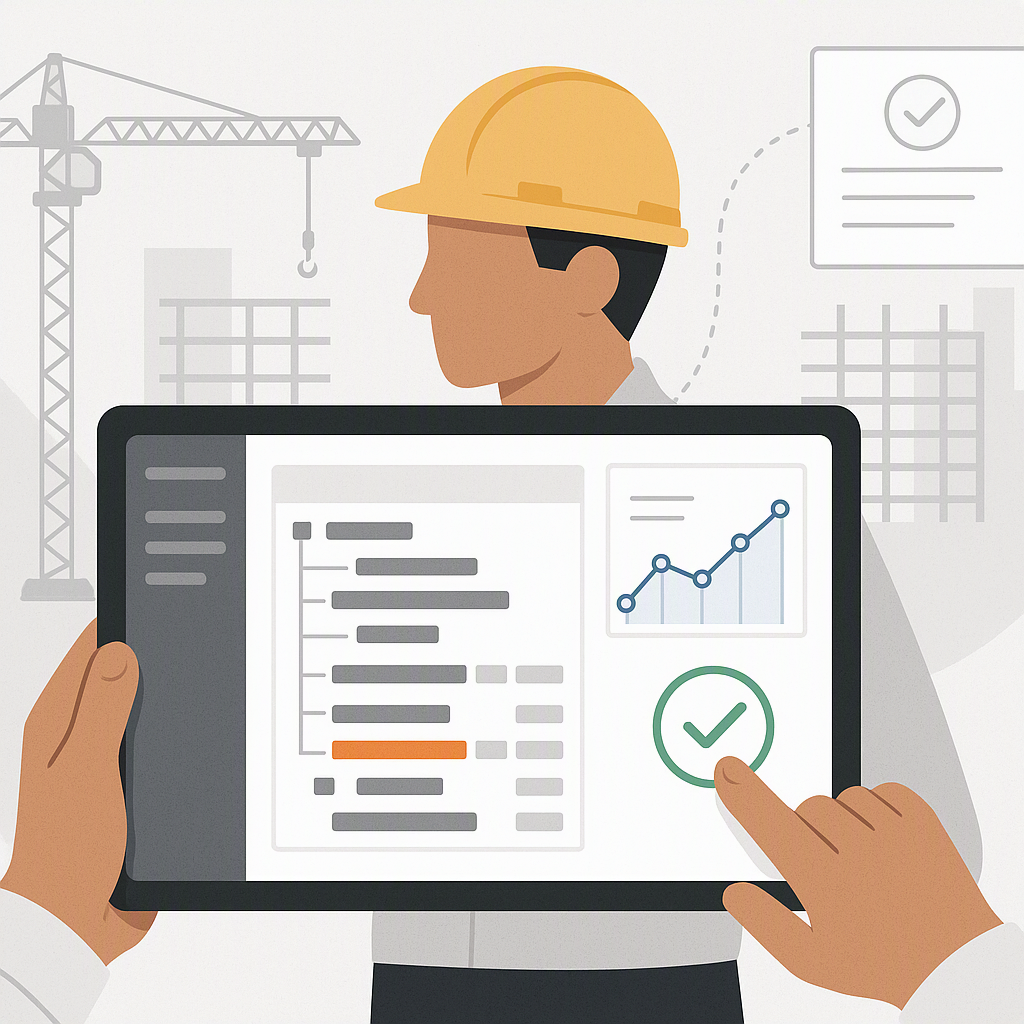
| Real-Time Dashboards | Rare | Detailed progress tracking |
| AI-Powered Takeoffs | Low accuracy | High precision and speed |
Actionable Steps for Contractors
- Audit Your Current Tools: Identify gaps in your workflow where free tools cause issues.
- Test Paid Solutions: Many platforms offer free trials or demos—take advantage of these to test integrations.
- Train Your Team: Invest in training for your staff to maximize the ROI of paid tools.
FAQ
Q1: Are free AI blueprint tools ever worth it?
They’re fine for basic, small-scale projects with simple scopes. But for larger jobs, the hidden costs of fixing bad outputs usually outweigh the “free” price tag.
Q2: What’s the biggest risk with free blueprint tools?
Missing scope details. If your blueprint skips critical constraints, your entire project plan can fall apart.
Q3: How do paid tools justify their cost?
Paid tools often integrate blueprint generation with workflows like procurement, execution, and billing. This saves time and prevents costly errors downstream.
Q4: Can free tools handle multi-project operations?
No. Most free tools aren’t built for contractors managing multiple concurrent jobs. You’ll need a platform like JobNext for that.
Q5: What’s the ROI of switching to paid tools?
Paid tools typically reduce errors, save time, and improve project margins. For example, AI-powered takeoff tools save contractors an average of 30 hours per project, translating into thousands of dollars in labor savings annually.
Call to Action
If free AI blueprint tools are costing you more than they save, it’s time to upgrade. JobNext combines blueprint generation with execution workflows that protect your margins. Get started free →
Learn more at EstimateNext