Why Contingency Percentages Matter
If you’ve worked in construction long enough, you’ve heard it: “Just add 10% for contingency.” It’s the default advice. But is it the right advice? Not always. Blindly applying a flat percentage can be a poor strategy. Why? Because different project types carry wildly different risks.
Take residential projects. They’re typically straightforward—cookie-cutter designs, predictable materials, and minimal surprises. A small contingency usually covers the odd change order or unexpected site condition. Compare that to high-risk projects like infrastructure or industrial builds. These involve complex scopes, regulatory hurdles, and unpredictable costs. Treating all projects the same is like using a hammer for every job—it’s inefficient and costly.
Why the 10% Rule Persists
The 10% rule survives because it’s easy. It’s a shortcut. You don’t need to think much—just slap a round number on top of your estimate and call it a day. It also feels safe, right? Who’s going to fault you for being cautious?
But here’s the problem: safety isn’t free. Overestimating contingency means tying up working capital unnecessarily. That’s money that could be reinvested into equipment, better materials, or faster workflows. On the flip side, underestimating contingency can leave you scrambling to cover unforeseen costs. Both scenarios hurt margins.
Tailoring Contingency Percentages to Project Types
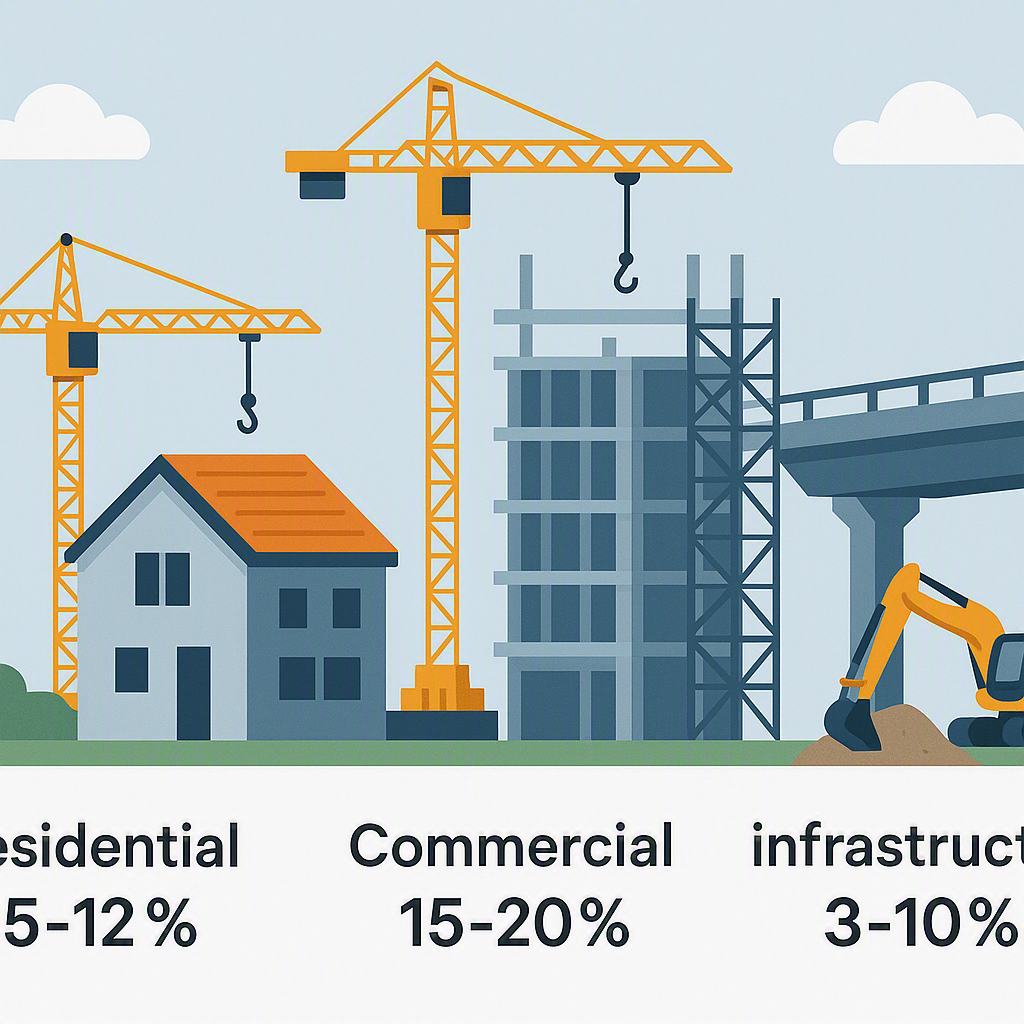
A more effective approach is to use contingency percentages tailored to the specific risks of each project type. Here’s a practical breakdown:
- Low-risk projects (e.g., residential builds): Smaller contingencies are sufficient due to their predictability.
- Medium-risk projects (e.g., commercial builds): These have more variables but aren’t overly risky, so a moderate contingency works.
- High-risk projects (e.g., infrastructure, industrial): Complexity and unpredictability demand higher contingencies.
How to Manage Contingencies Effectively
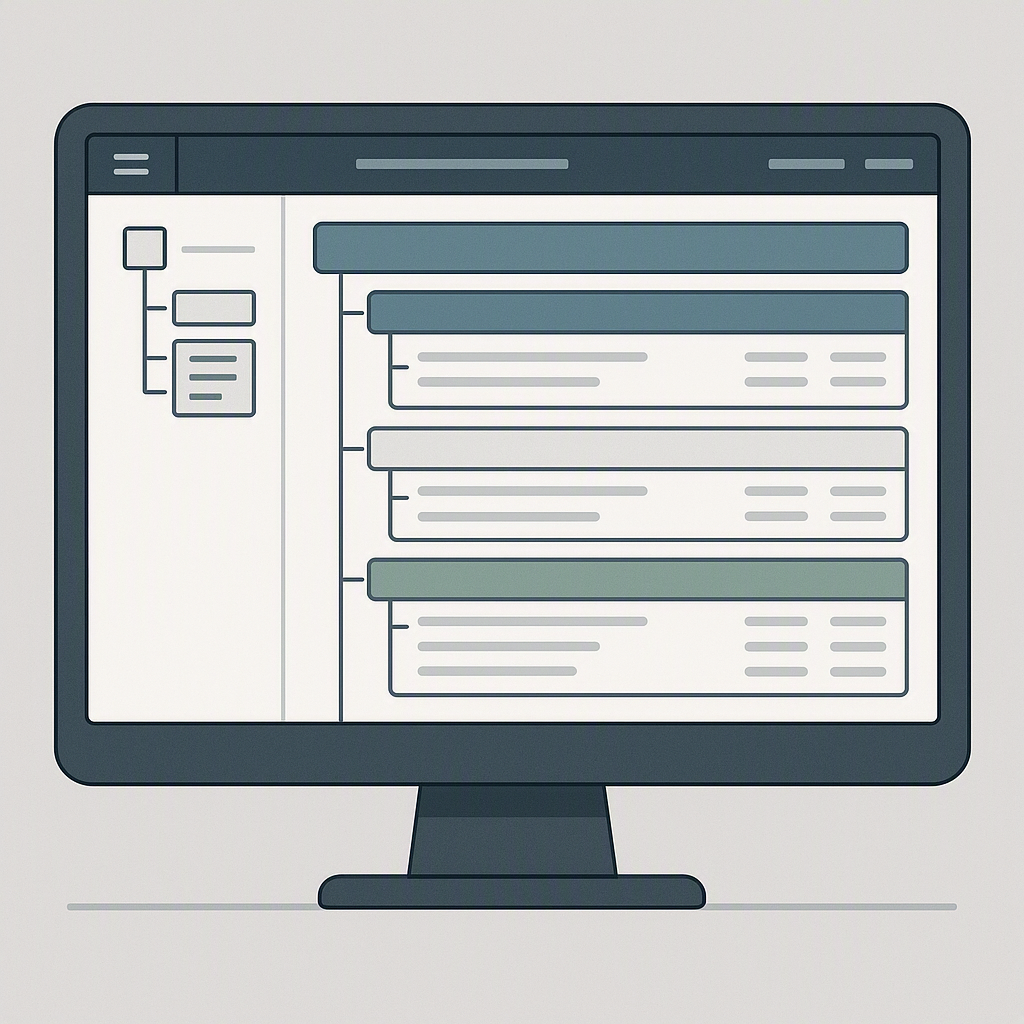
To manage contingencies effectively, use data-driven tools and methods. For instance, Bill of Quantities (BOQ) margin reports can help analyze profit margins against contracted values and actual costs. By comparing estimated costs to actuals, you can adjust contingency percentages based on historical data for similar projects. This approach replaces guesswork with informed decision-making.
Challenges and Areas for Improvement
Misjudging contingency percentages can cost time, working capital, and client trust. Clients may question inflated budgets, and underestimating contingencies can lead to rushed procurement and strained subcontractor relationships.
One area that remains challenging is predicting contingency needs for hybrid projects—those that mix residential and commercial elements or involve phased construction. The risks in these projects don’t fit neatly into one category, making it a work in progress to refine contingency strategies.
FAQ
Q: What’s a good contingency percentage for phased construction projects?
A: It depends on the phase. Early phases (site prep, foundation) often need higher contingencies, while later phases (finishes) can go lower.
Q: How do I calculate contingency accurately?
A: Use a BOQ margin report to compare estimated costs to actuals. Adjust percentages based on historical data for similar projects.
Q: Can AI help with contingency planning?
A: Yes. AI-powered tools can analyze risk factors and provide probabilistic outcomes, helping you set more accurate contingencies.
Q: What’s the biggest mistake contractors make with contingencies?
A: Applying the same percentage across all projects. Risks vary, and your buffer should too.
Q: How do I reduce contingency-related profit erosion?
A: Track actual costs against estimates in real time. Adjust contingency percentages as risks materialize or diminish.
Conclusion
Tailoring contingency percentages to the specific risks of each project type is essential for managing costs effectively and optimizing profitability. By using data-driven tools and methods, you can replace guesswork with informed decision-making and improve project outcomes.
Learn more at EstimateNext