The Problem: Fragmented Systems Bleed Money
Indian FM companies often juggle multiple projects across sites, each with unique scopes of work, teams, and budgets. Sounds manageable, right? But let’s be honest—most firms rely on disconnected systems (or worse, spreadsheets) to track costs across these projects. The result? Hidden costs pile up faster than anyone realizes.
Why does this happen? First, there’s the lack of real-time visibility. When you’re running multiple projects simultaneously, it's easy to lose track of which site is overspending or where equipment is sitting idle. Second, manual processes tend to create errors—duplicate entries, missed invoices, or unaccounted expenses. These mistakes don’t just annoy your finance team; they eat into your margins.
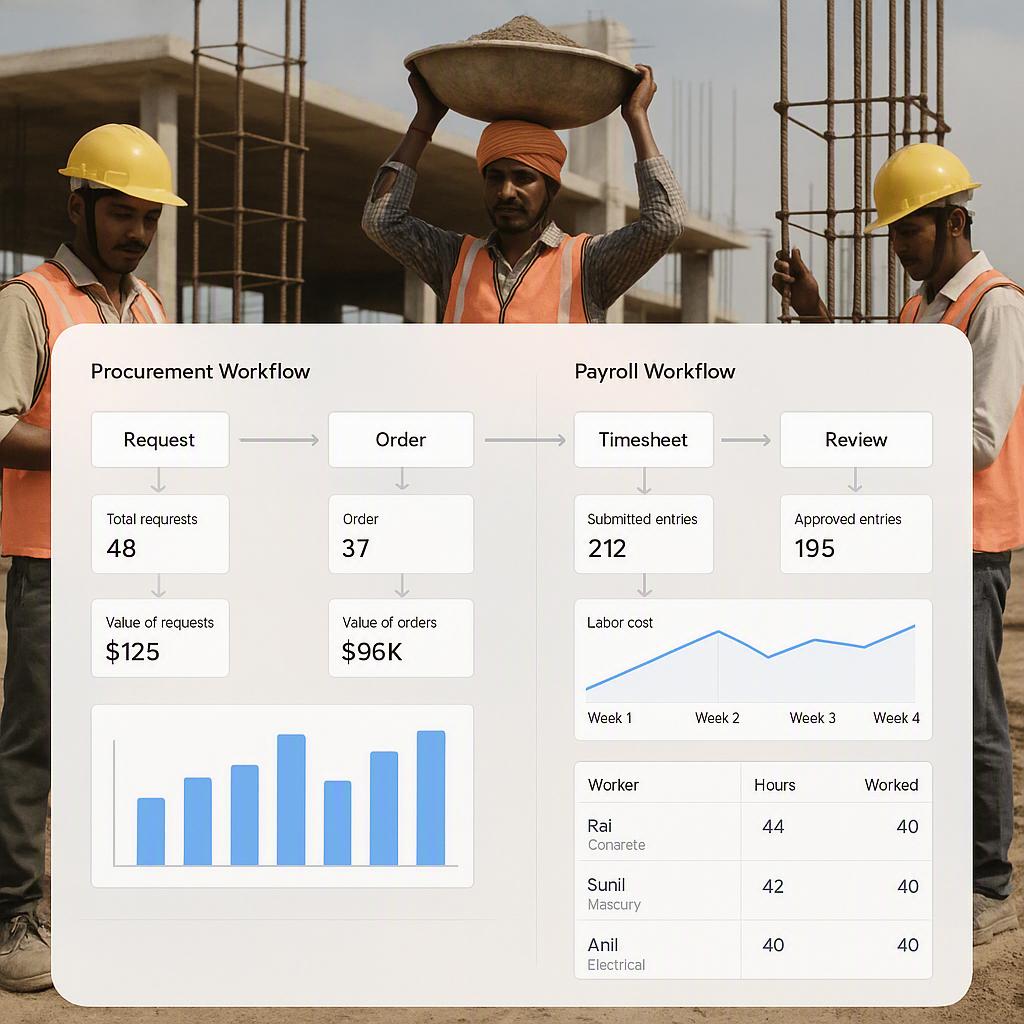
One common issue is procurement. Material requests are often raised without checking site inventory first. This can lead to unnecessary purchases when surplus materials are already available at another site, which could have been transferred instead.
The Solution: Integrated ERP for Cost Tracking
If you’re managing multi-project FM operations, an integrated ERP system is no longer optional. It’s essential. Let’s walk through how it helps:
1. Real-Time Cost vs. Budget Tracking
An integrated ERP system enables real-time tracking of costs against budgets. Every material purchase, subcontractor payment, and equipment hire can be validated against approved budgets. This isn’t just about keeping tabs—it’s about enforcing discipline. For instance, if a project manager tries to approve a material requisition that exceeds the budget estimate, the system can flag it immediately.
This ensures there are no surprises when your finance controller reviews margin reports and finds variances. Dashboards allow managers to catch issues early, while they’re still fixable.
2. Inventory Management That Reduces Waste
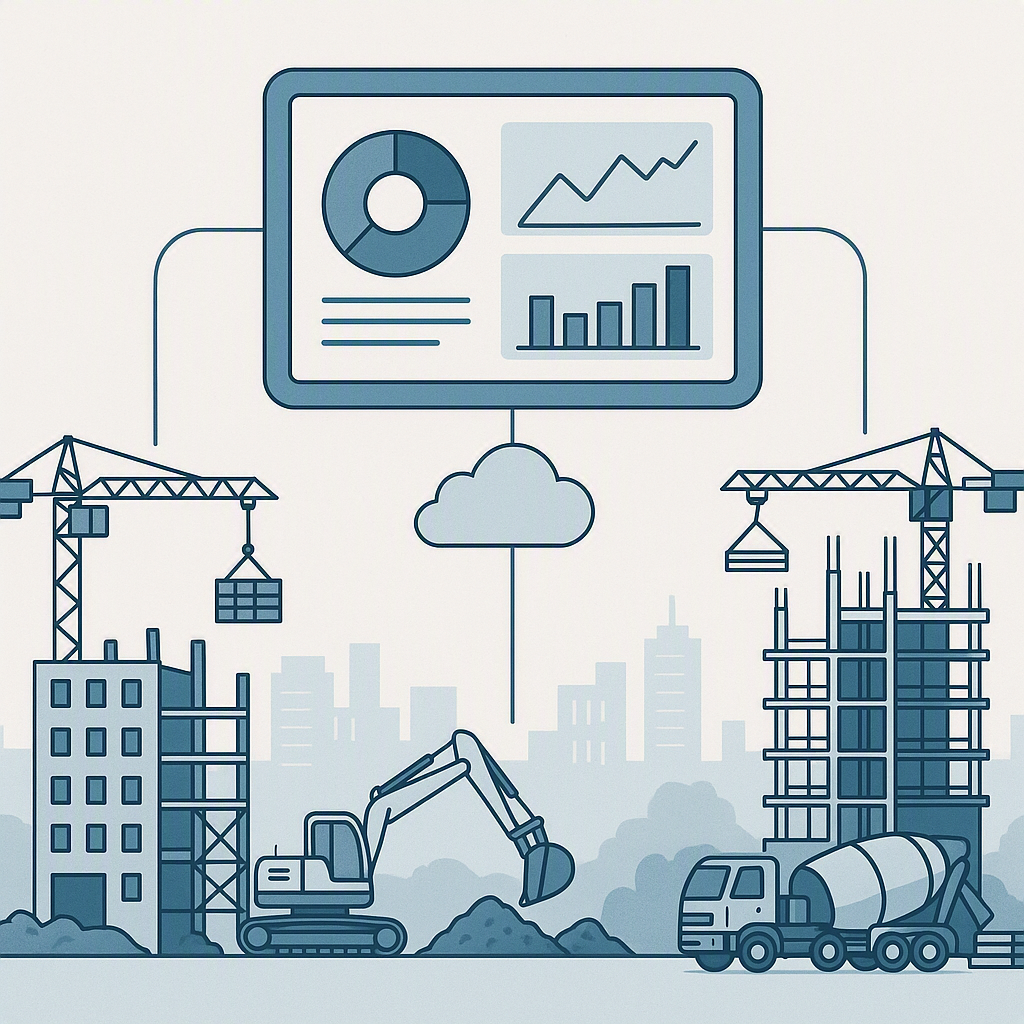
An integrated ERP system centralizes inventory data, making it easier to check stock availability across all sites before raising a material requisition. If one site has surplus material, the system can automate stock transfer workflows—saving both time and money.
ERP systems with inventory management modules can track material consumption, stock valuation, and inter-site transfers while ensuring compliance with GST regulations. These workflows help prevent budget overruns caused by over-issuing materials.
3. Simplified Multi-Site Workforce Management
Managing a workforce across multiple sites can be challenging. Manual attendance tracking often leads to mismatched leaves, errors in payroll computation, and inaccurate cost allocation. ERP systems with HR & Payroll modules address this by enabling job-wise attendance tracking. Every hour worked can be tied directly to the project it contributes to, ensuring accurate cost allocation.
This isn’t just about payroll—it’s about accountability. When staff are assigned to a project, managers can immediately assess the cost impact, whether it’s normal hours, overtime, or holiday pay.
4. Revenue Leakage Prevention in Billing
Multi-project FM companies often deal with complex billing structures, such as stage-wise billing, recurring invoices, and supply BOQs. ERP systems can streamline these processes by offering multiple billing methods that ensure every piece of completed work gets invoiced correctly. Automated accounting voucher generation simplifies certification and payment tracking, reducing disputes and saving time in manual reconciliation.
Billing workflows tied to BOQs in contracted states ensure locked, auditable data, which helps prevent revenue leakage and improves financial accuracy.
What Changes When You Fix These Issues?
Integrated ERP doesn’t just save money—it changes how you approach project management. With real-time visibility, you can make informed decisions quickly. Should you transfer material from one site to another? Should you reallocate staff to a higher-priority project? Should you flag a subcontractor’s payment until measurements are verified?
ERP systems enable proactive management, allowing companies to catch issues before they escalate into larger problems. This isn’t just about cost tracking—it’s about gaining control and improving operational efficiency.
Common Questions
1. Does ERP eliminate manual errors completely?
Not completely, but it minimizes them. Automated workflows reduce the need for manual data entry, which is where most errors happen. You’ll still need staff trained to use the system correctly.
2. How long does it take to implement ERP for FM companies?
Implementation timelines vary, but a phased rollout is usually best. Start with one module—like Finance or Procurement—and expand from there. Some companies can go live within months with proper planning.
3. What if my company already uses Tally for accounting?
Many ERP systems integrate seamlessly with Tally for Indian statutory reporting. You can export data directly, ensuring compliance without duplicating efforts.
4. Is ERP worth it for small FM companies?
Yes, but only if you’re managing multiple projects or sites. Single-project companies might not see the same return on investment. For multi-project FM operations, the cost savings usually outweigh the implementation expense.
Call to Action
If your FM company struggles with margin erosion, fragmented systems, or manual cost tracking, an integrated ERP system can help. Get real-time visibility across all your projects, enforce budget discipline, and protect your margins. Learn more today.
Learn more at EstimateNext