How ERP Systems Can Transform Indian Contracting and FM Businesses
Why Vendor Overbilling Is a Bigger Problem Than You Think
When you look at your project P&L, the big costs—materials, labor, equipment—are obvious. But something doesn’t add up. Margins are thinner than expected. You’re left wondering, “Where did it all go?”
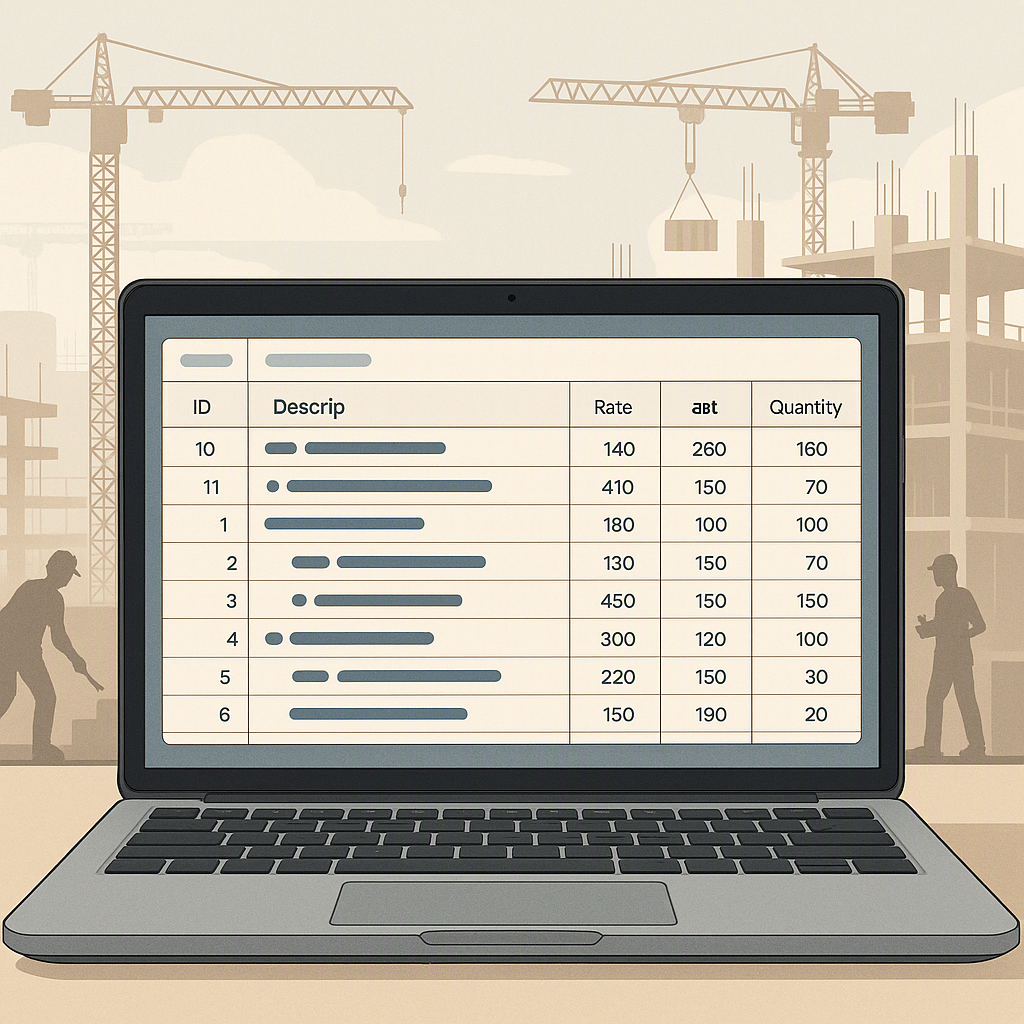
Vendor overbilling is often a hidden issue that eats into margins. It can occur due to duplicate invoices, delivery mismatches, or manual errors in procurement processes. While these errors may seem small individually, they can accumulate across multiple projects, leading to significant financial losses.
Why This Problem Persists
Vendor overbilling persists due to several factors:
-
Manual Systems Are a Black Hole: Many contractors still rely on spreadsheets and email trails to manage procurement. These systems aren’t designed to flag duplicate invoices or delivery mismatches.
-
Volume Overload: Managing tens of vendors across multiple projects increases the likelihood of errors.
-
Lack of Accountability: Vendors may exploit the lack of scrutiny in manual systems, knowing their invoices are unlikely to be checked line by line.
How ERP Systems Can Help
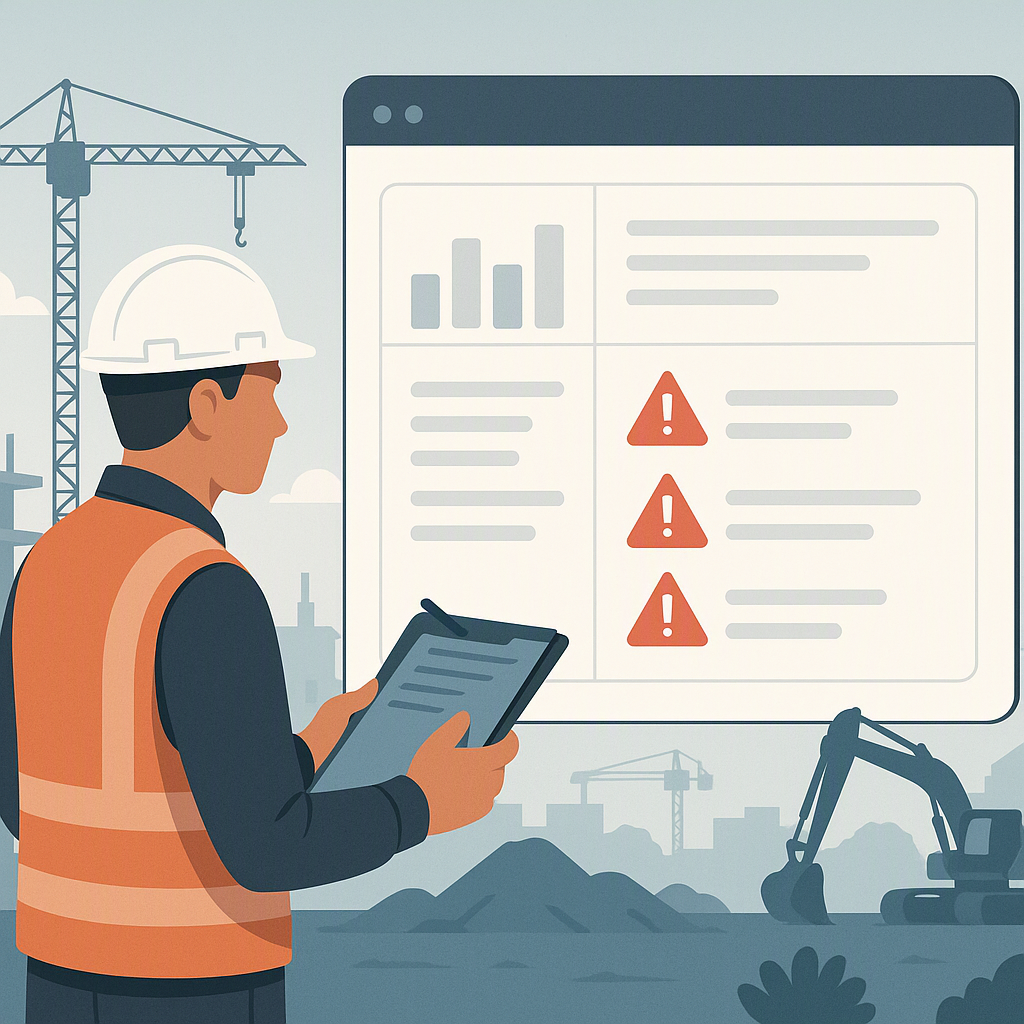
ERP systems offer a structured approach to procurement and financial management, reducing the risk of overbilling and inefficiencies. Here’s how they help:
-
Automated PO Tracking: Every material requisition (MR) gets tracked through RFQ, vendor offers, and finally, the PO. If two POs overlap on the same material, the system flags it immediately.
-
Delivery Validation: ERP systems tie vendor invoices directly to delivery challans and GRNs (Goods Receipt Notes). Payments are only processed when delivery is verified.
-
Comparative Statements: The system generates a Comparative Statement for every RFQ, recording offer details, selection rationale, and selection date. This ensures transparency and accountability in vendor selection.
-
Approval Workflows: Multi-level approvals ensure no unauthorized POs slip through. High-value POs can trigger escalations to senior management for additional scrutiny.
Illustrative Example — Preventing Overbilling
Imagine you’re managing a large-scale project and need to procure materials from multiple vendors. You issue an MR for copper cables, and three vendors submit quotes. Vendor A offers the lowest quote, but their past performance has been inconsistent. You decide to go with Vendor B, who has a slightly higher quote but a better track record.
Using an ERP system, you upload all three quotes into the system, which generates a Comparative Statement. This captures your decision to select Vendor B and ensures that Vendor A doesn’t accidentally get the job. When Vendor B submits an invoice, the system cross-checks it against the original PO and delivery records, preventing overbilling.
What to Consider When Implementing ERP
Switching to an ERP system requires investment in software licenses, implementation, and training. While the upfront costs can be significant, the long-term benefits—such as improved margins and operational efficiency—often outweigh the initial expenses.
Conclusion
ERP systems can help Indian contracting and FM businesses streamline procurement, prevent overbilling, and improve operational efficiency. By automating processes and enforcing accountability, these systems provide a robust solution to common challenges in the industry.
Learn more at EstimateNext