The Brutal Truth About Manual Estimating
Most contractors underestimate how much manual errors in estimating truly cost them. It’s not just a question of time wasted—it’s the hidden margin erosion that happens when your inputs are off by even 1%. Imagine this: A ₹50 crore project with a 1% error in material costs translates to ₹50 lakh straight out of your profits. Multiply that across 10 simultaneous projects, and you’re bleeding ₹5 crore without even realizing it.
To fully understand the impact of manual estimating, you need to consider its ripple effect across your business. Missed costs don’t just hurt your profit margins; they can jeopardize customer trust, lead to project delays, and even cause disputes over scope. Let’s break down why manual estimating falls short, the transformative role of AI, and how tools like JobNext can bridge the gap.
Why Manual Estimating Falls Short
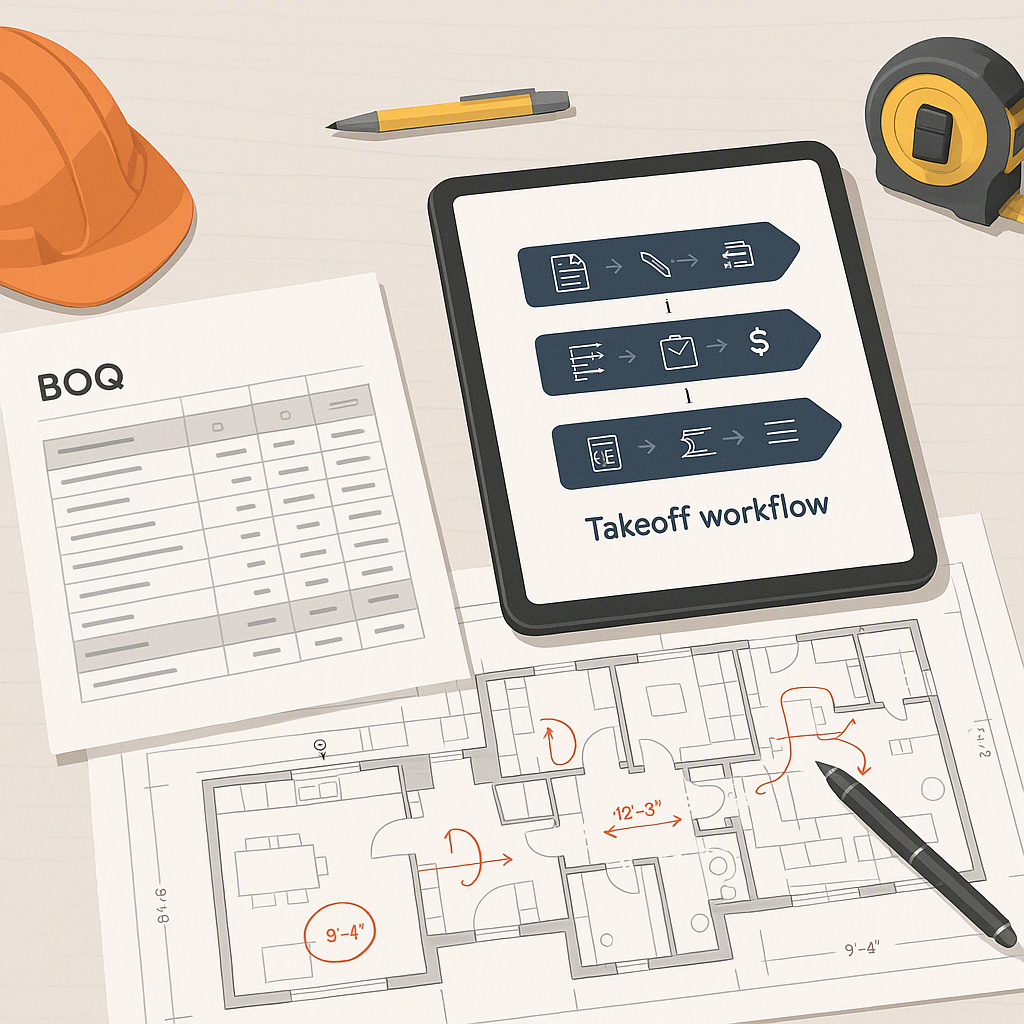
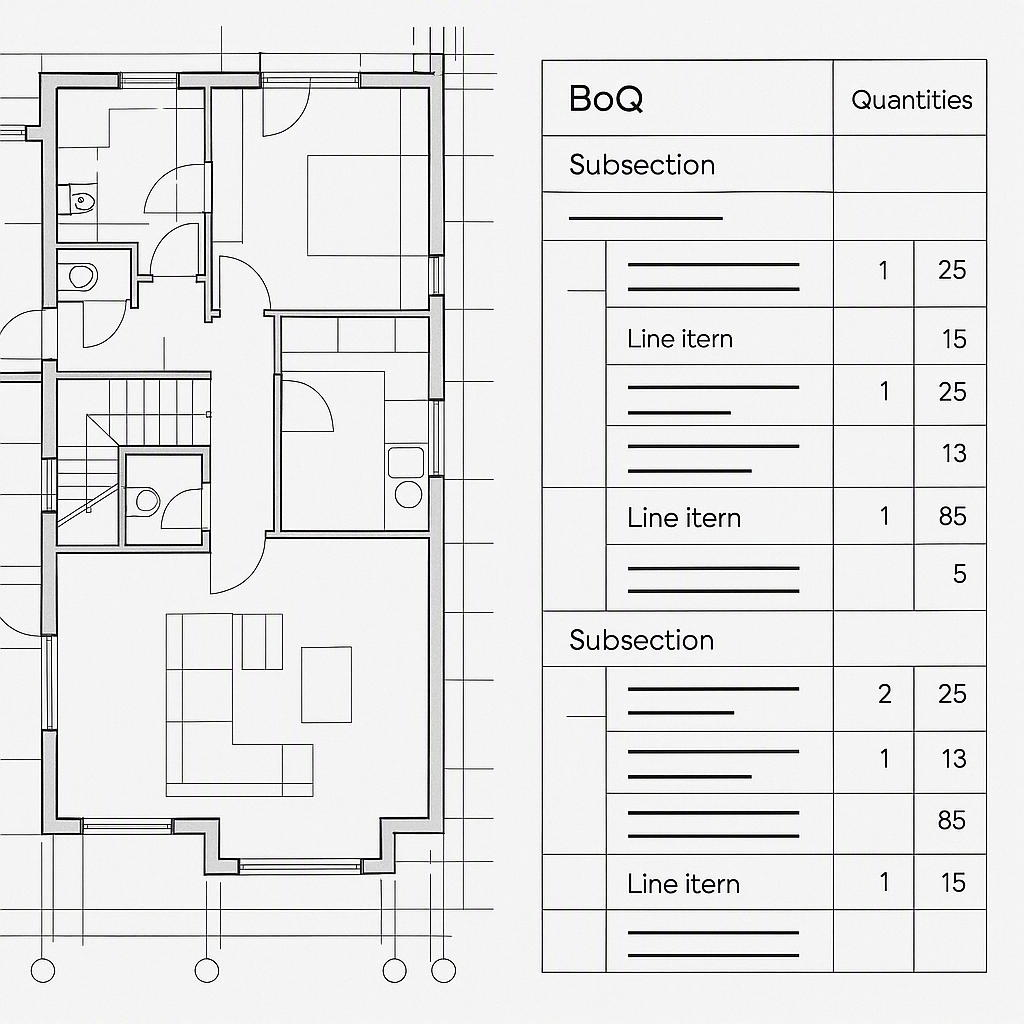
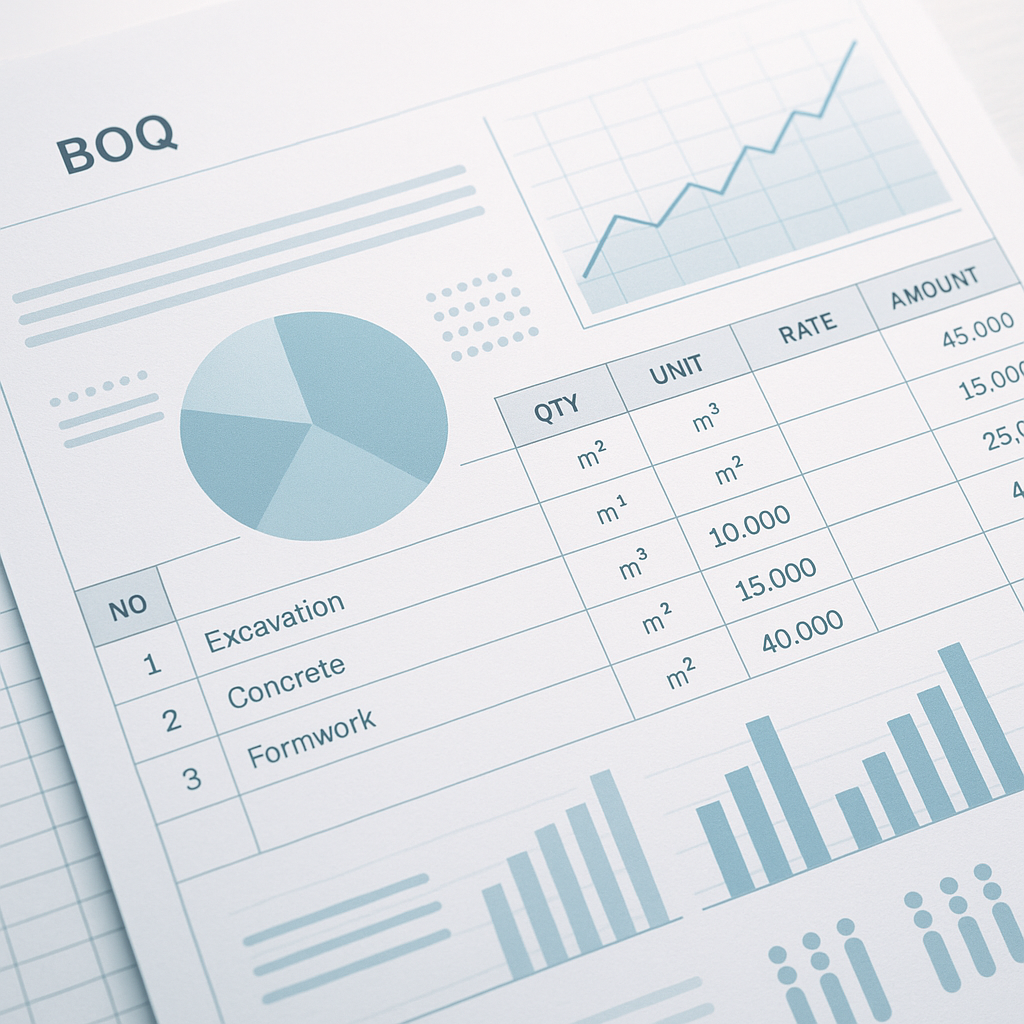
In manual estimating, the devil is in the details. Every BOQ (Bill of Quantities) line item—quantities, rates, markup percentages—is a potential error. Even experienced estimators struggle to cross-check hundreds or thousands of lines in a complex project. And let’s not forget the human factor: fatigue, rushed timelines, and inconsistent methodologies.
Real-Life Examples of Manual Errors
-
Missed Items in BOQs: A contractor working on a ₹10 crore commercial building project overlooked scaffolding costs in their BOQ. The oversight added ₹20 lakh to the budget during execution, which forced them to dip into contingency funds.
-
Rate Mismatch: A residential developer manually entered rates for cement and steel but used outdated pricing. The error caused an inflated bid that lost them the project.
-
Markup Errors: In a ₹25 crore infrastructure project, an estimator applied a 10% markup on labor costs but skipped it for materials. The discrepancy resulted in a ₹15 lakh underestimation.
Actionable Steps to Mitigate Manual Errors
- Standardize BOQs: Create templates for common project types to reduce inconsistencies.
- Double-Check Critical Items: Use checklists for high-cost items like materials, equipment, and subcontractor fees.
- Peer Review Estimates: Have a second estimator review all BOQs before submission.
What AI Brings to the Table
AI doesn’t just speed up the estimating process—it improves accuracy by removing human guesswork. Tools like EstimateNext leverage historical data, rate schedules, and machine learning to auto-populate BOQ rates in seconds. For example, AI can match 78,000 rates in seconds, saving estimators hours and ensuring consistent pricing.
How AI Tools Work
- Historical Data Matching: AI tools analyze past project data to recommend rates and quantities for similar projects.
- Predictive Analytics: Machine learning algorithms predict costs for new or ambiguous items based on industry trends.
- Error Detection: AI identifies anomalies like duplicated line items or missing markup percentages.
Case Study: AI in Action
A mid-sized contractor used EstimateNext for a ₹15 crore hospital project. The AI tool flagged discrepancies in labor costs and adjusted rates based on historical benchmarks. The result? Their bid was 3% more competitive, helping them win the tender and reduce their risk of margin erosion.
Actionable Steps to Deploy AI Estimating
- Clean Your Data: Ensure your BOQs are properly structured with clear item descriptions and quantities.
- Choose the Right Tool: Compare AI platforms based on features like rate matching, integration, and scalability.
- Train Your Team: Equip your estimators with training on AI tools to maximize their effectiveness.
The JobNext Advantage
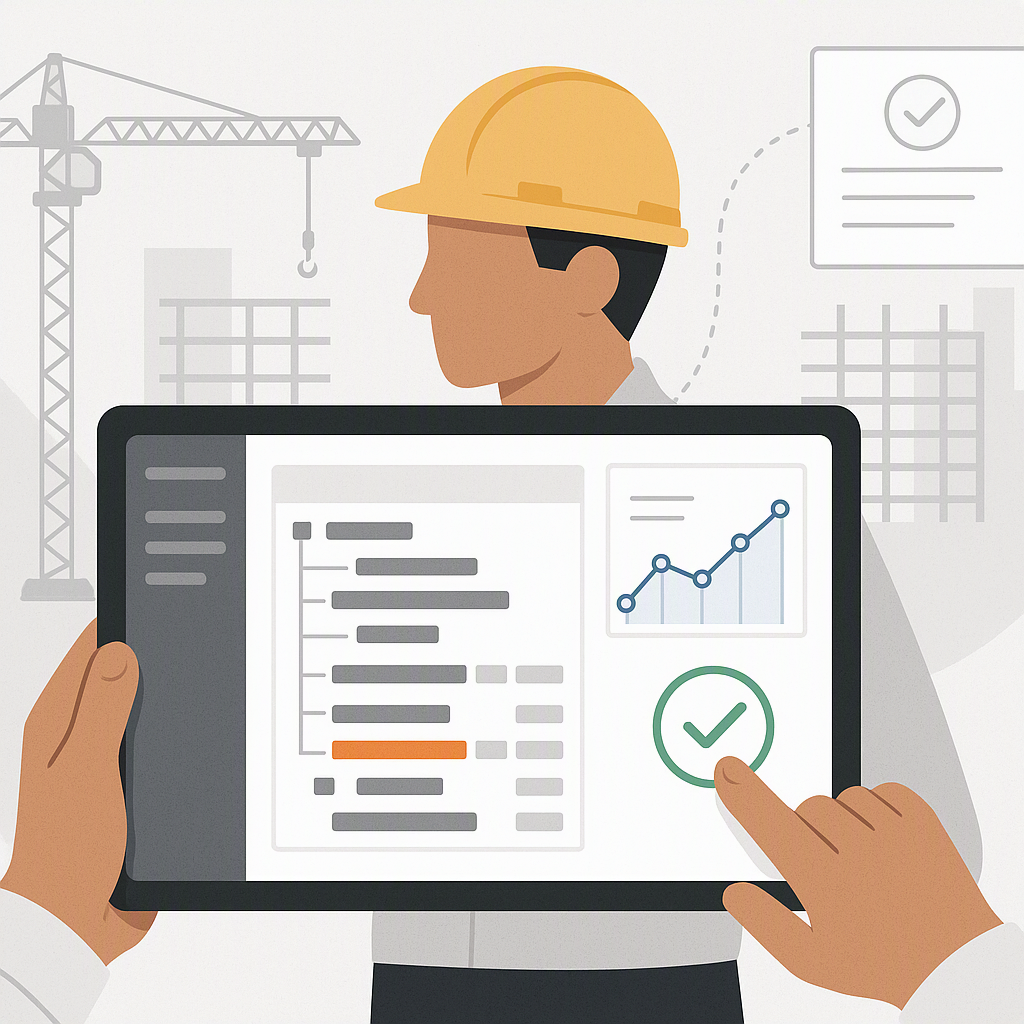
This is where JobNext’s estimate workflow shines. The platform categorizes resources into five factors—Labour, Material, Machine, Subcontractor, Overhead—and ensures every line item is validated before approval. Once approved, the estimate becomes the official budget for the scope, controlling spending limits downstream. This dual-purpose approach (budgeting + bidding) ensures that your estimates are precise and actionable.
How JobNext Solves Common Estimating Challenges
- Error Validation: JobNext enforces validation rules for BOQs, ensuring that missing markup percentages or duplicated items are flagged.
- Budget Tracking: Approved estimates automatically convert into budgets, giving project managers real-time visibility into spending.
- Bid Automation: The platform auto-generates customer quotes from estimates, eliminating manual re-entry errors.
Case Study: JobNext in Action
A contractor using JobNext’s non-budget estimating feature created a detailed breakdown of Labour + Material + Plant costs for a ₹20 crore tender. The approved estimate auto-converted into a customer quote with markup added, saving them 12 hours of manual work and reducing errors by 25%.
Actionable Steps to Maximize JobNext
- Categorize Resources: Break down labor, materials, and overheads for better visibility.
- Use Auto-Conversion: Leverage the platform’s markup automation to streamline quotes.
- Monitor Budgets: Regularly track project budgets against estimates for early issue detection.
AI vs Manual Estimating: A Practical Comparison
| Feature | Manual Estimating | AI Estimating |
|---|---|---|
| Speed | Hours per project | Minutes per project |
| Accuracy | Prone to human error | Data-driven precision |
| Scalability | Limited by manpower | Handles large datasets easily |
| Consistency | Variable across estimators | Uniform results every time |
| Cost Savings | ₹1-5 crore annual leakage | Reduces leakage dramatically |
Common Objections to AI Estimating
-
“AI can’t handle complex projects.” True in some cases. AI struggles with poorly structured BOQs or ambiguous scope definitions. That’s why tools like JobNext enforce validation rules to clean up inputs before processing.
-
“It’s expensive to adopt.” Initial costs can be high, but the ROI is clear. Contractors often recoup their investment within months by winning more bids and reducing margin erosion.
-
“Manual expertise still matters.” Absolutely. AI complements human expertise—it doesn’t replace it. Estimators still need to review outputs and apply judgment. Think of AI as a turbocharger for your existing skills.
Key Takeaways
- Manual estimating isn’t just slow; it’s costing you money in hidden ways.
- AI estimating tools like EstimateNext are faster, more accurate, and scalable, but require clean input data.
- Platforms like JobNext combine AI accuracy with robust workflows to ensure estimates are actionable and error-free.
Want to see how AI estimating can protect your margins? EstimateNext’s blog dives deeper into how rate matching works.
FAQs
Why do manual estimating errors happen?
Errors typically arise from rushed timelines, fatigue, and inconsistent methodologies. Even experienced estimators can miss details when handling complex BOQs.
How accurate are AI estimating tools?
AI tools are highly accurate when fed clean, structured data. However, they depend on proper workflows and validation to avoid garbage-in-garbage-out scenarios.
Can AI replace human estimators?
No. AI complements human expertise by handling repetitive, data-intensive tasks. Estimators still need to review AI outputs and apply judgment on complex projects.
What’s the ROI on AI tools?
Most contractors recover their investment in AI tools within months by winning more bids, reducing margin erosion, and saving time on repetitive tasks.
How do I choose the right AI estimating tool?
Look for features like rate matching, integration with existing systems, scalability, and error validation. Platforms like JobNext offer robust workflows that cater to diverse project sizes and complexities.
If you’re tired of guessing your way through estimates, JobNext can help. Get started free →
Learn more at EstimateNext