Why Residential Contractors Struggle with Estimation
Residential construction is brutal when it comes to margins. Unlike commercial jobs, you're dealing with smaller budgets and higher stakes. One mistake in your estimate—whether it's an overlooked material cost or a miscalculated labor rate—can wipe out your profits. And let's be honest, manual estimation workflows are a disaster. You're flipping through rate books, cross-checking BOQs (Bills of Quantities), and trying not to miss a line item. It’s slow, tedious, and error-prone.
But AI changes the game.
The AI Advantage in Estimation
AI-powered estimation tools don’t just speed up the process; they make it smarter. Instead of manually breaking down labor, material, and subcontractor costs, these tools use algorithms to automate the heavy lifting. Platforms like JobNext and EstimateNext are revolutionizing how contractors approach costing.
Benefits of AI Estimation
- Speed: AI tools can estimate projects in a fraction of the time it takes manual processes.
- Accuracy: AI reduces human error, ensuring that every line item is accounted for.
- Scalability: These platforms can handle hundreds or thousands of rates, even on complex bids.
- Profit Protection: AI ensures that your estimates align with realistic budgets and desired margins.
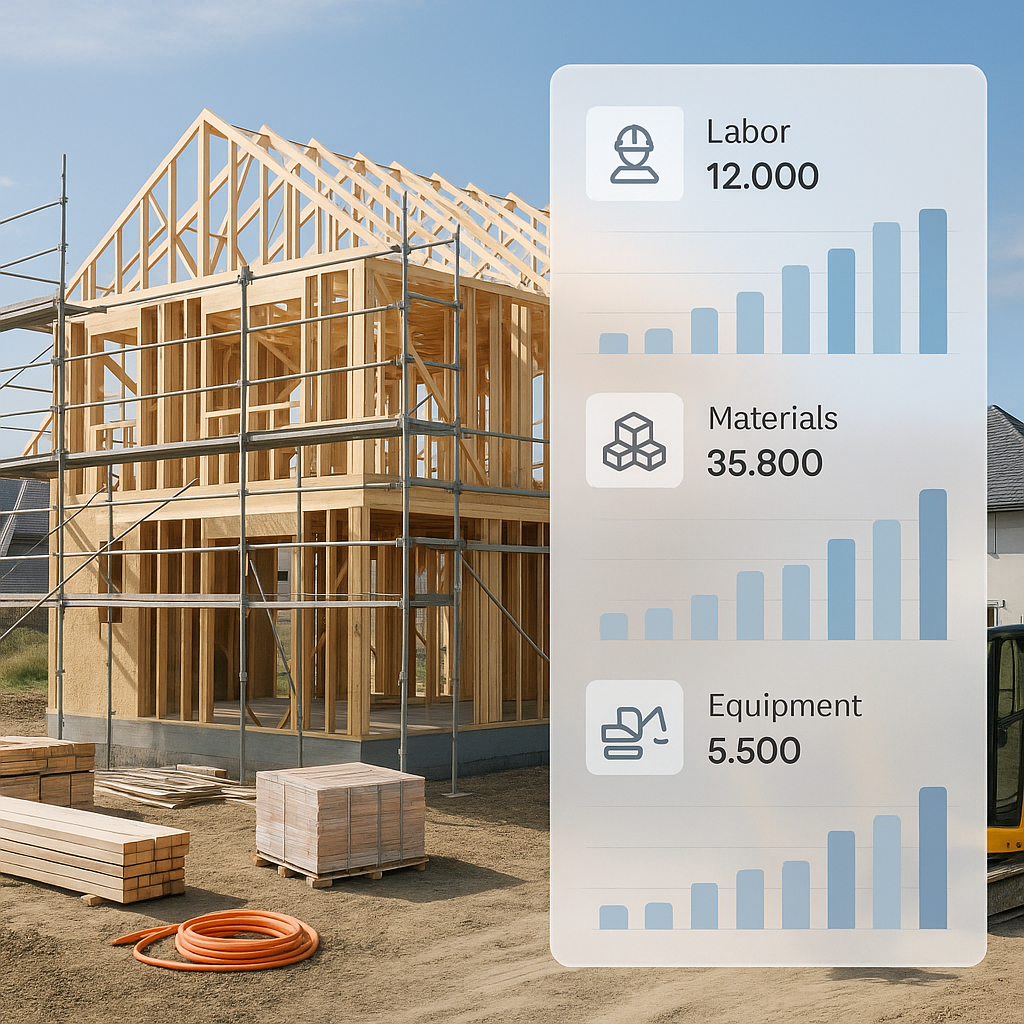
For example, with JobNext's Estimate-based Quote, you can create bottom-up costing estimates that account for every resource—labor, materials, plant, subcontractors, and overhead—without affecting your project budget.
How It Works
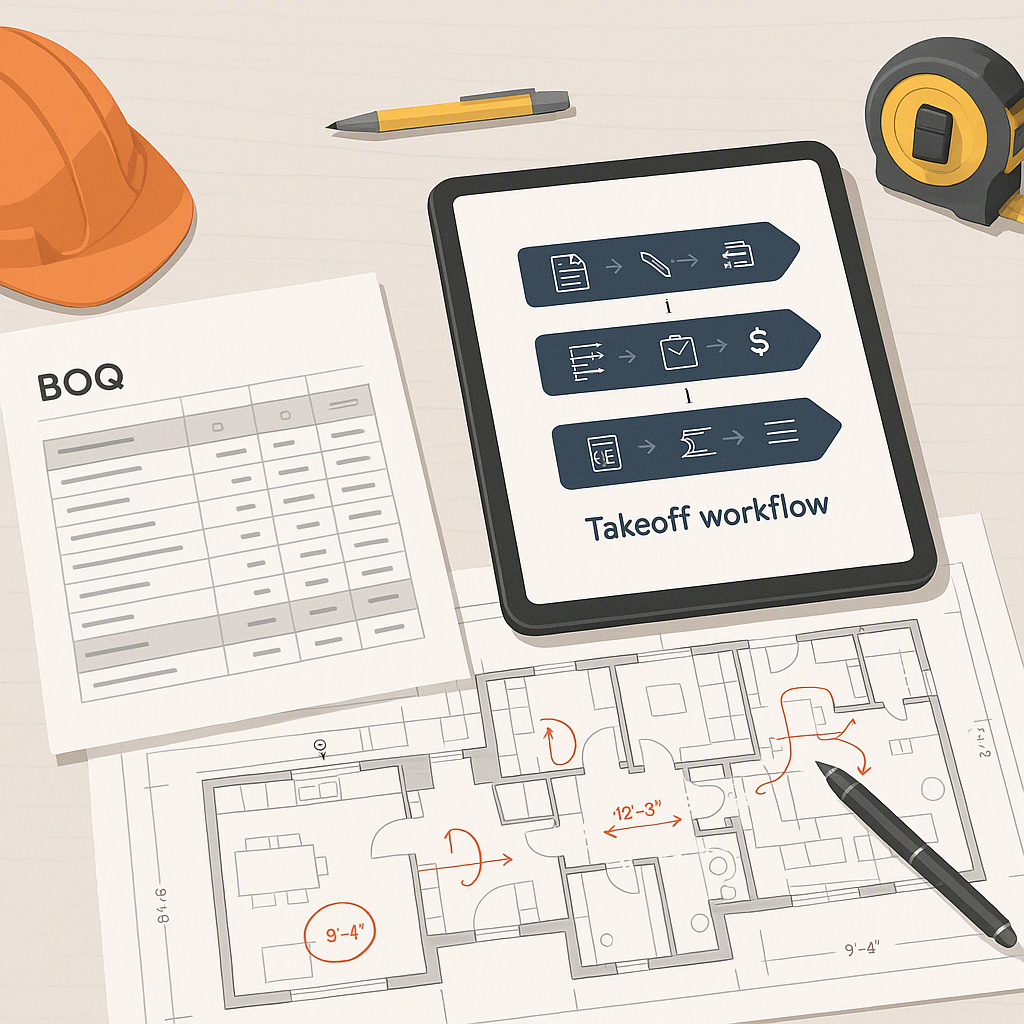
AI estimation tools follow a structured workflow:
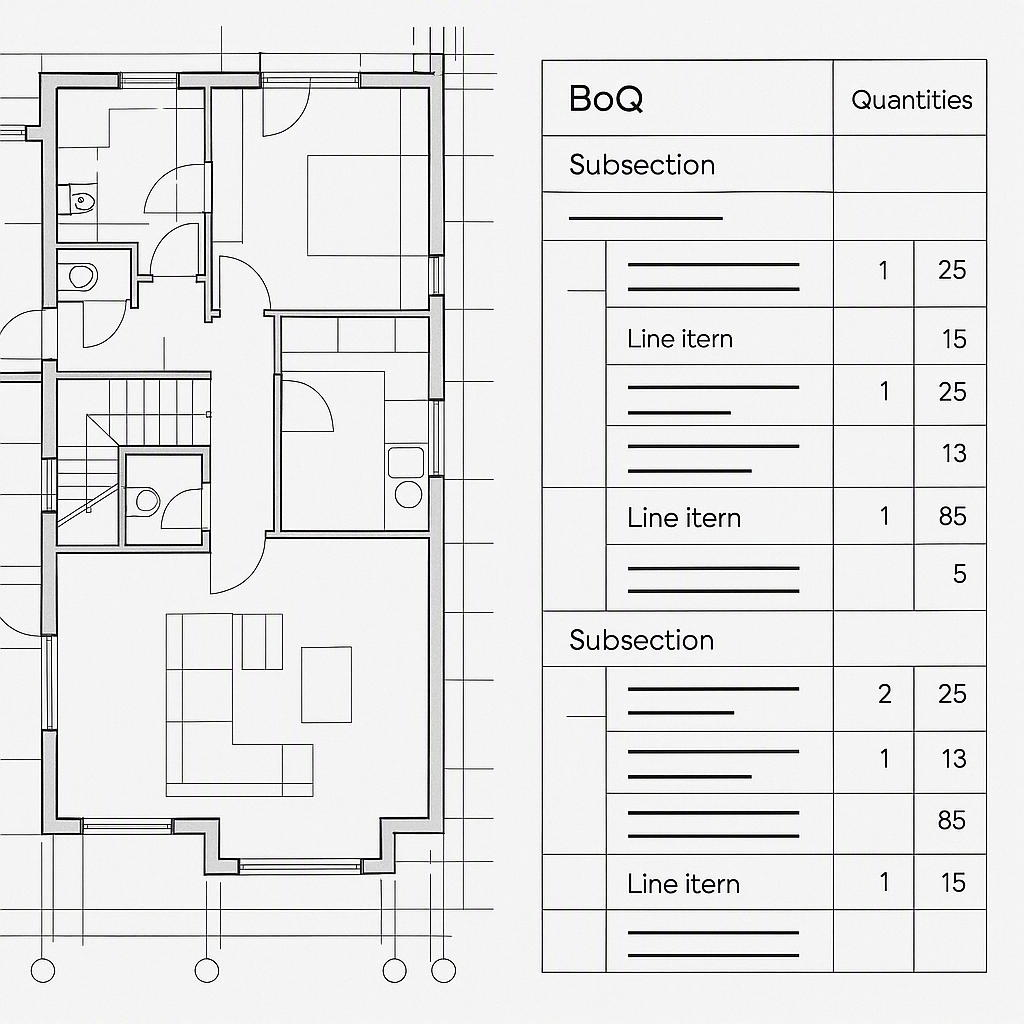
- Set Up the Job Scope: Define your BOQ items, quantities, and rates.
- Automated Resource Breakdown: AI splits costs into labor, material, and plant categories based on historical data and rate schedules.
- Markup Transparency: Add profit percentages directly within the tool to see accurate margins instantly.
- Error Validation: AI flags missing or inconsistent line items so you don’t submit an incomplete estimate.
Case Studies: Real-World Applications
Case Study 1: Small Residential Contractor in Ohio
A small residential contractor specializing in remodels struggled with manual estimation. Their estimators spent nearly 30 hours per project, only to lose bids due to underquoted materials and labor. After switching to AI estimation, their bid preparation time dropped to 8 hours per project. Additionally, AI flagged missing material costs on one bid, saving them nearly $15,000 in losses.
Case Study 2: Large Custom Home Builder in Texas
A custom home builder faced frequent disputes over change orders, which stemmed from incomplete estimates. By adopting EstimateNext, they reduced these disputes by 40% because the AI validated every line item before submission. Their average profit margin improved by 12% in the first year.
Industry-Wide Data
According to a study by McKinsey, construction companies using AI-powered estimation tools report a 25% reduction in estimation errors and a 30% improvement in bid win rates. These tools also enable faster turnaround times, which can be critical in competitive markets.
Overlooked Benefits of AI Estimation
AI doesn’t just improve speed and accuracy; it enforces discipline across your estimation workflow. JobNext, for instance, integrates its estimates directly into procurement budgets and subcontractor work orders. What does this mean? Every material requisition, subcontractor payment, and equipment hire must align with the approved estimate. This prevents scope creep and keeps your spending under control.
Actionable Steps to Protect Profit Margins
- Integrate Estimates with Procurement: Ensure that every purchase aligns with your estimate.
- Validate Subcontractor Quotes: Use AI tools to cross-check subcontractor rates against historical benchmarks.
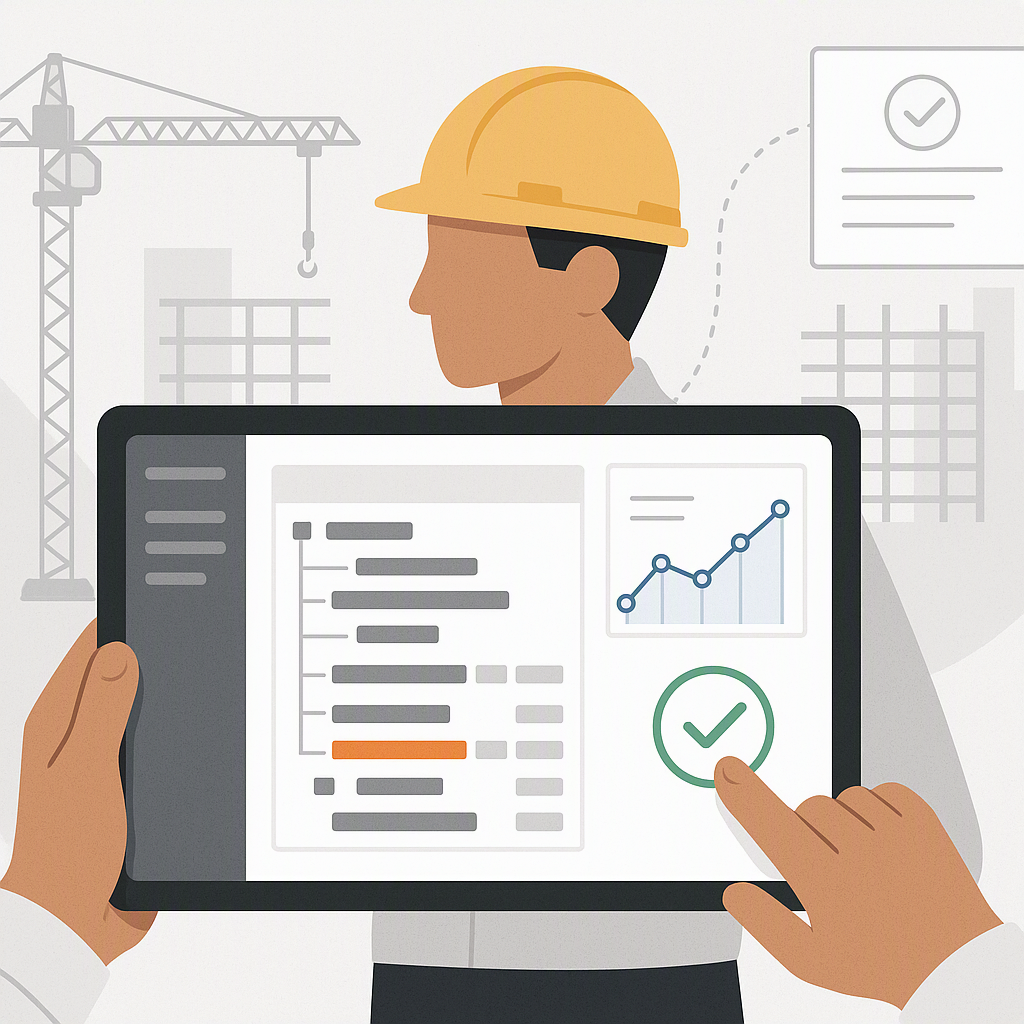
- Track Project Progress: Regularly monitor costs against the estimate using AI dashboards.
Common Objections
“AI tools are expensive.”
Not really. When you factor in the time saved and the margin losses prevented, the ROI is undeniable. Plus, platforms like JobNext offer SaaS pricing, so you’re not locked into heavy upfront costs.
“I don’t trust AI to estimate better than my team.”
You don’t have to. AI complements your team, handling repetitive tasks like rate matching and error validation while your estimators focus on high-level decisions.
“AI tools can’t handle niche residential costs.”
That’s a myth. AI platforms allow customization for specialized items like interior finishes, custom cabinetry, and landscaping.
Comparison Table: Manual vs. AI Estimation
| Feature | Manual Estimation | AI Estimation |
|---|---|---|
| Time Required | 20-40 hours per project | 5-10 hours per project |
| Error Rate | High | Low |
| Scalability | Limited | High |
| Integration with Procurement | No | Yes |
| Cost Upfront | Low | SaaS-based pricing |
FAQ
Q: Can AI handle residential-specific costs like interior finishes?
A: Yes. AI tools like JobNext allow you to customize rate schedules for specialized residential items.
Q: How does AI flag errors in estimates?
A: It uses validation algorithms to check for missing items, inconsistent quantities, or rates that don’t match historical benchmarks.
Q: Do AI tools integrate with accounting software?
A: Platforms like JobNext offer direct integration with Tally and QuickBooks for compliance and financial reporting.
Q: How can I test AI estimation tools before committing?
A: Most platforms offer free trials or demo projects. Start with a complex bid to compare results.
Q: What happens if AI makes a mistake?
A: AI tools are built to flag potential errors for human review, ensuring you remain in control of the final estimate.
Actionable Takeaways
If you’re serious about maximizing profit margins, here’s what you need to do:
- Audit Your Current Estimation Process: How much time are you spending? What’s your margin loss due to errors?
- Compare AI Estimation Tools: Look for platforms that support detailed, bottom-up costing (e.g., JobNext) and validate every line item.
- Start Small: Test AI on a single project to see the results. Focus on complex bids where errors are most likely.
- Train Your Team: Ensure your estimators understand how to use AI tools effectively.
- Track ROI: Measure your time savings and margin improvements after implementing AI.
If you're tired of manual estimation workflows eating into your profits, AI tools like JobNext can help. Get started free →
Learn more at EstimateNext