The Problem: Estimating Eats Margins
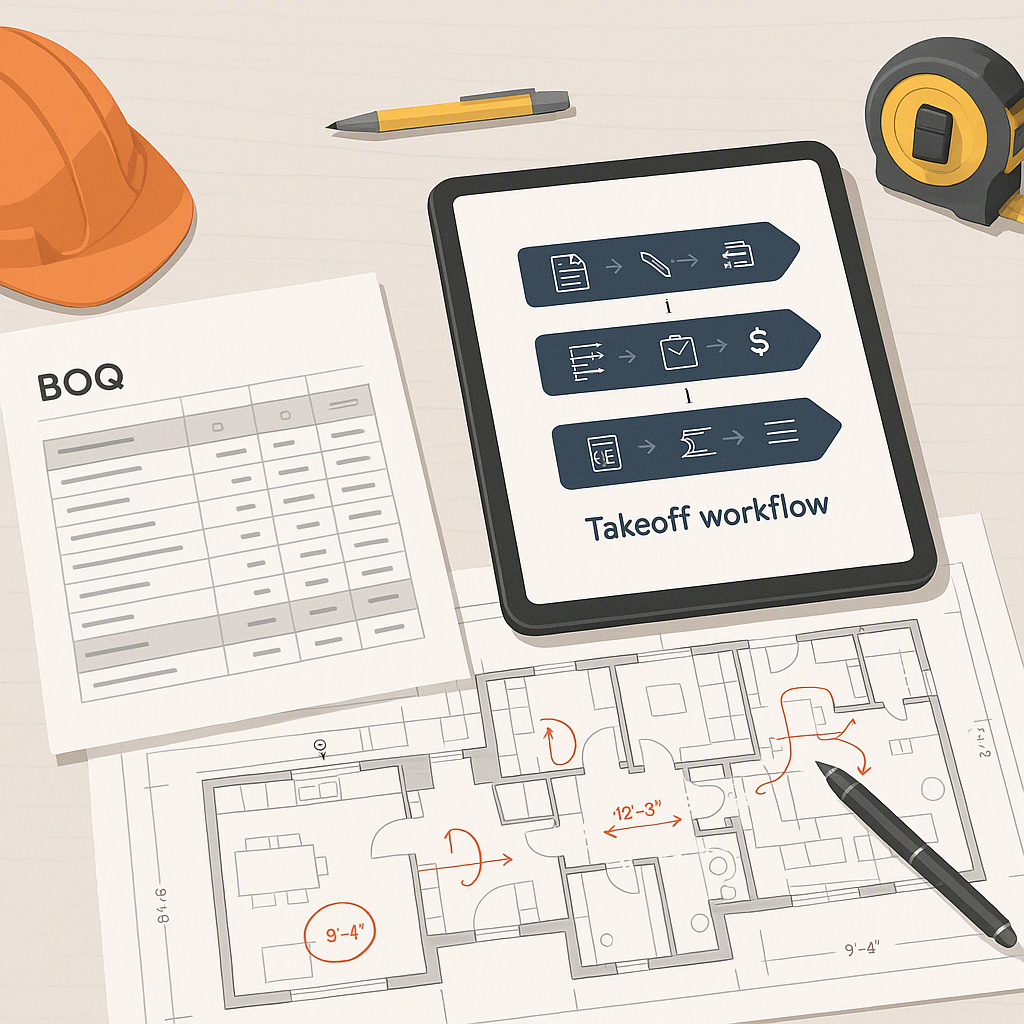
Every estimator knows the grind: manually flipping through rate books, reviewing 2,000-page catalogs, and reconciling mismatched BOQ (Bill of Quantities) items. It’s not just tedious — it’s expensive. A single mistake in rate entry can cascade into margin erosion across an entire project.
According to EstimateNext, manual rate lookups waste hours per bid. Contractors flipping through catalogs for 78,000 rates aren’t just losing time — they’re risking costly errors. These errors not only affect profitability but also the credibility of contractors when bids fall short or overshoot budgets. In 2024, AI-powered takeoff tools like EstimateNext are changing the equation entirely.
Why Traditional Estimating is Failing Contractors
Manual estimating has been the industry standard for decades, but the cracks are more visible than ever. Here’s why it fails:
- Human Error: Even experienced estimators can misread rate sheets or miscalculate markups, leading to inaccuracies that compound across the project.
- Time Consumption: Manual takeoffs often require upwards of 40 hours per bid, leaving estimators stuck in endless paperwork instead of focusing on strategy.
- Lack of Data Integration: Rate books, catalogs, and BOQs live in separate silos, forcing estimators to reconcile mismatches manually.
- Compliance Risks: Tax calculations, statutory reporting, and regional compliance requirements are often overlooked or improperly handled, shrinking margins.
These inefficiencies don’t just hurt margins — they can cost contractors projects altogether. In competitive bidding environments, a delay of even a few hours can mean losing to a faster competitor.
What AI Takeoff Software Actually Does
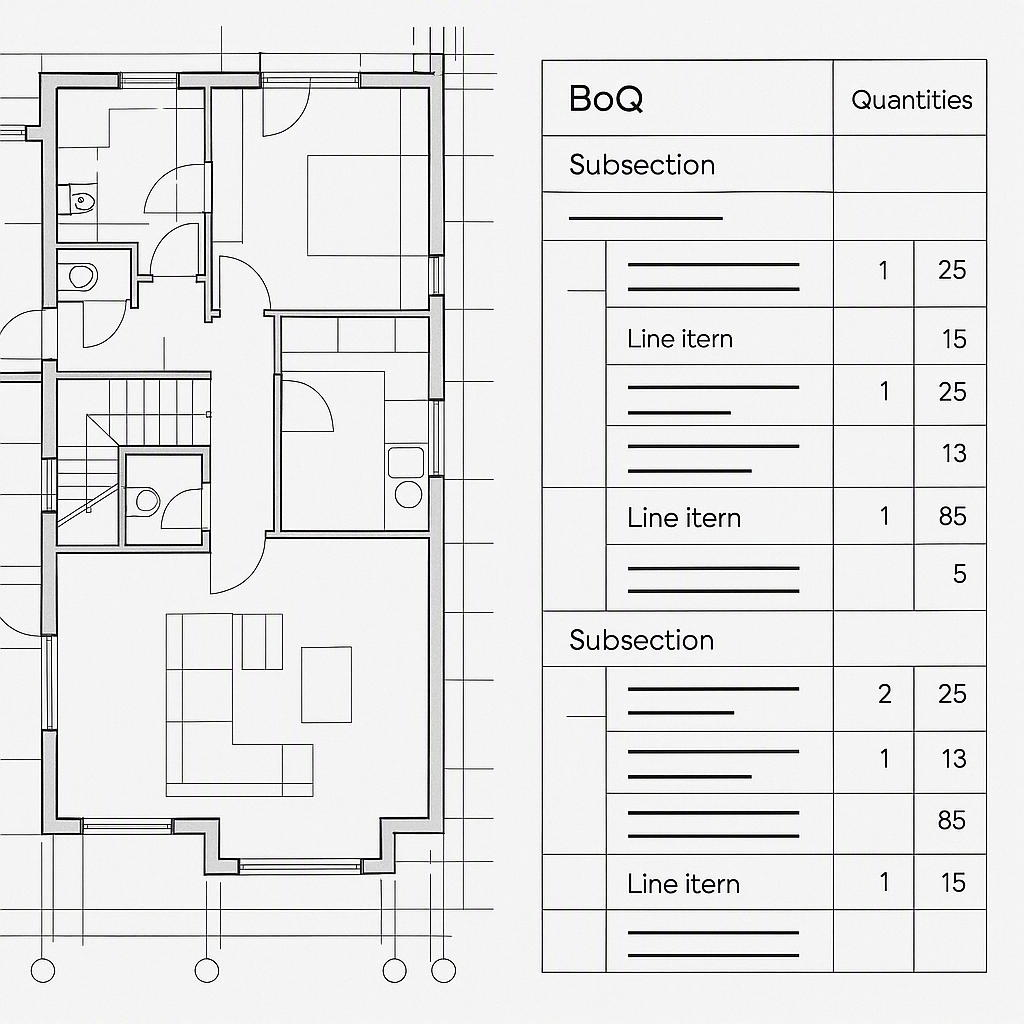
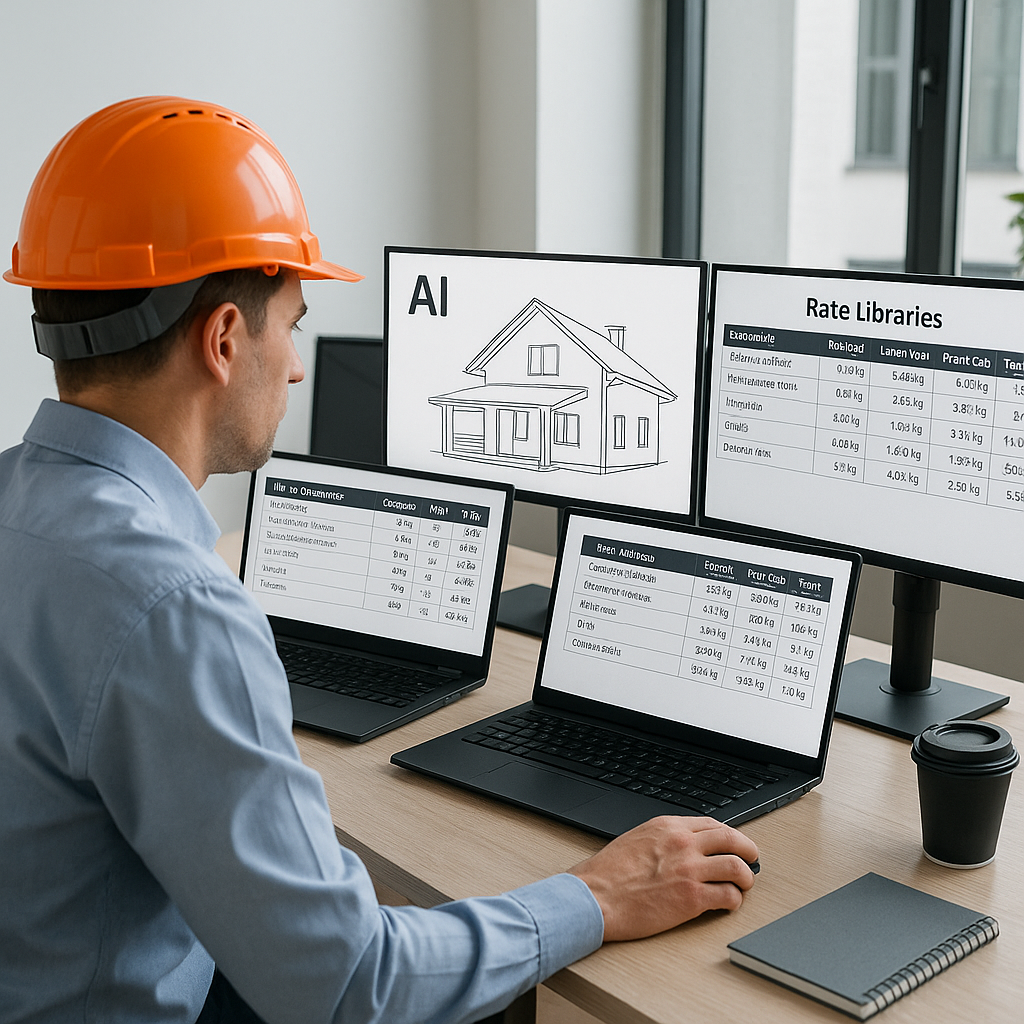
Let’s skip the fluff. AI-powered tools don’t just automate measurements or draw lines faster. They integrate rate libraries, reconcile BOQ mismatches, enforce budget discipline, and even handle compliance calculations. Here’s how:
1. Automated Rate Matching
AI tools like EstimateNext instantly match BOQ items to rate libraries, eliminating manual lookups. For example, if you’re pricing a concrete slab, the tool automatically pulls rates for materials, labor, and machinery from pre-approved databases.
- Example: EstimateNext’s database covers 78,000 rates, meaning contractors can generate accurate cost breakdowns in seconds.
2. Bottom-Up Costing
AI tools don’t just apply flat rates — they enable detailed bottom-up costing for BOQ items, breaking costs into labor, materials, equipment, and subcontractor expenses. This granular approach ensures transparency and prevents underquoting.
- Case Study: A mid-size contractor using JobNext reported a 20% improvement in bid accuracy after switching from manual costing to AI-powered estimates. This led to a 15% increase in project wins.
3. Integrated Procurement Workflows
Once an estimate is approved, AI tools feed it directly into procurement workflows. This ensures that every purchase order, subcontractor payment, or material requisition aligns with the original bid.
- Actionable Step: Contractors can use JobNext to auto-validate all procurement requests against pre-approved estimates, flagging overspending before it happens.
4. Compliance Automation
In regions like India and the GCC, compliance is non-negotiable. Tools like JobNext compute GST/TDS deductions, handle multi-currency projects, and integrate with statutory reporting systems like Tally.
- Example: A contractor in Dubai avoided a $50,000 fine after JobNext auto-applied the correct VAT rate during estimation.
Why 2024 Is Different
AI estimating tools are no longer niche. In 2023, a McKinsey report noted that over 65% of mid-size contractors are actively investing in AI-powered preconstruction tools to cut estimation time and improve bid accuracy. The trend is accelerating in 2024.
Data Points That Matter
- Time Savings: Manual takeoffs burn 40 hours per bid. AI tools like JobNext and EstimateNext slash that to 10 minutes (EstimateNext).
- Cost Reduction: Contractors save an average of 5-10% on project costs by preventing overquoting and underquoting.
- Bid Success: Firms using AI tools report up to 25% higher bid win rates due to improved speed and accuracy.
Benefits Beyond Estimation
The ROI of AI-powered tools extends beyond estimation. Faster bids mean more opportunities, while higher accuracy reduces disputes and rework during execution.
Practical Example: Bottom-Up Costing
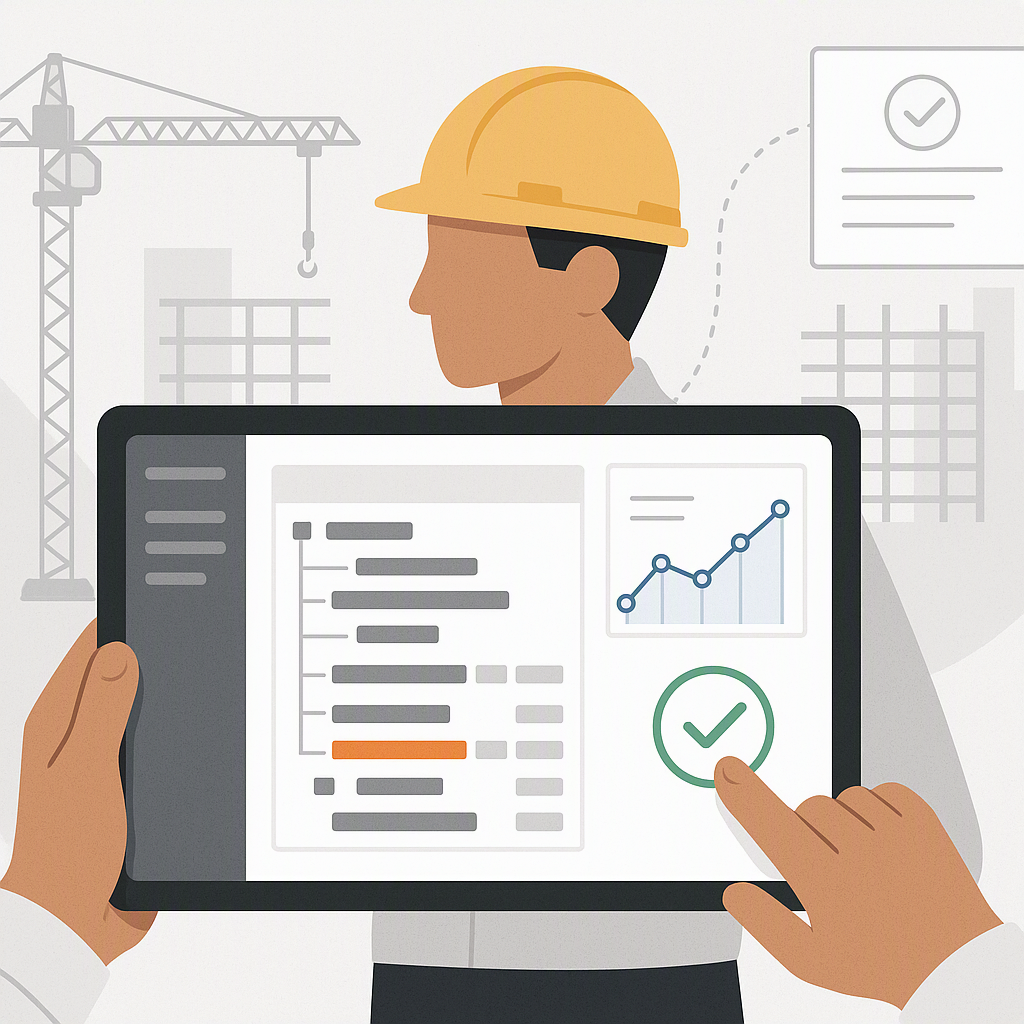
Here’s where JobNext shines. With its estimate-based quoting method, contractors can break down costs for every BOQ line item into labor, materials, and equipment. This level of detail ensures transparency and prevents underquoting.
JobNext Workflow
- Detailed Estimates: Create an estimate for each scope, breaking costs into granular components.
- Approval Process: Submit estimates for approval, resolving any resource validation errors.
- Quote Conversion: Convert approved estimates into quotes with markup percentages and taxes auto-applied.
- Budget Enforcement: Use the approved estimate as the project budget, validating all expenditures against it.
Case Study: Preventing Overspending
In a 2023 project, a contractor using JobNext flagged a $15,000 overspend on materials before purchase orders were issued. The AI tool matched requisitions against the original estimate and flagged discrepancies, saving the company from margin erosion.
The Obvious Objection: “Can’t My Team Do This Manually?”
Sure, they can. But should they? Manual estimating doesn’t just waste time — it’s prone to errors. Even your best estimator can misread a rate sheet or miscalculate a markup.
Comparison: Manual vs AI Estimation
| Feature | Manual Estimation | AI-Powered Estimation |
|---|---|---|
| Time Per Bid | 40 hours | 10 minutes |
| Error Rate | High | Low |
| Compliance Handling | Manual | Automated |
| Rate Integration | Siloed | Centralized |
| ROI | Limited | High |
Why Automation Matters
AI tools eliminate risks by integrating rate schedules directly into the estimating process, ensuring consistency across all projects. According to EstimateNext, AI rate matching fixes manual lookup errors in seconds, improving bid accuracy and saving margins.
The Bigger Picture: Compliance and Reporting
In regions like India and the GCC, compliance is non-negotiable. JobNext solves this with auto-computed GST/TDS deductions, statutory reporting integrations (like Tally), and multi-currency support for cross-border projects.
Real-World Example
Imagine this scenario: Your estimator finishes a detailed quote, but the tax calculations are off. You submit the bid, win the contract, and later realize your margins are shrinking due to missed compliance deductions. AI tools prevent this entirely by automating tax computations upfront.
Actionable Steps
- Use tools like JobNext to auto-apply compliance deductions during estimation.
- Set up integrations with accounting software like Tally to streamline statutory reporting.
- Configure multi-currency support for international projects, ensuring accurate rate application.
Key Takeaways for Contractors
- Time Saved: AI takeoff tools slash estimation time from 40 hours to 10 minutes.
- Accuracy: Rate mismatches and BOQ errors are eliminated with integrated rate libraries.
- Budget Discipline: Every spend aligns with pre-approved estimates.
- Compliance: GST/TDS deductions are auto-applied, ensuring statutory reporting accuracy.
- Higher Bid Success: Faster, more accurate bids lead to more projects won.
FAQ
Q: How does AI improve bid accuracy?
AI tools integrate rate libraries and reconcile BOQ mismatches, ensuring every estimate aligns with real costs. For example, EstimateNext flags mismatches instantly, reducing errors by up to 90%.
Q: Can AI tools handle complex projects?
Yes. Tools like JobNext support detailed bottom-up costing for labor, materials, machinery, and subcontractors. Multi-scope projects are easily managed with separate estimates feeding into unified budgets.
Q: Are AI tools worth the investment for small contractors?
Absolutely. Even small contractors benefit from faster estimations and improved bid accuracy, leading to more projects won. Many tools offer tiered pricing to accommodate smaller firms.
Q: What about compliance?
AI tools automate GST/TDS deductions and integrate with systems like Tally for seamless statutory reporting. This ensures you meet legal requirements without manual effort.
Q: Do these tools replace estimators?
No. AI tools enhance estimators’ efficiency by automating repetitive tasks and improving accuracy. Estimators still play a critical role in strategy and decision-making.
Call-to-Action
If your estimating process feels like a time sink, tools like JobNext can help. Stop losing hours and start protecting your margins. Get started today →
Learn more at EstimateNext