The Cost of Manual Estimation
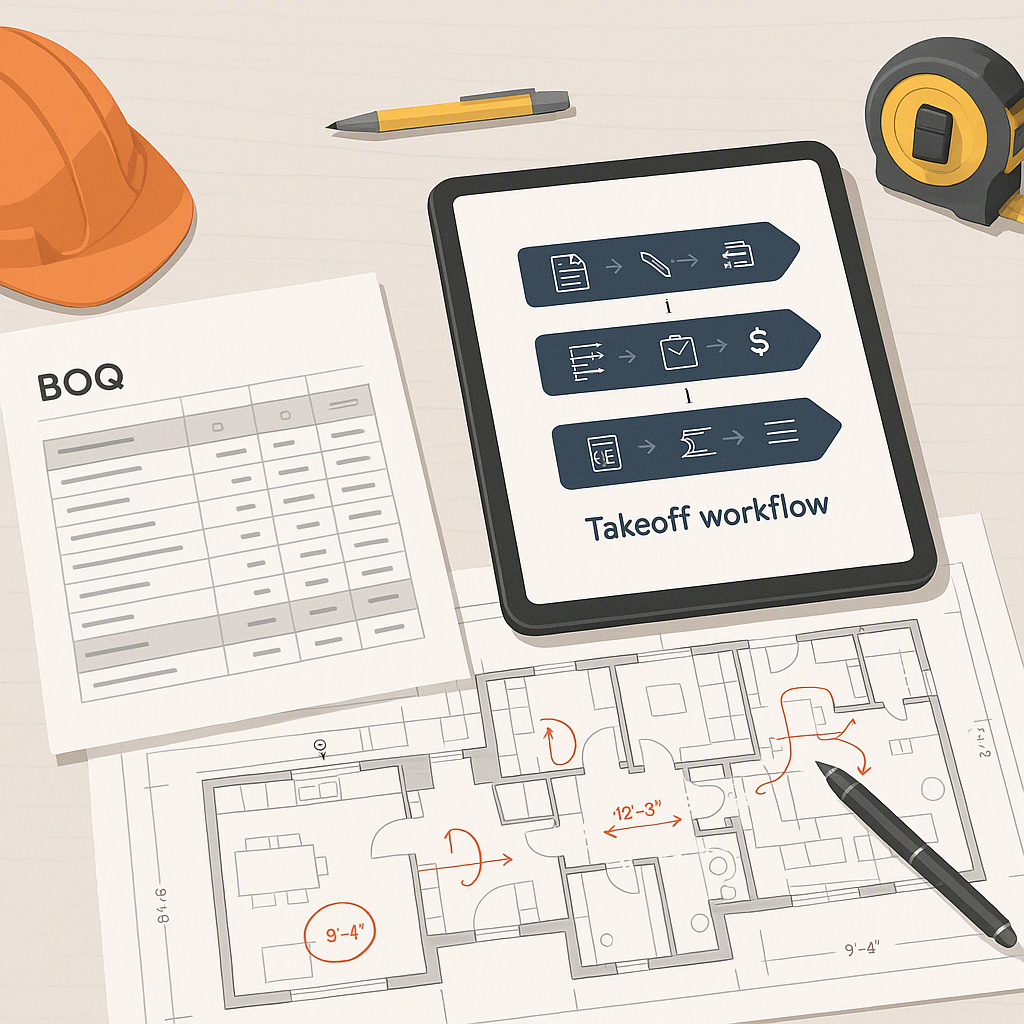
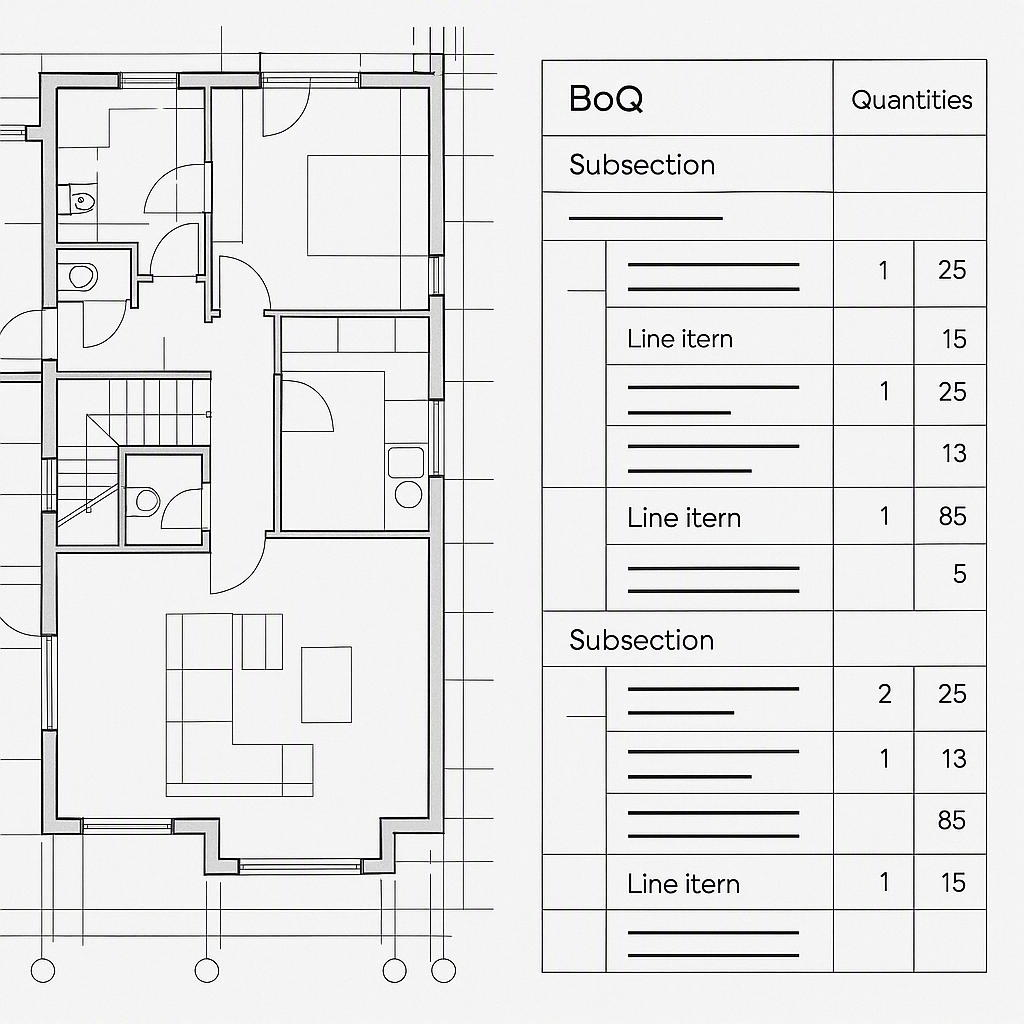
Let’s face it: manual BOQ (Bill of Quantities) estimation is painfully slow. A mid-size infrastructure project can require flipping through thousands of rate books, cross-checking labor costs, materials, and equipment rates. At best, this process wastes 40 hours per bid. At worst? It leads to costly errors—undervalued quotes, missed line items, and mispriced resources.
According to a 2023 McKinsey report, Indian contractors lose up to 12% of their project margins due to inaccurate preconstruction estimates. In GCC countries, where labor and material costs fluctuate more frequently, that leakage can be even worse. For example, in Saudi Arabia, where mega-projects such as NEOM require precise cost control, contractors often struggle to stay competitive while managing dynamic market rates.
The Risks of Manual Estimation
Manual estimation isn’t just slow—it’s risky. Here are some common pitfalls:
- Human Error: When flipping through hundreds of rate sheets, it’s easy to miss a line item or miscalculate unit rates. One error can cascade into grossly inaccurate bids.
- Resource Mispricing: Material and labor costs fluctuate frequently. If your rates aren’t updated, your bid may undervalue key resources.
- Inconsistent Quotes: Manual methods often result in inconsistent pricing across projects, causing confusion and eroding client trust.
Example: Real-World Costs
A mid-size construction firm bidding on a $10 million infrastructure project in India recently lost the bid because their manual estimation process overlooked GST compliance on labor costs. The error added an unexpected $120,000 to their project budget—after the contract was signed. The result? The firm lost money before even breaking ground.
AI Cuts Estimation Time (and Saves Margins)
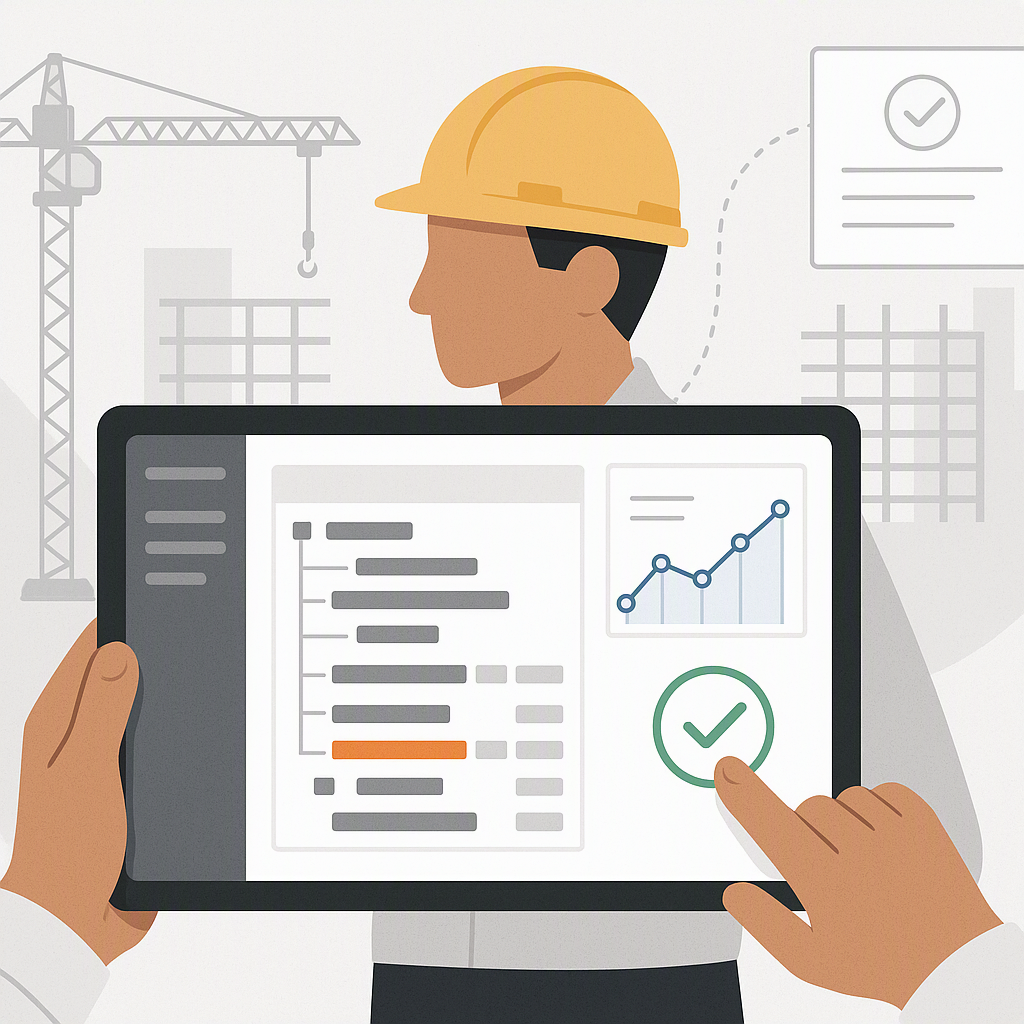
AI-powered tools like EstimateNext promise a solution: precision and speed. These tools can process 78,000 rates in seconds, matching BOQ items to centrally managed rate schedules. No flipping through books. No manual errors. Just accurate, instant results.
How AI Works
AI uses machine learning algorithms to:
- Rate Matching: Instantly match BOQ items to the latest supplier rates, factoring in labor, material, and equipment costs.
- Compliance Integration: Automatically apply GST, TDS, and other compliance regulations, ensuring bid accuracy.
- Error Reduction: Identify inconsistencies, missed line items, or mispriced resources before bids are finalized.
Case Study: Saving Time and Margins
Consider a UAE-based contractor specializing in infrastructure projects. Using manual methods, preparing a bid for a $25 million project took 60 hours due to the complexity of labor and material breakdowns. After switching to AI-powered tools, the firm reduced bid preparation time to just 12 hours, saving 48 hours per project. Additionally, they eliminated errors that had previously cost them 5-8% in project margins.
Why Speed Matters in India & GCC
Infrastructure projects in India and GCC are booming. India aims to hit $1 trillion in construction output by 2025, while GCC countries like Saudi Arabia and Oman are pouring billions into mega-projects. These opportunities come with fierce competition. To stay ahead, contractors must deliver bids faster—and with greater accuracy—than their competitors.
The Competitive Edge
If your bids take 40 hours to finalize, you’re losing time—and likely losing bids. AI tools like JobNext’s estimate-based quoting method are built to solve this exact problem. They allow contractors to:
- Create Detailed Quotes: Full labor, material, plant, and subcontract breakdowns.
- Ensure Rate Consistency: Enforce uniform pricing across projects.
- Finalize Bids Quickly: Generate accurate quotes in hours, not days.
Actionable Steps
Here’s how contractors can leverage AI estimation tools to stay competitive:
- Integrate Supplier Data: Use AI tools to pull real-time supplier rates directly into your BOQ.
- Automate Compliance Checks: Ensure GST, TDS, and other regulations are applied automatically.
- Standardize Rate Schedules: Centralize rate management to avoid pricing inconsistencies across bids.
AI vs. Manual Estimation: A Comparison
| Feature | Manual Estimation | AI-Powered Estimation |
|---|---|---|
| Speed | 40+ hours per bid | 2-12 hours per bid |
| Accuracy | Prone to human error | Near error-free |
| Compliance Integration | Requires manual checks | Automated |
| Rate Updates | Time-consuming | Instant |
| Scalability | Limited | High |
The Bottom Line
In my view, manual estimation simply doesn’t hold up anymore. If you’re still flipping through rate books, you’re bleeding margins and wasting time your competitors can’t afford to give you. AI estimation tools are no longer a luxury—they’re a necessity.
FAQ
How does AI ensure estimation accuracy?
AI tools use centrally managed rate schedules and real-time data from supplier databases to match BOQ items with the correct rates. They factor in labor, material, and compliance costs, reducing the likelihood of errors.
What’s the ROI of switching to AI-powered estimation?
Studies show contractors save up to 40 hours per bid, with error reductions preventing margin erosion of up to 12% per project. Additionally, faster bids mean you can respond to more opportunities, boosting revenue potential.
Can AI handle complex infrastructure projects?
Yes. Tools like JobNext’s estimate-based quoting method include full resource breakdowns—labor, material, plant, subcontractor—for large, complex projects. These tools are designed to scale with project complexity.
Is AI estimation expensive?
While there’s an upfront cost, the time savings and margin protection often pay for the investment within months. Many AI tools also offer tiered pricing based on company size.
What happens if market rates fluctuate after I submit a bid?
Advanced AI tools can track rate fluctuations in real time and alert you to changes before finalizing the bid. Some tools even offer predictive pricing based on historical trends.
If you're losing time and margins to manual estimation, JobNext can help. Get started free →
Learn more at EstimateNext