The Hidden Killer of Construction Margins: Poor Cost Tracking
Contractors don’t lose money all at once. It’s death by a thousand cuts — small, unnoticed costs that pile up until your margins are gone. One of the biggest culprits? Poor cost tracking.
You might think you’ve got a handle on your project costs. After all, you’re tracking budgets, invoices, and payments. But here’s the truth: if you don’t have real-time visibility into your costs, you’re flying blind. And that’s a dangerous place to be.
The 20% Margin Erosion Problem
Contractors lose up to 20% of their margins due to poor cost visibility. That’s not just a guess — it’s backed by industry data. A study by KPMG found that only 31% of construction projects come within 10% of their original budgets. Why? Because most contractors track costs reactively. By the time you spot an overrun, it’s too late to course-correct.
Let’s break this down. Imagine you’re running a ₹10 crore project with a 10% expected profit margin. That’s ₹1 crore in profit — if everything goes perfectly. Now, let’s say you lose 20% of your margin to cost overruns. That’s ₹20 lakh gone. For every five projects, you’ve lost ₹1 crore. Still think this isn’t a big deal?
Where Does the Money Go?
Poor cost tracking creates leaks across your operations. Here are the common culprits:
- Unbilled Work: A subcontractor completes work, but the RA bill isn’t raised on time. You pay them, but you forget to bill the client.
- Duplicate Invoices: Vendors send duplicate invoices, and no one catches it until reconciliation (if ever).
- Idle Equipment: Your ₹50 lakh excavator sits idle for weeks, but you’re still paying EMI and depreciation.
- Scope Creep: You take on extra work without updating the BOQ. You eat the cost because it’s not formally billed.
The Solution: Real-Time Cost Tracking
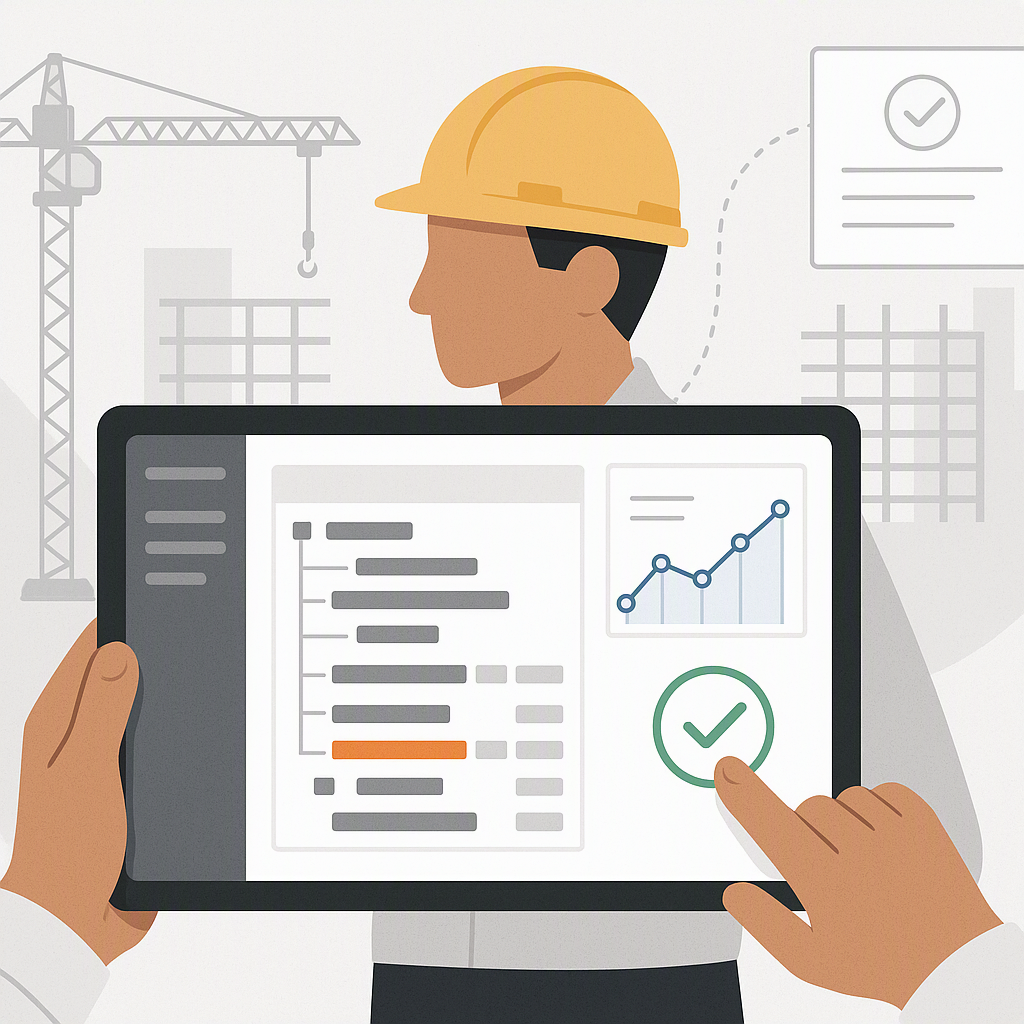
Fixing this isn’t rocket science. The solution is real-time cost tracking. Tools like cloud ERP systems give you instant visibility into project profitability. You can see exactly where your money is going — down to the last BOQ line item.
For example, JobNext lets contractors monitor costs across all stages of a project. You can track material procurement, subcontractor payments, and RA bills in real time. No more surprises at month-end.
Case Study: ₹30 Lakh Saved with Real-Time Visibility
One of our clients, a mid-sized MEP contractor in Dubai, was running six concurrent projects. They were constantly running over budget and couldn’t figure out why. After implementing JobNext, they discovered two issues:
- They were overpaying vendors by 5-10% due to duplicate invoices.
- 15% of their equipment was underutilized, racking up ₹6 lakh in unnecessary costs monthly.
By addressing these issues, they saved ₹30 lakh in just six months. That’s the power of real-time cost tracking.
Why Manual Systems Don’t Cut It
You might be thinking, “We already track costs in Excel.” But here’s the problem: Excel is static. It’s not designed for real-time collaboration or multi-project tracking. When you’re managing multiple sites, dozens of vendors, and hundreds of line items, manual systems just can’t keep up.
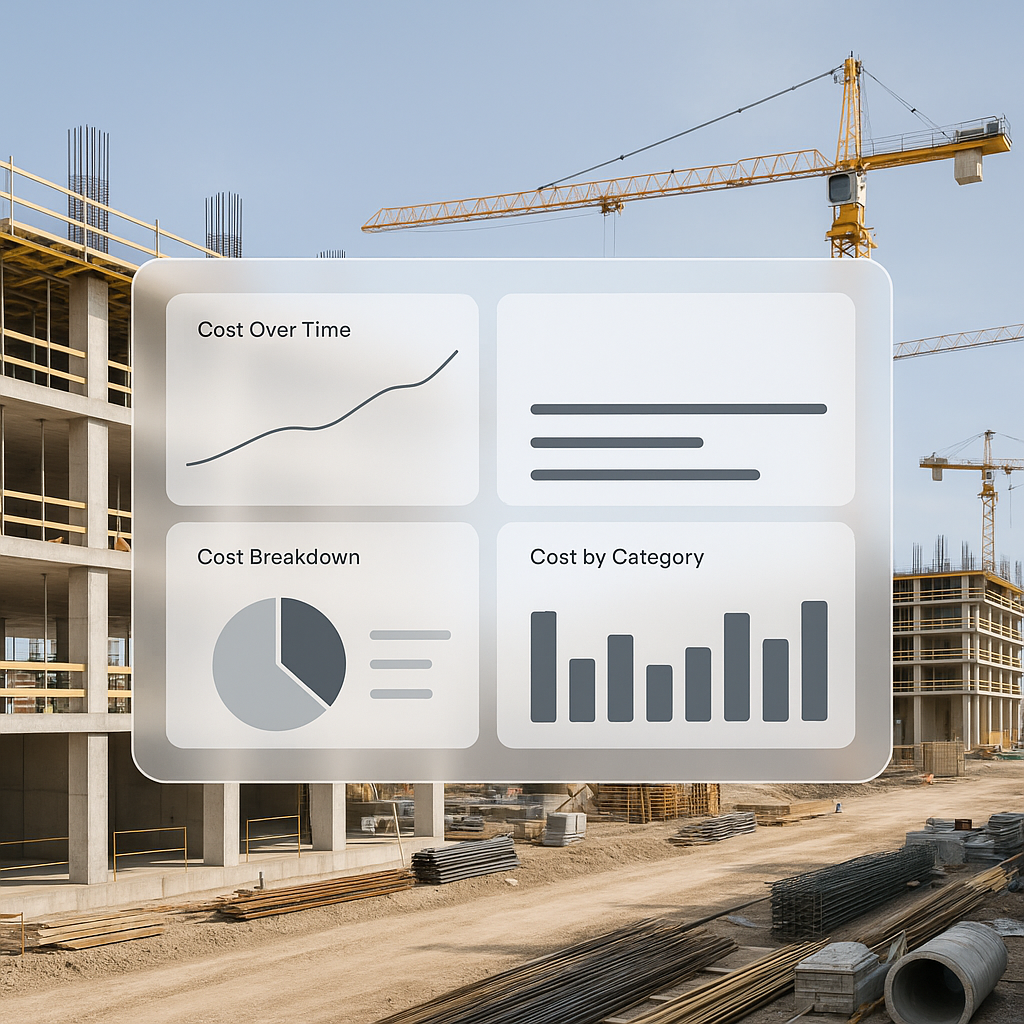
Cloud ERP platforms like JobNext solve this by consolidating everything — BOQs, scope changes, vendor payments, and billing — into one system. You get dashboards that tell you exactly how profitable each project is at any given moment.
How to Get Started
If you’re serious about improving profitability, start by assessing your current cost tracking process. Ask yourself:
- Do we have real-time visibility into project costs?
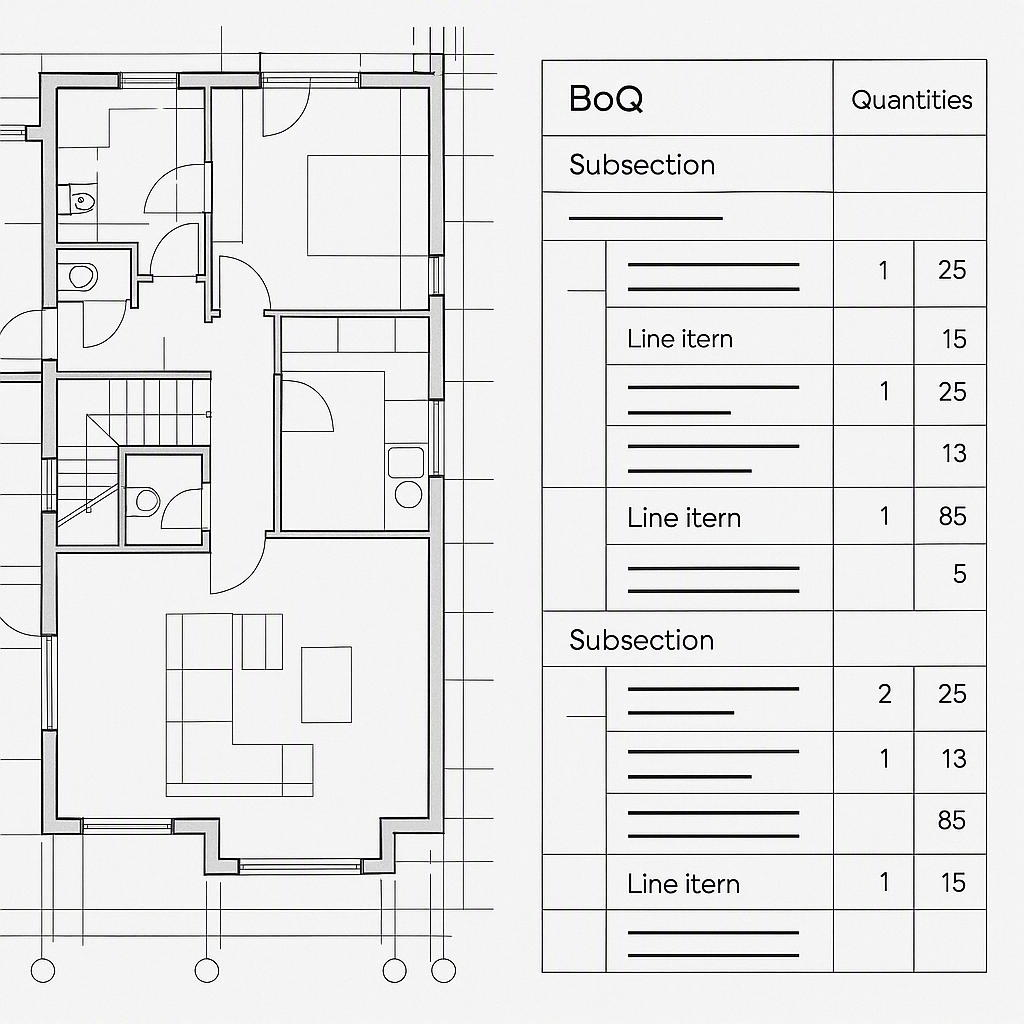
- Can we track profitability down to the BOQ level?
- Are we catching overpayments, underbilling, and idle time?
If the answer to any of these is “no,” it’s time to consider a better solution. Tools like JobNext aren’t just for big contractors. They’re designed for small and mid-sized firms who need to protect their margins.
Final Thoughts
Construction margins are razor-thin. You can’t afford to lose 20% of your profits to poor cost tracking. Real-time visibility isn’t a luxury — it’s a necessity. And with tools like JobNext, it’s easier than ever to implement.
Want to see how it works? Check out this detailed post: Why Contractors Lose Margins Without a Cloud ERP (And How to Fix It).
Learn more at EstimateNext