The Real Problem With Bid Markup
Most contractors treat bid markup like a guessing game. They slap on a percentage—10%, 15%, 20%—without questioning whether it's realistic. Why? Because they don’t trust their cost estimates. If you can't confidently pinpoint your project costs, you’ll always overcompensate to “play it safe.” Unfortunately, this approach kills your competitiveness or erodes your margins.
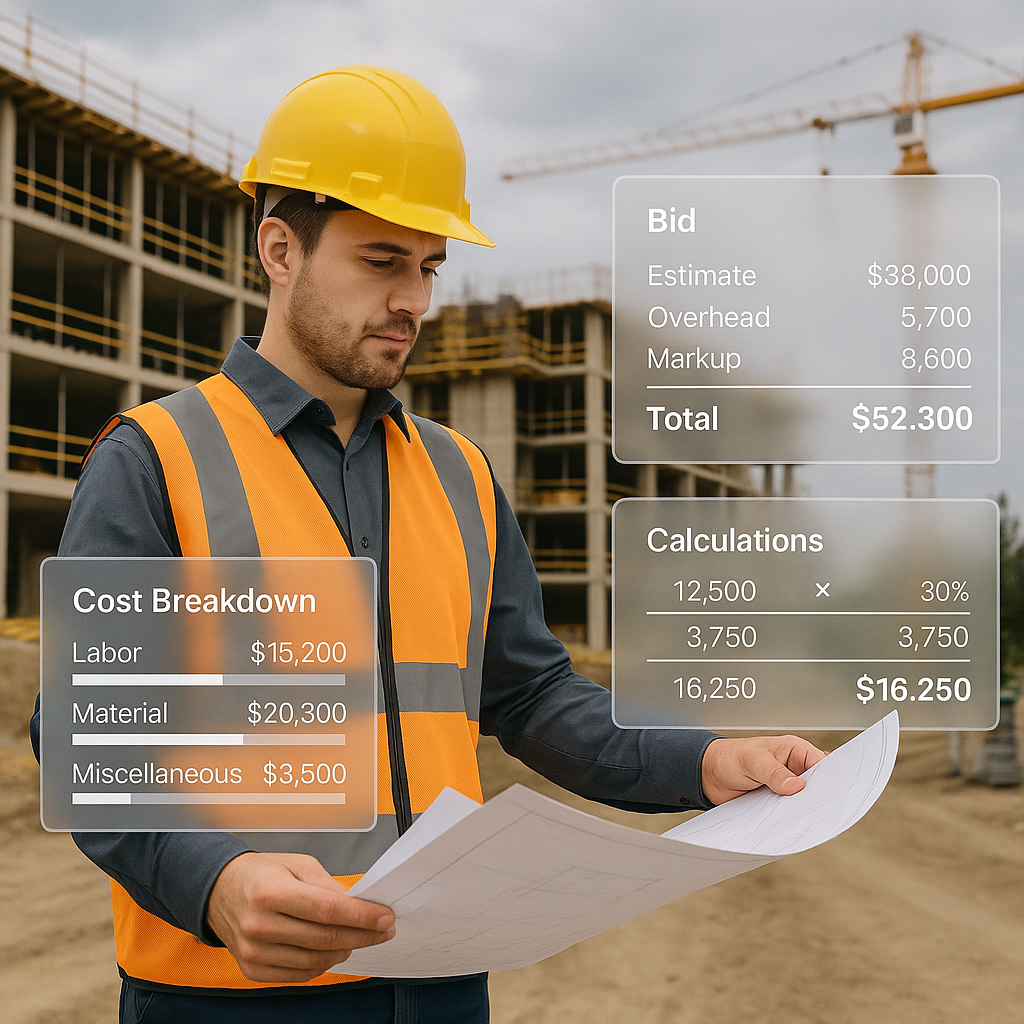
A well-calculated bid markup starts with accurate cost data. Not just direct costs like materials and labor, but also indirect costs—overheads, equipment depreciation, and even subcontractor overruns. Here’s a truth bomb: your indirect costs are likely higher than you think. And if you’re guessing, you’re losing money.
Step 1: Start With Precise Estimates
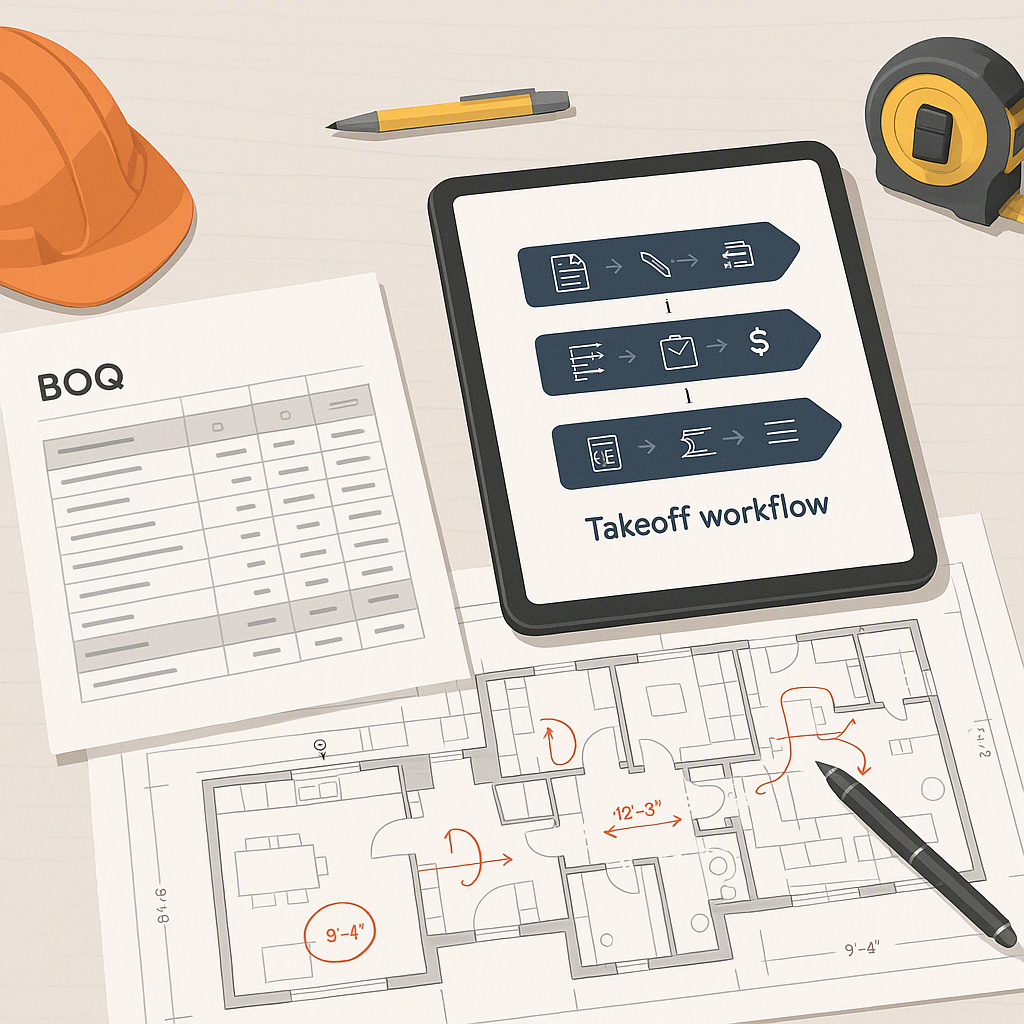
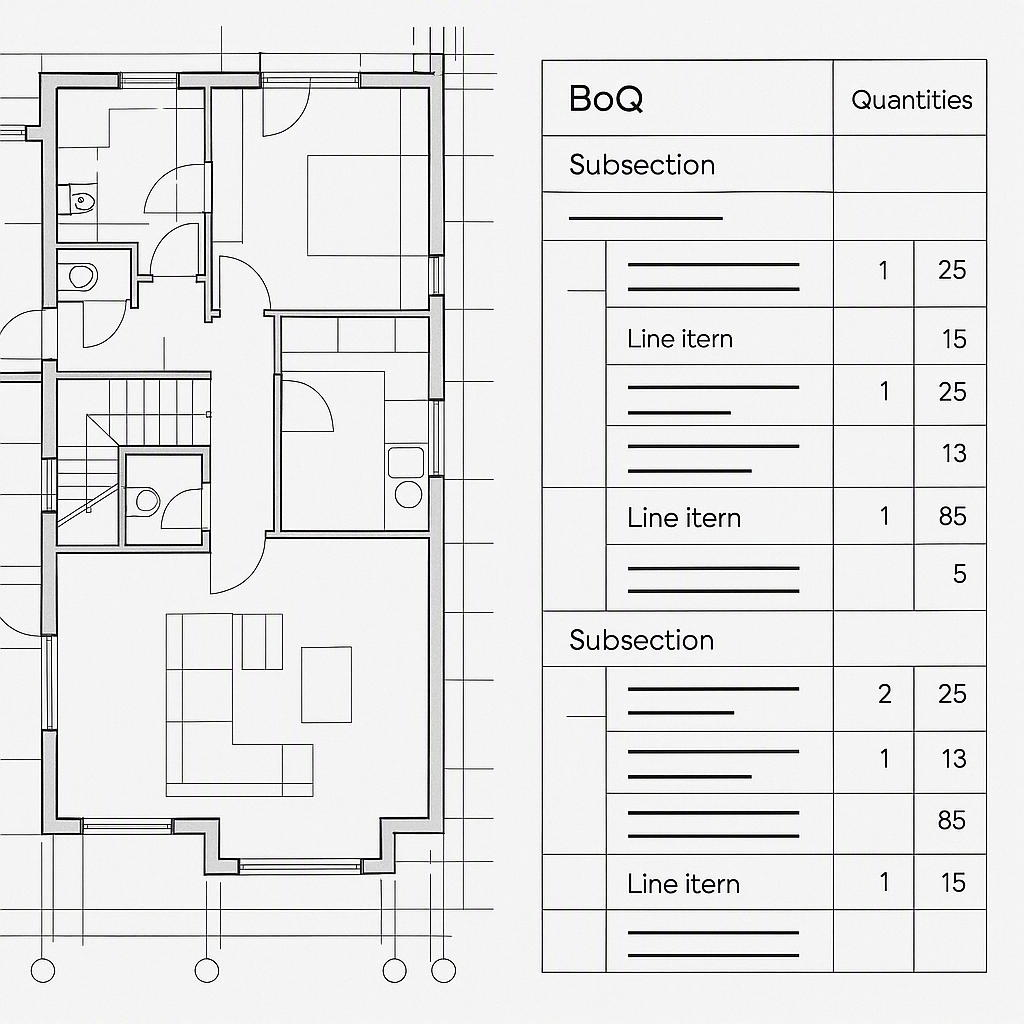
Accurate estimates are the foundation of any bid. But manual estimation processes introduce errors and inefficiencies. Flipping through rate books, cross-referencing BOQs (Bill of Quantities), and calculating resources manually eats up time and introduces mistakes. According to EstimateNext, manual estimation takes up to 40 hours per bid. Tools like AI-powered estimators can cut that process to 10 minutes with unmatched precision.
Why Precision Matters
Poor estimates can cripple your business. Consider this example:
- Scenario A: A contractor estimates a project will cost ₹15,00,000 based on outdated material prices. The actual cost ends up being ₹18,00,000. Without adjusting the bid markup, the contractor absorbs the loss.
- Scenario B: Using real-time pricing tools, another contractor estimates the same project at ₹18,50,000 and prices it at ₹22,20,000 with a 20% markup. They win the bid and protect their margins.
Precise estimates ensure you’re playing to win without cutting corners.
Actionable Steps:
- Adopt Technology: Use AI-powered tools like EstimateNext or JobNext for accurate cost breakdowns.
- Update Your Database: Regularly update material, labor, and equipment costs in your system.
- Review Past Projects: Analyze past performance to identify recurring cost overruns and fine-tune your processes.
Step 2: Calculate Markup Based on Reality, Not Fear
Markup isn’t just a random percentage. It’s the difference between your costs and your selling price. To calculate it:
Markup (%) = [(Selling Price - Cost) ÷ Cost] × 100
For example, let’s say your estimated project cost is ₹10,00,000. You plan for a 20% markup:
Selling Price = Cost + (Cost × Markup%)
Selling Price = ₹10,00,000 + (₹10,00,000 × 0.20) = ₹12,00,000
When Markup Goes Wrong
Imagine your cost estimate is off by just 5%. That’s ₹50,000 on a ₹10,00,000 project. If you underprice, you erode your profit. If you overprice, you risk losing the bid. Small errors cascade into big problems.
Actionable Steps to Avoid Guesswork:
- Use Historical Data: Review similar past projects to refine your markup percentage.
- Segment Your Markup: Apply different markups to labor, materials, and high-risk items.
- Factor in Market Trends: If material costs are volatile, build a buffer based on current trends.
Step 3: Don’t Forget Indirect Costs
Most contractors underestimate indirect costs. Equipment downtime, administrative overhead, and compliance expenses add up fast. For instance, if your equipment utilization rate is below 60%, you’re bleeding money without realizing it.
Example: Equipment Utilization
A contractor owns a concrete mixer that costs ₹5,00,000 and depreciates at 10% annually. If it’s only used for 60% of its capacity, the idle cost is ₹20,000 per year. That’s just one piece of equipment. Multiply this across your fleet and you’re looking at significant hidden costs.
Actionable Steps:
- Track Utilization: Use tools like JobNext’s asset lifecycle management to monitor equipment use.
- Include Idle Costs: Factor idle time and depreciation into your bids.
- Audit Overheads: Break down administrative, compliance, and operational costs to ensure they’re accounted for.
Step 4: Use Real-Time Project Data to Adjust
Here’s where most contractors fall short: they treat bid markup as a one-time calculation. But market conditions, material prices, and labor availability change constantly. Real-time cost tracking tools can help you adjust your markup dynamically.
Case Study: Real-Time Adjustments
A contractor bidding on a ₹25,00,000 road construction project used a fixed markup of 10%. Midway through the project, asphalt prices rose by 15%. Without real-time tracking, they absorbed the price hike and lost ₹1,50,000 in profit. A competitor using dynamic pricing tools adjusted their markup on a similar project and maintained profitability.
Actionable Steps:
- Monitor Market Data: Subscribe to industry updates on material and labor costs.
- Use Dynamic Reports: Platforms like JobNext’s BOQ Margin Report flag low-margin items early.
- Adjust on the Fly: Build flexibility into your pricing strategy to respond to market shifts.
Common Markup Mistakes to Avoid
- Ignoring Market Rates: If your markup makes your bid the highest in the market, you’re out. Use competitive benchmarking tools to stay aligned.
- Fixed Percentages: A flat markup percentage across all BOQ items is lazy. High-risk items like subcontracted work may need a higher buffer.
- Forgetting Taxes and Compliance: GST, TDS, and statutory deductions eat into your margins. Always include them in your bid calculations.
- Assuming Full Utilization: If your equipment or workforce isn’t fully utilized, your indirect costs spike. Don’t overlook this.
Why AI-Powered Tools Are the Future of Bid Markup
Manual processes can’t keep up with the complexity of modern construction projects. AI-powered platforms like JobNext and EstimateNext simplify the process by automating cost breakdowns, applying dynamic markups, and flagging margin risks.
For example, EstimateNext matches 78,000 rates instantly, ensuring your cost data is always accurate.
Benefits of AI-Powered Tools:
- Speed: Cut estimation time from 40 hours to 10 minutes.
- Accuracy: Reduce errors by up to 95%.
- Dynamic Adjustments: Respond to real-time cost changes.
FAQ
1. What’s the difference between markup and margin?
Markup is the percentage added to your cost to determine the selling price. Margin is the percentage of your selling price that is profit. For example, a 20% markup may result in a 16.67% margin.
2. How do I handle fluctuating material prices?
Use real-time pricing tools and include escalation clauses in contracts to protect against price hikes.
3. What’s the ideal markup percentage?
There’s no one-size-fits-all answer. It depends on your industry, overheads, and market. Generally, 10%-30% is common, but precise calculations are key.
4. How often should I update my cost database?
At least quarterly, or whenever there’s a significant market shift.
5. Can I use the same markup for every project?
No. High-risk projects or specialized tasks may require higher markups to account for contingencies.
Comparison Table: Manual Estimation vs AI-Powered Estimation
| Feature | Manual Estimation | AI-Powered Estimation |
|---|---|---|
| Time Required | 20-40 hours per bid | 10-15 minutes per bid |
| Accuracy | Prone to errors | 95%+ accuracy |
| Cost Tracking | Static | Real-time |
| Market Adjustments | Manual research | Automated |
| Scalability | Limited | High |
Conclusion: Stop Guessing, Start Winning
If you’re still guessing your bid markups, you’re leaving money on the table—or worse, losing bids. Accurate estimates, real-time data, and AI-powered tools are the key to competitive bidding and healthy margins.
Looking to take control of your costs? JobNext was built to help contractors like you master the math of construction. Get started free →
Learn more at EstimateNext