Why Guessing Your Bid Markup Is Destroying Margins
Markup is tricky. Most contractors think they’ve nailed it—add 20%, and you’re good. But real-world projects don’t work like that. Overheads balloon, scope changes pile up, and suddenly your "safe" 20% markup isn’t covering costs.
How does this happen? Simple: you’re forgetting hidden costs—subcontractor overruns, idle equipment, and labor inefficiencies. And if your bid markup doesn’t account for these, you’re already losing money before the project starts.
In this article, we’ll explore how to calculate bid markup correctly, provide actionable steps, and examine case studies to show how small missteps can erode profitability. By the end, you’ll have a roadmap to protect your margins on every project.
What is Bid Markup, and Why Does It Matter?
Bid markup is the percentage you add to your project costs to ensure you cover overheads, unforeseen expenses, and secure a profit. It’s not just a buffer; it’s a lifeline for your business.
Why Guessing Markup is Dangerous
- Underestimating Costs: A "gut-feel" markup often leads to missed expenses like subcontractor overruns or idle machinery.
- Thin Margins: Without accurate markup, even a small cost overrun can push your project into the red.
- Competitive Pressure: When projects are awarded to the lowest bidder, guessing your markup can mean winning unprofitable jobs.
For example, a contractor who guessed a 15% markup on a ₹50 lakh project ended up with only ₹1 lakh in profit after unexpected delays and material price hikes. A well-calculated markup could have safeguarded their margins.
Step-by-Step: Calculating Bid Markup Correctly
Here’s the formula you should be using:
Bid Markup (%) = [(Total Costs + Overheads + Hidden Costs) / Total Costs] x 100
Let’s break it down:
1. Total Costs
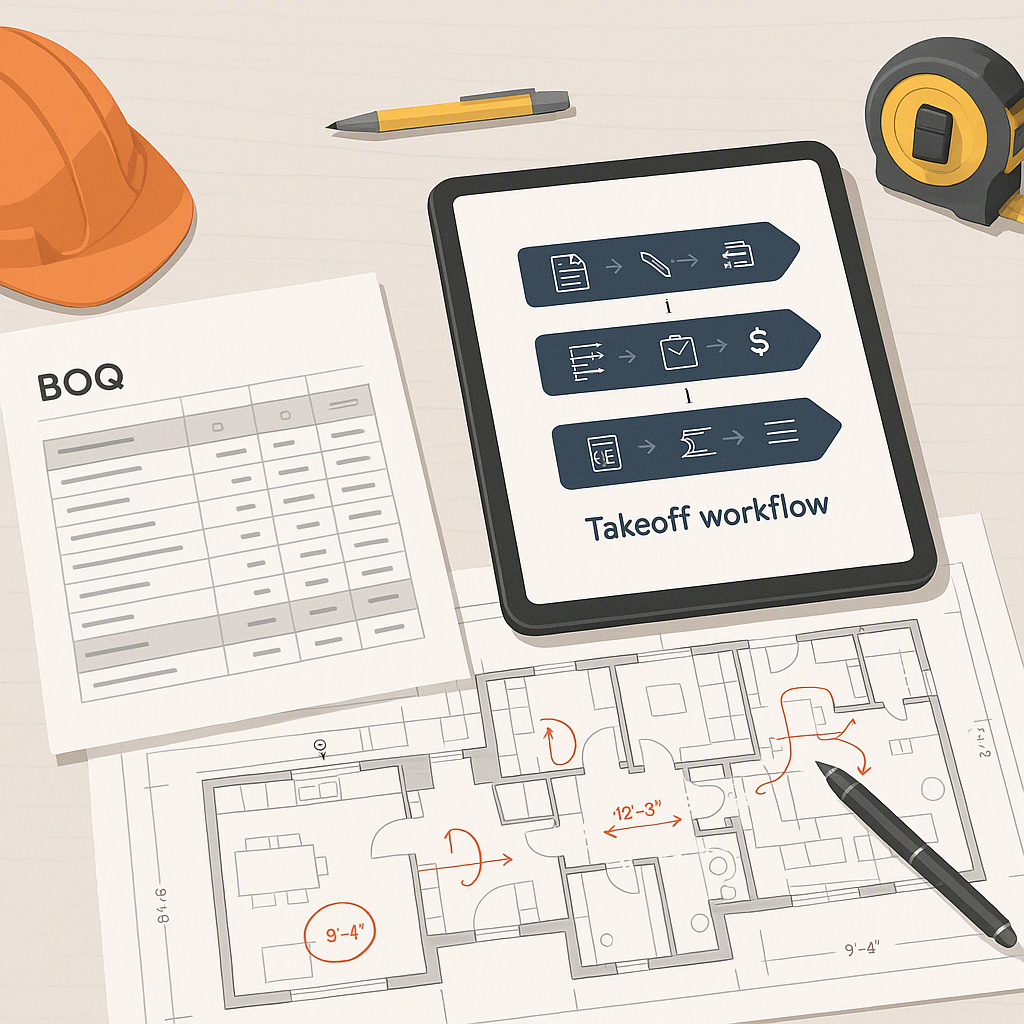
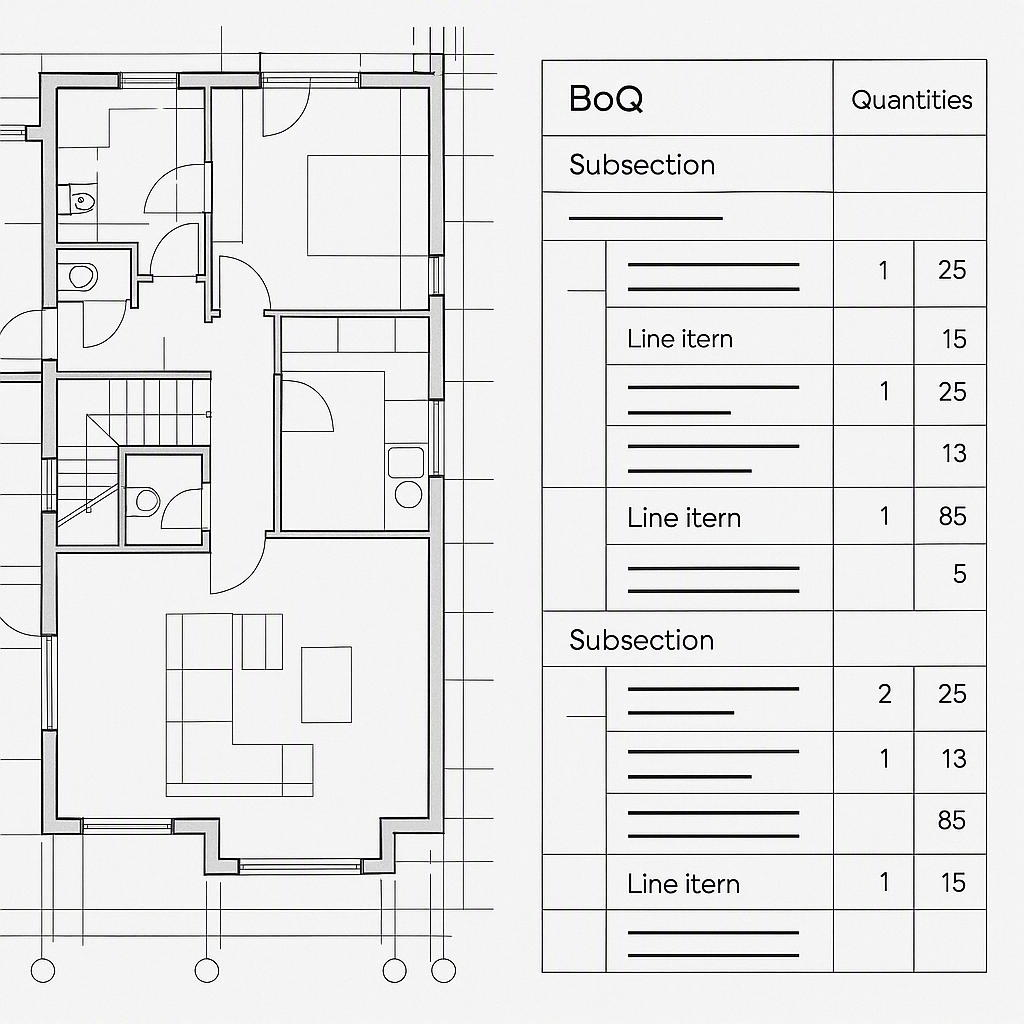
Start with the Bill of Quantities (BOQ). This is your baseline. Avoid guesswork by using a detailed cost build-up. Break each BOQ item into:
- Materials: Include procurement costs, freight, and wastage.
- Labor: Account for hourly rates, overtime, and productivity variations.
- Equipment: Factor in rental, fuel, and maintenance costs.
- Subcontractors: Use realistic quotes, not just the lowest bid.
Actionable Tip: Use tools like JobNext’s BOQ builder to ensure every line item is precise. According to a case study by JobNext, contractors using detailed costing reduced cost overruns by 15% on average.
2. Overheads
Overheads are often underestimated. These include:
- Fixed Overheads: Office rent, salaries, software subscriptions.
- Project-Specific Overheads: Site insurance, permits, project management, and utilities.
Avoid averaging overheads across jobs. Instead, calculate them for each project. For instance, a ₹1 crore project may have insurance costs of ₹2 lakh, while a smaller ₹10 lakh project may only require ₹20,000.
Pro Tip: Use JobNext’s HR module to track labor costs and attendance accurately.
3. Hidden Costs
This is where most contractors fail. Hidden costs include:
- Idle Equipment: Machines that aren’t used but still cost money.
- Subcontractor Delays: Additional costs incurred when timelines slip.
- GST Compliance Penalties: Fines for late tax payments or incorrect filings.
A 2022 survey by Construction Dive found that 43% of contractors reported losing 5-10% of project value due to hidden costs. Weekly tracking can mitigate these losses.
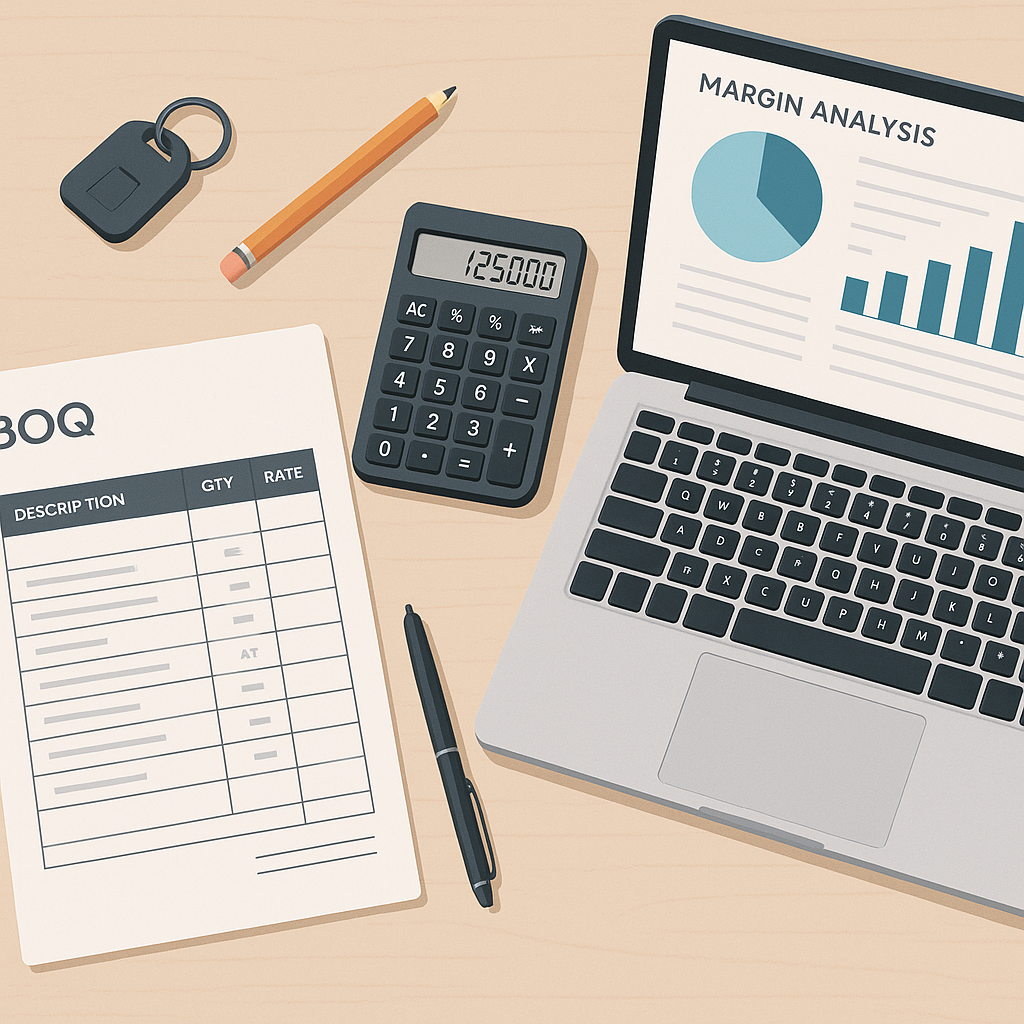
Actionable Tip: Use JobNext’s BOQ Margin Report to catch negative-margin items weekly. This allows you to adjust strategies mid-project.
Apply and Compare
Once you’ve calculated your markup, compare it to market rates. If it’s too high, look for inefficiencies. Too low? You’re likely missing costs.
Real-World Case Study: Subcontractor Cost Overruns
The Problem
A contractor lost ₹2.8 lakh on a ₹1 crore residential project due to subcontractor overruns. The subcontractor—hired because of their low bid—missed deadlines, leading to additional labor and equipment costs.
What Went Wrong?
- No Technical Evaluation: The subcontractor lacked the skills for the job.
- No Performance Tracking: The contractor didn’t monitor progress closely.
- No Weekly Margin Review: Negative-margin items weren’t flagged until the project was nearly complete.
How to Avoid This
- Competitive Bidding: Always get three quotes and compare not just price, but also experience and reliability.
- Evaluate Beyond Price: Check past performance, safety records, and adherence to deadlines.
- Track Progress: Use tools like JobNext to monitor subcontractor performance and control payments.
The Outcome
By implementing these steps, the contractor avoided similar issues on their next project, saving ₹3 lakh in potential overruns.
Actionable Tools for Better Markup Calculation
- BOQ Margin Report: Review this weekly to catch estimation errors and margin erosion.
- Estimate-Based Quotes: Ensure precision across labor, materials, and subcontracting.
- AI Estimation Tools: Platforms like EstimateNext cut manual takeoff times by 75% and reduce errors.
FAQs on Bid Markup
1. How can I calculate markup when clients demand discounts?
Discounts shouldn’t eat into your margins. Instead, adjust your markup transparently. Use tools like JobNext’s Estimate-Based Quote method to show clients how discounts impact project viability. This builds trust and helps you maintain profitability.
2. What’s a safe markup percentage?
There’s no one-size-fits-all answer. Markup should cover:
- Fixed and variable costs
- Overheads
- Hidden expenses
- Desired profit margin
For most contractors, this falls between 10-25%, but it varies by industry and project scope. Always calculate, don’t guess.
3. How do I handle unexpected cost increases?
Weekly margin reviews are key. Tools like JobNext’s BOQ Margin Report highlight overruns early, giving you time to address issues. Negotiate with suppliers or adjust project timelines to stay on track.
4. How can I convince clients to accept higher markups?
Show your work. A detailed BOQ and transparent cost breakdown demonstrate professionalism and justify your markup. Clients are more likely to accept higher rates when they understand the value behind them.
Decision Framework: Is Your Markup Strategy Working?
| Question | Yes | No |
|---|---|---|
| Are you tracking overheads on a project level? | You’re on track! | Start calculating specific overheads. |
| Do you review BOQ margins weekly? | Great job! | Use a margin tracking tool. |
| Are your subcontractors evaluated for performance? | You’re reducing risks! | Start vetting them thoroughly. |
| Do you use tools for estimation and tracking? | Efficiency unlocked! | Explore AI-powered tools. |
Final Thoughts
Markup isn’t just a percentage. It’s a reflection of how well you understand your costs and risks. If you’re still guessing, you’re gambling with your margins.
If managing costs feels overwhelming, JobNext can help. From BOQ margin tracking to subcontractor management, it’s built for contractors who want to protect their profits. Explore JobNext →
Learn more at EstimateNext