The One Step Most Contractors Skip in Bid Markup
Let’s cut to the chase: most contractors bleed margins because they don’t calculate their bid markup properly. And no, I’m not talking about forgetting to include overhead or profit. I’m talking about missing the resource-level breakdowns that expose hidden cost drivers.
Why Your Bid Markup Isn’t Working
A lot of contractors calculate markup as a flat percentage. They’ll slap on 15%, maybe 20%, and call it a day. But here’s the problem: that percentage is meaningless if your base estimate is wrong. You’re essentially multiplying errors.
For example, if you underestimate labor costs by 10% and apply a 20% markup, you’re already starting with a margin deficit. Add unexpected material price hikes, subcontractor overruns, or equipment downtime, and your bid is toast.
Real-Life Example of Poor Markup Practices
Take the case of XYZ Builders, a mid-sized contractor in Delhi. They won a ₹5 crore residential project but ended up losing ₹40 lakhs because their markup was applied as a blanket percentage. Labor costs were underestimated by 15%, and subcontractors submitted change orders that the markup couldn’t cover. The project ended in losses despite appearing profitable on paper.
The Right Way to Calculate Your Bid Markup
The key is breaking down your estimate into five resource categories:
- Labor: Calculate based on hours or days required per cadre (e.g., masons, carpenters). Don’t guess—use actual historical data.
- Materials: Include quantities and account for potential price volatility.
- Machines: Estimate based on usage hours and rental/depreciation costs.
- Subcontractors: Use quantity-based or milestone costs.
- Overhead: Don’t forget things like insurance, site offices, or compliance costs.
Once you’ve got these numbers, apply your markup transparently to each category. Why? Because not all resources carry the same risk. Materials might have a 5% markup if prices are stable, but subcontractor costs might need 25% to account for uncertainties.
Actionable Steps to Improve Your Markup Calculations
- Audit Your Historical Data: Review the last 10 completed projects and compare your estimates to actual costs. Identify recurring underestimations.
- Use Tiered Markups: Assign higher markups to volatile categories like subcontractors and lower markups to stable ones like overhead.
- Update Material Rates Weekly: Prices can fluctuate rapidly, especially for commodities like steel and cement. Use tools or vendor quotes to keep rates current.
- Document Assumptions: For every bid, write down why you chose specific markups for each resource. This creates accountability and helps refine future estimates.
Real-World Example: A ₹10 Crore HVAC Project
Let’s say you’re bidding on a ₹10 crore HVAC installation. You could guess and apply a flat 15% markup, hoping it covers your costs. Or you could do this:
| Resource | Cost Estimate (₹) | Markup (%) | Markup Amount (₹) | Selling Price (₹) |
|---|---|---|---|---|
| Labor | 2,00,00,000 | 20% | 40,00,000 | 2,40,00,000 |
| Materials | 5,00,00,000 | 10% | 50,00,000 | 5,50,00,000 |
| Machines | 50,00,000 | 15% | 7,50,000 | 57,50,000 |
| Subcontractors | 1,50,00,000 | 25% | 37,50,000 | 1,87,50,000 |
| Overhead | 1,00,00,000 | 10% | 10,00,000 | 1,10,00,000 |
| Total | 10,00,00,000 | 1,45,00,000 | 11,45,00,000 |
By applying markups by category, you’ve not only ensured your costs are covered, but you’ve also protected your margins against specific risks.
Case Study: HVAC Contractor Success
ABC HVAC Systems, based in Bangalore, implemented the resource-based markup system in 2022. On a ₹15 crore hospital project, they earned ₹1 crore more in profit compared to previous projects due to better labor and subcontractor estimates. They avoided the pitfalls of flat percentage markup, which had previously resulted in thin margins.
Tools That Make This Easier
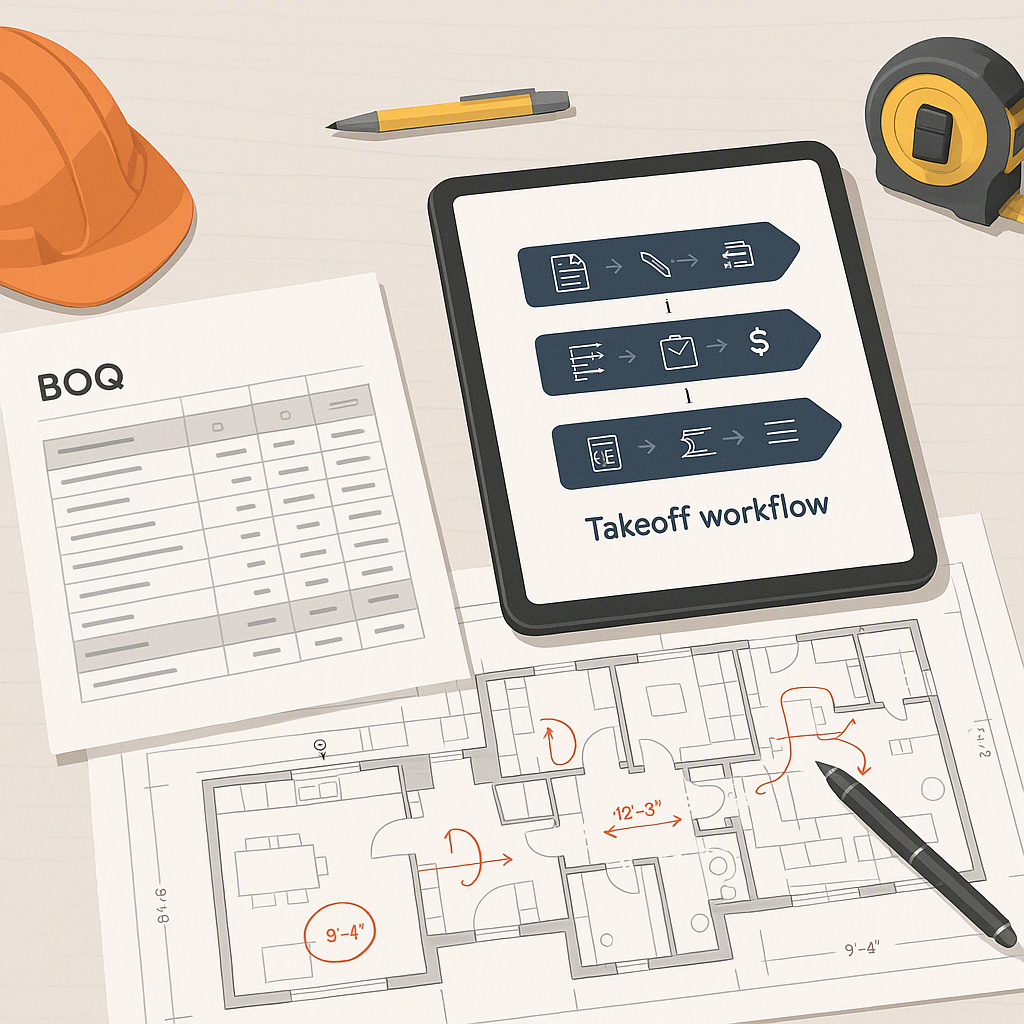
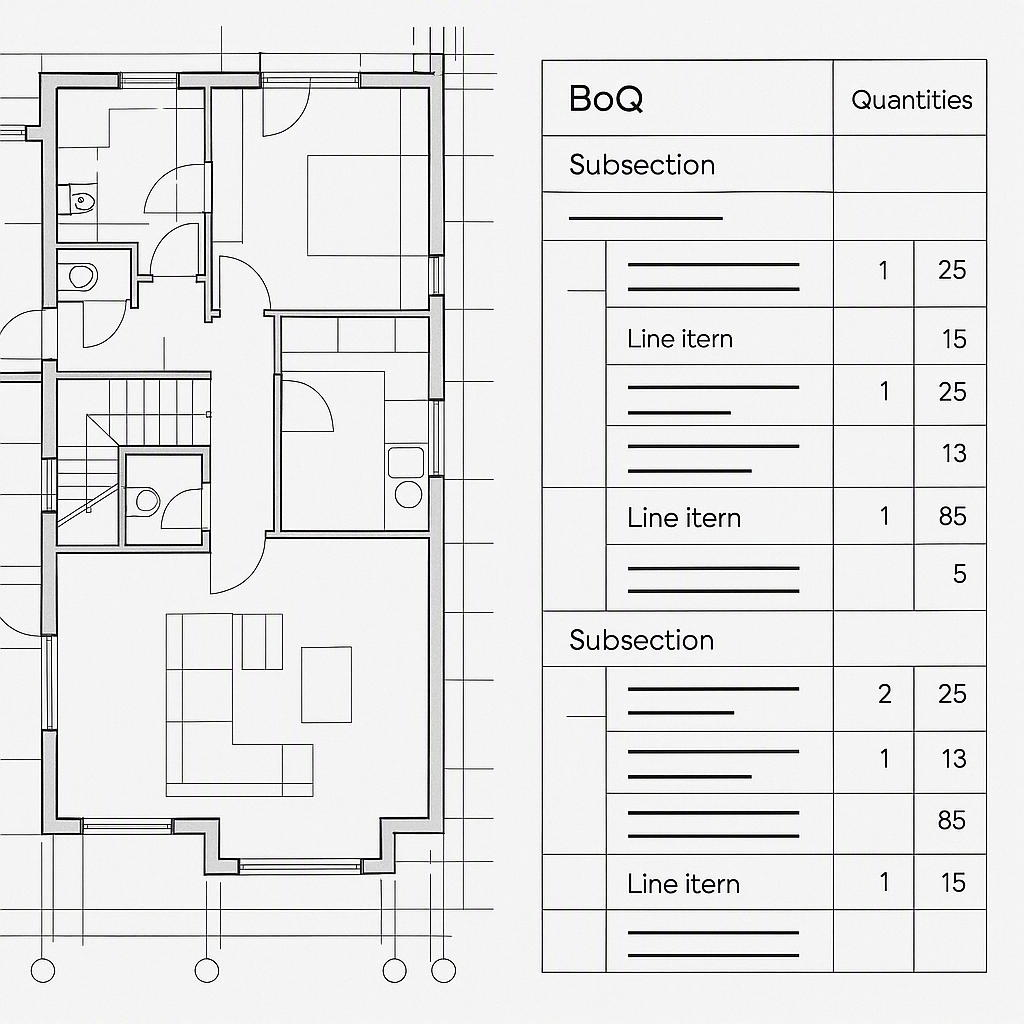
Manually breaking down estimates into five resource categories can be time-consuming. That’s why tools like JobNext include features like Estimate-based Quotes. It allows you to break down BOQ items into labor, material, machinery, subcontractor, and overhead costs. You can assign specific markups to each category and generate a professional quote that’s both competitive and profitable.
Alternatives to JobNext
If JobNext doesn’t fit your workflow, here are other tools you can consider:
| Tool Name | Key Features | Pricing (₹) |
|---|---|---|
| EstimateNext | Real-time material price updates | ₹1,500/month |
| ProEst | Cloud-based estimating and markup tracking | ₹3,000/month |
| BuilderTrend | Markup calculation + project management | ₹2,500/month |
The Cost of Getting It Wrong
If you’re still not convinced, consider this: a 2021 study by the Construction Financial Management Association found that 37% of construction companies reported losing money on at least one project due to incorrect cost estimates. That’s not just bad math—it’s bad business.
How Margin Loss Impacts Your Business
- Reduced Cash Flow: Errors in markup can lead to delayed payments and strained cash flow.
- Lower Project ROI: With thin margins, even a small error can wipe out your profit.
- Reputation Damage: Projects that go over budget can harm client trust and future opportunities.
Key Takeaways
- Flat percentage markups are lazy and dangerous. Break down your costs by resource type.
- Use historical data to create accurate estimates for labor, materials, and other resources.
- Technology like JobNext’s Estimate-based Quotes can save time and improve accuracy.
- Review your BOQ margin reports weekly to catch errors before they spiral.
FAQ
Q: What’s the difference between markup and profit margin? A: Markup is the percentage added to your costs to determine your selling price. Profit margin is the percentage of revenue that’s profit after all costs are paid. If your costs are underestimated, your profit margin will suffer even with a high markup.
Q: How do I handle price fluctuations in materials? A: Build a buffer into your material estimates. You can also use tools like EstimateNext to match rates in real-time and avoid surprises.
Q: What if my subcontractor quotes are unclear? A: Always request at least three quotes for comparison. If fewer respond, extend your deadline or invite additional bidders. And document why you chose a higher bid if it’s not the lowest.
Q: Can I use the same markup percentages for every project? A: No. Different projects carry different risks. For example, residential projects may have stable material costs, while industrial projects often involve volatile subcontractor expenses. Adjust markups accordingly.
Q: How do I track whether my markup strategy is working? A: Use weekly margin reports to compare estimated vs. actual costs. Tools like JobNext and BuilderTrend can generate these automatically.
If you’re tired of guessing your bid markup and losing margins, JobNext can help. Its Estimate-based Quote feature ensures your bids are accurate, transparent, and profitable. Get started today →
Learn more at EstimateNext