The Role of a Bid Engineer: More Than Just Numbers
Bid engineers—or tender engineers—are often misunderstood. People think their job is just cost estimation. Wrong. They’re the gatekeepers of your margins. If they miss something during the bidding stage, you’re already bleeding money before the project starts.
What Does a Bid Engineer Do?
A bid engineer evaluates project requirements, estimates costs, prepares tender documents, and submits proposals. Sounds simple, right? It’s not. Their responsibilities are far more nuanced and critical. Let’s break it down:
1. BOQ Analysis
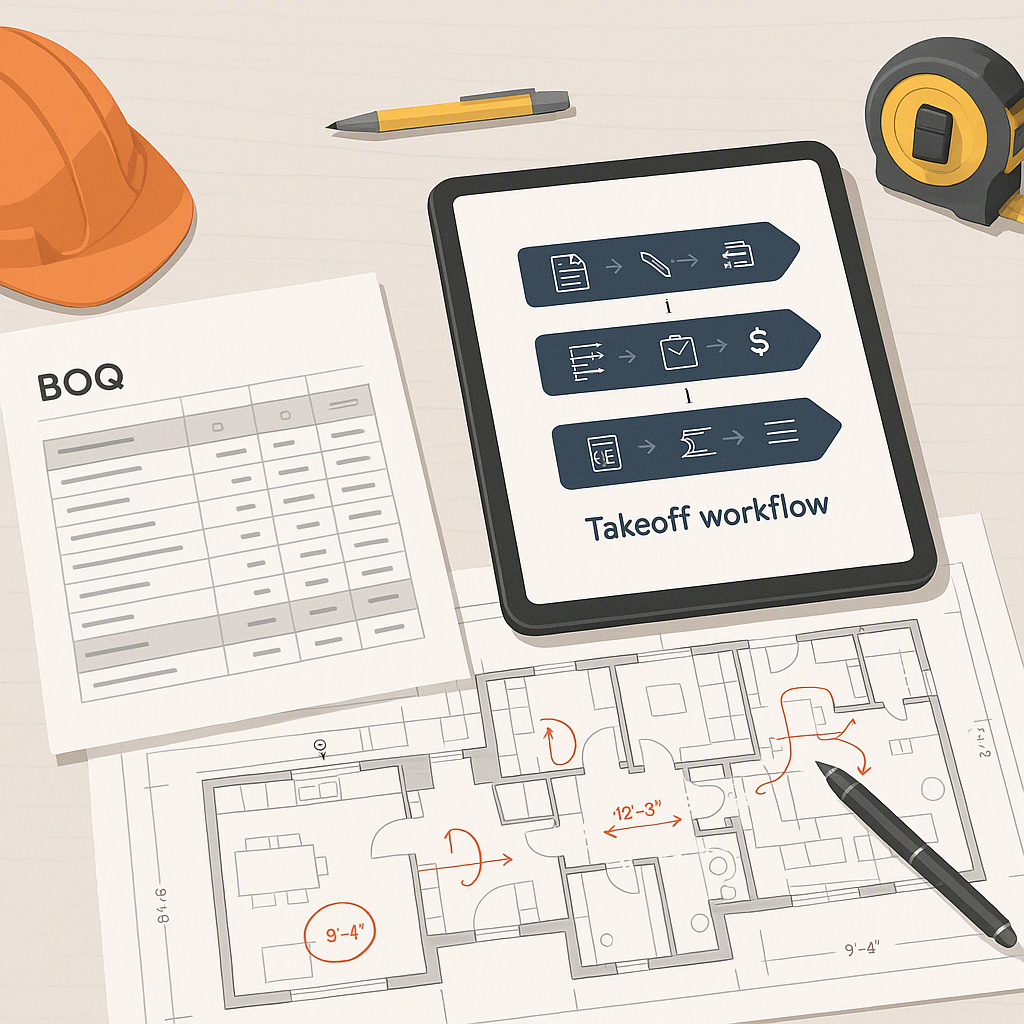
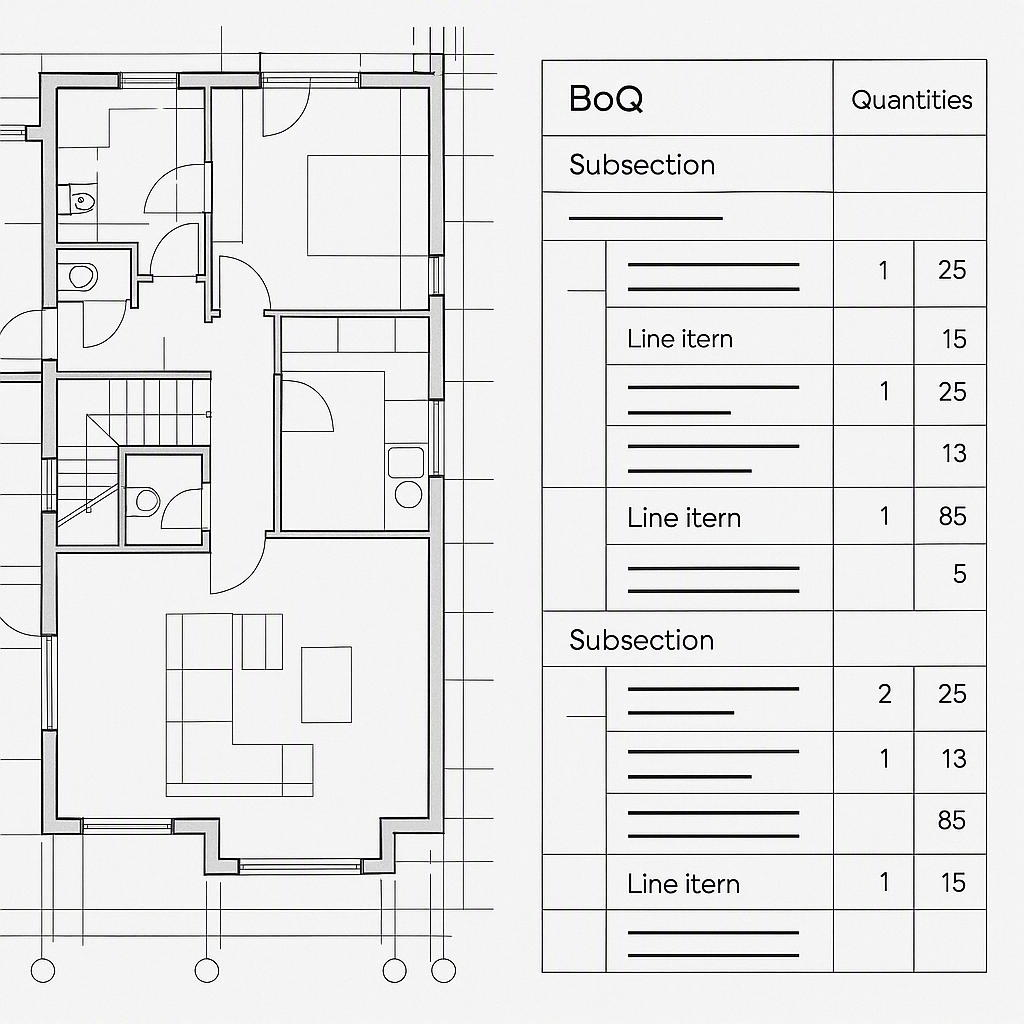
Breaking down the Bill of Quantities (BOQ) to understand what’s really required isn’t just data entry—it’s a strategic process. Bid engineers must:
- Identify any ambiguities in the BOQ provided by the client.
- Clarify specifications to avoid scope creep later.
- Cross-check the BOQ against drawings and technical documents to ensure nothing is missed.
For example, a contractor bidding for a high-rise construction project in Mumbai discovered that the BOQ omitted scaffolding costs. Adding this back into the bid saved them from a ₹50L loss.
2. Cost Estimation
Cost estimation involves calculating:
- Labor Costs: Based on productivity rates, local wages, and labor laws.
- Material Costs: Considering fluctuations in raw material prices.
- Equipment Costs: Including depreciation, rental fees, and maintenance.
- Subcontractor Costs: Balancing affordability and reliability.
Actionable Step: Use historical data from past projects to benchmark costs. For example, if your last project required ₹5000 per cubic meter of concrete, compare this to current market rates to ensure accuracy.
3. Vendor Evaluation
Bid engineers must compare supplier quotes and subcontractor bids, not just for price but also for:
- Technical Capability: Can the vendor deliver the quality required?
- Reliability: What’s their track record for timely deliveries?
- Compliance: Do they meet safety and environmental standards?
Example: A solar EPC contractor in Rajasthan saved ₹30L annually by shifting to a vendor with a slightly higher quote but a better track record for on-time delivery.
4. Risk Assessment
Risk assessment isn’t optional. A missed risk today becomes tomorrow’s cost overrun. Bid engineers must:
- Identify execution risks (e.g., weather delays, labor shortages).
- Quantify the financial impact of these risks.
- Factor contingencies into the bid.
5. Tender Submission
Finally, bid engineers must:
- Ensure all documents comply with client requirements.
- Meet submission deadlines—late tenders are rejected outright.
- Double-check all calculations to avoid embarrassing errors.
Why Bid Engineers Fail
Let’s be honest: most bid engineers work with outdated tools. They’re stuck juggling Excel sheets, WhatsApp messages, and disconnected procurement pipelines. The result? Missed deadlines, inaccurate estimates, and subcontractor chaos.
A 2023 McKinsey report found that 25% of construction margins erode during preconstruction. That’s not surprising when bid engineers spend hours manually matching rate items or chasing vendor quotes.
Real-Life Example of Failure
A mid-sized contractor in Delhi lost ₹1.5 crore on a metro rail project because their bid engineer underestimated labor costs by 15%. This error came from outdated productivity data and reliance on manual calculations.
The Fix: Structured Workflows and Real-Time Data
Bid engineers need better systems. For example, platforms like JobNext automate BOQ uploads, streamline RFQs, and provide real-time dashboards for margin tracking. Let’s explore how:
1. BOQ Uploads with Scope Linking
JobNext lets bid engineers upload BOQs directly via Excel and link them to execution scopes. Here’s how it helps:
- Saves hours of manual data entry.
- Ensures estimates align with project deliverables.
- Reduces human error.
2. Vendor RFQ Workflow
A structured workflow ensures every subcontractor bid is traceable. Key features include:
- Traceability: Every step, from Material Requisitions (MR) to Purchase Orders (PO), is documented.
- Evaluation Beyond Price: Assess vendors on safety records, schedule adherence, and technical capability.
3. Real-Time Margin Monitoring
With JobNext, bid engineers can track estimated vs. actual costs during preconstruction. Features include:
- Immediate flagging of underpriced BOQ items.
- Alerts for subcontractor quotes exceeding budget.
- Transparent dashboards to compare estimated vs. actual margins.
Why It Matters
Think about this: if your bid engineer spends 40 hours preparing a tender and misses one key item—like equipment depreciation or subcontractor overruns—you’ll lose 10% of your margin before the project starts. Tools like JobNext prevent these slip-ups.
Case Study: How One Contractor Fixed Their Bid Process
A mid-sized EPC contractor in Gujarat was losing ₹12L per project due to inaccurate BOQs and missed RFQ deadlines. After switching to JobNext, they:
- Reduced RFQ turnaround time by 50%.
- Improved margin visibility during tendering.
- Flagged high-risk scopes early, saving millions annually.
Decision Framework: Manual vs. Automated Bidding
| Criteria | Manual Process | Automated Tools (e.g., JobNext) |
|---|---|---|
| Data Entry | Time-consuming, prone to errors | Automated and accurate |
| Vendor Evaluation | Unstructured, limited traceability | Systemized and traceable |
| Risk Assessment | Often skipped or underestimated | Built-in risk quantification |
| Turnaround Time | Days to weeks | Hours to days |
| Margin Visibility | Poor | Transparent, real-time |
FAQ: Common Questions About Bid Engineering
1. What’s the difference between a bid engineer and an estimator?
An estimator focuses purely on cost calculations. A bid engineer handles the entire tender process, including BOQ analysis, vendor evaluation, risk assessment, and tender submission.
2. How do bid engineers evaluate subcontractor bids?
They assess:
- Technical Capability: Does the subcontractor have the skills and resources to deliver?
- Past Performance: How have they performed on similar projects?
- Safety Record: Are they compliant with industry safety standards?
- Schedule Adherence: Can they meet project timelines?
3. Can AI tools really help bid engineers?
Yes. AI-powered platforms like EstimateNext cut quote turnaround times from days to hours. They also improve accuracy, reducing margin erosion.
4. What’s the biggest mistake bid engineers make?
Ignoring margin visibility during preconstruction. If you don’t flag risks early, you’ll bleed profits later.
5. How can small firms afford bid automation tools?
Many platforms offer tiered pricing or subscription models, making them accessible even for smaller contractors. For example, JobNext’s entry-level plan starts at ₹10,000/month, which pays for itself by preventing a single cost overrun.
Closing Thoughts
Bid engineers aren’t just calculators—they’re strategists. Their job is to protect your margins and ensure project profitability. If you’re still relying on manual processes, you’re setting them up to fail. Tools like JobNext provide the structure and visibility they need to succeed.
Learn more at EstimateNext