Why Bid Cost Engineering Isn't Optional
Let’s face it—most contractors bleed money during the bidding phase. You think you're competitive, but by the time you're awarded the job, the margin you planned is already a ghost. Why? Because your bid wasn't as accurate as you thought.
In my experience, bid cost engineering is both a savior and a trap. Get it right, and you protect your margins. Get it wrong, and you're locked into a losing project. In this expanded article, we'll break down the concept of bid cost engineering, provide actionable steps, and answer common questions that contractors like you ask.
What Is Bid Cost Engineering?
Bid cost engineering is the structured process of estimating, analyzing, and managing project costs during the bidding phase. It ensures that your bid reflects not just the direct costs but also indirect costs, risks, and contingencies. This isn’t just about plugging numbers into a spreadsheet—it’s about creating a data-driven strategy to win bids without sacrificing profitability.
For instance, a contractor bidding on a commercial building project might break down their costs into categories: labor, materials, equipment, overhead, and subcontractors. Bid cost engineering ensures that each line item is meticulously calculated, accounted for, and aligned with market realities.
The Advantages of Bid Cost Engineering
1. Better BOQ Accuracy
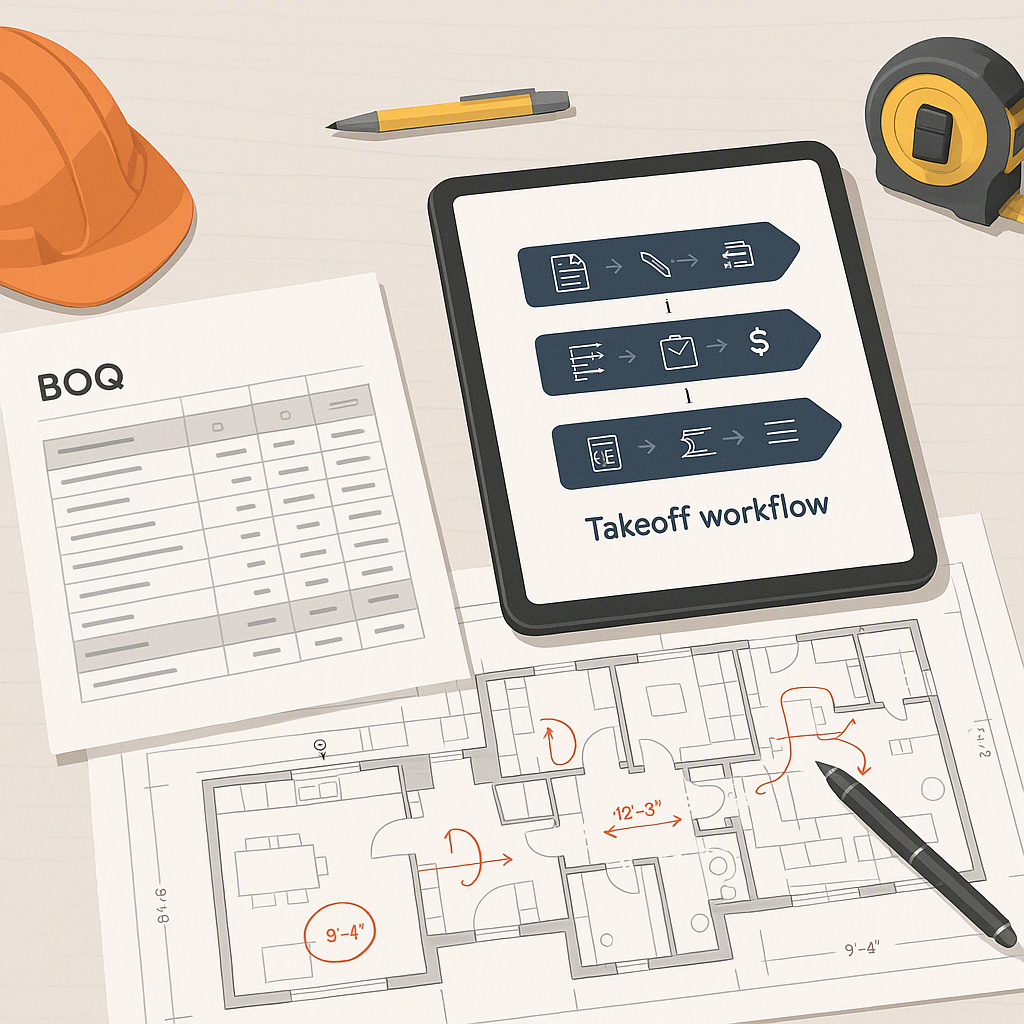
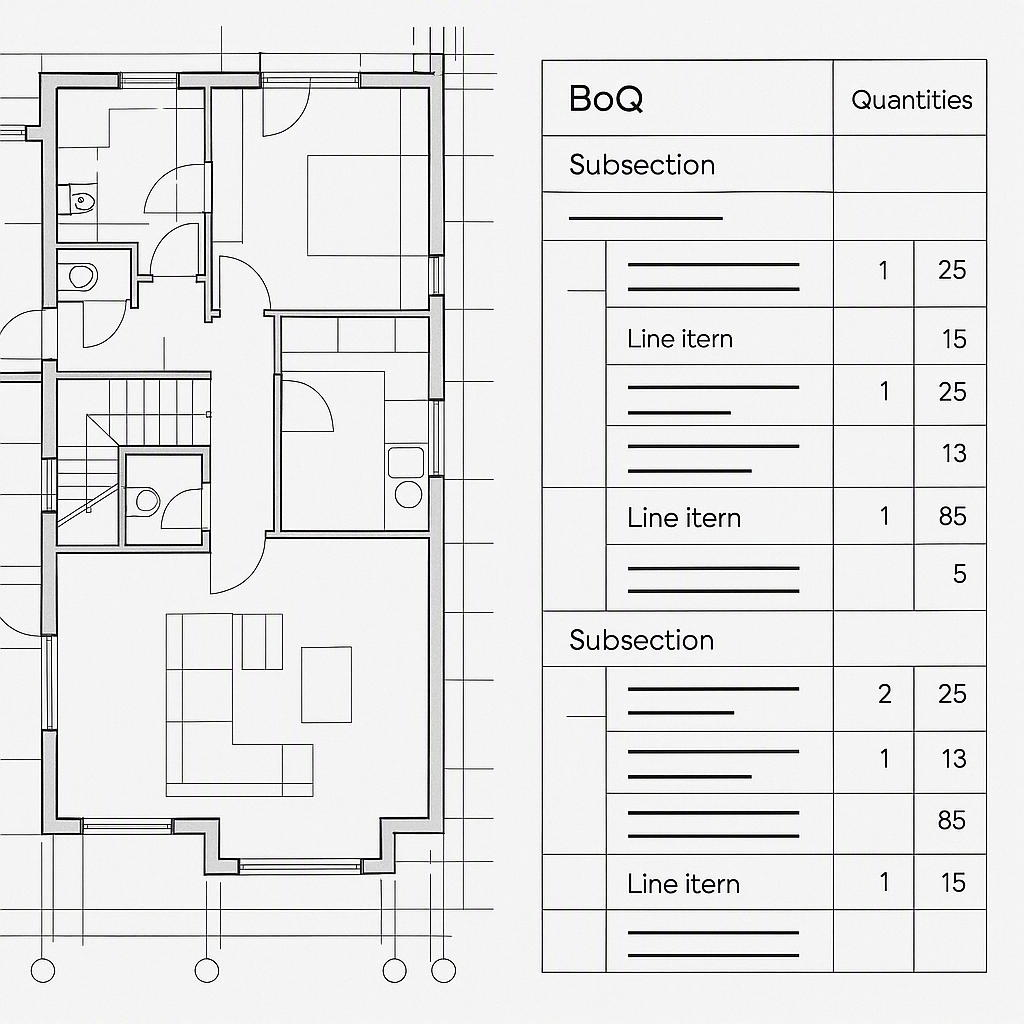
When you’re estimating costs for a project, the BOQ (Bill of Quantities) is your foundation. If it’s cracked, the whole bid falls apart. With structured bid cost engineering, you can break down rates into labor, material, equipment, and subcontractor components. This level of detail ensures you’re not flying blind.
Take the example of a residential housing project. If you estimate 500 kg of steel at ₹50 per kg but the real market cost is ₹55, that ₹5 difference can cost you ₹2.5 lakh if the project requires 50 tonnes of steel. Tools like JobNext make this process smoother. For example, their Estimate-Based Quote method allows you to create a bottom-up costing model. You can specify labor hours, material quantities, and even subcontractor costs for every BOQ item. This ensures your estimates are grounded in reality, not guesswork.
Actionable Steps:
- Break down your BOQ into granular components (e.g., labor hours, material quantities).
- Use software tools like JobNext to automate calculations and ensure accuracy.
- Validate your BOQ against historical project data to spot anomalies.
2. Consistent Pricing Across Projects
Ever wonder why some bids are razor-thin while others have fat margins? Inconsistent pricing. By using centrally managed rate schedules, you can standardize pricing across projects. This not only keeps your bids competitive but also ensures you’re not undercutting yourself.
For example, JobNext's Standard Quote method pulls from a pre-set rate database. It breaks down costs into materials, labor, and plant, so every rate is consistent and traceable. A contractor juggling multiple projects—say, a school renovation and a highway construction—can ensure that labor and material costs are standardized across bids.
Actionable Steps:
- Create a centralized rate schedule for your company.
- Regularly update the schedule based on market trends.
- Use software tools that integrate with your rate database to prevent manual errors.
3. Faster Bid Turnaround
Time is money—especially in tendering. Bid cost engineering tools can cut the time required to prepare detailed quotes. According to EstimateNext, AI-driven estimation tools can reduce takeoff times to just 10 minutes. That’s a game-changer when you're working on tight bid deadlines.
Consider a real-world scenario: A contractor bidding on a government infrastructure project needed to generate a BOQ for 500 individual items. Using traditional methods, this task would take 40 hours. With AI-powered tools, the same task was completed in under an hour.
Actionable Steps:
- Invest in AI-driven tools like EstimateNext to automate takeoffs and rate matching.
- Train your team to use these tools effectively.
- Use the time saved to focus on bid strategy and risk assessment.
The Disadvantages No One Talks About
1. Over-Engineering the Process
Not every project needs a detailed cost breakdown. For small jobs or repeat clients, over-engineering a bid can waste time and resources. That’s where simpler methods, like JobNext’s Easy Quote, come in handy. A five-step wizard lets you input basic rates and generate a quick proposal without unnecessary complexity.
For example, if you’re bidding on a small home renovation project, spending hours on a detailed BOQ may not be worth the effort. Instead, use a simplified quoting method to save time.
Actionable Steps:
- Assess the complexity of the project before deciding on the level of detail.
- Use simplified tools for small or repetitive jobs.
- Focus your detailed bid efforts on high-value or high-risk projects.
2. Dependency on Outdated Data
If your rate schedules are outdated, your bids will be too. Market prices change, especially for materials like steel or cement. A ₹1,000-per-tonne error in steel pricing can snowball into a ₹10 lakh problem on a large project. The fix? Regularly updating your rate schedules. JobNext even recommends periodic reviews to avoid this trap.
Actionable Steps:
- Set a schedule to review and update your rate database (e.g., quarterly).
- Monitor market trends for key materials and labor.
- Use tools that offer real-time cost updates.
3. Ignoring Subcontractor Risk
One of the biggest blind spots in bid cost engineering is subcontractor evaluation. Too many contractors go with the lowest bidder, only to find out later that the sub can’t deliver. JobNext's RFP module addresses this by linking every subcontractor quote back to a Work Order, ensuring traceability. But even then, you need to vet your subs thoroughly.
Actionable Steps:
- Develop a vetting process for subcontractors, including past performance and financial stability.
- Use tools like RFP modules to track subcontractor quotes and commitments.
- Always include contingencies for subcontractor delays or failures.
How to Avoid the Common Pitfalls
1. Match Your Approach to the Project
Not all bids require the same level of detail. For straightforward jobs, use a simplified quoting method. For complex projects, go deep with bottom-up costing.
2. Leverage Technology
Tools like JobNext and EstimateNext can save you hundreds of hours. Whether it’s generating accurate BOQs or matching 78,000 rate items in seconds (EstimateNext), these platforms reduce manual effort and improve accuracy.
3. Don’t Skip the Review Process
Double-check everything. From rate schedules to subcontractor quotes, mistakes at this stage will haunt you later. Use comparative statements to evaluate bids beyond just price, focusing on technical capability and past performance.
FAQ
1. What’s the best method for small projects?
Use a simplified quoting method like JobNext’s Easy Quote. It’s quick and avoids unnecessary detail.
2. How do I ensure my rates are accurate?
Regularly update your rate schedules based on market prices. JobNext's Standard Quote can help you maintain consistency across projects.
3. What’s the biggest risk in bid cost engineering?
Relying on outdated data or poorly vetted subcontractors. Always double-check your inputs and evaluate subs on more than just price.
4. How can technology improve my bids?
Technology can automate tasks like takeoffs, rate matching, and BOQ generation, saving you time and reducing errors. Tools like EstimateNext and JobNext are excellent starting points.
5. When should I use a detailed costing method?
Use detailed costing for high-value, complex, or high-risk projects where accuracy is critical to profitability.
Comparison Table: Simplified vs. Detailed Costing
| Criteria | Simplified Costing | Detailed Costing |
|---|---|---|
| Best for | Small, repetitive, or low-risk projects | Complex, high-value, or high-risk projects |
| Time Required | Minimal | High |
| Accuracy | Moderate | High |
| Resource Intensity | Low | High |
| Tools Recommended | JobNext Easy Quote | JobNext Estimate-Based Quote |
Conclusion
Bid cost engineering is a double-edged sword. Done right, it protects your margins and wins you profitable projects. Done wrong, it locks you into losses before you even break ground. Tools like JobNext and EstimateNext can help—but only if you use them smartly.
Ready to stop bleeding margins? Get started free →
Learn more at EstimateNext