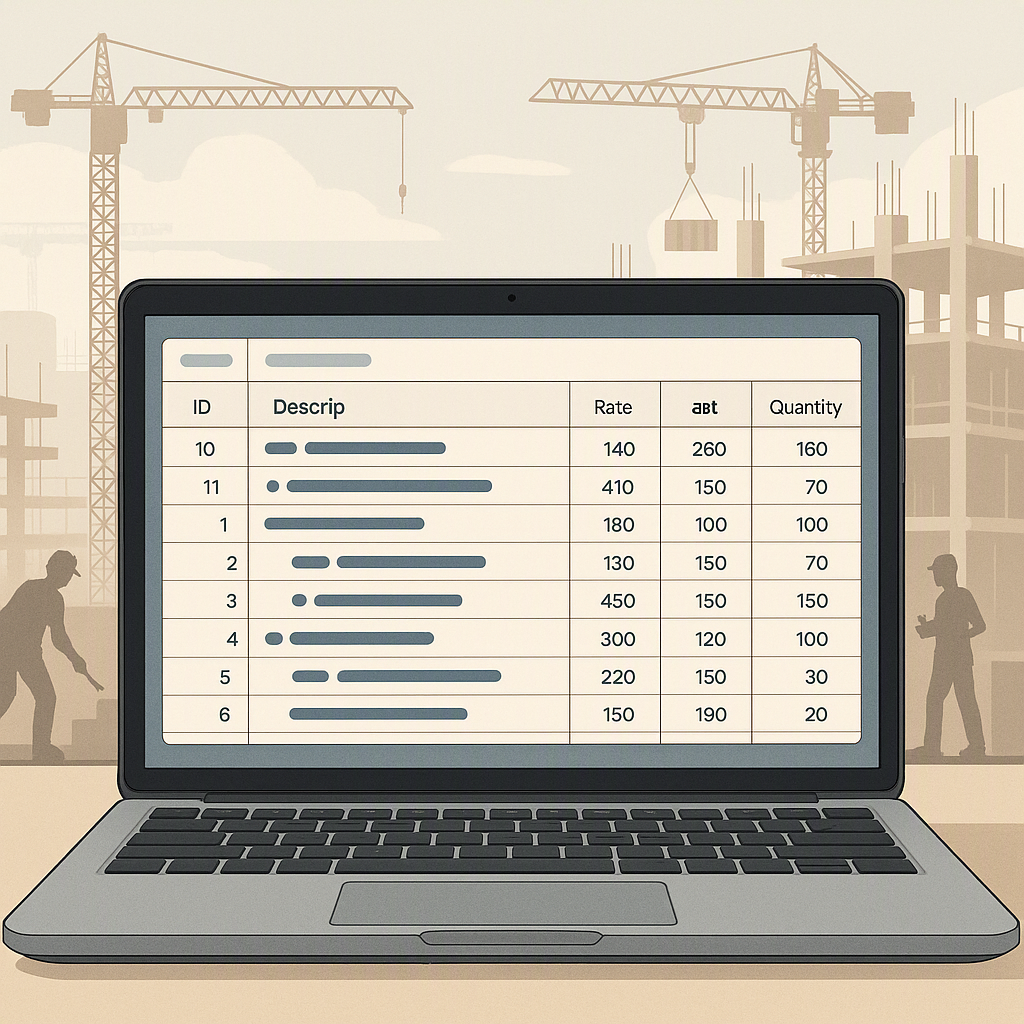
Rate Analysis of Road Works: Practical Framework for Contractors
When I started working with contractors, rate analysis felt like a box-ticking exercise. You grab the MORTH rate analysis PDF, plug in costs for materials, labor, machines, and hope for the best. It seemed simple enough: add up the inputs, apply your markup, and submit the bid. But that approach didn’t work for long—and the mistakes were costly.
Why Rate Analysis Is Harder Than It Looks
Rate analysis for road works isn’t just about crunching numbers. It’s about understanding:
- Material Costs: Prices for aggregates, cement, bitumen, and steel vary by region and season. For example, bitumen prices can fluctuate significantly during peak road construction seasons.
- Labor Rates: Whether it’s daily wages for manual labor or salaries for skilled operators, rates differ significantly between regions and countries. In some areas, labor costs are higher due to factors like visa fees and housing requirements.
- Equipment Costs: Machines like asphalt pavers or graders have hourly rental rates that can vary by vendor and location.
- Overheads: Fuel prices, logistics, and compliance costs (e.g., GST, TDS, WHT) can eat into margins if not tracked closely.
Most contractors rely on outdated rate schedules or generic CPWD/MORTH rate analysis PDFs. But those schedules don’t reflect current market trends or vendor-specific pricing. Worse, they don’t account for project-specific nuances like soil conditions or traffic management costs.
A Better Framework for Road Works Rate Analysis
Here’s how we now approach rate analysis:
1. Build BOQs from WBS (Work Breakdown Structure)
Start by breaking the project into detailed activities. For example, road works might include:
- Earthwork excavation
- Sub-base preparation
- Asphalt paving
- Curb installation
For each activity, define the Unit of Measure (UOM)—cubic meters for earthwork, square meters for asphalt, etc. Then, link these to scheduled rates.
2. Use Rate Analysis to Populate Resource Costs
Instead of manually entering costs, use a structured rate analysis to calculate material, labor, equipment, and overhead costs. For asphalt paving:
| Resource Type | Quantity | Rate/Unit | Cost |
|---|---|---|---|
| Bitumen | 10 tons | ₹62,000/ton | ₹6,20,000 |
| Aggregates | 50 cubic m | ₹1,800/cubic m | ₹90,000 |
| Labor | 20 days | ₹850/day | ₹17,000 |
| Paver Machine | 40 hours | ₹5,000/hour | ₹2,00,000 |
| Total Cost | ₹9,27,000 |
Illustrative example — adjust rates based on current vendor quotes.
3. Vendor Rate Comparison Before Procurement
This is where tools like JobNext shine. Their SCM reports include:
- Material Offer Rates: Compare vendor quotes from RFQs for materials like bitumen or aggregates.
- Subcontractor Offer Rates: Analyze RFP responses for subcontracted works like curb installation.
- Purchase Rate Monitoring: Track executed POs to ensure competitive pricing.
4. Regularly Update Rate Schedules
Outdated rates are a silent margin killer. Use tools that allow you to periodically review and update schedules. EstimateNext recommends AI-powered rate matching to automate this process. By leveraging vendor databases, contractors can ensure their rates reflect current market conditions.
5. Monitor BOQ Margins Weekly
A BOQ Margin report compares estimated costs to actual costs for each line item. Negative margins can indicate errors in rate analysis or procurement strategy. For road works, this could mean:
- Underestimating traffic management costs
- Ignoring inflation in fuel prices
- Overcommitting to high-volume material rate contracts
FAQ
What is MORTH rate analysis?
MORTH (Ministry of Road Transport and Highways) provides standard rate schedules for road construction activities in India. These are useful benchmarks but should be adjusted for local conditions.
How do I estimate asphalt road costs?
Break down costs into materials, labor, equipment, and overheads. Use vendor-specific quotes for asphalt, aggregates, and bitumen. Don’t forget to factor in transportation and fuel costs.
What’s the best tool for BOQ rate analysis?
Platforms like JobNext offer structured workflows for rate analysis, vendor comparisons, and BOQ margin monitoring. For preconstruction estimation, EstimateNext is another strong option.
How often should I update rate schedules?
At least quarterly. Prices for materials like bitumen and cement can fluctuate based on demand and seasonality.
What’s the biggest mistake to avoid?
Relying solely on generic rate schedules without validating vendor-specific costs or accounting for project-specific conditions.
Common Mistakes in Road Works Rate Analysis
- Ignoring Local Factors: Soil type, weather, and traffic management costs can significantly impact rates.
- Overlooking Seasonal Price Fluctuations: Peak construction seasons drive up material costs.
- Underestimating Equipment Utilization: Idle machines burn cash. Track actual usage to optimize rentals.
- Skipping Vendor Comparisons: Always evaluate RFQ responses side-by-side to avoid overpaying.
Conclusion
If you’re struggling with rate analysis, tools like JobNext can help. Their SCM reports and BOQ margin tracking provide actionable insights to safeguard your project profitability. Learn more →
Learn more at EstimateNext