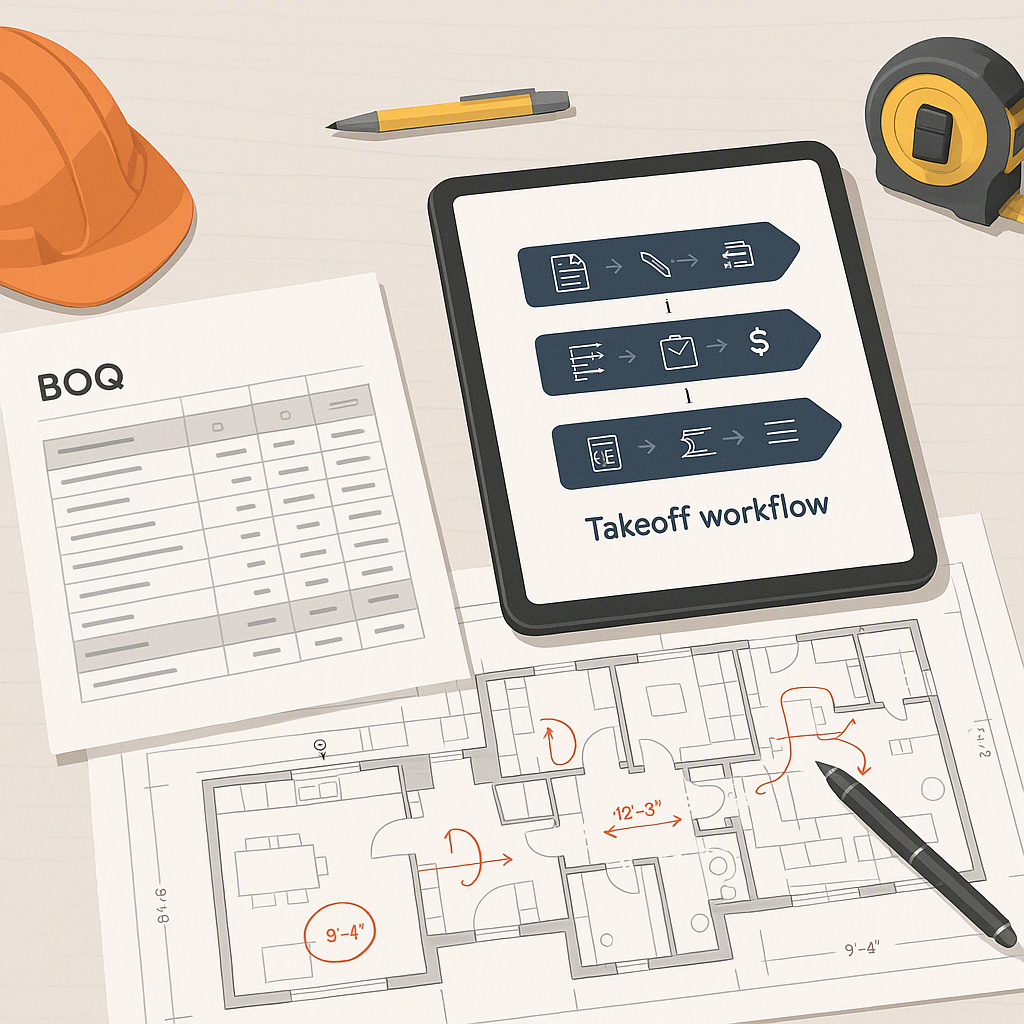
The Problem: Margin Erosion Starts with Bad Cost Control
Most contractors in India and GCC know this pain. You win a project, but by the end, your margins evaporate. Why? Because you underestimated costs, overpaid vendors, or failed to track project progress properly. Cost engineering training should fix this, right? Often, it doesn’t.
Why Cost Control Often Fails
Here’s why cost control breaks down:
-
Training programs focus on theory, not practical tools: Many courses teach concepts like Earned Value Management (EVM) or resource allocation but fail to demonstrate how to apply them in real-world projects. For example, contractors rarely learn how to use software tools for cost tracking during training.
-
They ignore multi-site challenges: Managing costs across several locations—often in remote areas—requires robust systems. Training typically doesn’t address complexities like logistical delays, local vendor management, or regulatory compliance.
-
No implementation guidance for cost control systems: Knowing cost control principles isn’t enough; you need workflows and tools to execute them effectively.
The Real Gap: Execution Over Knowledge
In my experience, the gap isn’t in knowledge—it’s in execution. Contractors often understand the theory but lack the practical systems to apply it efficiently.
Let’s talk solutions.
Practical Skills Every Contractor Needs
Cost engineering isn’t just about calculating numbers. It’s about managing them actively throughout the project lifecycle. Below are the core skills contractors need:
1. BOQ Cost Analysis
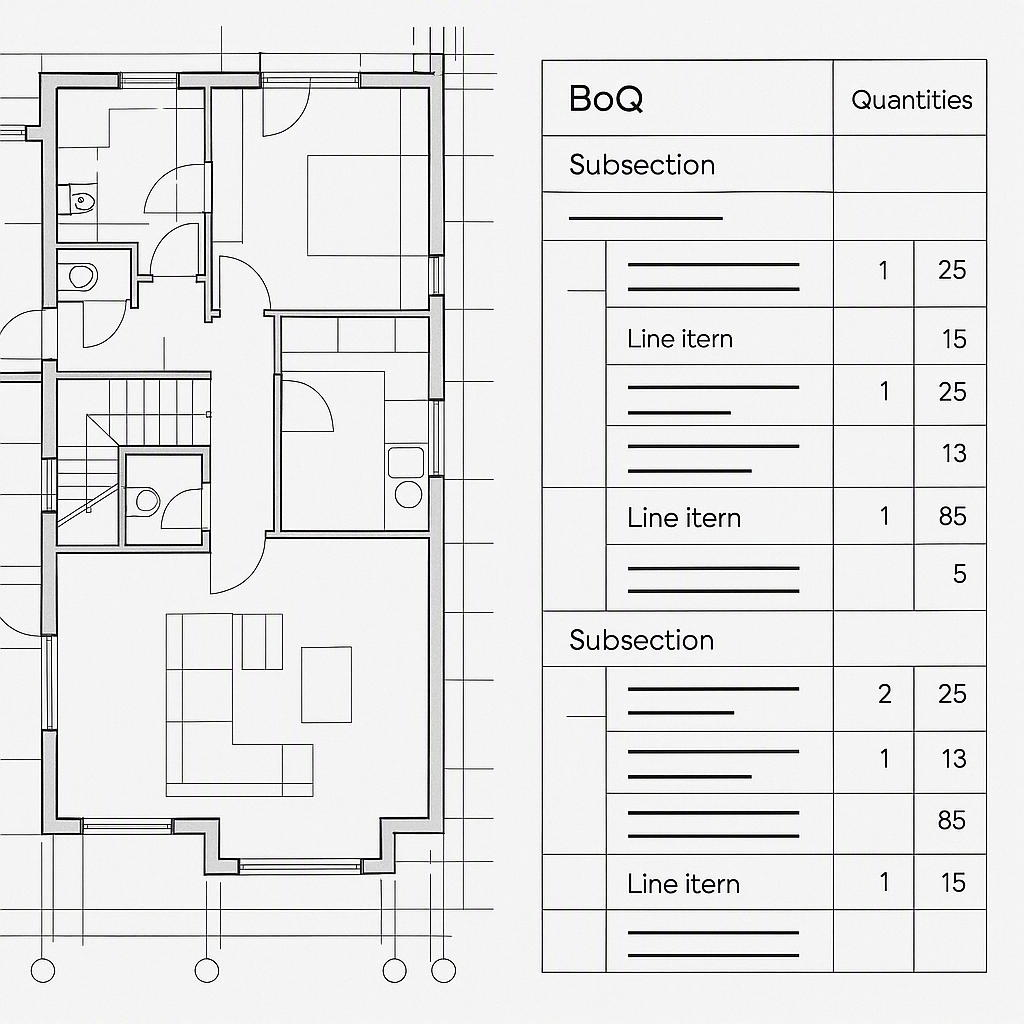
A Bill of Quantities (BOQ) isn’t just a document. It’s the foundation of your project’s profitability. If your BOQ is wrong, your entire project is at risk.
Why BOQ Analysis Matters
Poor BOQ analysis leads to inaccurate estimates and missed margins. For example, a contractor might under-price earthwork because the BOQ didn’t account for varying soil conditions or unforeseen excavation challenges.
Actionable Steps for BOQ Analysis
-
Break Down the BOQ: Start by dividing the BOQ into detailed line items. Avoid lump-sum estimates as they often hide margin-killing surprises.
-
Run a BOQ Margin Report: Use tools like JobNext to compare your quoted rate, billing rate, and actual cost rate. This report highlights margin variance for each BOQ item, enabling quick corrective action.
-
Revisit Rates Regularly: Market prices fluctuate, especially for materials. Update your BOQ rates quarterly to reflect these changes.
-
Monitor Execution Against BOQ: During the project, compare actual usage against BOQ estimates. For example, if material consumption exceeds projections, investigate the root cause immediately.
2. Resource Budgeting
Every project burns five types of resources: labour, material, plant, subcontractors, and overhead. If you don’t budget these properly, you’re flying blind.
Why Resource Budgeting Fails
Resource budgeting often fails because contractors rely on top-down estimates rather than bottom-up planning. Top-down estimates can miss critical details like crew productivity rates or material wastage.
How to Do It Correctly
-
Start with the BOQ: Break each BOQ item into resource requirements. For example, a foundation may require X cubic meters of concrete, Y hours of labor, and Z plant hours.
-
Account for Variability: Budget conservatively for factors like weather delays, labor strikes, or material shortages.
-
Use Tools for Automation: Software like JobNext allows you to auto-assign rates for labor, materials, and overhead. It tracks variances in real time, eliminating manual effort.
-
Implement Resource Tracking: Don’t just plan—track. Use daily reports to monitor resource usage against your budget. If labor hours exceed estimates, investigate why.
3. Vendor Compliance and Cost Control
In regions like India and GCC, vendor mismanagement is a silent killer. Overbilled invoices, unmonitored subcontractor payments, and delayed deliveries can sink your margins.
Common Vendor Management Issues
- Non-compliance: Vendors may fail to meet contractual obligations, such as adhering to quality standards or timelines.
- Overbilling: Without proper checks, vendors often inflate invoices.
- Lack of accountability: Subcontractors may over-promise and under-deliver, leaving you to cover the costs.
Fixes That Work
-
Approval Workflows: Implement workflows for material procurement (MR → RFQ → PO). Ensure every purchase is approved by relevant stakeholders.
-
Vendor Qualification: Use vendor qualification tools to assess performance, compliance, and financial stability. Track bank guarantees and certifications.
-
Monitor Payments: Use procurement modules like JobNext to ensure invoices are verified against delivery notes and purchase orders before payment.
-
Review Vendor Performance: Conduct regular reviews of vendor performance metrics, such as delivery timelines, quality standards, and cost adherence.
Why Training Alone Won’t Save You
Here’s the hard truth: training programs won’t magically make your projects profitable. They teach you theory but rarely offer actionable systems.
The Role of Tools in Cost Control
For example, tools like JobNext combine structured workflows (like BOQ management) with real-time analytics. They don’t just train you—they help you act.
How Tools Bridge the Gap
- Automation: Tools reduce manual errors and speed up repetitive tasks.
- Real-Time Insights: Analytics help you spot cost overruns before they spiral.
- Scalable Systems: Tools grow with your business, unlike spreadsheets which become chaotic as projects scale.
A blog post on EstimateNext explains how AI can simplify estimation and prevent errors. This is the kind of practical insight missing from most training programs.
FAQ
Q1: How do I know if my BOQ is accurate?
Run a BOQ Margin Report weekly. Look for items where actual costs exceed estimates. Adjust procurement or resource plans immediately. Use tools like JobNext to automate this process.
Q2: Do I need expensive software for cost control?
Not necessarily. While advanced tools like JobNext can save time and reduce errors, smaller contractors can start with free or low-cost options like project management spreadsheets or open-source tools.
Q3: What’s the biggest cost control mistake contractors make?
Ignoring variance analysis. If you’re not comparing actual costs to your budget regularly, you’re losing money. Set up weekly variance reports to stay on top of deviations.
Q4: How can I improve vendor compliance?
Set up clear approval workflows, qualify vendors rigorously, and track their performance metrics. Tools like JobNext’s procurement module help automate these processes.
Q5: How do I budget for contingencies?
Add a contingency buffer (typically 5-10%) to your resource budgets. Use historical data to identify common risks and factor them into your estimates.
Common Mistakes in Cost Engineering
1. Underestimating Contingency Costs
Always budget for unexpected delays or price hikes. For example, material prices can spike during a supply chain disruption, and labor costs may rise due to local shortages.
2. Over-Relying on Spreadsheets
Spreadsheets are prone to human error and lack real-time collaboration features. Switching to dedicated project management tools can save time and reduce errors.
3. Skipping Post-Project Reviews
You can’t improve margins if you don’t analyze what went wrong. Conduct a post-mortem for every completed project to identify areas of overspending and inefficiency. Document lessons learned and incorporate them into future cost control processes.
Decision Framework: Tools vs. Manual Methods
| Criteria | Manual Methods | Software Tools (e.g., JobNext) |
|---|---|---|
| Accuracy | Prone to human error | High accuracy with automation |
| Scalability | Difficult as projects grow | Easily handles multi-site projects |
| Time Efficiency | Time-intensive | Saves hours with automation |
| Real-Time Insights | None | Provides actionable analytics |
| Initial Cost | Low (spreadsheets) | Moderate to high |
| Long-Term ROI | Limited | High |
If you’re serious about improving margins, you need both the right skills and the right tools. JobNext can help you control costs, track resources, and ensure project profitability. Get started today.
Learn more at EstimateNext