Cost Engineering Salary: Why It Matters for Contractors
Cost engineers are the unsung heroes of construction projects. They ensure budgets are accurate, costs are controlled, and profit margins are protected. In an industry where financial mismanagement can lead to disastrous consequences, the role of a cost engineer is indispensable. But what about their earning potential? How much do cost engineers earn in India and the GCC, and how can contractors ensure their cost engineers are not just another overhead but a key driver of profitability?
Average Salaries in India and GCC
India
In India, cost engineering salaries vary depending on experience, education, and the size of the employer. According to Glassdoor, the average salary for a cost engineer ranges from ₹6 to ₹12 lakhs per year. Entry-level professionals typically earn around ₹4 lakhs annually, while seasoned experts in high-demand locations like Mumbai, Bangalore, or Chennai can command salaries upwards of ₹15 lakhs. Senior professionals often see their compensation rise further if they hold certifications or specialize in niche sectors like oil & gas or infrastructure.
Factors influencing salaries in India include:
- Location: Metro cities pay more due to higher demand and living costs.
- Industry: Sectors such as renewable energy and large infrastructure projects often offer higher pay scales.
- Certifications: Credentials like CCP (Certified Cost Professional) can lead to a 15-20% salary bump.
GCC (UAE, Saudi Arabia, Oman, etc.)
In the GCC, cost engineers typically earn higher salaries compared to their Indian counterparts, thanks in part to tax-free income and strong demand for skilled professionals. According to GulfTalent, junior cost engineers in the UAE can earn AED 8,000–12,000 per month, while senior roles command salaries of AED 20,000 or more. In Saudi Arabia and Oman, compensation is slightly lower but still competitive, with senior professionals earning SAR 15,000–25,000/month.
Key factors affecting salaries in the GCC:
- Tax-Free Income: Salaries in the GCC are often more attractive due to the absence of personal income tax.
- Project Size: Larger-scale projects, such as those in oil & gas or infrastructure, pay higher.
- Experience: Professionals with 10+ years of experience can negotiate significantly higher packages.
What Do Cost Engineers Actually Do?
A cost engineer’s role goes far beyond crunching numbers. Their responsibilities span the entire project lifecycle, ensuring financial discipline at every stage. Here’s a breakdown of key tasks:
-
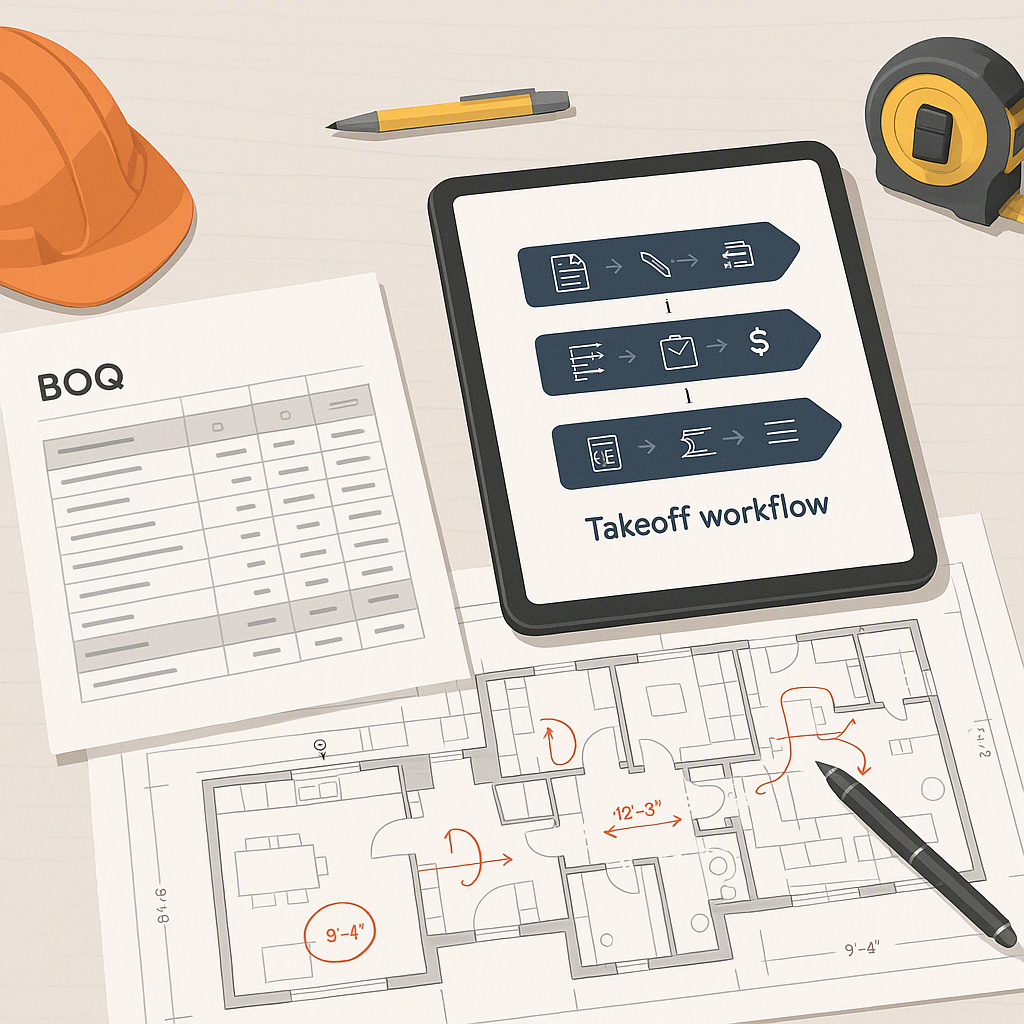
Preparing Detailed Cost Estimates Cost engineers develop bottom-up estimates for labor, materials, equipment, subcontractors, and overhead. Their expertise ensures that budgets are realistic and aligned with project goals.
-
Monitoring Cost Performance During project execution, cost engineers track spending in real time to ensure costs remain within approved budgets.
-
Variance Analysis Identifying variances between planned and actual spending is critical. Cost engineers flag discrepancies early to enable corrective action.
-
Expenditure Control By monitoring cash flow and controlling expenditures, cost engineers protect profit margins and prevent financial overruns.
Common Challenges Faced by Cost Engineers
1. Poor Data Visibility
Cost engineers often struggle to access consolidated data due to disconnected spreadsheets and outdated systems. This lack of visibility wastes time and leads to errors in tracking costs.
Solution: Contractors should invest in integrated ERP platforms that centralize data from procurement, payroll, and billing.
2. Inaccurate Estimates
Mistakes during the planning phase, such as underestimating BOQ items or missing overhead costs, can snowball into significant financial losses during execution.
Solution: Create contingency plans and use tools designed for accurate, bottom-up estimating.
3. Lack of Real-Time Monitoring
Without real-time data, cost engineers are forced to react to overruns after they occur rather than preventing them.
Solution: Use software like JobNext that provides real-time alerts for budget variances.
How JobNext Helps Cost Engineers Shine
JobNext is a powerful ERP platform designed for contractors, helping cost engineers address common challenges. Here are some standout features:
BOQ-Based Estimates
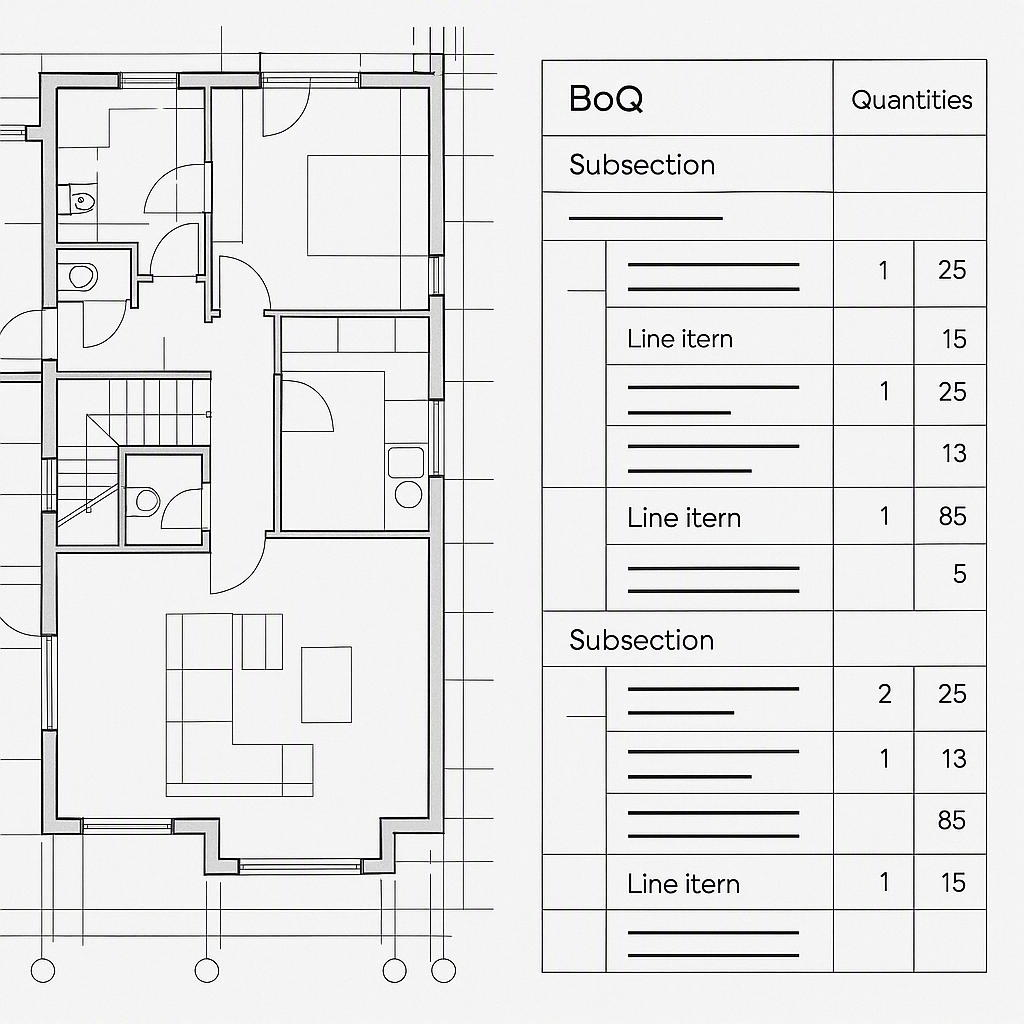
Cost engineers can break down costs for labor, materials, subcontractors, and overhead directly against BOQ lines. This ensures estimates are highly accurate.
Waste Tracking
The platform allows users to set waste percentages, ensuring material overruns are accounted for and managed proactively.
Real-Time Budget Tracking
Approved estimates become the official budget in JobNext. Procurement, billing, and payroll activities are tracked against these budgets, and alerts are triggered for variances. This eliminates guesswork and enables immediate corrective action.
How to Increase Cost Engineering Salaries
1. Certifications
Certifications like CCP (Certified Cost Professional) or PMP (Project Management Professional) are highly valued. Employers often pay a premium for certified professionals due to their enhanced skills and credibility.
2. Mastering Technology
Proficiency in tools like JobNext, Primavera, or SAP can make a cost engineer indispensable. Technology-savvy professionals are better equipped to deliver accurate budgets and manage financial risks.
3. Specialization
Specializing in sectors like oil & gas, infrastructure, or renewable energy can significantly boost earning potential. These industries often reward domain expertise with higher salaries.
Common Mistakes to Avoid
1. Ignoring Indirect Costs
Focusing solely on direct costs like material and labor can lead to underestimating indirect costs such as equipment downtime or administrative expenses.
2. Overestimating Accuracy
A detailed estimate doesn’t guarantee accuracy. Always include contingencies to account for unknowns and unexpected changes.
3. Delayed Variance Reporting
Waiting until month-end to report budget variances can lead to irreversible overspending. Real-time tracking tools like JobNext allow cost engineers to flag issues early.
FAQ
1. What’s the career growth path for a cost engineer?
Most start as junior estimators and progress to senior cost engineers, project controllers, and eventually project managers or cost directors.
2. Are salaries higher in contracting or consulting?
Contracting roles typically pay better, especially in the GCC, where large-scale projects demand on-site financial oversight.
3. How can I improve my salary as a cost engineer?
Focus on certifications, specialize in high-demand sectors, and master tools like JobNext for better project performance insights.
4. What industries are most lucrative for cost engineers?
Oil & gas, infrastructure, and renewable energy are among the highest-paying industries for cost engineers.
5. Do certifications like CCP really make a difference?
Absolutely. Certified professionals often earn 15–20% more than their uncertified counterparts.
Comparison Table: India vs GCC Salaries
| Region | Entry-Level Salary | Mid-Level Salary | Senior-Level Salary |
|---|---|---|---|
| India | ₹4–6 lakhs/year | ₹6–12 lakhs/year | ₹12–15 lakhs/year |
| UAE | AED 8,000–12,000/month | AED 12,000–20,000/month | AED 20,000+/month |
| Saudi Arabia | SAR 8,000–12,000/month | SAR 12,000–18,000/month | SAR 15,000–25,000/month |
| Oman | OMR 800–1,200/month | OMR 1,200–1,800/month | OMR 2,000+/month |
The Bottom Line
Cost engineers are the backbone of project profitability. Their ability to prepare accurate budgets, monitor costs, and flag variances ensures projects stay financially healthy. However, they’re only as effective as the tools they use and the support they receive. For contractors struggling with cost overruns or inaccurate estimates, platforms like JobNext provide the technology needed to empower cost engineers and protect profit margins.
Get started with JobNext today →
Learn more at EstimateNext