Why BOQs Matter More Than You Think
Margins in construction aren’t disappearing because of big, obvious mistakes. They’re slipping away in small, hidden ways—poorly tracked costs, vague contracts, and unverified billing. A solid Bill of Quantities (BOQ) is your first line of defense.
What Is a BOQ, Really?
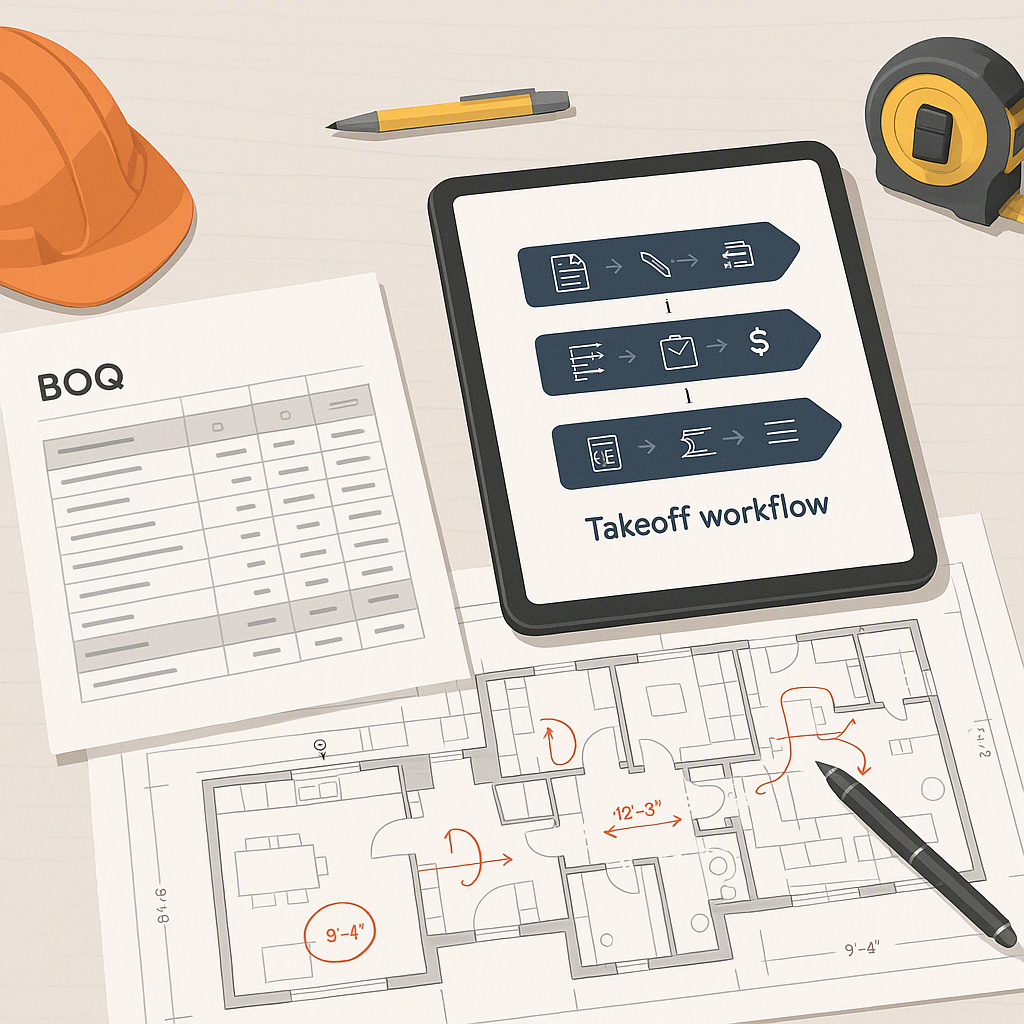
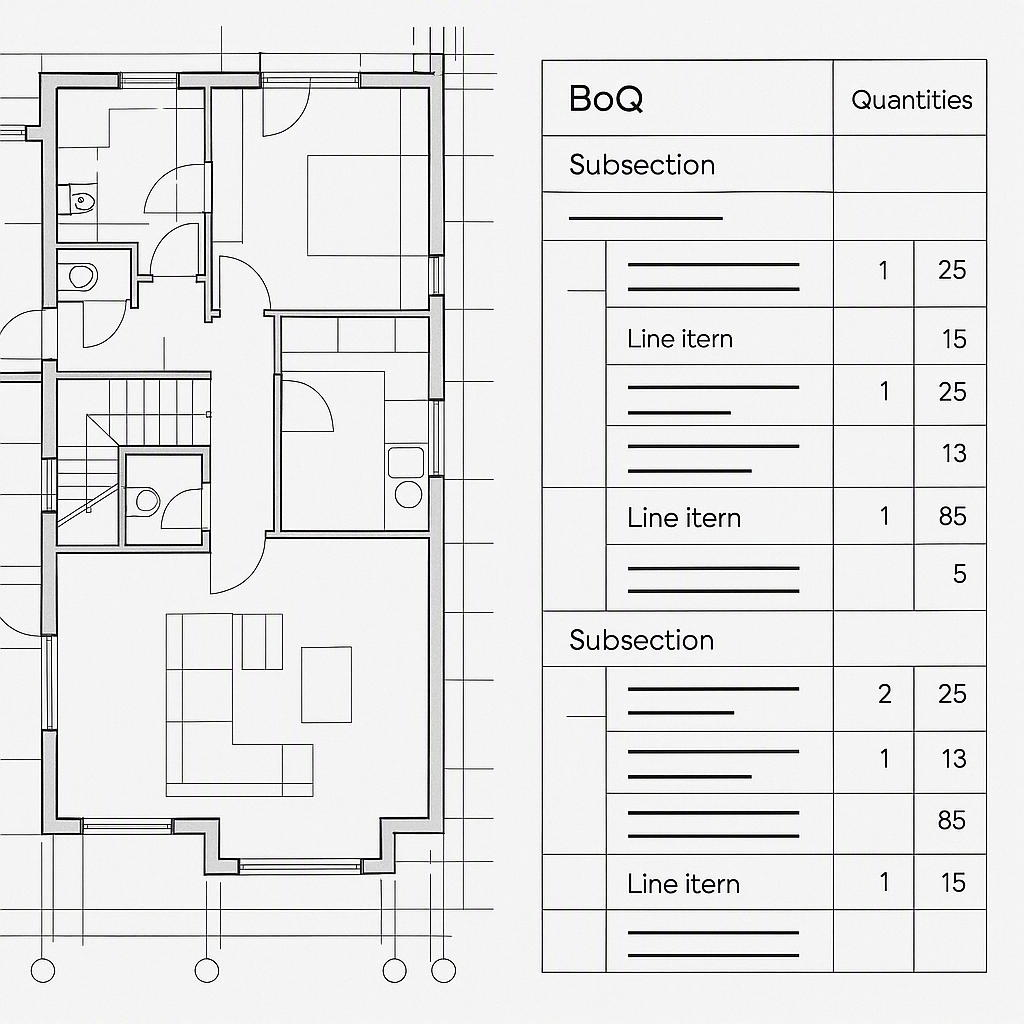
The Bill of Quantities (BOQ) is more than just a price list. It’s a structured document that defines every deliverable the client expects—what, how much, and for how much. Think of it as the client’s playbook for the project.
BOQs are typically organized hierarchically, with groups (like "Civil Works") broken into specific items (e.g., "Excavation – 500 CUM @ ₹120/CUM"). This structure mirrors the client’s expectations while integrating seamlessly into operational workflows. No more guesswork or crossed wires.
How BOQs Prevent Revenue Leakage
Let’s talk about where contractors really bleed money—billing errors. One of the biggest culprits? BOQs that don’t match the contract or actual work completed. Ever had a client dispute an RA (Running Account) bill because the quantities didn’t align? That’s your BOQ failing you.
Here’s how a systematic approach to BOQs tackles this head-on:
- Linking Progress to BOQs: Every scope item you execute ties back to a specific BOQ line. Completed work is measured and approved internally before it hits the client’s desk.
- Illustrative example — If "Excavation" is 75% done, the billable amount can be calculated as 75% of the agreed rate multiplied by the total quantity.
- Variation Tracking: Scope changes? No problem. Revisions to BOQs should be handled systematically, ensuring that new quantities or rates are contractually documented.
Without this kind of system, you’re relying on spreadsheets and memory. And that’s how mistakes—and disputes—happen.
BOQs and Cost Estimation: Where It All Starts
A poorly built BOQ often stems from shortcuts during estimation. If your BOQ is just a copy-paste job, you’re setting yourself up for mismatched costs and scope creep.
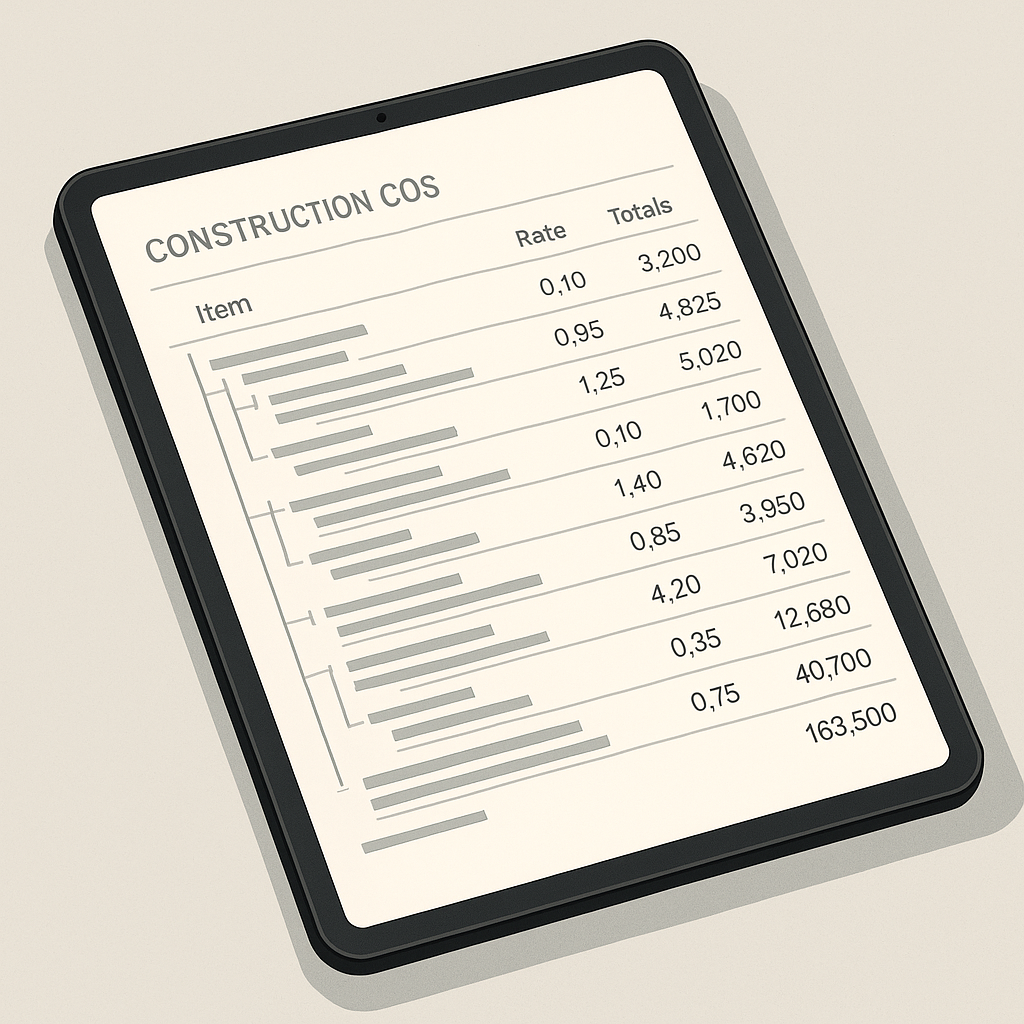
A robust estimation method breaks each rate into materials, labor, and machinery costs, ensuring consistency and accuracy across all projects. For complex projects, a detailed breakdown of resources is essential.
Think of it this way: A reliable BOQ starts with a reliable estimate. Garbage in, garbage out.
Common Mistakes with BOQs (and How to Fix Them)
- Skipping the BOQ Review: Always review quantities and rates before finalizing. Once a BOQ is contracted, it should be locked—no edits without formal revision.
- Lumping Items Together: Grouping unrelated items under one line might seem faster, but it kills transparency. Use detailed, itemized BOQs.
- Ignoring Compliance: Underbilling GST/TDS can land you in hot water. Ensure compliance tracking is integrated into your BOQ-based billing.
FAQ
Q: How does a BOQ differ from a Scope of Work (SOW)? A: BOQs define what the client pays for (deliverables and quantities). Scopes detail how you’ll actually execute the work—tools, methods, and timelines.
Q: Can BOQs handle stage-wise billing? A: Yes. BOQ items can be split into stages with percentage allocations, which is ideal for milestone-based payments.
Q: What’s the best way to handle BOQ revisions? A: Always document scope changes formally. BOQ revisions should be tracked and linked to contracts, so nothing gets lost.
Final Thoughts
If you’re still managing BOQs manually, you’re leaving money on the table. Errors, missed variations, and compliance gaps add up fast. A systematic approach to BOQs doesn’t just make them easier—it makes them more reliable and effective.
Learn more at EstimateNext