Why Margins Are Shrinking — And No One Notices
Construction is unforgiving. You plan for a margin of 15%, but the final numbers barely hit 5%. What happened? It's not fraud or major scope changes. It's the invisible stuff — like overbilled materials, idle equipment, or subcontractor overruns.
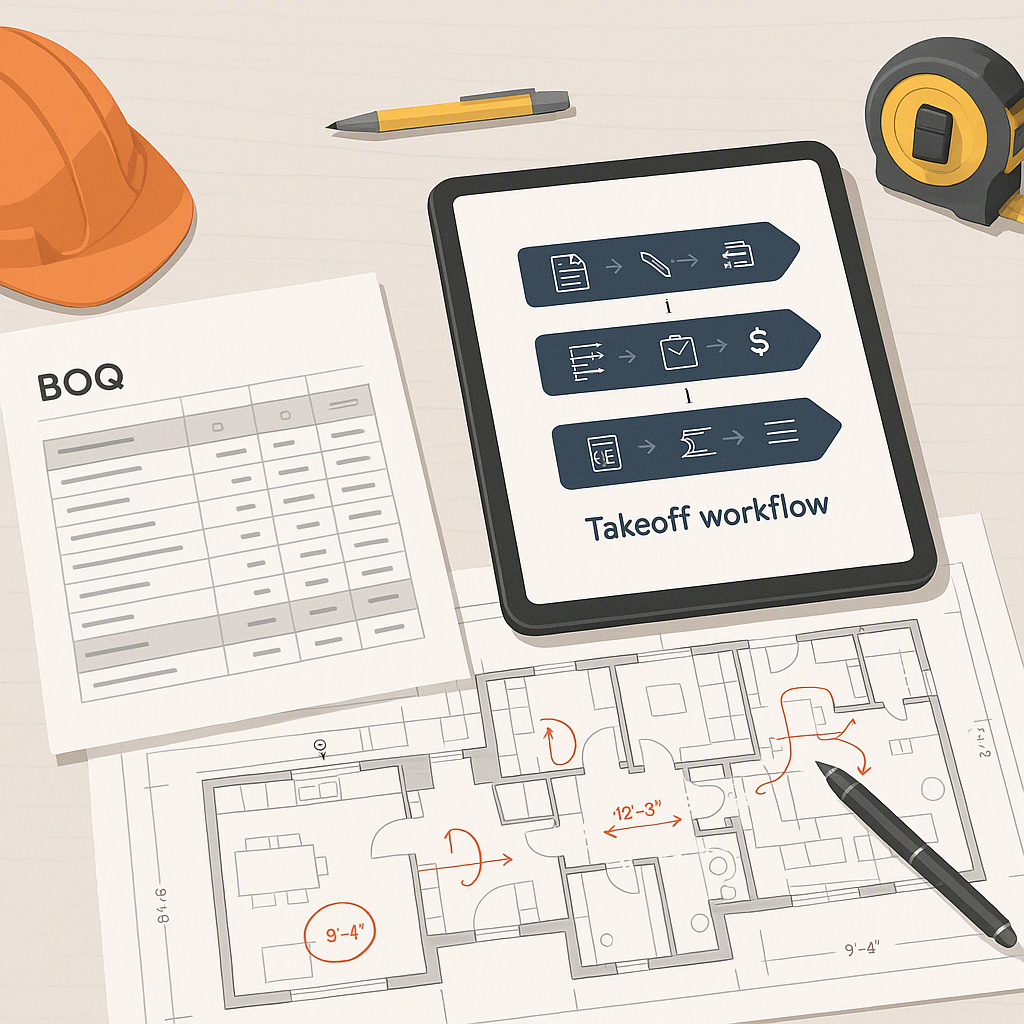
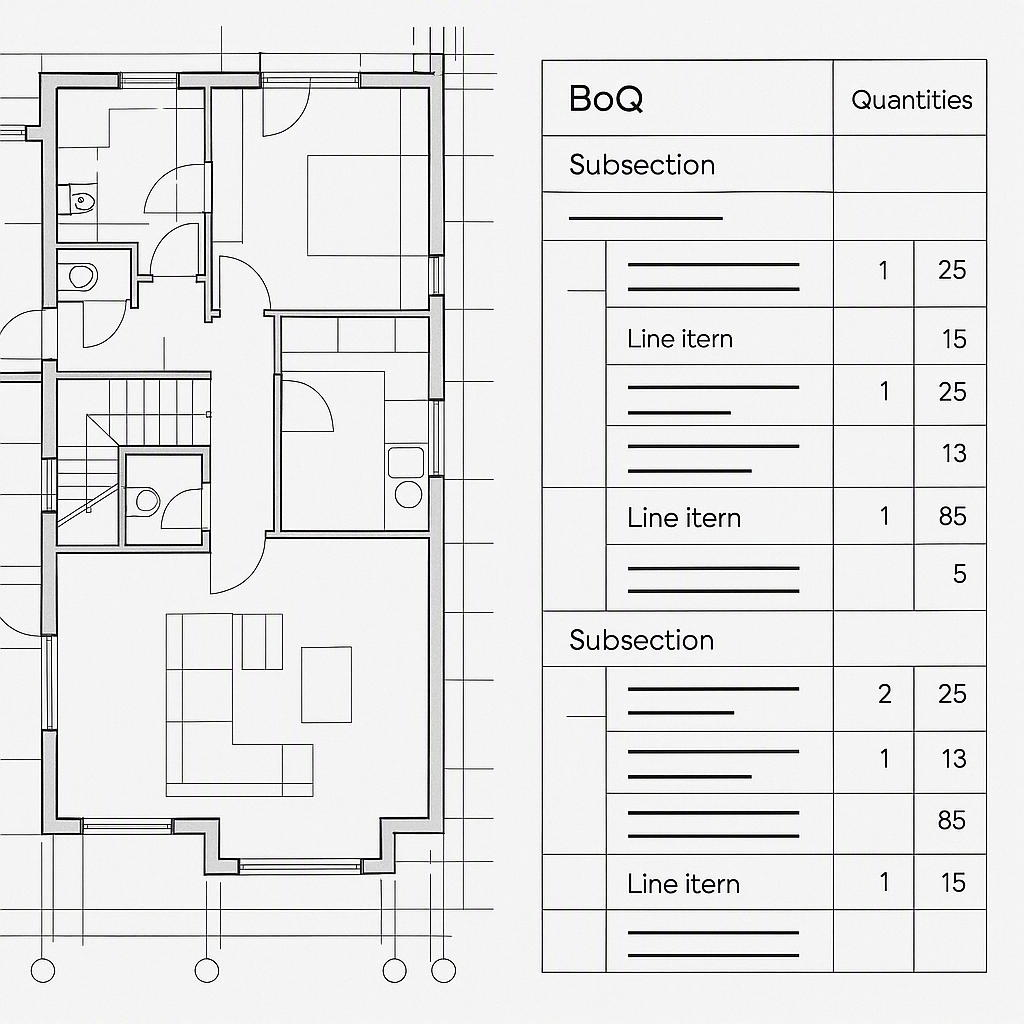
Take materials procurement. How often do you reconcile actual usage against your BOQ estimates? If you're relying on spreadsheets or disconnected systems, the answer is probably "not often." And when materials are ordered without strict MR → RFQ → PO workflows, wastage piles up fast.
Subcontractor billing is another silent killer. Are your subcontractors billing based on actual progress measured in the field? Or do they just submit invoices for arbitrary amounts? If you're not tracking measurements directly against work orders, you're leaving money on the table.
The Fix: Real-Time Cost Visibility
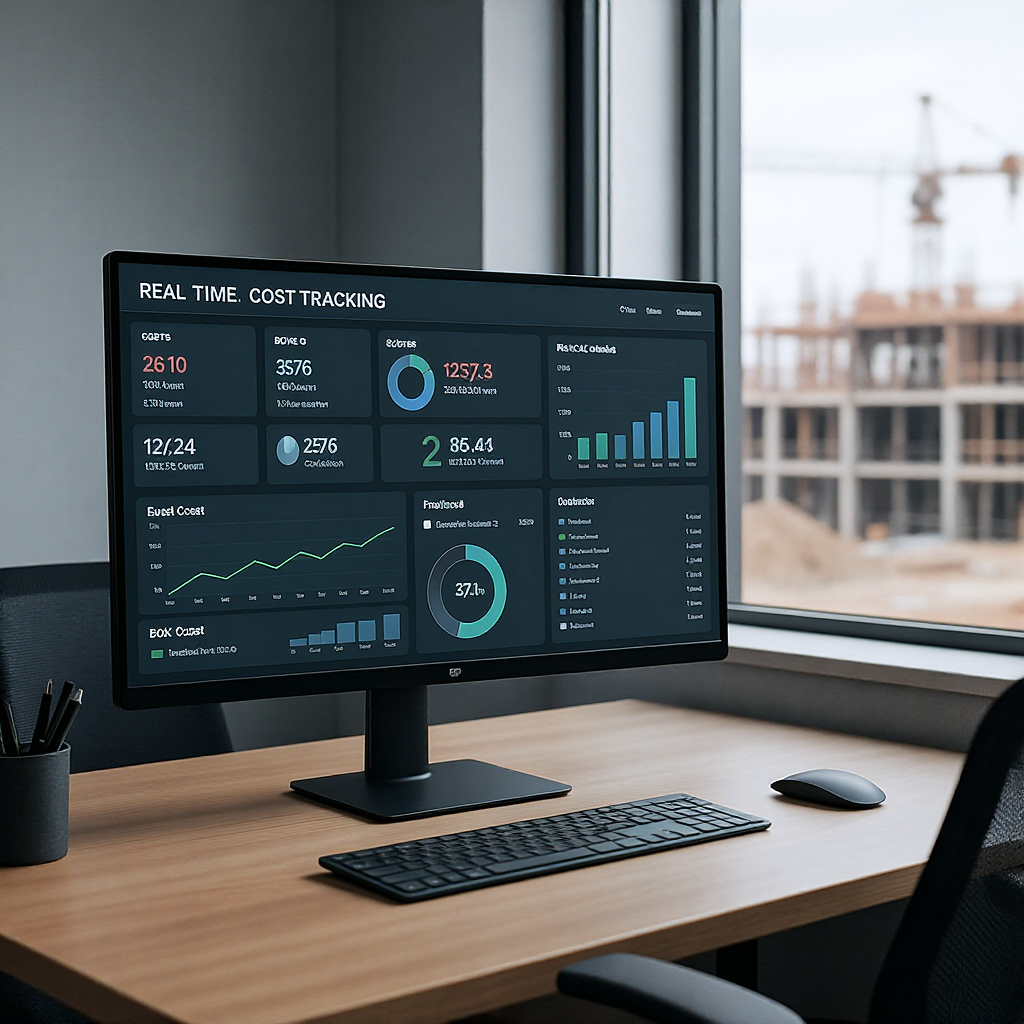
If you can't see where you're losing money, you can't stop it. That's why real-time cost tracking matters — not just at the project level but across BOQs, scopes, and estimates. Without it, you're flying blind.
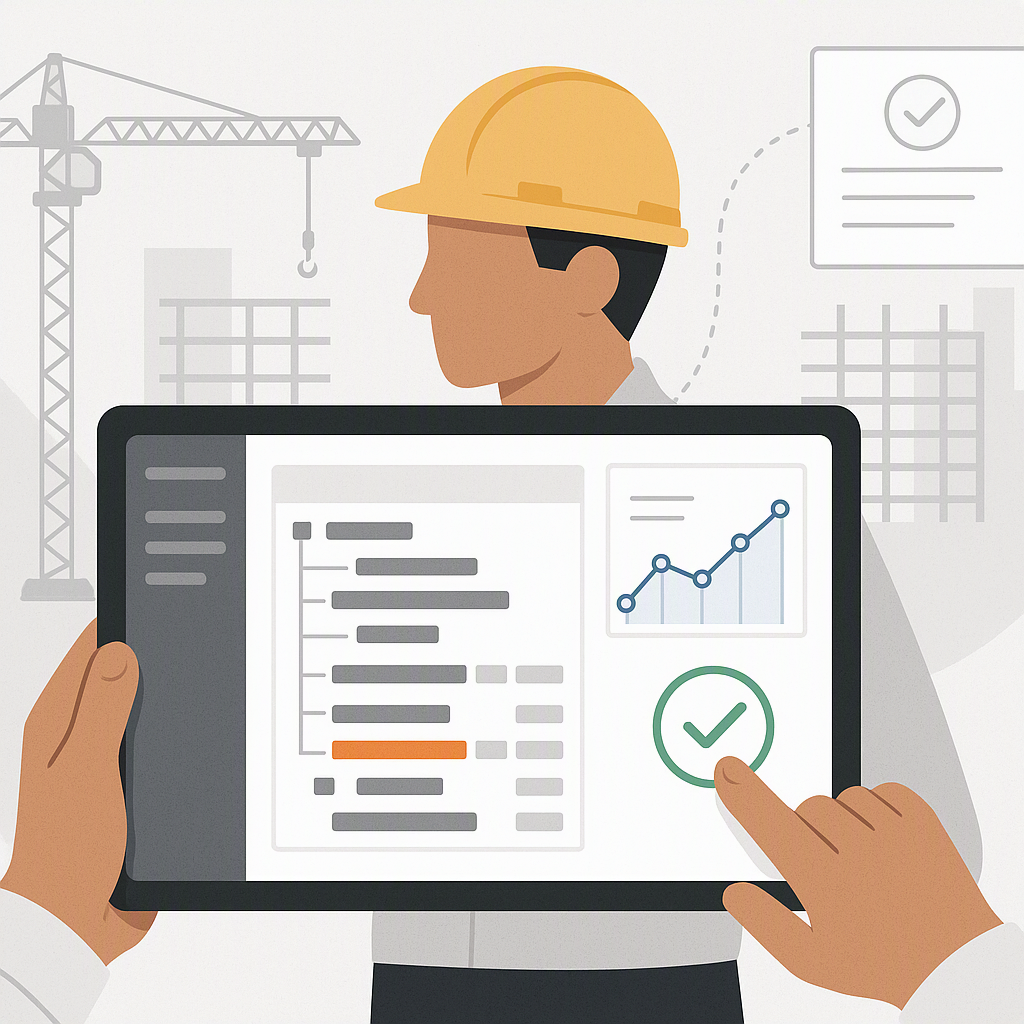
Here's a practical example. JobNext's cloud ERP solves this exact problem by integrating cost tracking across procurement, subcontractor management, and billing workflows. When you set up a project, the BOQ/WBS hierarchy ties directly to your procurement and billing processes. Subcontractor progress is tracked measurement by measurement, ensuring invoices match actual work.
According to JobNext's blog, contractors using cloud ERP see up to 20% faster project execution because they catch cost overruns before they snowball. And faster execution means fewer overheads eating into your profits.
Action Steps
- Audit Your Procurement Process: Are MRs, RFQs, and POs tracked systematically? If not, you're risking over-ordering and wastage.
- Measure Subcontractor Progress: Switch from arbitrary invoices to measurement-based billing. Use tools like JobNext to automate this.
- Track Costs in Real Time: Stop waiting for monthly reports. Use dashboards that show live project profitability.
What If You Don't Fix This?
You might think, "We're already profitable — why bother?" Fair question. But margins are razor-thin in construction. If you're losing even 2% on every project due to poor cost tracking, think about the cumulative impact across a year. For a company running 15 projects, that's a massive hit.
Ignoring this problem is like driving with a slow leak in your tires. You'll keep moving, but eventually, you'll stall.
Want to know more about how contractors are fixing these issues? Read Why Contractors Lose Money Without Cloud ERP (And How to Fix It).
Final Thoughts
Construction cost management isn't rocket science, but it does require discipline. Real-time cost tracking tools make it easier — not by magic, but by enforcing workflows that catch mistakes before they turn into losses.
Start small. Audit one process — like procurement or subcontractor billing. Track it for a month using structured workflows. The results will speak for themselves.
Ready to see JobNext in action?
Multi-tenant SaaS ERP for construction, facilities management, and contracting — covering preconstruction, project execution, procurement, HR & payroll, equipment, finance, and 150+ analytics reports.
Get Started Free →Learn more at EstimateNext