Bidding Smarter, Not Cheaper: The Key to Profitability
Let’s start with a reality check: too many contractors think the goal of bidding is to win projects. It’s not. The actual goal is to win profitable projects. There’s no point in celebrating a new contract if it’s going to erode your margins.
The Common Bidding Mistake
Here’s a scenario we see all the time. A contractor bids low to win, relying on “guesstimates” or incomplete data. Then, during execution, material costs spike, labor overruns happen, and suddenly the project turns into a money pit. Sound familiar?
According to a Dodge Data & Analytics report, 38% of contractors say inaccurate cost estimates are a primary reason for margin erosion. And yet, many firms still rely on spreadsheets or outdated tools to prepare bids. Why? Because they think it’s cheaper than investing in proper systems. It’s not.
The Cost of Bad Bids
Bad bidding is expensive. A single miscalculated project can wipe out a year’s profits. Let’s break it down:
| Factor | Impact on Margins |
|---|---|
| Material price fluctuations | Can increase costs by 10-30% |
| Labor inefficiencies | Adds 15-20% to budgets |
| Scope creep | Untracked changes pile up |
| Delayed payments | Strain cash flow |
If you’re not tracking these risks in your bid, you’re gambling with your business. And it’s not just about the numbers—it’s about the process.
Why Smart Bidding Matters
Smart bidding isn’t just about estimating costs more accurately (though that’s a big part). It’s about a structured approach to ensure you’ve considered every variable before submitting your bid. Here’s what that looks like:
- Historical Insights: Analyzing past projects to understand where you’ve overestimated or underestimated in the past. If you don’t know where you went wrong before, you’ll repeat the mistakes.
- Resource Planning: Matching your bids to your actual resource availability. Overestimating capacity leads to delays; underestimating leads to chaos.
- Dynamic Cost Tracking: Material prices, labor rates, and subcontractor costs are constantly changing. If you’re not using real-time data, your bid is outdated the moment it’s submitted.
The JobNext Advantage: Smarter Estimating
This is where tools like JobNext come in. Their platform includes a preconstruction module with four quoting methods—Easy, Estimate, Standard, and Combined. These aren’t just fancy names. They allow you to tailor your approach based on project size, complexity, and available data.
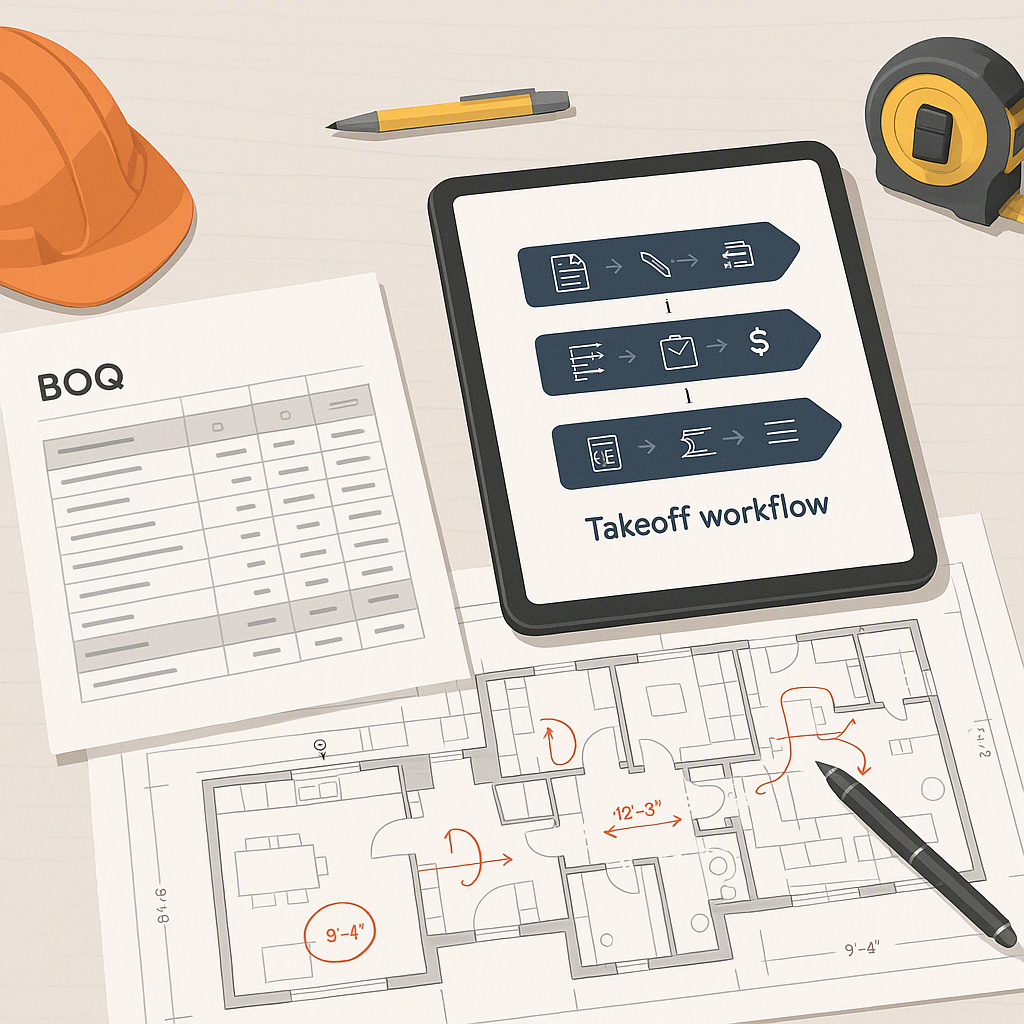
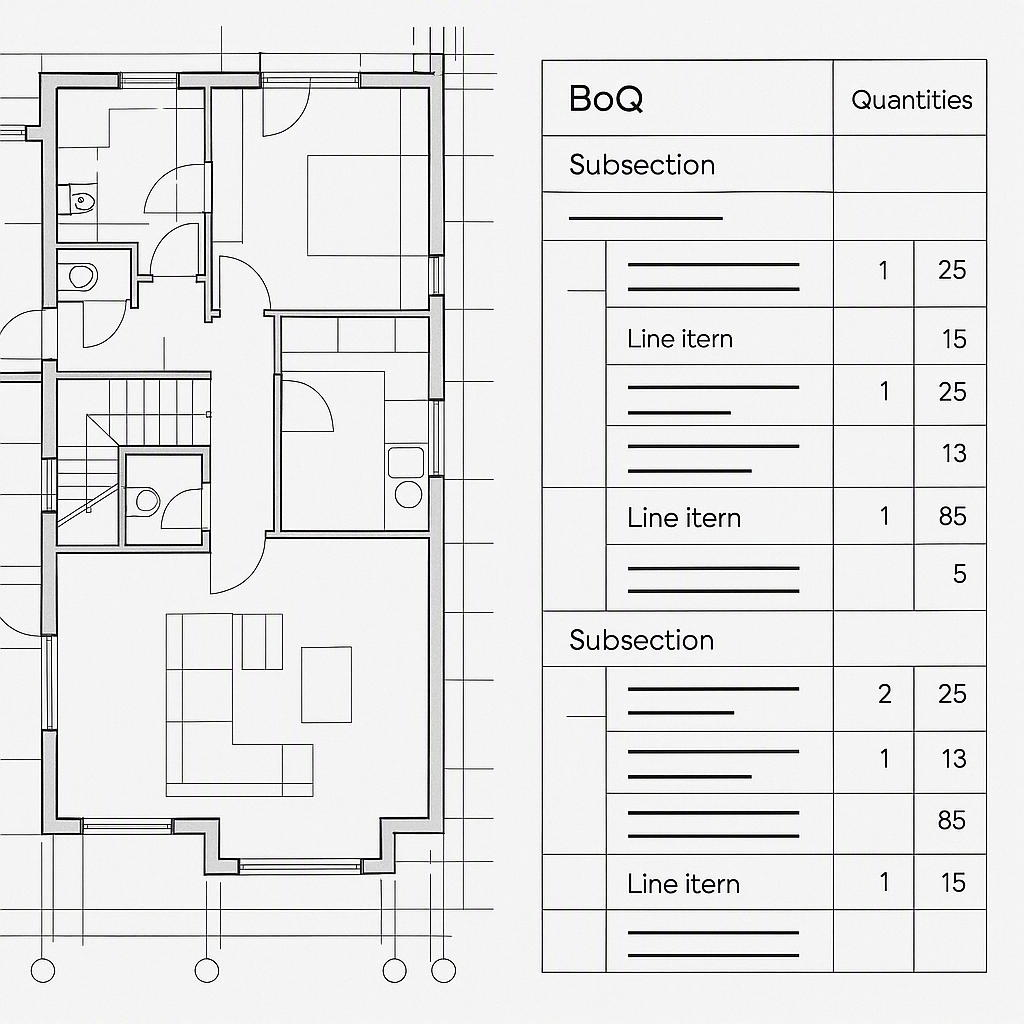
For instance, let’s say your team is bidding on a complex MEP project. Using the “Estimate” method, you can break down the BOQ (Bill of Quantities) into detailed cost structures—labor, materials, equipment, and overhead. Then you can layer in historical data from similar past projects, adjusting for current market conditions. This way, your bid is grounded in reality, not wishful thinking.
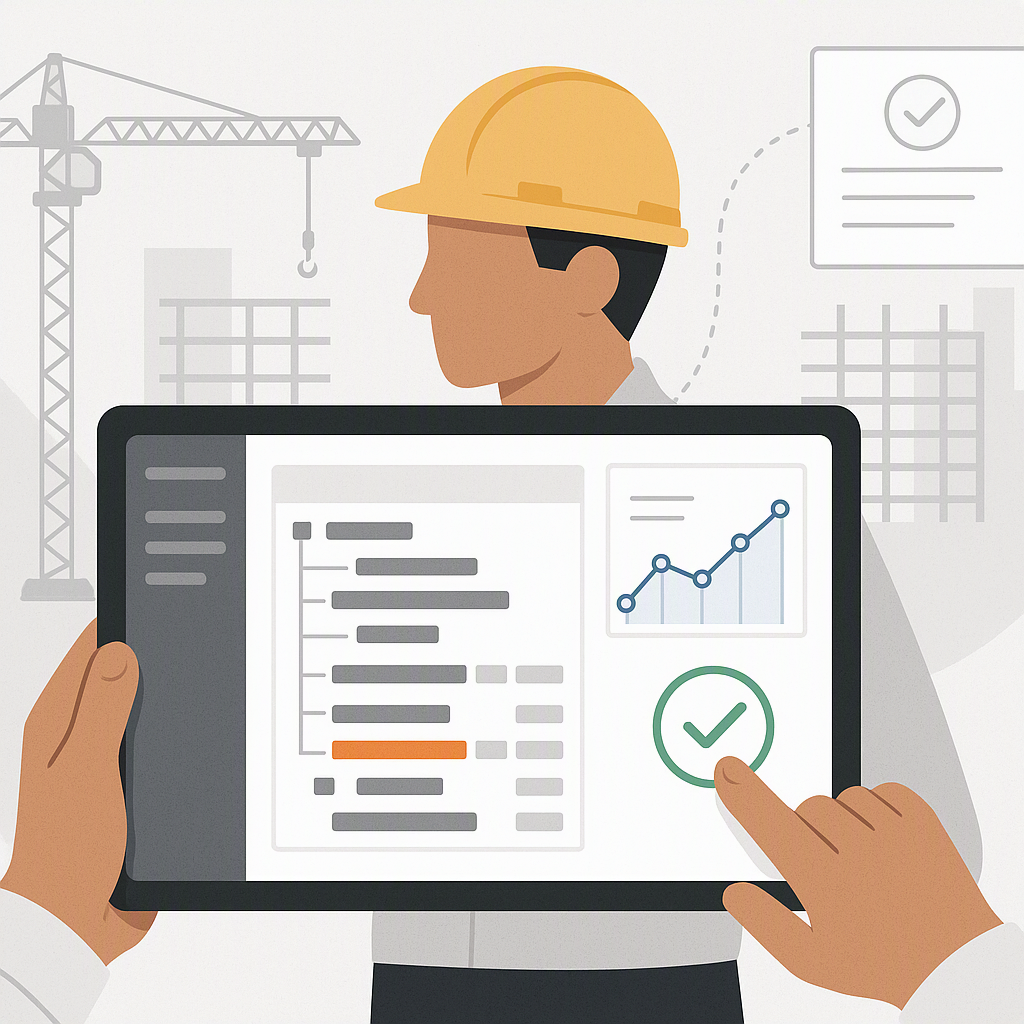
And let’s not overlook the approval workflows. Instead of rushing a bid out the door, JobNext ensures every quote passes through the right set of eyes—estimators, project managers, and finance teams. This eliminates those “how did we miss that?” moments post-award.
Real-World Results
Consider the example of Al Nab’a Services, a facilities management company in Oman. As detailed in this case study on the JobNext blog, they used technology to overhaul their operations, including their bidding process. By integrating real-time data and streamlining their workflows, they reduced their project overruns by 23% in just one year. That’s the power of smart bidding.
The Takeaway
Winning bids is hard. But winning bids that actually make money? That’s even harder. The key is to stop bidding blind. Use systems that give you access to real-time data, enforce processes, and let you learn from past mistakes. Tools like JobNext don’t just help you win more projects—they help you win the right ones.
Ready to see JobNext in action?
Multi-tenant SaaS ERP for construction, facilities management, and contracting — covering preconstruction, project execution, procurement, HR & payroll, equipment, finance, and 150+ analytics reports.
Get Started Free →Learn more at EstimateNext