The Hidden Profit Killer in Construction
Margins in construction are razor-thin. We're talking 3-5% on average for most contractors. But here's the kicker — up to 20% of those margins disappear due to poor cost tracking. You might think, "We know our material and labor costs, so what's the problem?" The problem is indirect costs. They're harder to track, yet they’re the silent killers of profitability.
Where the Money Goes Missing
Let’s break this down:
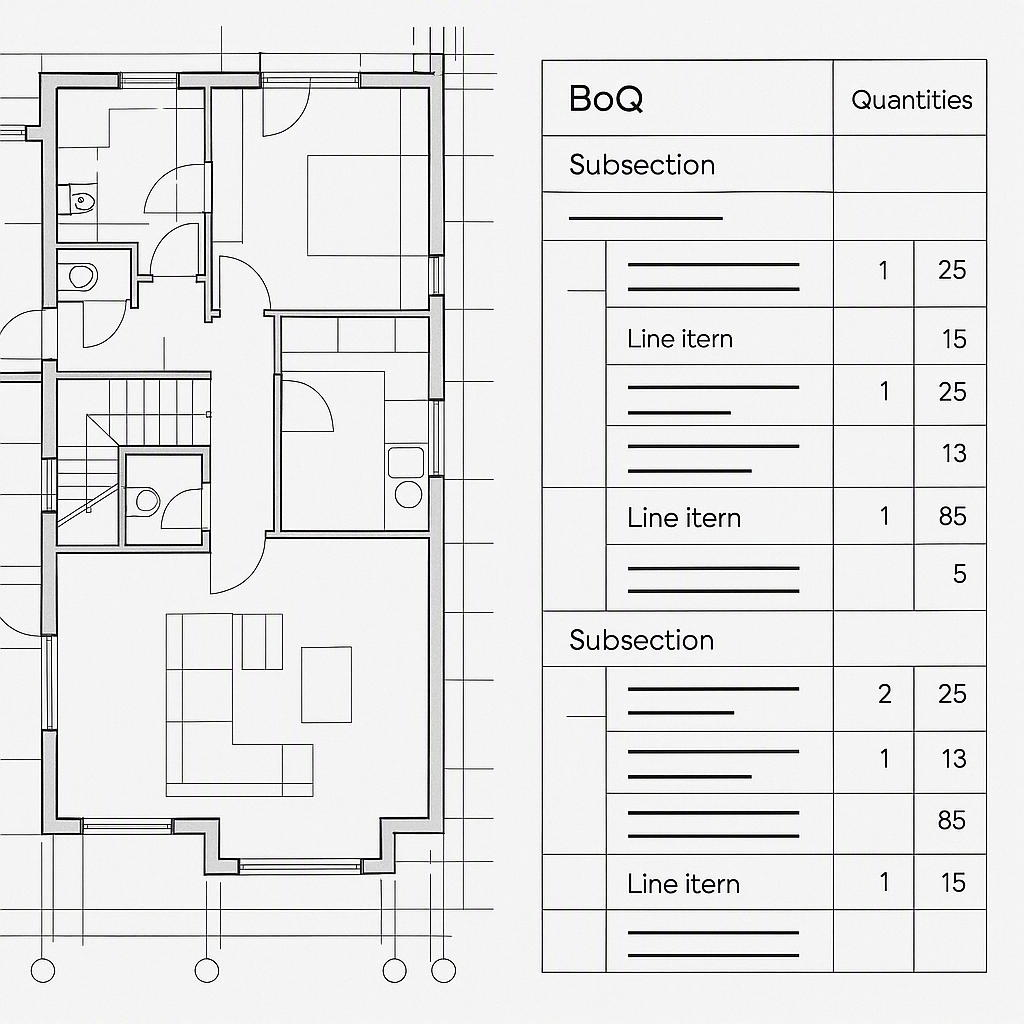
- Overestimated BOQs: Ever had a project where the bill of quantities (BOQ) looked perfect on paper, but by execution, you were bleeding cash? Happens all the time. A small error in your scope hierarchy can cascade into massive overruns.
- Vendor overbilling: If you're not matching every invoice to purchase orders, you're probably paying for things you didn't order. Or worse, paying inflated rates.
- Idle equipment: A machine sitting idle for even 30% of its lifecycle costs you more than you think. Factor in depreciation, maintenance, and opportunity loss, and it’s a real drain.
- Subcontractor overruns: Without measurement-based progress tracking, you'll always be flying blind. Subcontractors aren’t incentivized to stick to your timelines or budgets without tight controls.
Why Real-Time Cost Tracking Matters
Imagine you’re mid-project, and you realize your material budget is already 10% over. What do you do? Most contractors scramble to cut corners or renegotiate vendor terms — neither is ideal. Real-time tracking solves this by showing you exactly where overspending happens, the moment it happens.
Example: Subcontractor Billing Controls
Let’s say you’re working with 10 subcontractors on a large HVAC installation. Without a system to track their progress against your scope hierarchy, you’ll end up with vague invoices like "50% complete" — but no clear measurement. That’s how you lose money.
A tool like JobNext fixes this. It lets you set up work release → request for proposal → work order → measurement tracking workflows. Every subcontractor’s payment is tied to measurable progress. No more guesswork. You can read more about how this works in Why Contractors Lose Money Without Cloud ERP (And How to Fix It).
How to Implement Real-Time Tracking
Here’s the practical side of this:
-
Standardize BOQ/WBS Scopes: Ensure every project starts with clear scope hierarchies. Tools like JobNext let you create BOQs tied to real-time budgets.
-
Integrate Procurement Workflows: Move away from manual purchase orders and emails. Use structured workflows (MR → RFQ → Vendor Offers → PO) to ensure every invoice matches an approved PO.
-
Track Equipment Utilization: Don’t just record usage hours. Track production outputs, maintenance schedules, and downtime. JobNext’s plant & machinery lifecycle module handles this end-to-end.
-
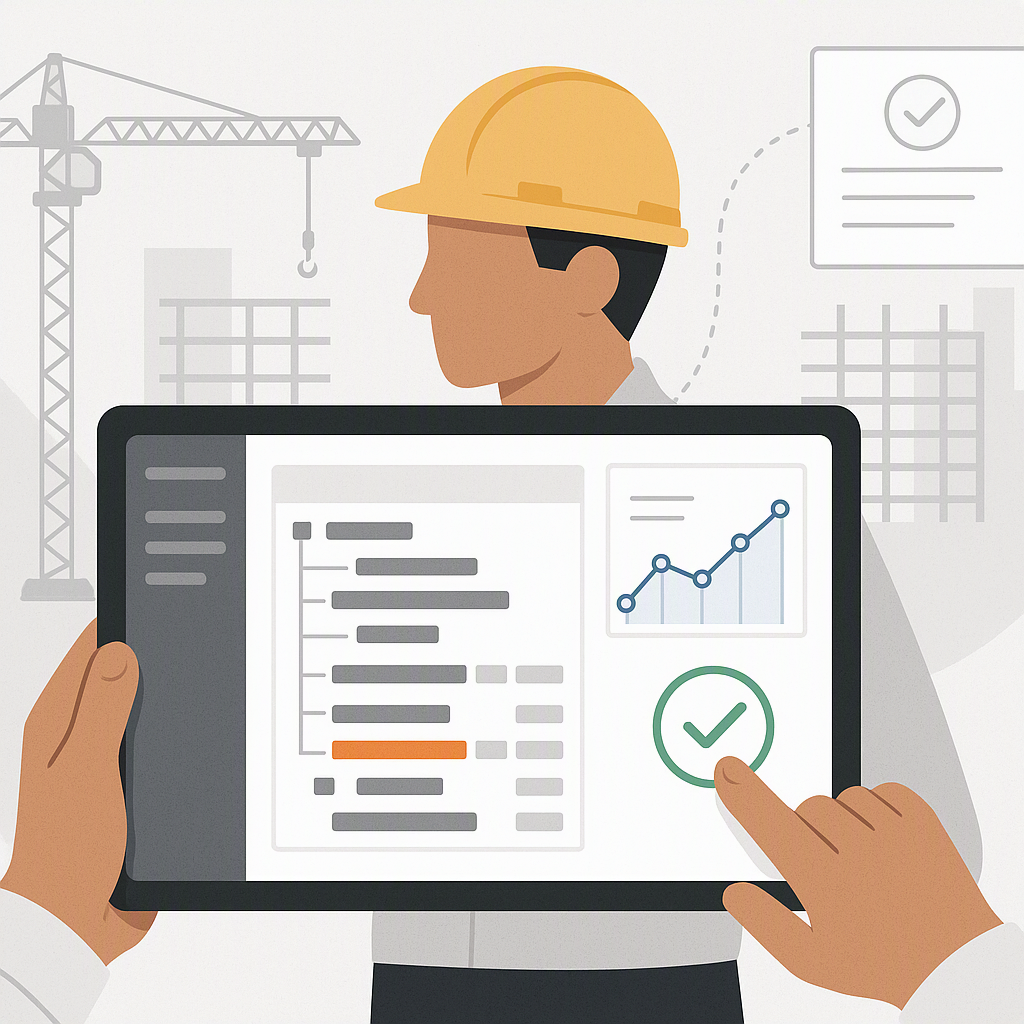
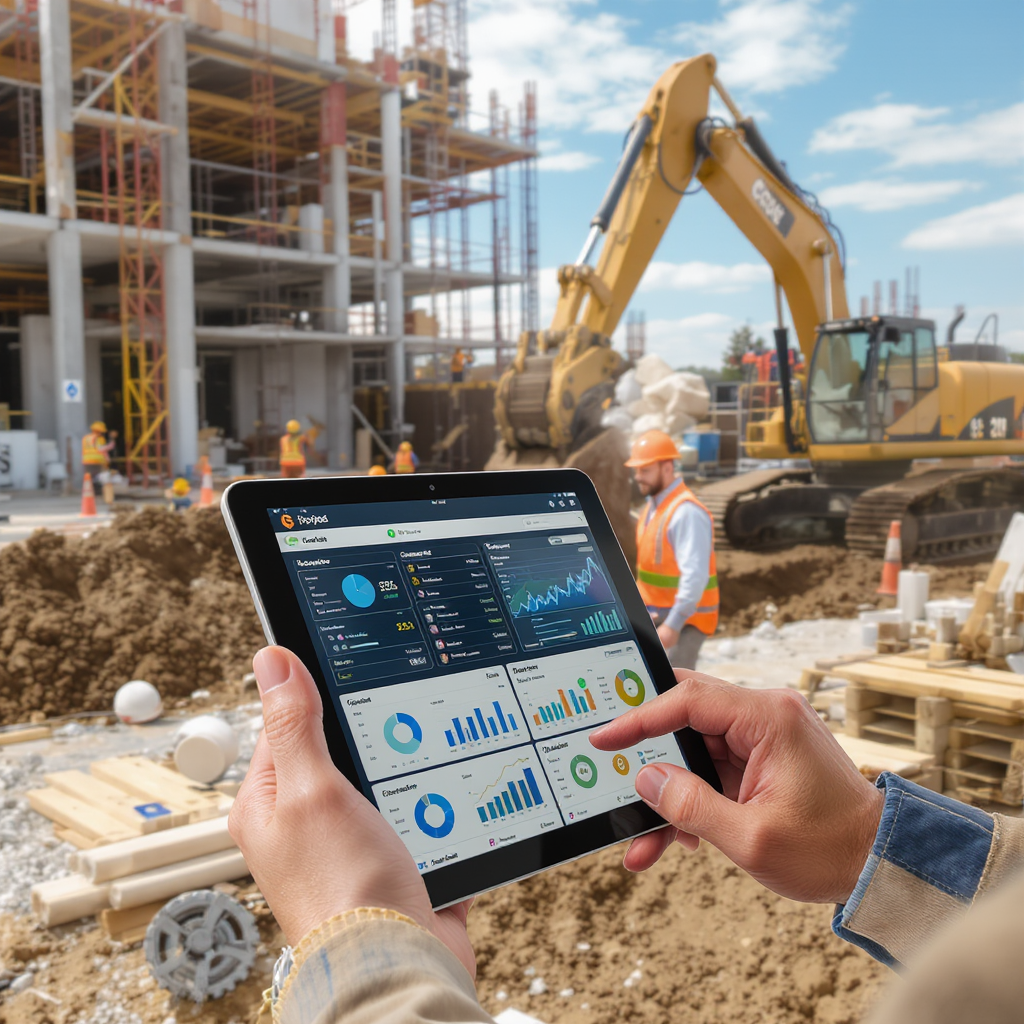
Use Real-Time Dashboards: Static reports won’t cut it. You need dashboards showing live data — costs incurred, budgets remaining, and profitability estimates.
The Obvious Objection: "We Already Use Excel"
Yes, Excel works... until it doesn’t. Spreadsheets are great for static data but fail in dynamic projects with multiple moving parts. A cloud-based ERP like JobNext integrates procurement, subcontractor billing, equipment tracking, and payroll into one system. You get 150+ pre-built reports, so you’re not wasting time building formulas every week.
What Happens If You Ignore This?
Let’s be blunt: ignoring real-time cost tracking will kill your margins. You’ll finish projects wondering where the money went. Worse, you’ll lose bids because your competitors will undercut you — not by cutting corners, but by managing costs more efficiently.
Tools like JobNext aren’t just nice-to-haves. They’re survival tools for mid-size contractors who want to stay competitive. Check out 5 Ways Cloud ERP Stops Profit Leaks in Construction Projects for more examples of how contractors are turning this around.
Final Thoughts
Construction cost management isn’t about cutting costs; it’s about visibility. If you can see where your money is going in real-time, you can stop profit leaks before they happen. Systems like JobNext make this possible — not just for the big players, but for contractors running 10-15 projects at a time.
Want to learn more? Visit JobNext.ai and explore how cloud ERP transforms construction operations.
Ready to see JobNext in action?
Multi-tenant SaaS ERP for construction, facilities management, and contracting — covering preconstruction, project execution, procurement, HR & payroll, equipment, finance, and 150+ analytics reports.
Get Started Free →Learn more at EstimateNext