Why Contractors Lose 20% Margins Without Real-Time Cost Tracking
Margins in construction are already razor-thin, typically hovering around 5-10% for most contractors. But poor cost tracking? It can quietly erode up to 20% of your profits before you even notice. That’s not a hypothetical number—it’s a real problem we’ve seen repeatedly while working with contractors across India and the GCC.
Here’s the kicker: most contractors don’t realize they’re bleeding margins until the project is nearly over. By then, it’s too late to fix the problem. So, what’s causing this? And how can you stop it? Let’s break it down.
The Hidden Cost Killers in Construction
There are three common ways contractors lose money:
-
Mismatched Budget vs. Actuals: You budgeted ₹50 lakhs for labor and materials but spent ₹65 lakhs. Where did the extra ₹15 lakhs go? Without proper tracking, you’re guessing.
-
Unbilled Scope Changes: Clients often ask for changes mid-project. If your team doesn’t document and bill for these changes, you’re essentially doing charity work.
-
Idle Equipment: A ₹1 crore excavator sitting idle for 3 months still racks up depreciation, maintenance costs, and insurance. Yet, most contractors don’t track utilization efficiently.
The result? Margins vanish. And often, the problem isn’t lack of effort—it’s lack of visibility.
Why Real-Time Cost Tracking Matters
Here’s a fact: contractors who track costs in real-time are far more profitable than those who don’t. Why? Because they can catch problems before they spiral out of control.
Let’s say you’re halfway through a project, and your actual cement consumption is already 70% of the budgeted quantity. Without real-time tracking, you wouldn’t notice until it’s too late to adjust. With real-time data, you can pause, investigate, and take corrective action—like renegotiating with your supplier or revising your BOQ.
According to JobNext’s blog post on margin erosion, contractors lose up to 20% of their margins when they rely on manual or disconnected systems. That’s because spreadsheets and outdated processes simply can’t keep up with the complexity of modern construction projects.
A Practical Example: BOQ-Based Profitability Tracking
Here’s how real-time cost tracking can save your margins, using a feature of JobNext as an example.
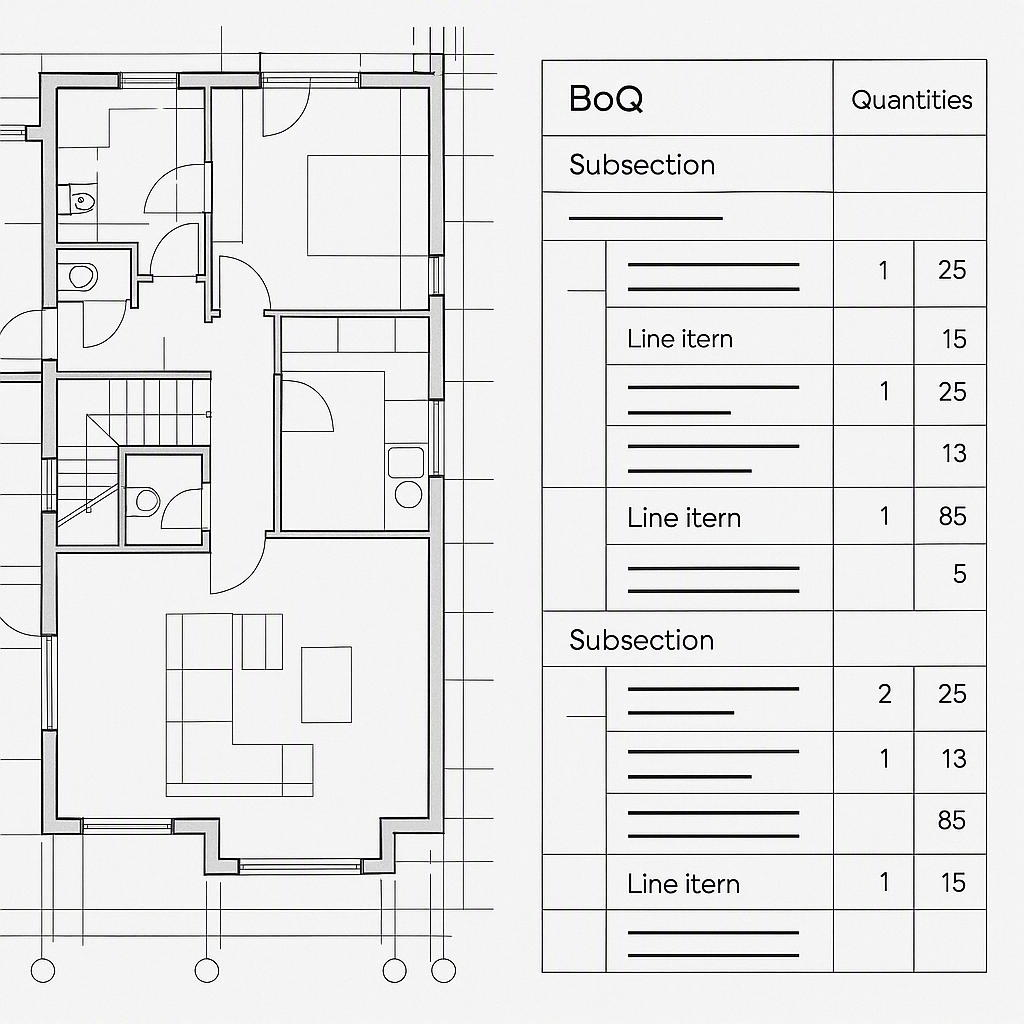
Imagine you’re managing a ₹5 crore project with a detailed BOQ (Bill of Quantities). JobNext lets you:
- Track actual costs against the BOQ in real-time.
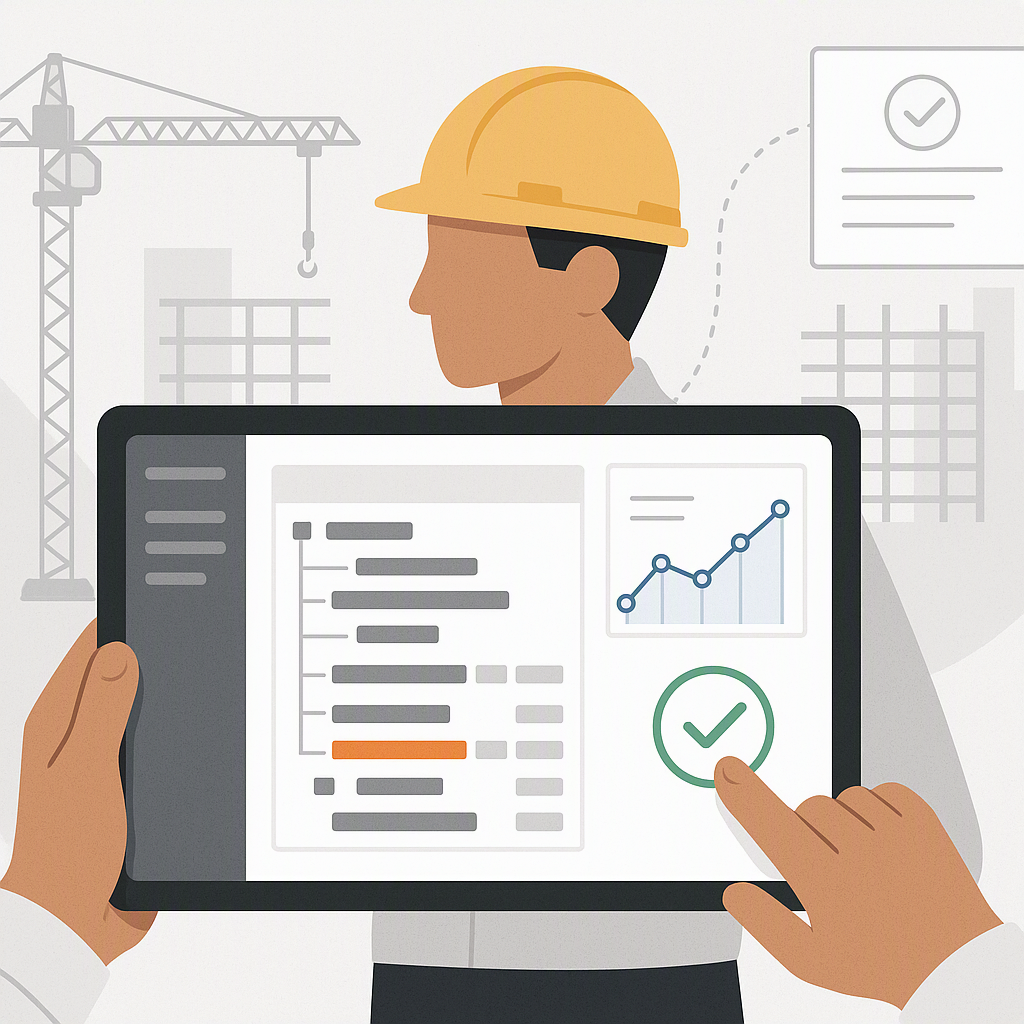
- Identify which line items are over budget.
- Spot unbilled scope changes immediately.
For example, if your BOQ allocates ₹10 lakhs for steel reinforcement and your actual cost hits ₹12 lakhs, you’ll see the variance instantly. You can then drill down to investigate: Was it a price hike? Wastage? Theft? Whatever the cause, you’ll know about it before it wipes out your margins.
Compare this to the traditional method—where you’d only realize the overrun when reconciling costs at the end of the project. By then, the damage is done.
How to Implement Real-Time Cost Tracking
So, how do you get started? Here’s a simple framework:
1. Digitize Your BOQs
Stop managing BOQs in Excel. Use software that links your BOQ to procurement, billing, and project execution in one system. This ensures every cost is tied to a specific line item.
2. Monitor Costs Daily
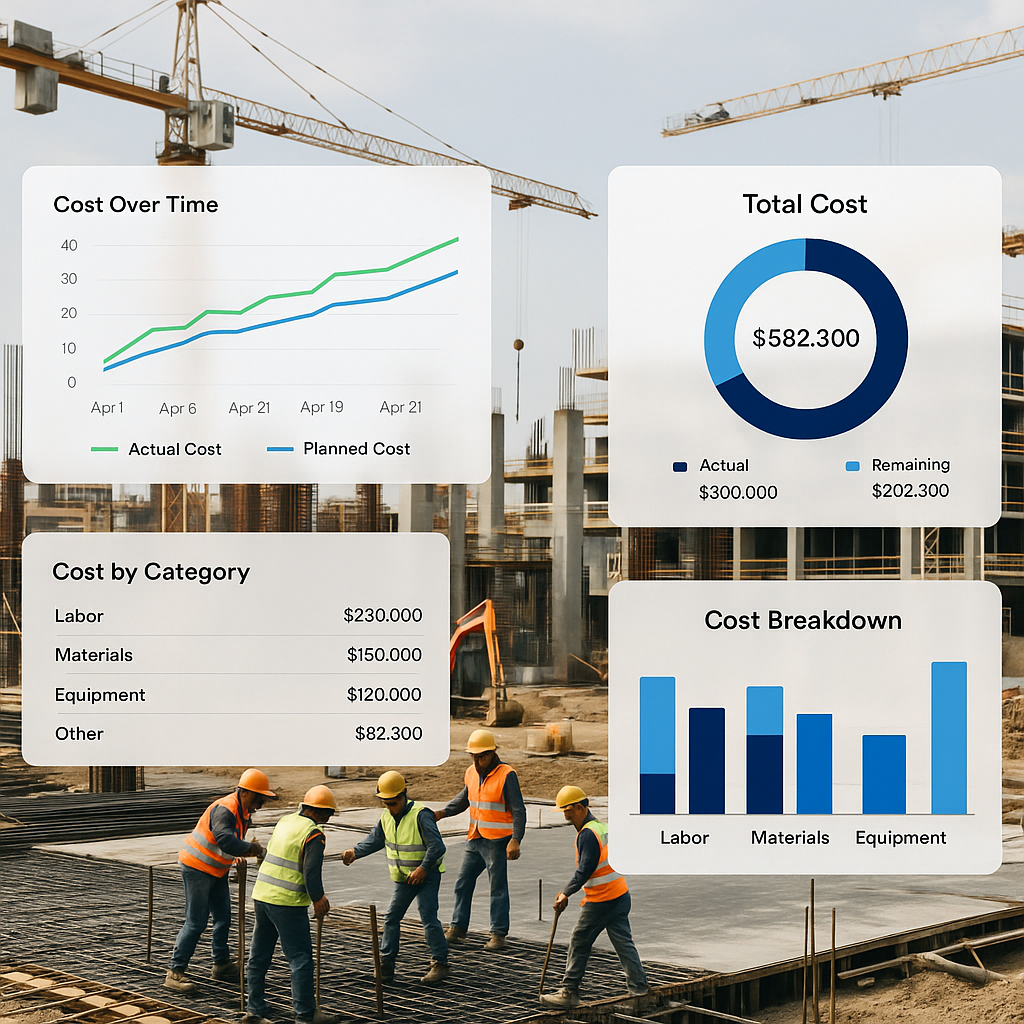
Set up daily reporting for key categories: labor, materials, equipment, and subcontractors. Tools like JobNext provide dashboards that show your spending in real-time.
3. Track Variances Automatically
Use software to flag variances between budgeted and actual costs. For example, if labor costs exceed the estimate by 10%, the system should alert you immediately.
4. Close the Loop with Billing
Ensure that every scope change or additional work is documented and billed. JobNext’s RA billing feature ensures nothing falls through the cracks.
What Happens if You Don’t?
You might be thinking, “This sounds like a lot of work.” But here’s the hard truth: not doing it costs you more. Let’s break it down:
- A ₹10 crore project with 10% margins = ₹1 crore profit.
- If you lose 20% of your margins due to poor cost tracking, that’s ₹20 lakhs gone.
- Over five projects, you’re losing ₹1 crore—enough to wipe out your entire profit.
Can you afford to keep ignoring this? Probably not.
Conclusion: Stop the Leaks Before They Sink You
Real-time cost tracking isn’t optional anymore. It’s the difference between a profitable project and a loss-making one. Tools like JobNext make it easier by giving contractors real-time visibility into costs, variances, and profitability—right down to the BOQ level.
As highlighted in this article, contractors who adopt cloud-based systems grow faster and protect their margins better. The alternative? Flying blind and hoping for the best.
Margins in construction are too tight to leave anything to chance. Isn’t it time you started tracking your costs in real-time?
Learn more at EstimateNext