Construction Cost Management: Where Most Contractors Go Wrong
Let’s start with a harsh truth: most contractors don’t actually know where their money’s going. Sure, they track direct costs like materials and labor reasonably well. But indirect costs? Overhead creep? Subcontractor overruns? That’s where things fall apart. And it’s killing margins.
A study from Technavio found that raw material price volatility and supply chain disruptions remain massive hurdles for contractors. If you’re not tracking these costs in real-time, you’re essentially flying blind. Guesswork isn’t cost management.
The 3 Biggest Construction Cost Tracking Gaps
-
Subcontractor Overruns: Subcontractors bill based on progress measurements. But how accurate are those measurements? Without a proper system, overbilling is common. And once those payments go out, good luck clawing them back.
-
Idle Equipment Costs: Equipment sitting idle for 40% of its lifecycle isn’t just bad planning — it’s a direct hit to your bottom line. Equipment cost recovery depends on constant utilization, but most contractors don’t have visibility into this.
-
Unbilled Work: Ever completed a scope of work but forgot to bill it? It happens more than you’d think. Especially on projects with complex billing methods like RA bills or stage-wise billing.
These gaps aren’t just annoying — they’re expensive. Fixing them can mean the difference between a 3% margin and a 10% margin.
Why Real-Time Cost Tracking Is Non-Negotiable
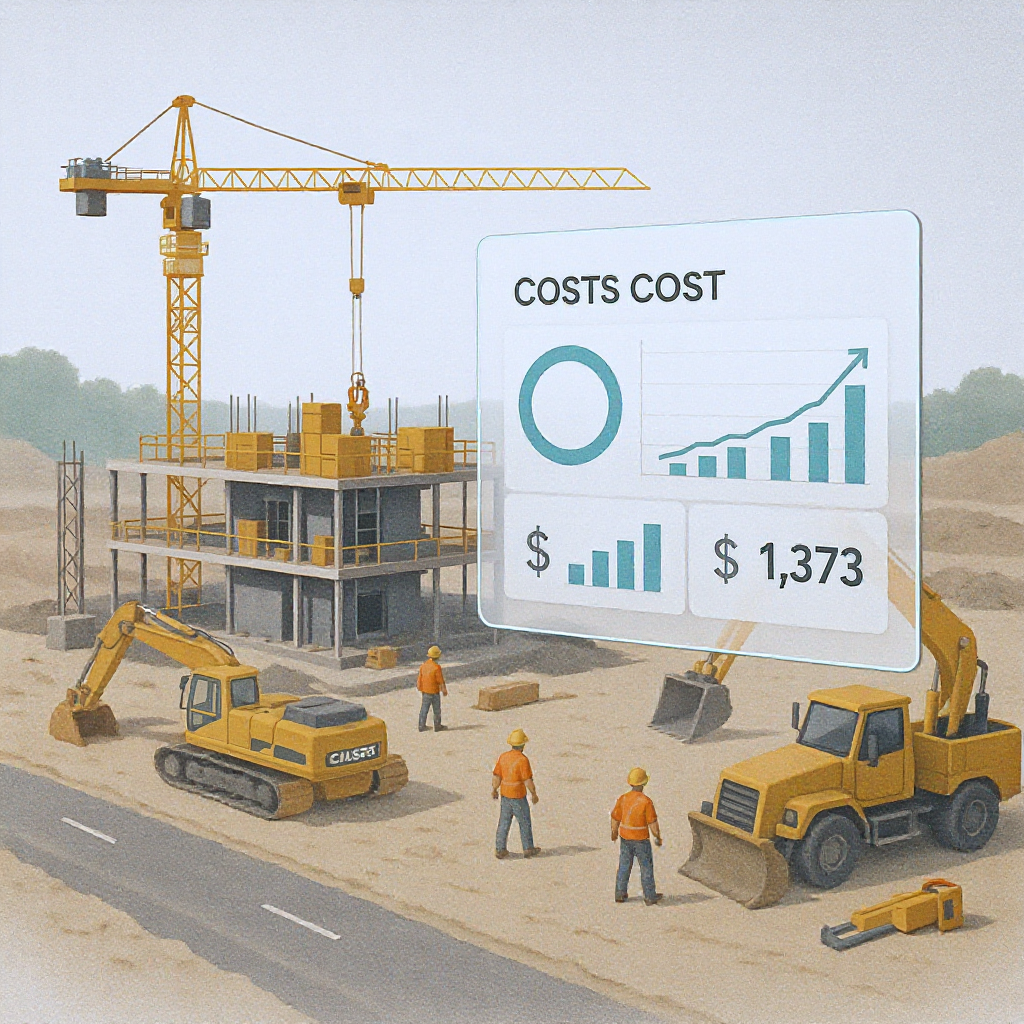
Tracking costs after the fact is like trying to stop a leak after the water’s already flooded your house. You need visibility as costs happen. Real-time tracking lets you see the red flags early: a subcontractor exceeding their work order, equipment sitting idle for the third day in a row, or material procurement costs going over budget.
Here’s a practical example. Let’s say you’re running an HVAC installation project. Without a proper system, you might notice a budget overrun after the project ends. With real-time tracking, you’d see the issue as soon as it starts — maybe a vendor charged you double the agreed rate for materials. Addressing it mid-project saves you from a nasty surprise later.
According to MDPI, AI and digital tools are transforming cost management by making real-time tracking easier and more reliable. But even basic digital systems (not necessarily AI) can help you avoid the worst mistakes.
The JobNext Solution: Real-Time Profitability Monitoring
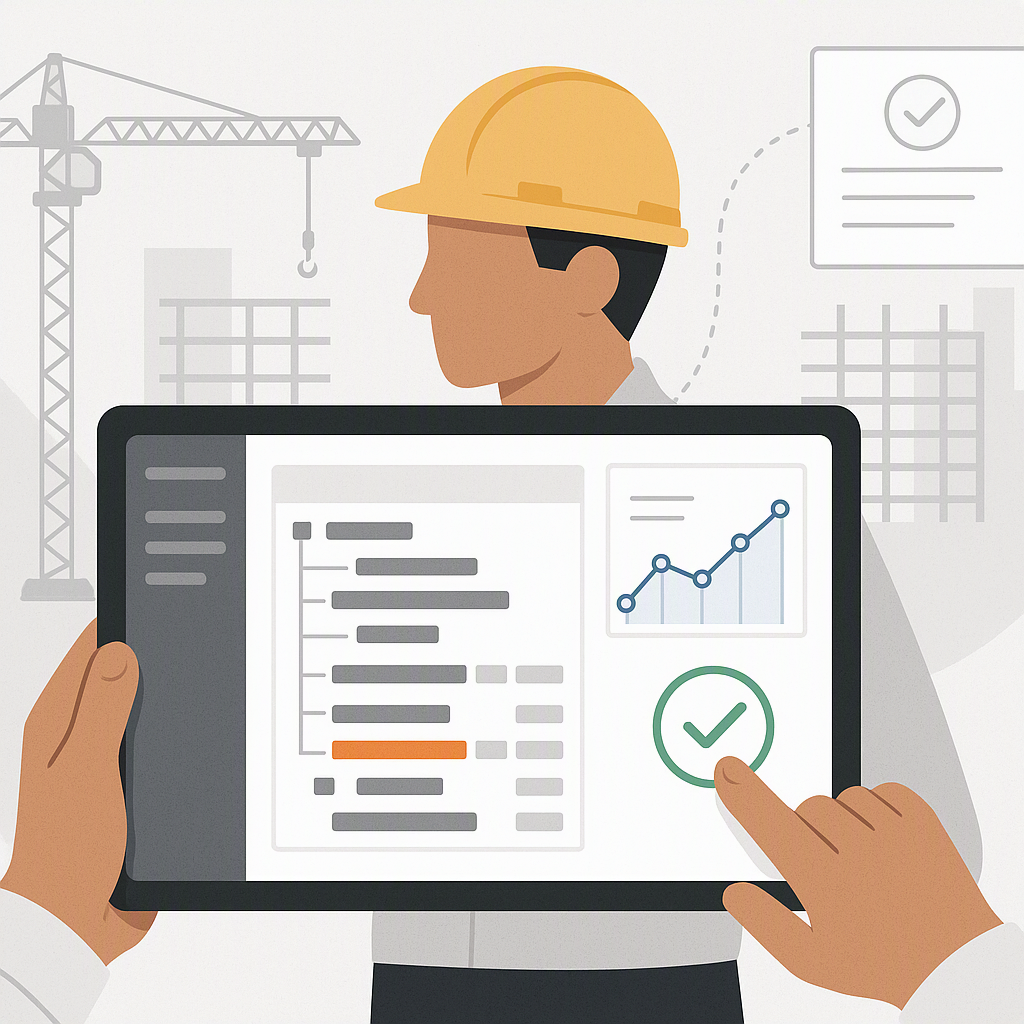
This is why tools like JobNext are so valuable. JobNext lets contractors track project profitability in real time across BOQs, scopes, and estimates. For example:
- Subcontractor overruns? JobNext’s measurement-based tracking ensures you only pay for actual progress.
- Idle equipment? The platform’s equipment lifecycle management flags underutilization early.
- Unbilled work? Its six billing methods (including RA and stage-wise) ensure you never miss an invoice.
And this isn’t just theory. Contractors using cloud ERP systems like JobNext report 20% faster project execution and fewer budget overruns (source).
How to Start Fixing Cost Tracking Today
If you’re still managing costs on spreadsheets or disconnected apps, it’s time for a change. Here’s what you can do immediately:
-
Audit Your Current Process: Where are costs slipping through the cracks? Subcontractor payments? Vendor invoices? Equipment downtime? Identify the gaps.
-
Implement Real-Time Tracking: Whether it’s a cloud ERP like JobNext or another solution, prioritize visibility. Look for systems that integrate procurement, billing, and equipment management into one platform.
-
Set Up Alerts: Don’t rely on manual checks. Automate alerts for cost overruns, delayed payments, and underutilized assets.
-
Train Your Team: Even the best system fails if your team isn’t using it correctly. Invest in training to ensure adoption.
The Bottom Line
Construction cost management doesn’t have to be a headache. But it does require the right tools and processes. If you’re serious about improving profitability, start by fixing your cost tracking. Real-time visibility isn’t a luxury anymore — it’s a necessity.
For a deeper dive into how cloud ERPs like JobNext solve these problems, check out this article.
Ready to see JobNext in action?
Multi-tenant SaaS ERP for construction, facilities management, and contracting — covering preconstruction, project execution, procurement, HR & payroll, equipment, finance, and 150+ analytics reports.
Get Started Free →Learn more at EstimateNext