Why Subcontractor Costs Spiral Out of Control
Subcontractors are essential for most mid-size contractors, especially in trades like MEP, HVAC, or interiors. But they're also one of the biggest risks to your project's bottom line. Why? Because managing them is hard. Payment disputes, unclear work progress, and scope creep are common issues. Ignoring these can lead to cost overruns, missed deadlines, and, ultimately, lost profits.
The Numbers Don’t Lie
According to Deloitte’s Global Construction Survey, 45% of contractors say they experienced subcontractor disputes that negatively impacted project profitability in the last year. And McKinsey found that large projects typically exceed their budgets by 20% — subcontractor mismanagement is a top reason.
The problem isn’t that subcontractors are unreliable. It’s that most contractors haven’t built structured workflows to manage them properly.
5 Practical Strategies to Control Subcontractor Costs
1. Track Work Progress with Measurement-Based Payments
Paying subcontractors based on milestones or measurements (like work completed or materials installed) isn’t new. But many contractors still rely on manual processes to track progress, which opens the door to errors and disputes.
Here’s what works better: a digital workflow that ties physical progress to payments.
For example, JobNext’s subcontractor management module lets you define work packages, track progress through measurement sheets, and approve payments based on actual completion. This isn’t just a convenience; it ensures you’re paying for real progress, not padded invoices.
2. Standardize Work Orders and Scope Definitions
Vague or incomplete work orders are a recipe for scope creep. If your subcontractor’s scope isn’t 100% clear, you’ll end up footing the bill for extra work that wasn’t in your original budget.
Use templates to standardize work orders. Include details like:
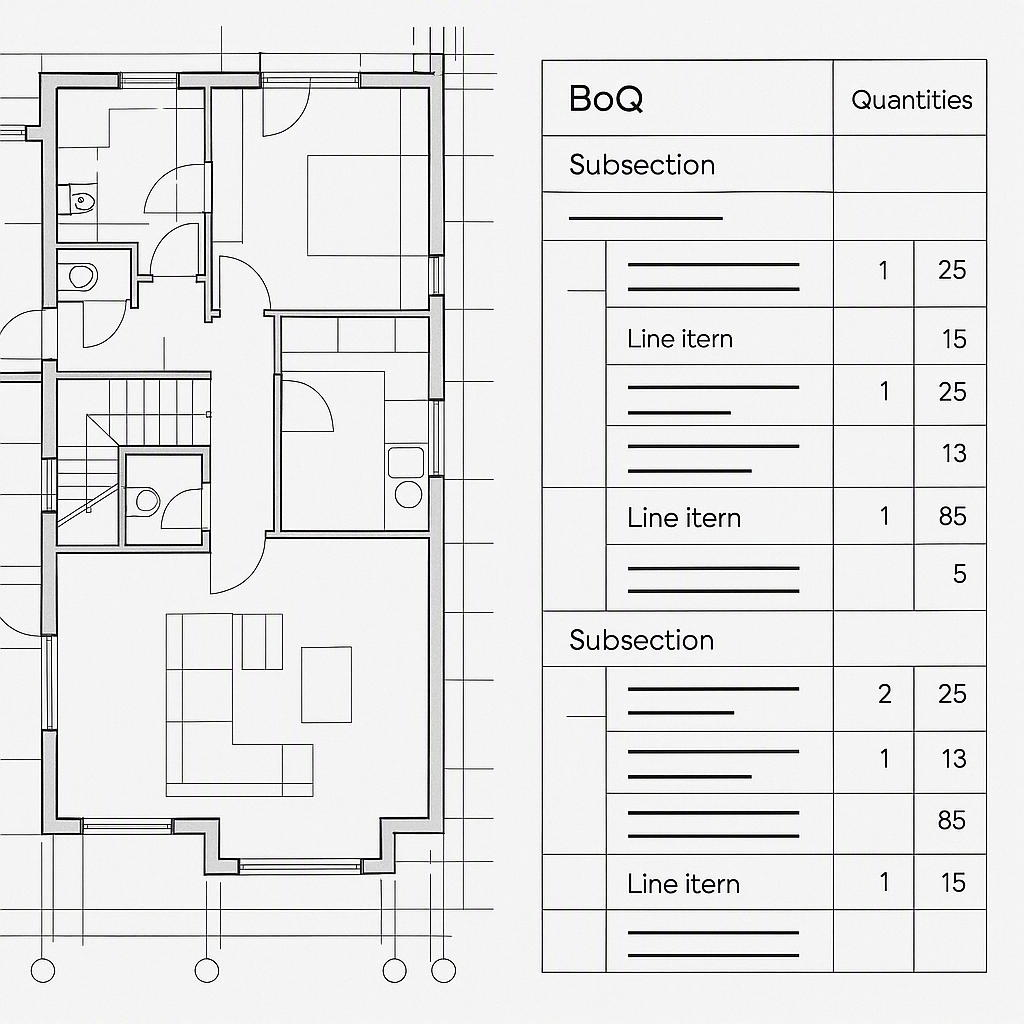
- Scope of work (BOQ, WBS structure)
- Measurement units
- Milestones and timelines
- Payment terms
A structured system like JobNext can help here too. It forces you to define these parameters upfront when creating work orders, reducing the risk of disputes later.
3. Use Real-Time Dashboards to Monitor Costs
Subcontractor costs shouldn’t be a mystery until the month-end reconciliation. Real-time cost tracking across labor, materials, and work packages can highlight potential overruns early.
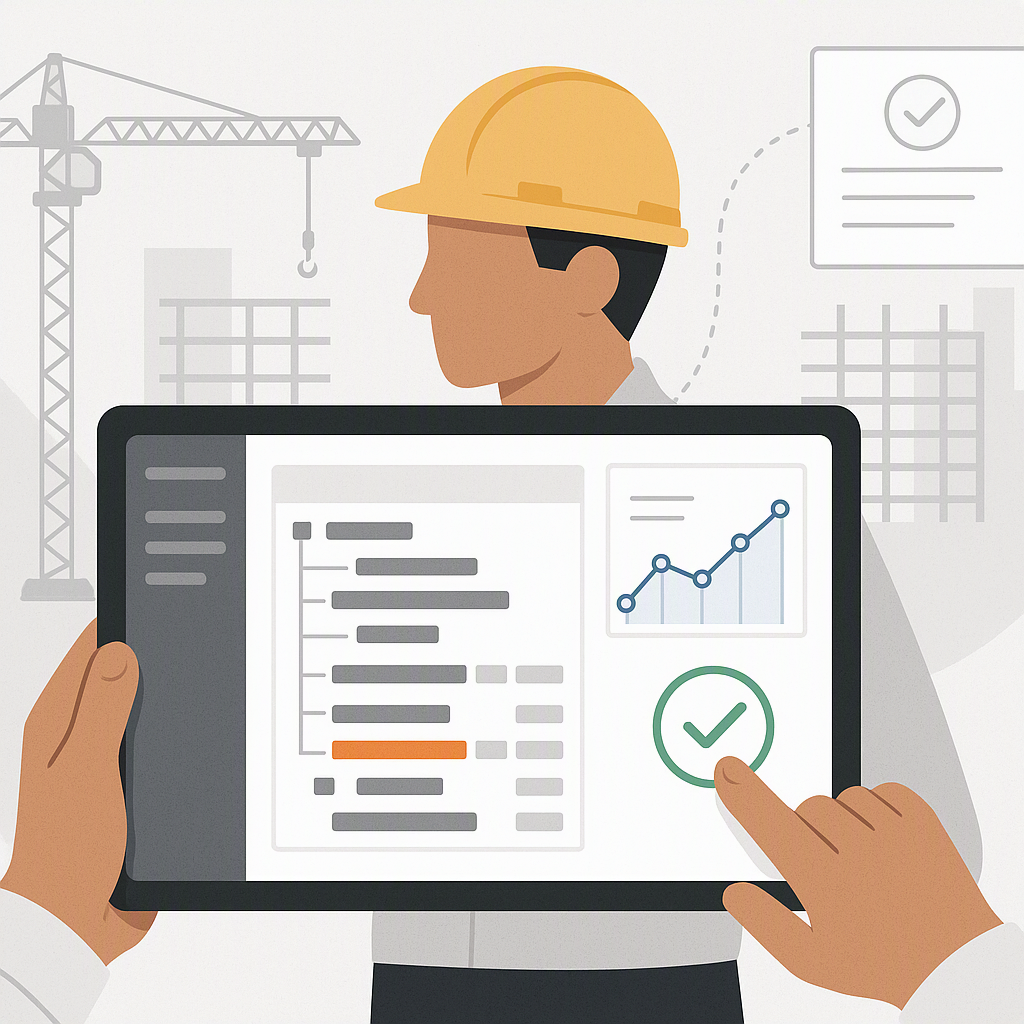
Tools like JobNext provide dashboards that show project costs mapped against budgets. For example, if your subcontractor has already billed 80% of their contract value but only completed 60% of the work, you know there’s an issue. Catching this early can save you from budget blowouts.
4. Implement Clear Approval Workflows
Approvals for subcontractor payments often get delayed because they’re tied to manual processes. The result? Subcontractors either stop work or demand advances, disrupting your cash flow.
A multi-level approval workflow can fix this. For instance, JobNext enables role-based approvals for measurement sheets, invoices, and payment releases. This means faster decisions and fewer bottlenecks.
5. Don’t Overlook Retention Money
Retention clauses are standard in most subcontractor agreements. But tracking retention amounts manually can get messy, especially across multiple projects.
A digital system can track retention amounts automatically, ensuring they’re released only after all obligations are met. No more spreadsheets or missed deadlines.
Real-World Results: A Case Study
One of our clients, a mid-size EPC contractor in Oman, struggled with subcontractor cost overruns on almost every project. They implemented JobNext’s subcontractor management module and saw immediate benefits:
- Progress-based payments reduced disputes by 60%
- Approval times for invoices dropped from 5 days to 2
- Retention money tracking became fully automated
Their margins improved by 8% in just six months. Real progress, not just promises.
Why Technology Matters
Subcontractor management isn’t just about processes; it’s about visibility. As we wrote in Field-to-Office in Real Time: How Mobile Construction Apps Are Eliminating Project Blind Spots, you can’t manage what you can’t see. Real-time tools bridge the gap between site and office, making subcontractor management more predictable.
If you’re still juggling spreadsheets and WhatsApp groups, it’s time to rethink. Tools like JobNext don’t just make subcontractor management easier; they make it profitable.
Key Takeaways
- Subcontractor costs can spiral out of control without structured workflows.
- Measurement-based payments, real-time dashboards, and approval workflows are game-changers.
- Technology like JobNext ensures transparency, accountability, and profitability.
Want to learn more about how contractors are modernizing operations? Check out our insights on Construction Digital Transformation.
Ready to see JobNext in action?
Multi-tenant SaaS ERP for construction, facilities management, and contracting — covering preconstruction, project execution, procurement, HR & payroll, equipment, finance, and 150+ analytics reports.
Get Started Free →Learn more at EstimateNext