Why Most Contractors Get Contingency Wrong
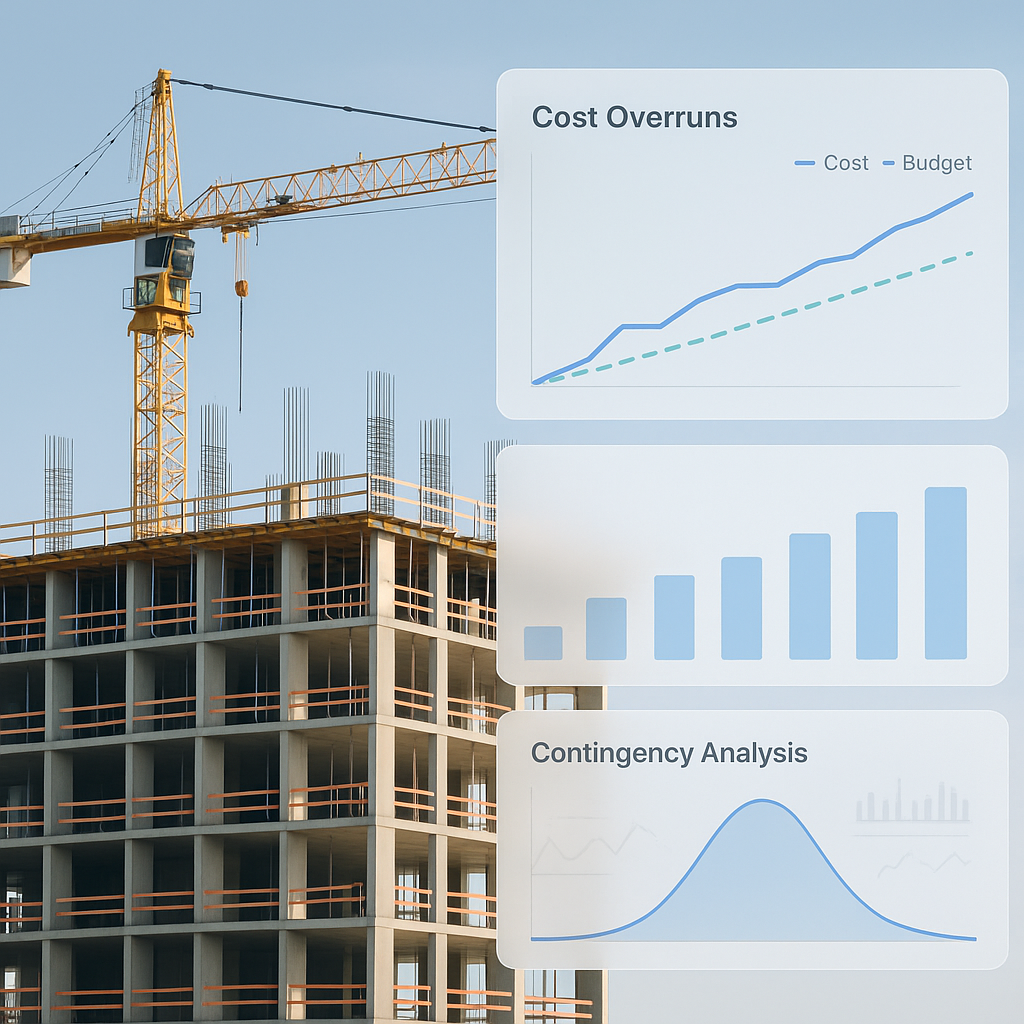
Let’s get one thing straight: guessing your construction contingency percentage is a terrible idea. Too high, and your bid gets rejected. Too low, and your profit evaporates the moment change orders hit. I’ve seen contractors lose 10% of their margins on a single project because they didn’t nail this.
The problem? Most contractors base contingencies on gut feelings. “10% sounds safe.” But is it? For a high-risk project with a lot of unknowns, 10% might barely scratch the surface. For a simple project with well-defined scopes, 10% might be overkill. So how do you calculate the right number?
The Construction Contingency Formula That Works
Here’s the formula we recommend:
Contingency (%) = Project Risk Score × Historical Overrun Factor
- Project Risk Score: Rate the project’s risk level on a scale of 1 to 5. A 1 is a simple interior renovation; a 5 is a high-complexity EPC project with undefined scopes.
- Historical Overrun Factor: Use past project data to calculate your typical cost overruns as a percentage of the estimated budget.
For example, if a project has a risk score of 3 (moderate complexity) and your historical data shows a 7% overrun, your contingency should be 21% (3 × 7%).
Actionable Steps to Implement This Formula
-
Understand Your Project’s Risk Profile:
- Create a checklist of risk factors: undefined scopes, client-driven changes, subcontractor reliability, etc.
- Rank the project based on these factors from 1 (low risk) to 5 (high risk).
-
Analyze Historical Data:
- Look at your last 10 projects. What was the estimated budget vs. the final cost?
- Break down the overruns into categories like labor, materials, and equipment.
-
Apply the Formula:
- Multiply the risk score by the historical overrun factor. This becomes your contingency percentage.
Concrete Example:
- Project: A ₹5 crore interior fit-out.
- Risk Score: 2 (Low complexity).
- Historical Overrun Factor: 8% (based on past data).
- Contingency: 2 × 8% = 16%.
Instead of blindly applying a 10% contingency, you now have a much more tailored, data-driven figure.
Why Historical Data Beats Guesswork Every Time
One contractor I worked with used to set a flat 10% contingency for every project. But when we looked at their BOQ Margin reports in JobNext, a clear pattern emerged: higher-complexity jobs were overrunning by 15-20%, while simpler ones stayed under 5%. That flat 10%? It was killing their margins on big projects and making their bids uncompetitive on small ones.
Case Study: How Data Saved ₹1.8 Crore
A mid-sized contractor bidding on a ₹12 crore EPC project initially planned to apply a 10% contingency—₹1.2 crore. By analyzing BOQ reports and recalibrating based on complexity and historical overruns, they adjusted the contingency to 21%. When unexpected issues arose (delayed permits, material shortages), the adjusted contingency absorbed the costs. Final savings? ₹1.8 crore in potential losses.
Actionable Tip:
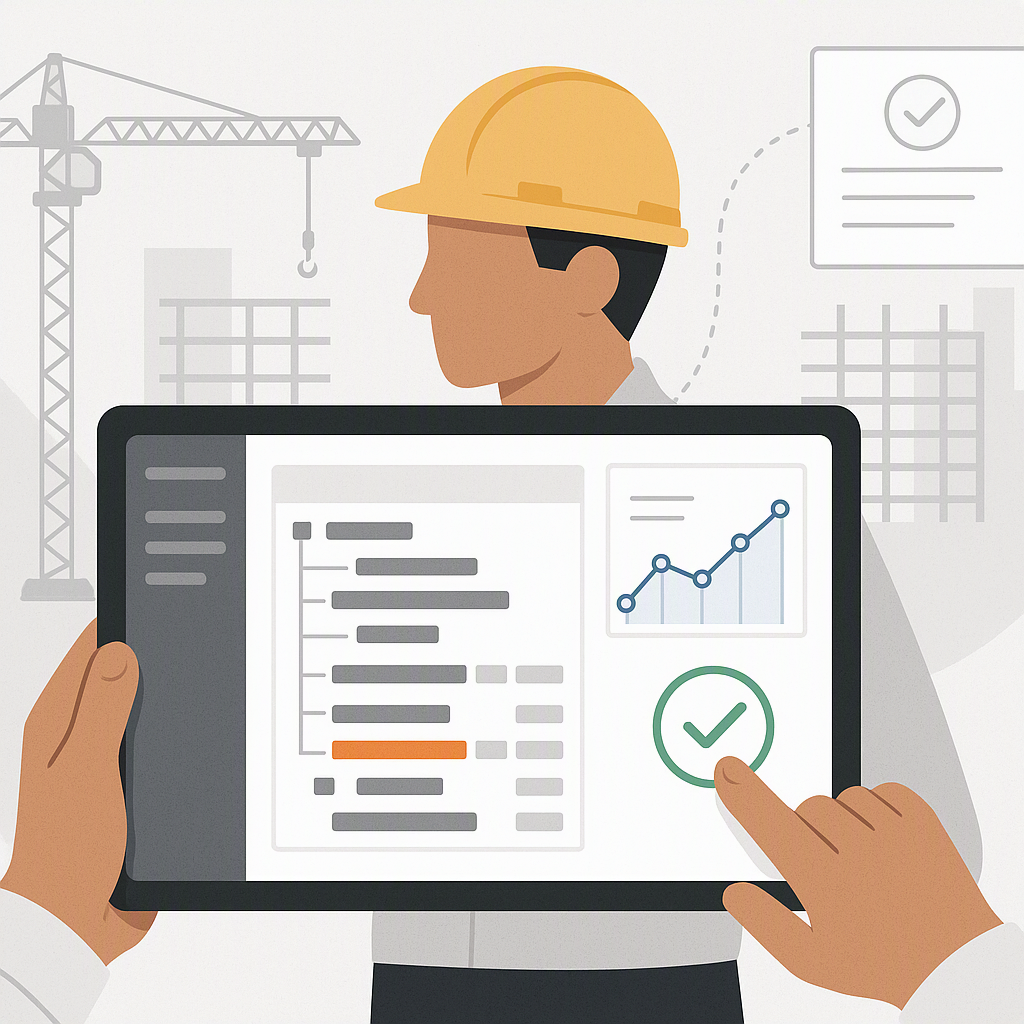
- If you don’t have historical data, start tracking it now. Tools like JobNext or Microsoft Project allow you to compare actual costs versus estimates across labor, material, and other factors. Start with a simple spreadsheet if needed and categorize overruns by reason (e.g., labor shortages, material price hikes).
Tools to Simplify Contingency Planning
Here’s the good news: you don’t need to calculate all this manually. Several digital tools can help streamline the process, ensuring your contingency estimates are accurate and based on real data.
Recommended Tools
-
JobNext:
- BOQ Margin Analysis: Highlights items where actual costs exceed estimates, helping you refine future contingencies.
- Variance Reports: Tracks deviations in cost estimations across labor, material, and equipment.
- Historical Overrun Data: Automatically records overruns by project type.
-
Procore:
- Offers financial management tools that integrate with your project schedules.
- Provides real-time budget tracking to identify cost overruns early.
-
Excel/Google Sheets:
- While not automated, these tools are a good starting point for contractors just beginning to track historical data.
Actionable Tip:
- Pick one tool and commit to it. Start small—track 2-3 KPIs (e.g., labor overruns, material costs) and expand as you gain confidence.
When to Adjust Your Contingency
Even with a solid formula, contingencies aren’t set-and-forget. Here are scenarios where you should revisit them:
1. Scope Changes
- Example: A client decides to expand a building’s footprint mid-project. This increases material and labor needs.
- Action: Recalculate the contingency based on the new scope.
2. Market Volatility
- Example: Steel prices rise 20% overnight due to supply chain disruptions. If materials constitute 50% of your project cost, this can blow up your budget.
- Action: Adjust the material contingency line item upward.
3. High-Risk Subcontractors
- Example: A subcontractor with a history of delays is responsible for a critical project phase.
- Action: Increase the contingency for their scope or negotiate stricter penalties into their contract.
Pro Tip:
Use JobNext’s subcontractor management module to track vendor performance. If you notice repeated delays, factor that risk into your contingency calculations.
Common Mistakes to Avoid
-
Using Industry Averages Blindly:
- While a 10% rule of thumb is convenient, it’s no substitute for data. Averages don’t account for project-specific risks.
-
Ignoring Small Scopes:
- Even minor scopes can cause major overruns if underestimated. For example, underestimating labor for a small electrical scope can lead to delays across the entire project.
-
Not Reassessing Mid-Project:
- Risks evolve. If material prices spike or the client changes the scope, revisit your contingency.
-
Failing to Communicate with Stakeholders:
- Clients need transparency. Explain how contingencies protect the project’s timeline and quality.
FAQ: Construction Contingency Planning
Q: What’s a good starting point for contingency percentages?
A: Use your historical overrun data. If you don’t have any, start with 5-15%, adjusting based on project complexity. For example, a simple office renovation might require 5%, while a complex EPC project could need 20% or more.
Q: How do I track historical overruns?
A: Use tools like JobNext, Procore, or even spreadsheets. Break costs into categories (labor, materials, equipment) and compare estimated vs. actual expenses. Over time, you’ll identify trends that inform future contingencies.
Q: Can contingencies be too high?
A: Absolutely. Overestimating makes your bids uncompetitive. Clients notice inflated budgets and may choose another contractor. Balance realism with competitiveness by using data-driven methods.
Q: What if I don’t have historical data yet?
A: Start tracking now. Use a simple spreadsheet to log costs and overruns for each project. Over time, this data becomes invaluable for refining your contingency estimates.
Q: How often should I adjust contingencies during a project?
A: Reevaluate contingencies whenever significant changes occur: scope alterations, material price hikes, or major delays. Regular updates ensure you’re not caught off guard.
Comparison Table: Gut-Based vs. Data-Driven Contingency
| Feature | Gut-Based Approach | Data-Driven Approach |
|---|---|---|
| Basis for Calculation | Rule of thumb (e.g., 10%) | Historical overrun data |
| Accuracy | Low | High |
| Competitiveness | Risk of over- or underbidding | Balanced |
| Ease of Adjustment | Difficult | Easy with tools like JobNext |
| Risk Mitigation | Poor | Proactive |
The Bottom Line
Guessing your contingency percentage is a recipe for profit loss. Use data, not gut feelings. Tools like JobNext make it easy to analyze historical trends, refine your formula, and track real-time costs. Want to stop margin erosion? Start calculating smarter.
Learn more at EstimateNext