The Bid Markup Mistake That Costs Contractors Thousands
If you're a contractor, you've probably faced this dilemma: How much should you mark up your bid? Too high, and you lose to competitors. Too low, and you lose money—sometimes enough to sink the project. Guessing isn't just risky; it's expensive.
In this expanded guide, we’ll cover everything you need to know about bid markup, including actionable strategies, real-world examples, and even a FAQ section to help you avoid costly mistakes.
What Is Bid Markup (And Why Most Contractors Get It Wrong)?
Bid markup is the percentage added to your direct costs (materials, labor, equipment, etc.) to cover overheads and generate profit. It sounds simple, but here's the problem: Most contractors confuse markup and margin. They think adding a 20% markup means they earn a 20% profit. It doesn’t.
Let’s break it down:
- Markup is based on your costs.
- Margin is based on revenue.
For example, a project with $100,000 in direct costs and a 20% markup would generate $20,000 in markup—but your margin is only 16.67% ($20,000 ÷ $120,000 revenue).
Common Misunderstanding: Markup vs. Margin
This confusion can lead to underpricing. Many contractors mistakenly think they’re protecting their profits by using a low markup percentage when, in reality, they’re eroding their margins.
Example: Markup vs. Margin Misstep
Imagine you’re bidding on a $50,000 roofing job. You apply a 20% markup, thinking that equals a 20% margin. However, when you calculate it:
- Selling Price = $50,000 ÷ (1 - 0.20) = $62,500
- Margin = ($62,500 - $50,000) ÷ $62,500 = 20%
But what happens when unforeseen costs arise? If your overhead unexpectedly increases by $7,500, your margin shrinks drastically. By miscalculating markup, you could end up with less than 10% profit—or even a loss.
The Bid Markup Formula Contractors Should Be Using
Smart contractors use a proven formula to avoid underpricing:
Bid Markup Formula
Selling Price = Direct Costs ÷ (1 - Desired Margin)
For example, if your direct costs are $100,000 and you want a 20% margin:
Selling Price = $100,000 ÷ (1 - 0.20) Selling Price = $125,000
Your markup isn’t 20%—it’s 25%. This distinction matters because underestimating markup leads to underpricing, which kills your margins.
Actionable Steps to Implement the Formula:
-
Calculate Direct Costs Accurately:
- Include all material, labor, and equipment costs.
- Factor in indirect costs like office expenses, insurance, and equipment depreciation.
-
Define Your Desired Margin:
- Assess your business goals and risk tolerance.
- Most contractors aim for a margin between 20-30%, depending on the project type.
-
Run Multiple Scenarios:
- Use the formula to test different margin percentages.
- Adjust based on project complexity and market conditions.
-
Use Automated Tools:
- Platforms like JobNext simplify markup calculations with real-time cost tracking.
Case Study: Applying the Formula
A landscaping contractor wanted a 25% margin on a $150,000 project. Using the formula:
Selling Price = $150,000 ÷ (1 - 0.25) Selling Price = $200,000
By using the formula, the contractor avoided underpricing and ensured their profits covered unexpected costs.
Why Guessing Markup Is Costly
According to a 2023 McKinsey report, 67% of contractors who failed to meet margins cited poor bid pricing as a major factor. Guesswork doesn’t just cut into profits—it creates a ripple effect that impacts cash flow, subcontractor payments, and even your reputation.
Real Example: Equipment Costs
A contractor I worked with bid on an HVAC project using a 15% markup. The project’s direct costs were $200,000, but unforeseen equipment delays added $30,000. They ended up with razor-thin margins because their markup couldn’t absorb the extra costs. Had they calculated markup with the right formula, they’d have priced the project at $270,588 (20% margin) and avoided the loss.
Actionable Tip: Build Contingency into Your Markup
A good rule of thumb is to increase markup by 5-10% for high-risk projects. This buffer protects your margins from unexpected costs.
How JobNext Can Help Contractors Get Markup Right
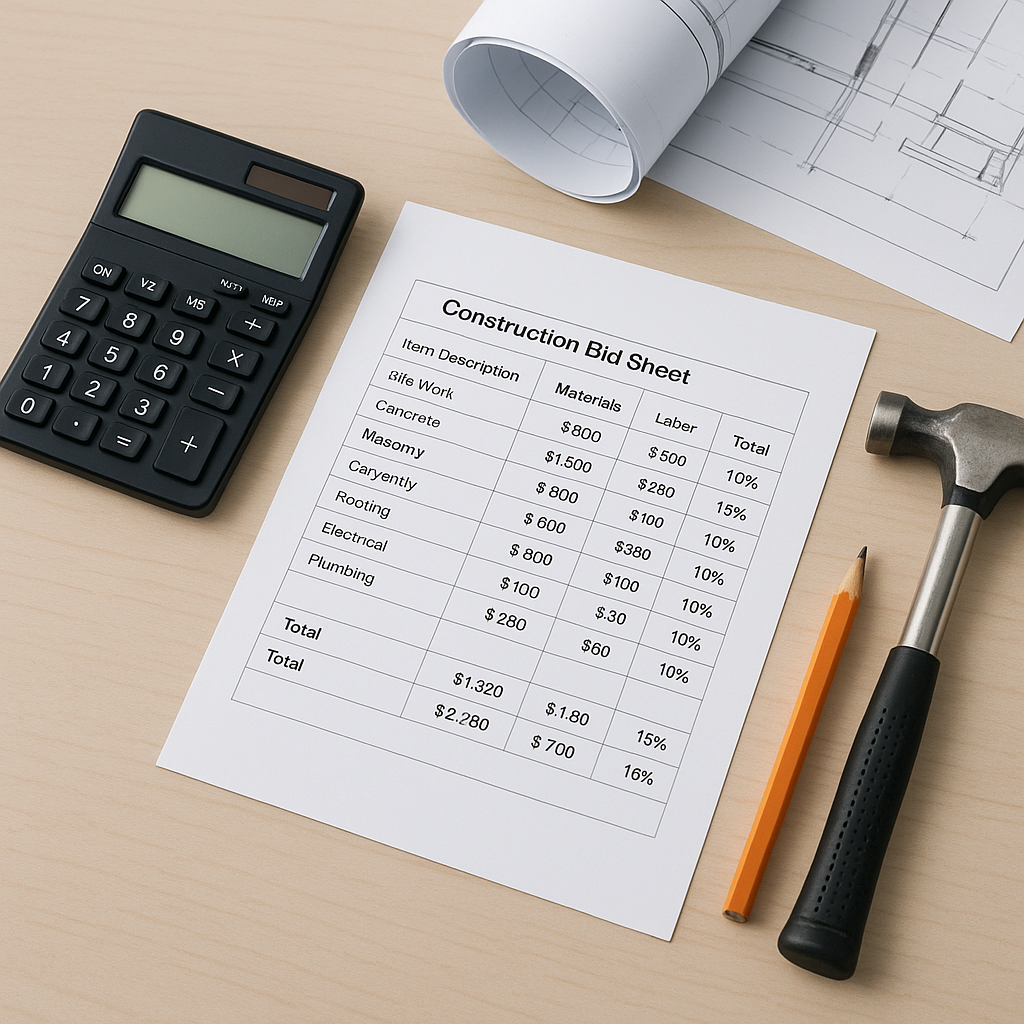
Tools like JobNext simplify the process by integrating real-time cost tracking and markup calculators directly into your quoting workflow. For instance, the Estimate-Based Quote method lets you break down costs into labor, materials, equipment, subcontractors, and overheads—and apply transparent markup percentages.
Features That Save Time and Protect Margins:
-
Accurate Cost Estimation:
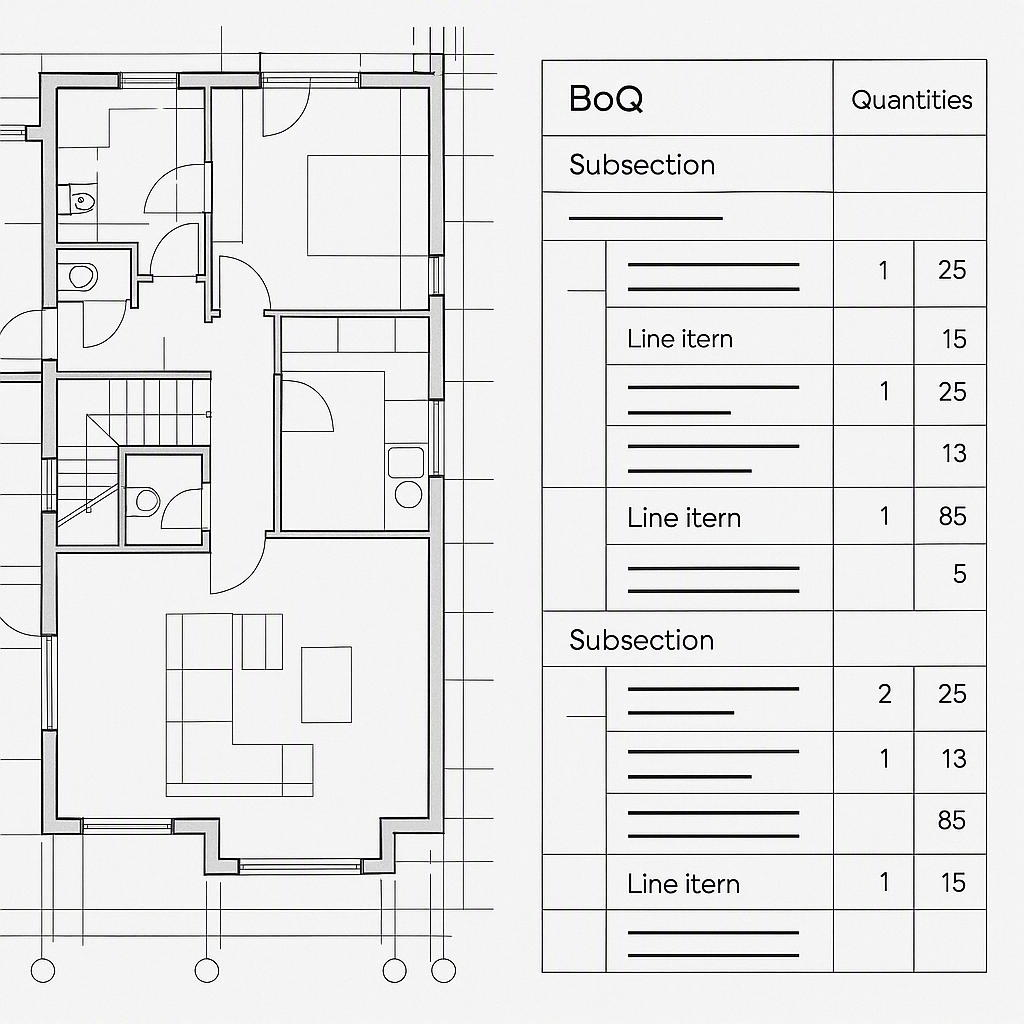
- JobNext lets you break down costs against BOQ (Bill of Quantities) lines.
-
Markup Transparency:
- Apply profit percentages directly to estimates.
-
Risk Adjustment:
- Adjust markup rates for complex or high-risk projects.
Real-World Example: Using JobNext
A general contractor bidding on a $500,000 office renovation used JobNext to calculate markup. By factoring in labor, materials, and contingency, their final bid was $650,000—competitive yet profitable.
Common Markup Mistakes to Avoid
- Confusing Markup with Margin: Use the formula above to avoid underpricing.
- Skipping Overhead Costs: Include indirect costs like office expenses, insurance, and equipment depreciation.
- Ignoring Market Conditions: Competitor pricing matters, but don’t sacrifice profit just to win.
- Failing to Adjust for Risk: High-risk projects need higher markups—don’t assume all jobs are the same.
- Neglecting Contingency Planning: Always build a buffer into your markup for unforeseen costs.
Comparison Table: Markup vs. Margin
| Feature | Markup | Margin |
|---|---|---|
| Definition | Percentage added to direct costs. | Percentage of revenue retained as profit. |
| Calculation Base | Direct costs. | Revenue (selling price). |
| Formula | Selling Price = Costs ÷ (1 - Margin). | Margin = (Revenue - Costs) ÷ Revenue. |
| Common Misstep | Underpricing due to low markup. | Misinterpreting markup percentage. |
| Risk Mitigation | Add contingency to markup. | Ensure margin covers all costs. |
FAQ
Q: How do I calculate markup for subcontractor work?
Use the same formula, but factor in subcontractor quotes and add a buffer for risk. Platforms like JobNext can help by comparing subcontractor bids based on price, technical capability, and timelines.
Q: What’s the difference between markup and margin?
Markup is calculated on costs; margin is calculated on revenue. For example, to achieve a 20% margin, your markup must exceed 20%, as shown in the formula.
Q: Can markup percentages vary by project?
Yes. High-risk projects, like complex MEP installations, require higher markups to cover contingencies. Conversely, simpler projects may allow for lower markup percentages.
Q: How do I account for unexpected costs in my markup?
Add a contingency of 5-10% to your markup for high-risk projects. This ensures your margins can absorb unforeseen expenses.
Q: Is there a tool to automate markup calculations?
Yes. Tools like JobNext automate cost tracking and markup calculations, ensuring accurate bids and protected margins.
Call to Action
If you're tired of guessing your markup and bleeding profits, JobNext can help. Its integrated quoting tools ensure accurate markup calculations, competitive pricing, and protected margins. Get started free →
Learn more at EstimateNext